
VAPE FAQs
Will I Get Addicted After One Vape?
Jun
It is the kind of question that often surfaces after a moment of curiosity meets a flash of worry: Could one single use be enough to set something in motion that I cannot easily stop? The anxiety is understandable — addiction is widely discussed but rarely broken down into the specific mechanics that make it either likely or improbable. Rather than offering a yes-or-no answer that oversimplifies a complex physiological process, it is more useful to examine what actually has to happen inside the body and brain for dependency to take hold, and what a single exposure can realistically change.
The conversation about personal electronic devices — often referred to with the shorthand that prompted your question — is especially prone to generalisation. OZVAPE Shop, as a retailer that provides detailed, factory-certified specifications for every product it lists, exists in part to replace alarm with understanding. This article will walk through how different device architectures influence the risk profile, what user behaviours amplify or reduce those risks, and how to evaluate the tools you encounter with the same critical eye you would apply to any engineered product that interacts with your biology.
Understanding What Matters When Assessing Addiction Risk
Addiction is not a switch that flips from “off” to “on” after a predetermined number of exposures. It is a neuroadaptive process shaped by pharmacology, delivery speed, frequency of use, and individual susceptibility. To evaluate what a single use can do, we need to look at the engineering factors that govern how a substance is presented to the brain.
Nicotine Delivery and the Role of Device Architecture
The speed at which a compound reaches the brain is a stronger predictor of addictive potential than the total amount consumed. Inhaled delivery, by bypassing the digestive tract and entering the bloodstream through the vast surface area of the lungs, reaches the central nervous system within seconds. This rapid onset creates a tight temporal coupling between the act of use and the neurochemical reward — a phenomenon described in behavioural pharmacology as a key driver of conditioning.
However, speed alone does not create addiction. The brain must also learn to associate specific cues (hand motion, flavour, throat sensation) with the reward. A single exposure can begin laying down these associations, but the synaptic strengthening that underlies compulsive behaviour typically requires repeated reinforcement. Design choices in the device — heating element consistency, airflow resistance, and power delivery — all modulate how efficiently nicotine is aerosolised and absorbed. A device that delivers a precise, temperature-controlled output will provide a more reproducible pharmacological experience than one with erratic heating. This reproducibility can, counterintuitively, increase habit-forming potential because the brain learns more quickly from consistent signals.
Concentration, Tolerance, and the Individual Factor
Nicotine concentration is usually expressed in milligrams per millilitre or as a percentage. A device labelled with a certain strength will not automatically produce the same biological effect in every user; the output per activation depends on aerosol density, user draw duration, and personal metabolism. First-time users often experience pronounced physiological responses — dizziness, nausea, increased heart rate — that are themselves protective against immediate escalation. These aversive signals can deter a second attempt. The danger arises when a user, motivated by social factors or curiosity, pushes past these signals and repeats the exposure. Enzymatic differences also play a role: some individuals metabolise nicotine more slowly, extending its half-life and potentially intensifying the consequences of even a low dose.
OZVAPE Shop publishes the manufacturer-verified specifications of each ALIBARBAR device, including stated nicotine content, because having access to accurate data is the first step toward an honest self-assessment.
Power Management and Unintended Overexposure
One of the most overlooked engineering factors in addiction risk is power calibration. Devices that lack regulated output can deliver an inconsistent dose — sometimes higher than expected — especially as the power cell depletes or if a user “primes” the device with longer draws. This inconsistency makes it harder for a user to gauge how much they are taking in, which can lead to inadvertent sensitisation. Devices that communicate their state of charge clearly, either through LED indicators or haptic feedback, allow the user to anticipate performance changes and avoid the deep, compensatory draws that often accompany a fading device. The ALIBARBAR INGOT series, for example, incorporates a regulated power delivery architecture that maintains stable output until the very last activation, removing the uncertainty that leads to unintentional overuse.
Applying These Principles to Real-World Device Classes
Broadly, portable electronic devices fall into three categories: pre-filled, non-rechargeable units; rechargeable systems with sealed reservoirs; and modular, refillable platforms. Each carries a different risk profile simply because of how they structure the user’s interaction.
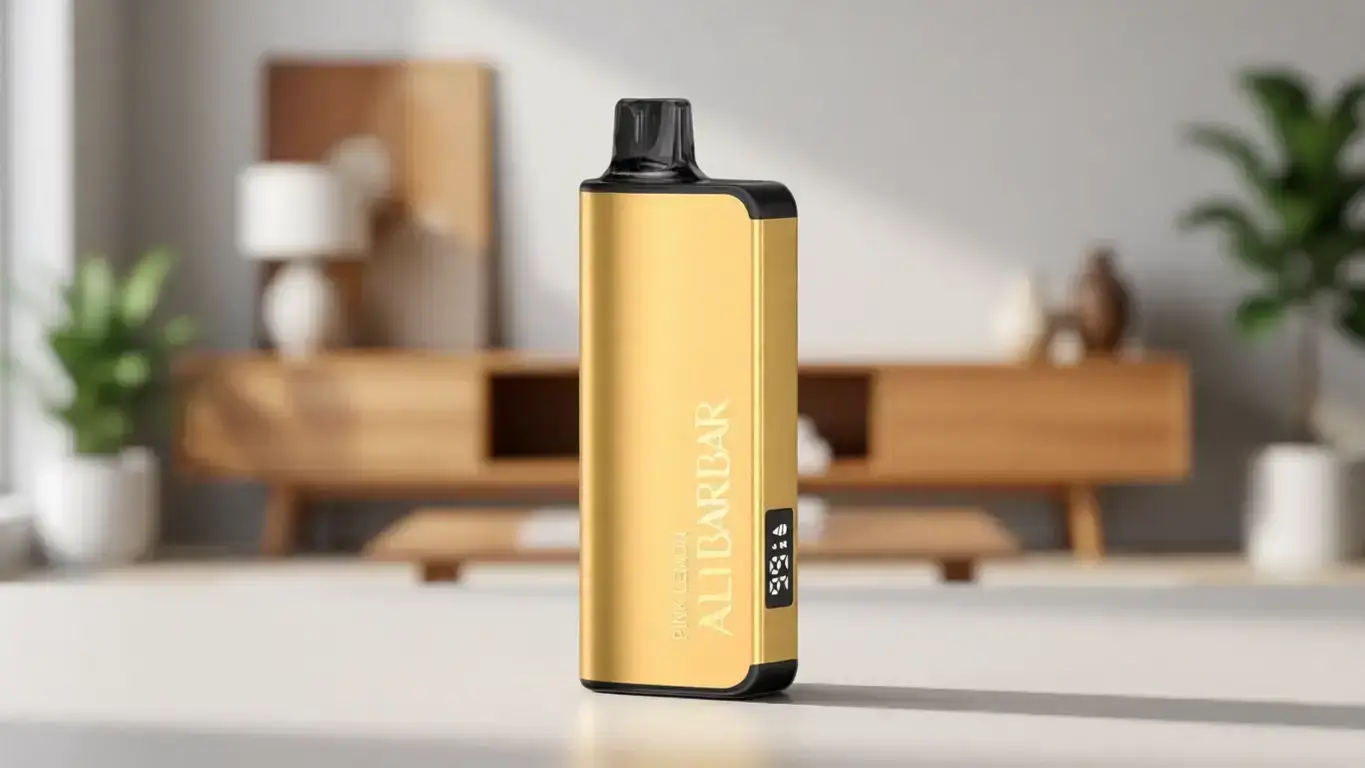
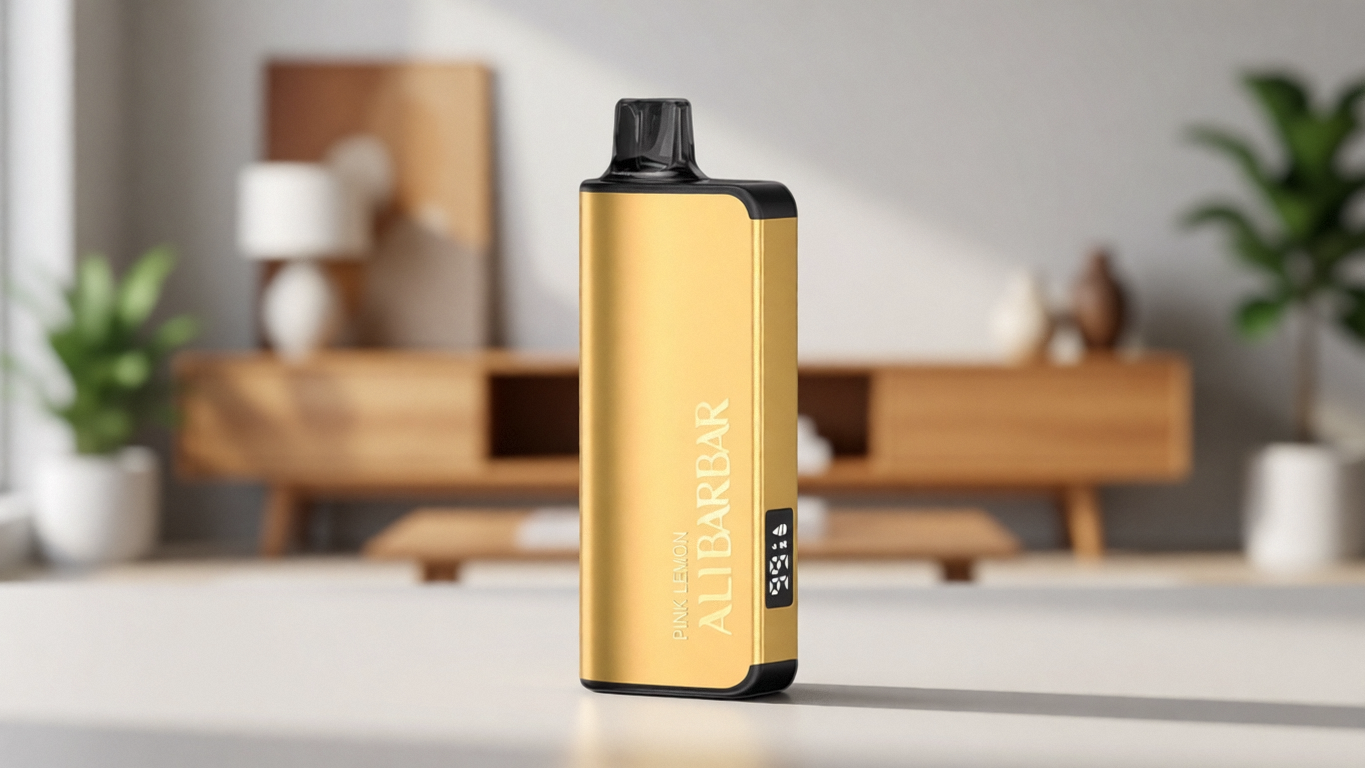
Pre-filled, non-rechargeable devices (often called disposables) are engineered for simplicity. They have no controls, no settings, and a finite number of activations. Their predictability can, in theory, help a user set a boundary: once the device is finished, the session ends. In practice, the absence of any status feedback — no precise indicator of how many activations remain — can lead to a pattern of “chasing” the last few draws, repeatedly taking smaller and smaller hits. The ALIBARBAR INGOT 9000, for instance, includes a display that communicates remaining charge, a feature that gives the user situational awareness without requiring guesswork.
Rechargeable, closed-system devices extend use over days or weeks. This extended engagement increases the number of conditioning opportunities. They also often employ salt-based nicotine formulations that are smoother at higher concentrations, removing the throat irritation that might otherwise serve as a natural brake. The engineering trade-off here is comfort versus built-in limits; the onus shifts to the user to self-regulate, and those who do not actively monitor their frequency can escalate usage without noticing.
Open-system, refillable devices introduce the variable of user-mixed liquids. The risk here is less about the device and more about the user’s ability to accurately dose their own supply. Inconsistent mixing can produce concentrations far higher than intended, and without laboratory testing, the user operates on assumption. From an addiction perspective, this is the most unpredictable category because the device itself is a neutral tool.
A balanced view recognizes that no device is inherently “safe” or “dangerous” — it is the interaction between the engineering, the substance, and the user’s behaviour that produces an outcome. OZVAPE Shop’s catalogue presents the ALIBARBAR line with the kind of specification detail — resistance, charging protocol, material composition, stated nicotine level — that allows a user to understand exactly what they are interacting with.
A Practical Framework for Self-Evaluation
If you have used a device once and are wondering what that means for you, a step-by-step thought process can be more valuable than a searchable one-word answer.
Document the reaction. Write down physical sensations, mood changes, and the time elapsed. A strong, unpleasant response can be protective. A mild, pleasant response with no side effects may invite curiosity — note that consciously.
Assess the context. Was this a social exception or a solitary impulse? Social settings often normalise behaviour that would not occur alone, and the presence of cues (peers using similar devices) can amplify conditioning.
Evaluate the device’s transparency. Did the device indicate what it contained? Was the power level clear? If the information was missing or opaque, you were operating without key feedback, much like driving a car with a covered fuel gauge. OZVAPE Shop stocks the ALIBARBAR range precisely because each unit includes standardised labelling and consistent output — information that reduces the need to guess.
Check for the “just one more” impulse in the following days. A single use does not create physical dependence, but it can implant a memory of reward that the mind replays. If that replay leads to planning a second use, that is the moment of decision that matters most.
A practical question to carry with you: Does this device give me clear status feedback? If not, I will naturally compensate by using it more often than I intend. This compensation is not a character flaw — it is a predictable human response to an engineered product that fails to communicate its own limits.
Common Selection Errors and Industry Observations
Even well-informed users fall into predictable traps when trying to reason about addiction potential. Recognizing these patterns can prevent a single exposure from turning into an unexamined habit.
1. Overweighting a single specification while ignoring the full pharmacological profile. A user might see “5% nicotine” and assume a high risk, but if the device is power-limited and produces a sparse aerosol, the actual delivered dose per activation is far lower than another device with 2% nicotine but a more efficient heating element. The specification alone is not the experience. OZVAPE Shop addresses this by listing not just concentration but the complete output characteristics, so comparisons rest on a broader foundation.
2. Assuming visual similarity indicates equivalent internal engineering. Two devices that look alike on the outside can contain entirely different heating architectures, wicking materials, and power regulation circuits. The plastic shell tells you nothing. This is a common industry practice — using shared moulds across multiple brands while the internals vary — that confuses consumers. When you review the ALIBARBAR line through the OZVAPE Shop platform, you are looking at a family of devices that shares a unified design language because it shares a single engineering standard, not because it is mimicking a popular form factor.
3. Undervaluing the role of power regulation in exposure consistency. Many users focus on puff count, flavour range, or form factor, overlooking the component that most influences dose predictability: the power management IC. A well-implemented controller prevents voltage sag, ensuring that the first draw of the day and the last draw of a dying device deliver nearly the same output. This consistency is a double-edged sword — it improves user experience but also reinforces dose‑response expectations more efficiently.
4. Confusing “one puff” with a single pharmacological event. A deep draw from a high-output device can deliver a nicotine bolus equivalent to several shallower draws from a low-output predecessor. The unit of measurement that matters is not the activation count but the amount of compound delivered to the bloodstream per unit time. Without understanding this, a user can dramatically underestimate the significance of what they call “just one go.”
From an industry perspective, the trend toward higher-capacity, rechargeable devices has changed the addiction landscape by removing the natural stopping points that finite, non-rechargeable products used to impose. When a device can last for days, the psychological and behavioural cues that signal “this session is over” disappear, and use becomes continuous rather than episodic. Manufacturers who recognise this — and we observe that the ALIBARBAR engineering team appears to have accounted for it by including precise remaining-capacity indicators — are designing for a more informed user.
Frequently Asked Questions
Q: Can a single use cause physical dependence?
A: Physical dependence requires repeated, sustained exposure sufficient to trigger neuroadaptations. A single exposure, even a high-concentration one, is not enough to establish the tolerance and receptor changes that define withdrawal. The more immediate concern is the psychological imprint — the memory of reward that can motivate subsequent use.
Q: Are certain devices less likely to lead to habit formation?
A: Devices that deliver nicotine more slowly, include clear end-of-life indicators, and offer lower-concentration options give the user more opportunities to self-regulate. No device can be described as non-habit-forming, but the transparency of the engineering matters greatly.
Q: How can I verify the nicotine content of a device I purchased?
A: Authentic products carry batch-level certification and should include a specification sheet. Retailers like OZVAPE Shop provide the manufacturer’s stated concentration for every ALIBARBAR product, and the supply chain is factory-certified, removing the risk of counterfeits that carry false labelling.
Q: Does the flavour profile affect addiction potential?
A: Flavour can influence the subjective appeal, which may increase the likelihood of repeated use, but it does not alter the pharmacology. However, smoother formulations (often paired with certain flavour profiles) can mask throat hit, enabling higher doses without aversive feedback.
Q: What signs indicate that experimentation is turning into a pattern?
A: Using the device alone rather than socially, seeking specific times or places for use, feeling a sense of anticipation before use, and finding it difficult to go a full day without thinking about it. These behavioural markers are more informative early-stage signals than any physical symptom.
Q: If I experienced nausea after one use, does that reduce the risk?
A: It often does, because the association between the act and an unpleasant outcome can create avoidance. However, if the nausea was mild and curiosity remains, the protective effect wears off after a few days. The most critical window is the 48 hours after first use — how the brain encodes the experience during that period heavily influences future craving.
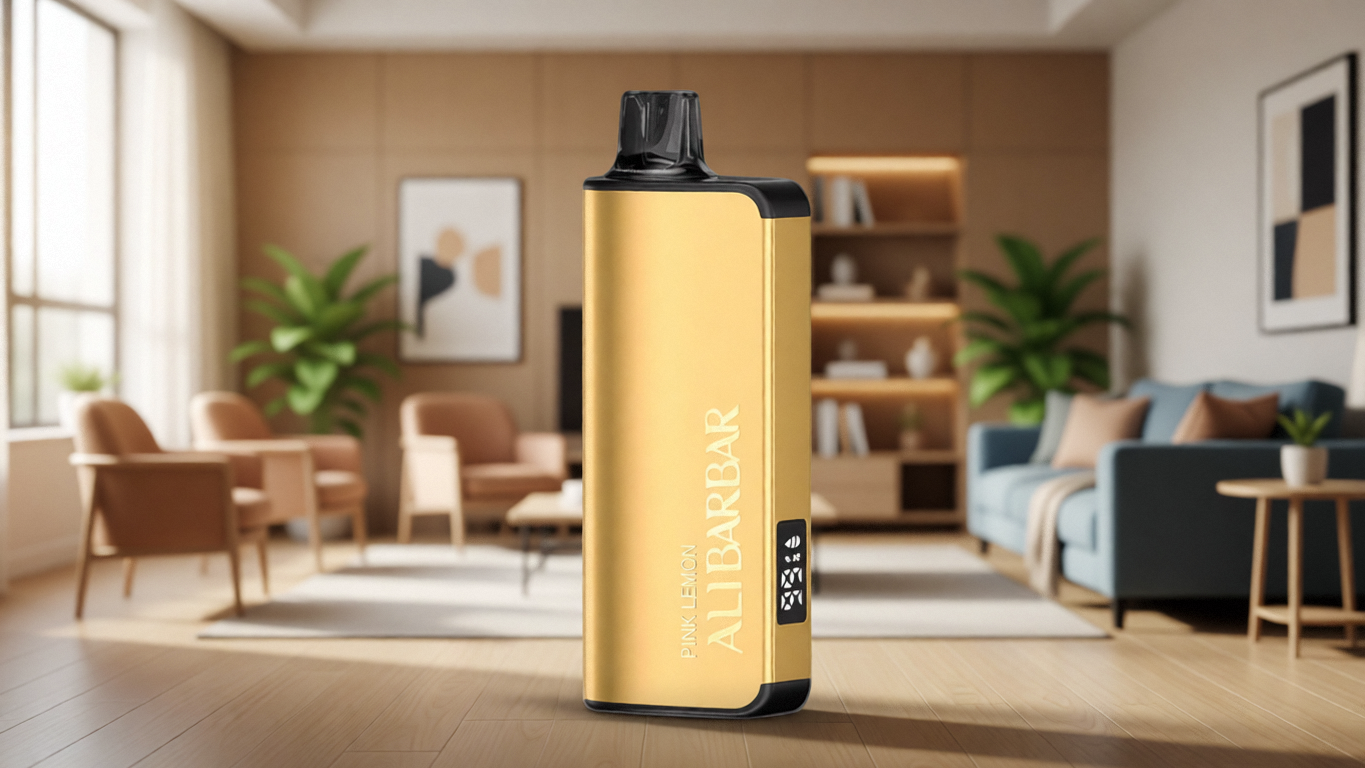
Q: Does a rechargeable device with a puff counter help prevent overuse?
A: Only if the user pays attention to it. A puff counter is a feedback tool, not an automatic brake. Without a personal usage goal (e.g., “I will stop at 50 activations today”), the number displayed has little behavioural impact.
Q: How do I know if a retailer is supplying authentic, accurately labelled products?
A: Look for documented supply chain information, verifiable manufacturer partnerships, and published specifications that match the manufacturer’s own data sheets. OZVAPE Shop maintains a documented chain of custody for ALIBARBAR products and makes this information available to customers.
Q: Can the heating element material influence the delivered dose?
A: Yes. The ramp time and thermal conductivity of the heating material affect aerosol density, which in turn affects how much nicotine is carried per unit volume of inhaled aerosol. Ceramic, mesh, and traditional wire configurations all yield different delivery profiles even at the same stated power level.
Q: What should I do if I’m concerned about a pattern developing after one use?
A: The safest step is to impose a deliberate pause — no further use for at least one week — and observe whether urges emerge predictably and with what intensity. That pause itself provides data about whether conditioning has begun. If urges persist or escalate, speak with a healthcare professional who can provide individualised guidance.
The value of asking, “Could one be enough?” lies not in finding a categorical answer but in recognising that the real answer is a function of the device’s engineering, the user’s biology, and the decisions made in the hours and days following that first exposure. A single use does not create addiction in the clinical sense, but it can certainly open a door — and whether you walk through it depends on whether you understand the room you are entering.
OZVAPE Shop began curating the ALIBARBAR collection with exactly this kind of understanding in mind: that informed users make better decisions, and that access to precise, trustworthy specifications is not a luxury but a necessity. When you can see exactly what you are dealing with — the stated concentration, the power delivery characteristics, the remaining capacity — you gain the ability to set boundaries before boundaries get set for you by a product you never fully understood. The right choice is not the one that makes the loudest claims; it is the one that aligns with your daily reality and the kind of relationship you want to have with the tools you pick up.