
VAPE FAQs
Does Fire Alarm Detect Vape?
Jun
The Unspoken Concern: Will My Device Trigger a Building’s Safety System?
You are staying in a hotel, studying in a library, or perhaps in the washroom of a long-haul flight. You use a personal electronic device, and moments later, a strobe light flashes and a piercing alarm sounds. The immediate question — did I cause that? — is loaded with anxiety, confusion, and potential embarrassment. The short answer is rarely straightforward because it depends on factors few users ever examine. This article dissects the real-world interaction between vapour-producing devices and fire detection systems. It explains the science, identifies the variables you can control, and offers a framework to think about your own equipment. Along the way, we draw on the design philosophy of products available through OZVAPE Shop — not as a sales argument, but because predictable engineering is what allows you to avoid surprises.
How Fire Alarms Detect Threats: The Engineering Behind the Sensor
Before you can assess whether a specific device will set off an alarm, you must understand what the sensor is looking for. Most buildings use one of two technologies, and they respond to fundamentally different triggers.
Ionisation Alarms: Particle Size Matters
Ionisation smoke detectors contain a small radioactive source that ionises the air, creating a tiny electric current. When particles between roughly 0.1 and 1.0 microns enter the chamber, they disrupt this current. These sizes correspond to the fine, invisible combustion particles produced by flaming fires. Vapour from a well-maintained personal device typically consists of larger liquid droplets — well above 1 micron — that are much less likely to interfere. If a building relies exclusively on ionisation sensors, the risk of a vapour-triggered false alarm is low, though not zero if the vapour is unusually dense or contains uncharacteristically small particulates.
Photoelectric Alarms: Light Scattering Is the Key
Photoelectric detectors work by shining a beam of light. When particles enter the chamber, they scatter that light onto a sensor. The alarm trips when scattering reaches a threshold. These detectors respond best to larger particles — 0.3 microns and above — which are typical of smouldering fires. Unfortunately, the liquid aerosol droplets in exhaled vapour are often in the 0.5–3 micron range. Photoelectric alarms are significantly more prone to reacting to dense vapour clouds, particularly in confined, poorly ventilated spaces.
Thermal and Multi-Criteria Sensors
Some modern systems incorporate rate-of-rise temperature sensors or multi-criteria detectors that combine photoelectric, thermal, and sometimes CO measurement. Vapour will not trigger a thermal sensor, but a combined unit may use an algorithm that weights the optical channel heavily. The move toward “intelligent” detection in commercial buildings has, counterintuitively, increased false-alarm susceptibility in some installations because algorithms are trained to err on the side of caution.
Vapour Composition and Behaviour: What a Device Releases Into the Air
The liquid heated in a personal electronic device contains propylene glycol, vegetable glycerin, and flavourings. When aerosolised, the mixture forms a fog of microdroplets. The critical variables that determine whether this cloud will trip an alarm include:
Droplet size distribution: Higher proportions of vegetable glycerin produce thicker, more persistent clouds with larger droplets, amplifying light scattering.
Output consistency: A poorly regulated heating element can intermittently overheat liquid, creating burnt particles that enter the sub-micron range and behave more like combustion smoke.
Exhaled volume and room dynamics: Steam from a shower can set off a photoelectric alarm; exhaled vapour injected into a dead air space near a detector is functionally similar.
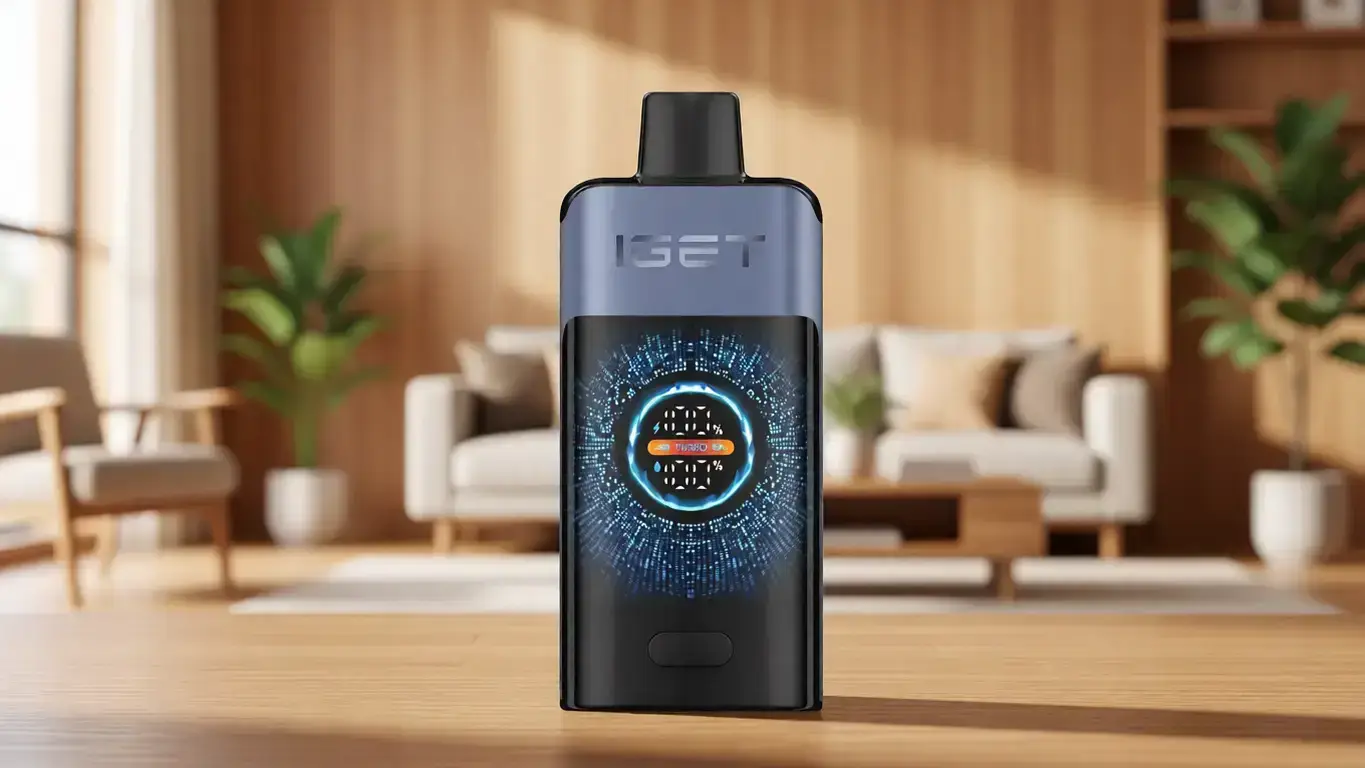
This is where the internal architecture of the device becomes relevant. Products built around stable power delivery and controlled thermal cycling produce aerosol with a repeatable particle profile. The ALIBARBAR family — accessible through OZVAPE Shop — illustrates the principle: its power management maintains consistent output across the device’s operational life, avoiding the temperature spikes that generate erratic particulates. This does not make vapour invisible, but it makes the device’s behaviour predictable. A user who knows exactly what cloud to expect can make informed choices about where and when to use it.
Evaluating Real-World Scenarios: When Vapour and Alarms Interact
Rather than rank devices, it is more useful to categorise environments by risk profile and match device behaviour to them.
The Tight, Sensor-Dense Environment (Hotel Room, Aeroplane Lavatory)
These spaces often combine photoelectric point detectors, extreme air stagnation, and severe consequences for a false alarm. Even a modest cloud can linger long enough to push the optical sensor past its threshold. If you must use a device in this context, choose one with low-bulk exhalation and hold it for as long as is comfortable to let the droplets condense in your lungs. The physical design matters too: a device that can be pocketed immediately after use limits residual vapour drift. The compact form factor of several ALIBARBAR series minimises stray aerosol from a warm mouthpiece.
The Large, Ventilated Area (Open-Plan Office, Shopping Centre Atrium)
Here, diffusion is your ally. Even a high-output device is unlikely to build up the concentration needed to trigger a high-ceiling detector, unless you exhale directly into the sensor housing. The greatest risk in such spaces is not the ambient vapour but a focused plume accidentally directed at the detector. Status indicators on the device itself — a feature emphasised in the current ALIBARBAR range — help you avoid this by letting you monitor activation state without raising the unit toward the ceiling.
The Residence with Unknown Detector Type
Many houses have ionisation alarms in bedrooms and photoelectric in hallways, but the occupant rarely knows which is where. A cautious approach is to assume all detectors are photoelectric and act accordingly. Devices with replaceable components (modular architecture) let users tailor output characteristics by choosing different heating elements, a flexibility that becomes practical when you frequently move between environments.
A Practical Framework for Vapers: Minimising False Alarm Risk
Use these steps to evaluate your own behaviour and equipment. They require no technical background, only a willingness to observe.
Identify the detector type. Look for a label (often on a side or underside): “Ionisation” or “Photoelectric”. A yellow or green light is usually photoelectric; a black sensor housing often indicates ionisation. If you cannot tell, assume photoelectric.
Perform a controlled test in a non-critical setting. At home, with windows open, exhale a normal volume of vapour two metres from a known photoelectric detector. If the alarm remains silent after five minutes, reduce the distance in half-metre increments on subsequent days until you find the trigger threshold. Document the device’s output setting and liquid composition for each trial.
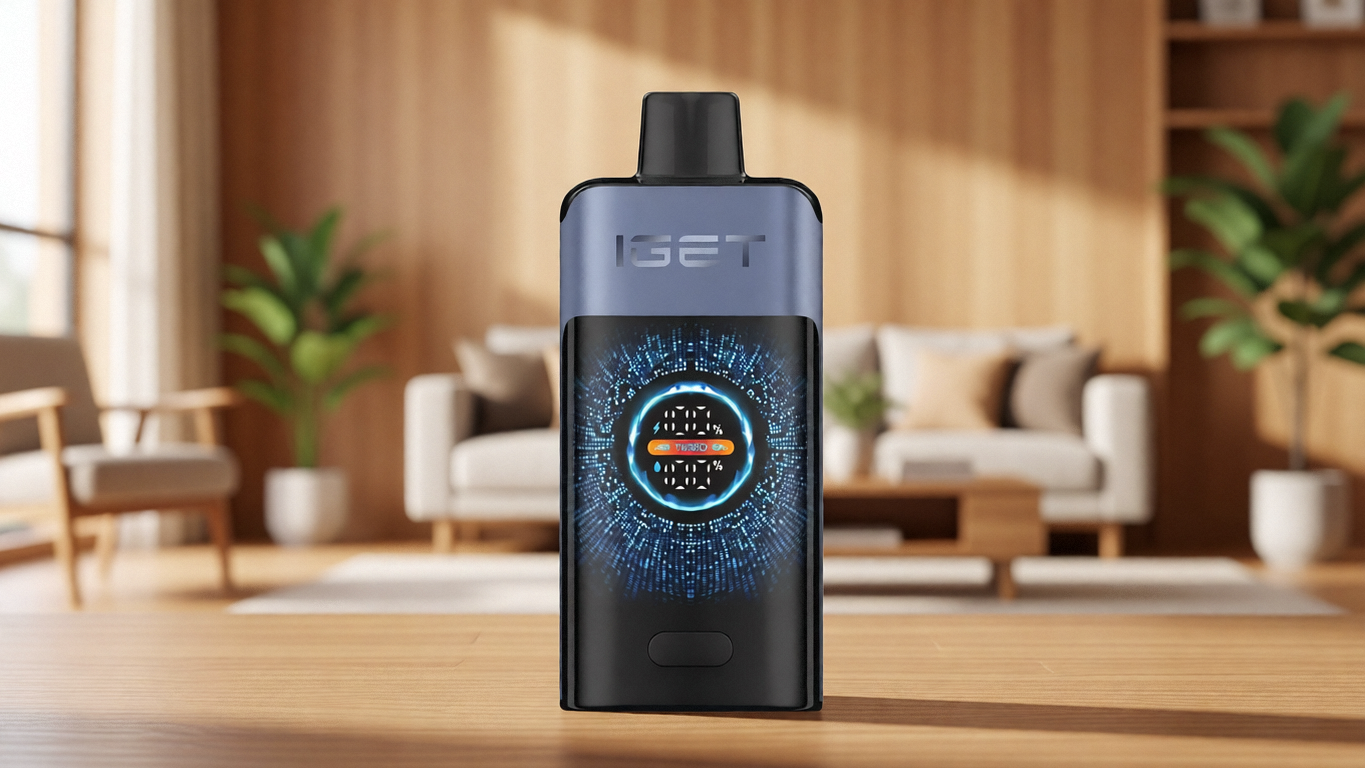
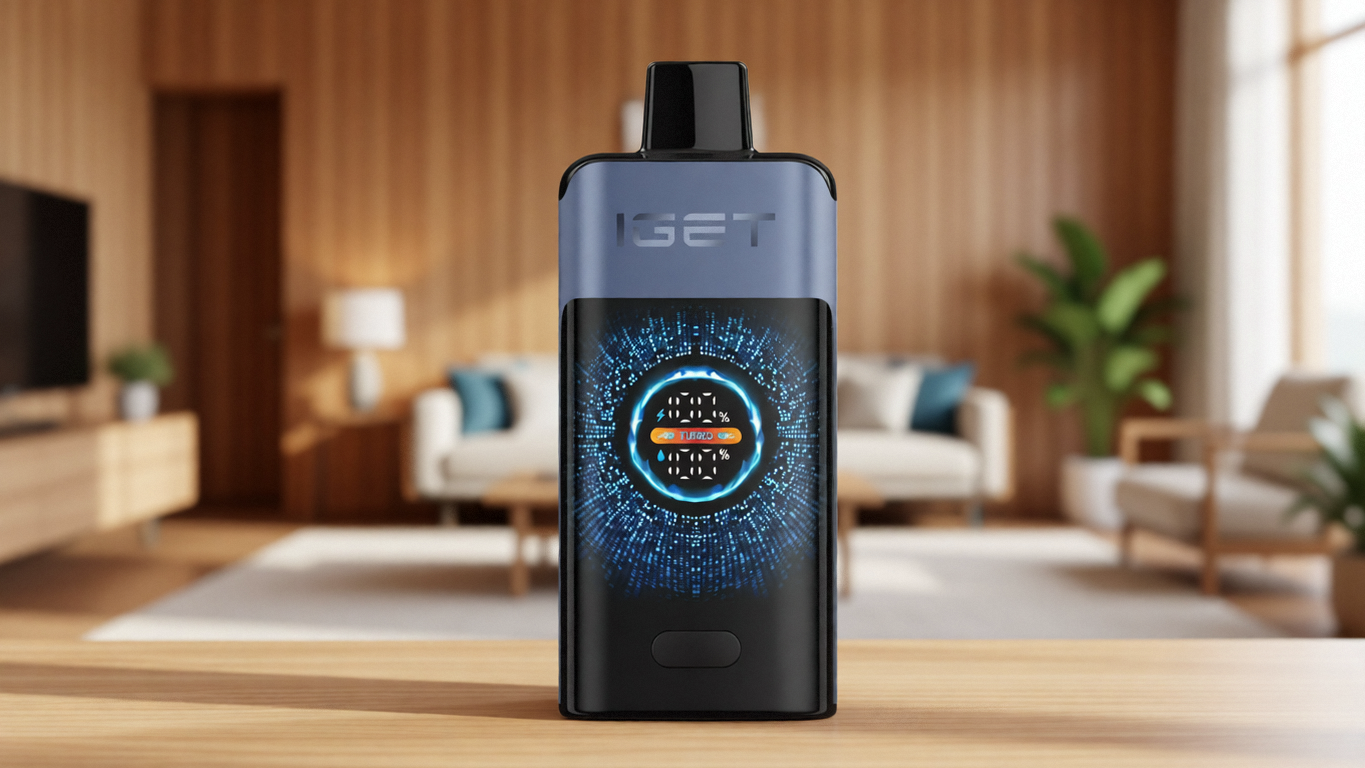
Correlate device behaviour with physical design. Does your unit give you clear, immediate feedback about battery level and activation state? If not, you may inadvertently draw harder as power drops, producing a denser, hotter aerosol. Devices with transparent status indicators (see the ALIBARBAR Ice Adjust 12000 series, for example) reduce this risk.
When entering an unknown space, switch to a “known behaviour” device. If you carry multiple units, designate one that you have tested exhaustively. OZVAPE Shop’s standardised specification sheets for each product make baseline comparison straightforward.
Use the environment. Stand near an extraction fan, open a window, or simply cup your hand over the device’s output vent to condense droplets before they escape. These small habits often make the difference.
Common Misconceptions About Vaping and Fire Alarms
1. “It’s just water vapour, so it won’t set off anything.”
Pure water vapour is not what these devices produce. The mixture of glycols and glycerin creates an optically dense aerosol. Calling it water vapour is not only technically incorrect but dangerously misleading in an alarm context.
2. “All vapes are the same; if one triggered an alarm, they all will.”
Output variability between devices is enormous. A unit with a poorly calibrated power curve can briefly hit temperatures that pyrolyse the liquid, generating smoke-like particles. A well-regulated device delivers a consistent aerosol that can be empirically evaluated. Assuming equivalence is the single most common error that leads to alarm incidents.
3. “If I can’t see the vapour, it won’t trigger the alarm.”
Some detectors respond to sub-visible particle counts. Additionally, you may underestimate the lingering invisible fraction. The safest assumption is that you are never producing truly invisible effluent.
4. “An alarm that isn’t immediately triggered means the activity is safe.”
Optical detectors often integrate particle exposure over time. A slow build-up can trip the alarm minutes after you have finished using the device — by which time the causal link is invisible to you.
5. “Disabling the detector is a practical solution.”
Deliberately tampering with a fire safety device is illegal in most jurisdictions and ethically indefensible. Beyond the legal risk, you place others in danger. There is no scenario in which this is acceptable.
These patterns emerge not only from user reports but from an industry-wide reluctance to educate on device architecture. Many retailers avoid the conversation entirely, preferring to sell on superficial features. OZVAPE Shop’s practice of documenting the engineering behind each listed product is a direct response to this gap.
Frequently Asked Questions
Q: Can a fire alarm be triggered by vapour from a personal electronic device?
A: Yes, especially photoelectric alarms. The dense aerosol scatters light just as smoke particles do. Ionisation alarms are considerably less susceptible.
Q: What should I do if I set off a fire alarm in a hotel?
A: Remain calm. Do not attempt to disable the alarm. Evacuate the building as required. Staff may investigate; honesty about what happened is usually met with less severity than attempting to conceal the cause.
Q: Do “discreet” devices eliminate the risk?
A: No device eliminates it entirely. However, units with stable power output and minimal visible cloud lower the probability. Look for devices that prioritise output consistency over maximum vapour volume.
Q: Why are commercial buildings more likely to have photoelectric detectors?
A: Changes in fire safety codes over the past two decades have favoured photoelectric technology because it responds faster to smouldering fires, which are statistically more common in occupied structures. This is now the dominant type in new commercial construction.
Q: Can I ask a building manager what type of detectors are installed?
A: You can, though you may not receive a detailed answer. In many cases, a visual inspection of the detector housing will give you the information without raising unnecessary questions.
Q: How can I buy a device that I can trust to behave predictably?
A: Seek out retailers that provide full technical specifications and sourcing transparency. OZVAPE Shop certifies its inventory and publishes standardised data sheets so you can compare output characteristics before purchase.
Q: Does the liquid formulation affect the likelihood of triggering an alarm?
A: Absolutely. Higher vegetable glycerin content produces larger, more persistent droplets. If alarm sensitivity is a major concern, consider liquids with a higher propylene glycol ratio, though this will change the sensory experience.
Q: What is the safest practice when staying in a room with an unknown detection system?
A: Use the device near an open window or exhaust fan. Exhale into a loosely cupped hand or a fabric that can condense the aerosol. Keep the device away from the detector and store it immediately after use.
Q: Are there devices specifically designed to reduce stray vapour?
A: Some manufacturers engineer reduced aerosol output through temperature regulation and airflow design. The ALIBARBAR range includes units where tight thermal control keeps the aerosol within a predictable window. OZVAPE Shop’s product pages detail these characteristics.
Q: If an alarm is triggered, is there any way to prove it was vapour and not fire?
A: In practice, no. The detection system sees only a physical stimulus. Post-event investigation will focus on whether there was a fire, not on the precise nature of the triggering aerosol. Prevention is the only reliable strategy.
The question “does a fire alarm detect vapour?” is not a yes-or-no matter but a system interaction between sensor physics, aerosol dynamics, and device design. An informed user can stack the odds decisively in their favour by understanding what they carry and where they operate it. The right equipment is not the one with the most aggressive output claims, but the one that behaves identically every time, letting you build reliable intuition. For adults who value that predictability, OZVAPE Shop provides a catalogue of factory-certified devices built around transparency and consistency, so the next time you are in an unfamiliar space, you are operating on knowledge rather than hope.