
VAPE FAQs
Can I Vape During Fasting For Blood Test?
Oct
The question of whether using a personal electronic device during a pre‑blood‑test fast affects diagnostic accuracy is more nuanced than many people assume. Standard medical advice focuses on food and beverage consumption, but the compounds introduced by heating and inhaling device formulations require separate consideration.
If you rely on a device during the day and have a blood test scheduled, understanding the physiological implications matters—both for the reliability of your results and for avoiding a cancelled appointment or a repeat draw.
What “Fasting” Actually Means for Blood Tests
Fasting for a blood test generally means abstaining from all calories—solid food, caloric beverages, and nutritional supplements—for a period of 8 to 12 hours before the draw. Water is usually permitted. The purpose is to establish a metabolic baseline: without recent food intake, your glucose, lipid, and other metabolic markers reflect your body’s steady‑state condition rather than a response to a meal.
Medical guidelines rarely mention inhalable devices because this consumption method did not achieve widespread adult use until relatively recently. As a result, clinicians do not always ask about it, and patients often assume that “it doesn’t count as eating or drinking.”
This assumption is worth examining.
Does Vaping Break a Fast? The Metabolic Perspective
From a strict metabolic standpoint, the vapour produced by heating device formulations is not a food, but it does introduce rapidly absorbable substances into the bloodstream. The key component of concern in most device formulations is nicotine, which triggers measurable physiological responses:
Nicotine elevates heart rate and blood pressure. This is transient, but a significant spike can influence cardiovascular markers if timed close to the blood draw.
Nicotine stimulates cortisol release. Cortisol is a stress hormone that affects glucose metabolism. Even a moderate increase in cortisol can raise blood glucose levels, potentially confusing the interpretation of a fasting glucose test.
Nicotine may increase free fatty acid levels. This has been documented in research examining nicotine’s effect on lipid metabolism. For a fasting lipid panel, this could introduce variance that does not reflect your true baseline.
Additionally, the propylene glycol and vegetable glycerin base of device formulations, when heated and inhaled, may cause minor local irritation but are not generally considered to influence systemic metabolic markers in a fasting context. The primary variable is pharmacological, not caloric.
The Real‑World Scenario: What Clinicians Typically Advise
I have discussed this with laboratory technicians and general practitioners in Australia, and the consensus is pragmatic:
For a comprehensive fasting blood test (including glucose and lipid panel), avoid using any inhalable device that delivers nicotine for at least 4 to 6 hours before the draw.
This is not a medical directive—it is an observation of what most responsible clinicians recommend to minimise interpretational ambiguity. The reasoning is straightforward: if your glucose comes back higher than expected, the doctor cannot immediately tell whether it reflects your true metabolic state or the acute effect of nicotine exposure an hour earlier.
For tests that are less sensitive to acute metabolic changes—such as a complete blood count, liver function tests, or kidney function panels—the influence of acute nicotine is smaller. However, there is no downside to erring on the side of caution for any fasting appointment.
The Hydration Factor
One often‑overlooked aspect of fasting for blood tests is the requirement to remain adequately hydrated. Dehydration can concentrate your blood, artificially elevating certain markers (hemoglobin, hematocrit, and some electrolyte levels). While water is permitted during a fast, many users mistakenly believe that water intake should be minimised along with food. This can worsen the effects of any device use: nicotine is a mild diuretic, and if you are already under‑hydrated, the combined effect may exaggerate blood concentration.
If you choose to avoid device use during the fasting window, you should also compensate by drinking water consistently throughout the day before the test.
When Complete Abstinence Is Definitely Required
There is one scenario where device use must stop entirely before a blood test: if the test is specifically measuring nicotine or its metabolite, cotinine. This is rare but occurs in certain insurance assessments, surgical pre-clearances, and workplace health programmes. In those cases, even a single puff within 24 to 48 hours can produce a detectable level, and the test is designed to flag any recent exposure.
A Practical Framework for Device Users
Based on the available evidence and clinical guidance, here is a straightforward protocol that balances the need for accurate test results with the reality of daily device use:
Confirm the tests being ordered. Call the collection centre or your GP and ask specifically: “Will the fasting test include glucose or lipid measurement?” If yes, plan accordingly.
Time your last use. Aim for a minimum 4‑hour abstinence before the draw for any device containing nicotine. If you usually wake up and use a device first thing, consider delaying that until after the test. A 6‑hour window is safer.
Hydrate properly. Drink water as usual during the fast. Avoid over‑hydration, but do not restrict water intake unnecessarily.
Be honest with the phlebotomist. If you used a device and forgot the timing, tell the person drawing your blood. They can note it on the requisition, and the reporting pathologist can account for potential interference.
Re‑schedule only if necessary. A single use of a device is unlikely to invalidate most tests, but if the result comes back outside the reference range and your doctor cannot explain it, the next step is a repeat draw—this time with a full fasting protocol that includes device abstinence.
Frequently Asked Questions
Q: Will using a zero‑nicotine device affect my blood test?
A: The direct metabolic influence is much smaller because the primary pharmacological agent (nicotine) is absent. However, the act of inhaling vapour can still cause a mild stress response in some individuals. For a fasting glucose or lipid test, avoiding all device use for 2–4 hours is still a prudent practice.
Q: How long before a blood test should I stop using my device?
A: For the most reliable results, stop at least 4 to 6 hours before the draw. For tests that include glucose or lipid measurement, a longer window is better.
Q: Does vaping count as “eating” or “drinking” in the medical sense?
A: No, but it is not considered inert. Medical fasting guidelines were developed before the widespread use of personal inhalable devices, so current advice extrapolates from the known pharmacology of nicotine. It does not constitute eating or drinking, but it can still influence specific analytes.
Q: Will the doctor know I have been vaping if I don’t tell them?
A: Unless a specific nicotine/cotinine test is ordered (which is rare for routine fasting panels), standard blood work does not detect device use. However, unexplained elevations in glucose or cortisol may prompt further questions.
Q: Can I brush my teeth or use mouthwash during the fast?
A: Yes, these are permitted. They involve no caloric intake or significant pharmacological absorption.
Q: What about using the device while waiting in line for the blood draw?
A: This is inadvisable. The acute physiological response to nicotine peaks within 5–15 minutes after inhalation. Using a device just before the draw is the single worst timing scenario for test accuracy.
Q: Should I disclose my device use to my doctor?
A: It is a good idea. Full disclosure allows your doctor to interpret results with complete context. Many adults today use some form of personal electronic device, and a good clinician will note it without judgment.
Q: Is there any research specifically on vaping and blood test fasting?
A: Direct research is sparse, as the literature on inhalation‑based nicotine delivery and fasting metabolic markers is still developing. Current advice is based on the known pharmacology of nicotine and clinical experience. Expect more specific guidelines in the coming years.
A Final Perspective on Informed Decision‑Making
The question of whether to use a device during a fasting window comes down to a fundamental principle: minimise variables you can control. The fasting blood test is a diagnostic tool designed to give your doctor a clean, reproducible picture of your metabolic health. Introducing any substance that causes acute physiological changes—even transient ones—reduces the clarity of that picture.
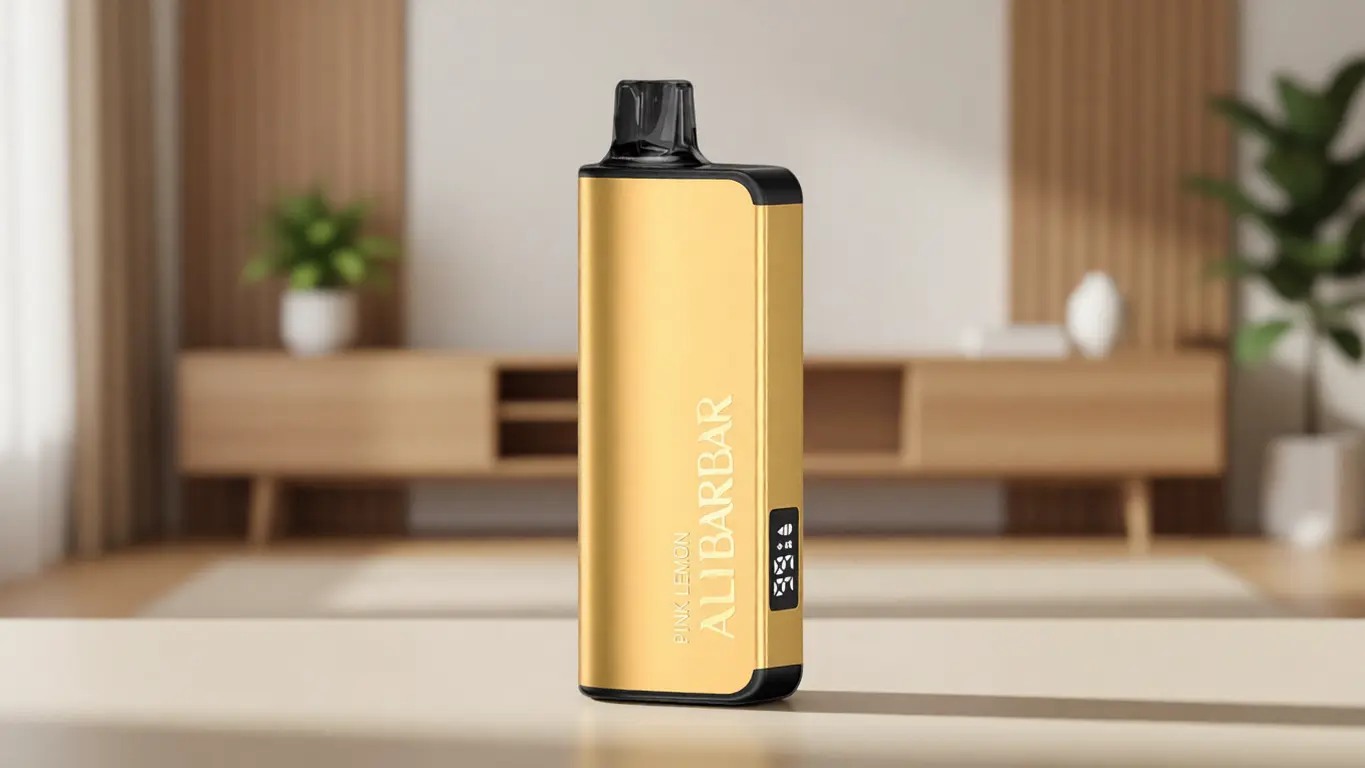
At OZVAPE Shop, our role is not to provide medical advice, but to ensure that users have access to well‑documented, consistent product information that allows them to make informed choices in every context—including clinical ones. The ALIBARBAR product range is engineered to deliver predictable, controlled output, and understanding how that output interacts with your body across different situations is part of being a responsible adult user.
The right choice for your blood test is the one that gives your doctor the clearest data. If that means a few extra hours without your device, the trade‑off is negligible compared to the value of accurate results.