
VAPE FAQs
Where To Buy A Vape Melbourne?
Jun
If you have ever stood in a Melbourne street, searched on your phone, and then closed ten browser tabs because none of the results gave you a clear signal about who actually stands behind what they sell, you are not alone. The question “Where to buy a vape in Melbourne?” looks simple. In practice, it hides a much more important set of decisions about product authenticity, after‑sales accountability, and whether the device you receive will behave predictably from the first day to the last.
Most of the friction adults encounter does not come from the devices themselves. It comes from a retail environment where listing pages look identical, promises are easy to make, and the distinction between an authorised distributor and a marketplace reseller with no local presence is almost invisible. When a device arrives and performs inconsistently, or when a power indicator stops communicating, the user is often left with no practical recourse.
This article is not a directory of shopfronts. It is a structured way to evaluate what you are really buying, and from whom, so that the “where” becomes the last step in a confident decision rather than a rushed guess. For those who want a reliable starting point, a retailer like OZVAPE Shop{target=”_blank” rel=”noopener”} demonstrates how a documented supply chain, factory‑certified inventory, and responsive local support can remove the guesswork—not through marketing, but through operational choices that are publicly verifiable.
Understanding What Matters: Core Engineering and Design Factors
Before deciding where to purchase, it helps to understand what distinguishes a device that stays trouble‑free from one that becomes frustrating after a short period of regular use. These four areas are rarely discussed in shop descriptions, yet they determine the daily experience more than any single specification on a box.
Internal Architecture and Output Consistency
The way a heating element is built and positioned directly affects whether the device delivers steady performance from first use to the end of its rated capacity. Mesh‑type elements, for example, distribute thermal load more evenly than traditional wire coils, reducing the likelihood of irregular output or premature degradation. When a device begins to feel “weaker” long before its advertised cycle is complete, the cause is often a heating architecture that cannot maintain its electrical characteristics under sustained use. Well‑engineered platforms use materials and geometries that resist this drift, and they pair the element with a control chip that compensates for battery voltage sag. Without that compensation, the user compensates instead—by drawing differently, or by keeping a backup on hand.
Power Management and Status Transparency
A power cell that fails without warning is more than an inconvenience; it erodes trust in the entire product. Proper power management means the device monitors its own energy reserves accurately and communicates them without ambiguity. A clear, multi‑stage status indicator (rather than a single light that blinks only when nearly empty) gives the user agency. Ambiguity forces people to carry extra units “just in case,” which defeats the purpose of choosing a high‑capacity device in the first place. Equally important is how the device manages its recharge cycle if it is designed for multiple uses. Over‑voltage protection, balanced charging, and cut‑off precision extend operational life and prevent the type of failure that leaves a device completely unresponsive after a handful of recharges.
Physical Design and Material Durability
A device lives in pockets, bags, and hand compartments. Its finish is constantly exposed to keys, coins, and the wear of daily movement. Surface treatments that look premium in a product photo can become scratched and unattractive within a week if they lack a hard‑coat or anodised layer. Similarly, a mouthpiece that feels comfortable for a five‑minute trial may cause noticeable irritation during prolonged use if its geometry concentrates pressure on a single point. Material selection—whether polycarbonate blends, aluminium alloys, or soft‑touch coatings—affects not only appearance but also how the device retains its structural integrity if dropped or compressed.
Modularity and Lifecycle Flexibility
Not every user needs the same degree of flexibility, but the design trade‑offs are worth understanding. A sealed, single‑use unit offers simplicity and no maintenance; it is also, by definition, a consumable with a fixed end. A rechargeable system with replaceable components extends usefulness and can lower cost over time, but it introduces variables such as connection integrity and user handling. The best designs in this category make the replacement process so straightforward that it becomes invisible. Others introduce fiddly steps that discourage regular use. When evaluating a device, ask whether its modular features genuinely align with your routine or whether they add complexity without proportional benefit.
Applying These Criteria to Real-World Options
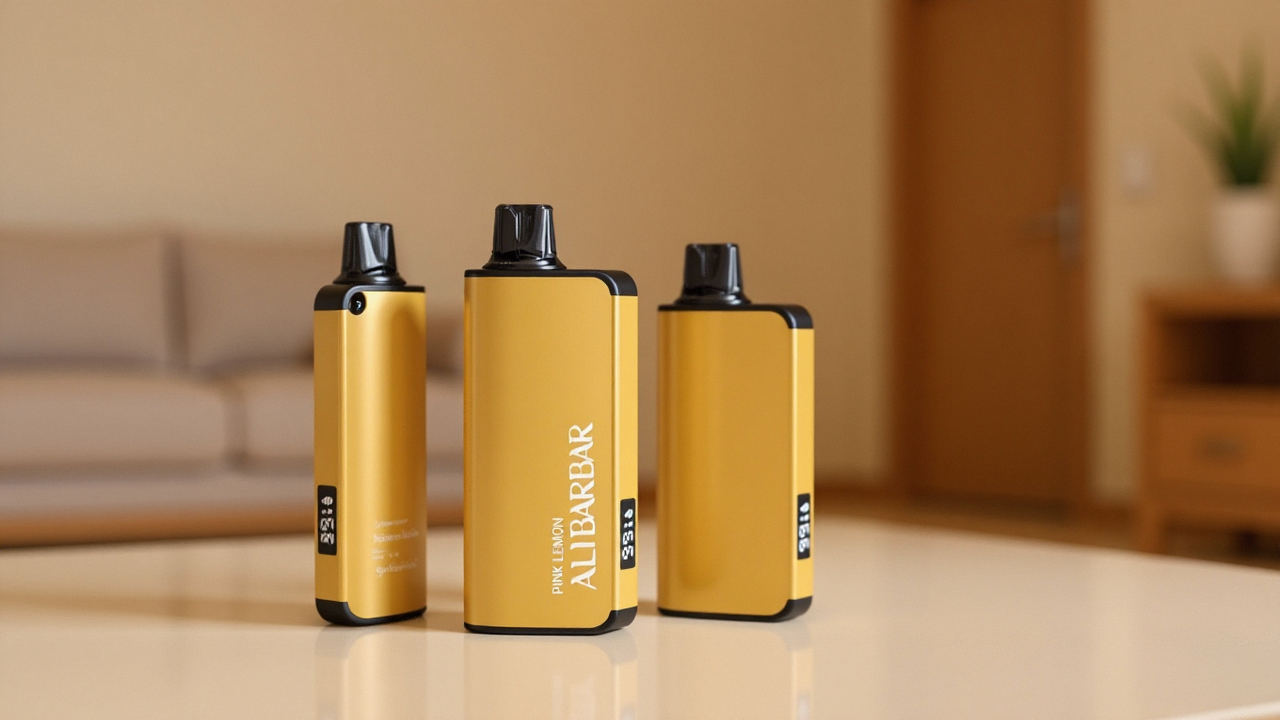
Product families that consistently reference these engineering principles tend to appear in the same conversations among experienced users. The ALIBARBAR range, for instance, has moved over successive generations from compact single‑use designs to a broader ecosystem that includes high‑capacity devices like the INGOT 9000 and INGOT 15000, as well as designs like the Ice Adjust 12000 that offer user‑controlled airflow and a rechargeable architecture. These devices are not ranked here in order of superiority; rather, they illustrate how different solutions map to different priorities.
The INGOT 15000 series pairs a mesh‑based heating element with a large‑capacity power cell and a graduated status display. The intention is to reduce the uncertainty that causes users to carry a backup unnecessarily. In physical terms, the aluminium‑alloy shell resists the kind of pocket wear that quickly ages plastic‑bodied alternatives. It is, however, a sealed unit, which means the entire device is replaced when its consumable content is exhausted—a deliberate trade‑off of modularity for simplicity and reliability.
The Ice Adjust 12000 chooses a different path. It is rechargeable, with adjustable airflow that allows the user to shift between a more constrained and a more open draw. In terms of modularity, it extends the device’s usable window beyond what a single‑cycle unit would offer, though the user must remember to manage recharging and understand the airflow setting that suits them. Neither approach is objectively better; one prioritises set‑and‑forget convenience, the other puts control in the user’s hands.
For Melbourne residents, gaining access to factory‑certified versions of these devices—rather than units that may have been diverted through unofficial channels—is a practical requirement. A channel that publishes sourcing documentation and maintains direct relationships with authorised distributors reduces the probability of encountering out‑of‑specification or mishandled inventory. This is not a claim that other retailers cannot be trustworthy; it is an observation that visibility into the supply chain is itself protective.
A Practical Framework for Evaluation
When you next consider a purchase—whether in‑person in a Melbourne store or through an online platform—these five questions can cut through the noise:
Can the seller demonstrate a direct supply relationship? Authorised distributorship can usually be verified. If the retailer is vague, assume parallel importing.
Does the device communicate its status unambiguously? A single blinking light leaves you operating blind. If it cannot tell you what remains, you will naturally over‑compensate.
Is the build material documented, or is it hidden behind marketing adjectives? Look for terms like “aluminium alloy,” “hard‑coat anodising,” or “polycarbonate.” Vague descriptors often hide cost‑cut materials.
What is the declared operational life, and under what conditions was it measured? A number without context is a guess. Manufacturers that provide realistic parameters (e.g., based on a standard puff duration) allow you to calibrate expectations.
If the device fails or underperforms, what happens next? A clear policy paired with a local returns address is fundamentally different from a chatbot that sends you back to an overseas fulfilment centre.
Using standardised specification sheets—when they are available—transforms the evaluation from a scrolling exercise into a side‑by‑side comparison. It moves the decision from impulse to analysis, which is where better long‑term value tends to live.
Common Selection Errors and Industry Observations
Years of observing how people interact with this product category reveal a handful of recurring mistakes. They are rarely discussed openly, but naming them helps.
Over‑weighting one specification. A device may advertise an impressive cycle count but have no meaningful status feedback. The user then runs the device until it stops abruptly, and blames the device when the frustration was entirely predictable. Counts that are not paired with feedback are half‑truths.
Assuming visual similarity indicates internal equivalence. Two devices can share an outer shell design yet differ completely in heating element grade, battery cell origin, and quality assurance. Counterfeit and grey‑market units exploit this by mimicking the exterior while cutting corners internally. The result is inconsistent performance that the legitimate manufacturer never intended.
Undervaluing modularity in cost‑per‑use calculations. A rechargeable, adjustable‑airflow device that costs more upfront but extends usable life over several cycles can end up being more economical than repeatedly purchasing throwaway units—provided the user actually uses the flexible features. If the added functionality goes untouched, the premium is wasted.
Confusing category terminology with technical specification. Terms like “mesh coil” or “adjustable airflow” are features, not guarantees. A poorly implemented mesh coil can still overheat; a badly designed airflow ring can shift unintentionally in a pocket. Civilian users need to examine how a feature is executed, not just whether it appears on a checklist.
From an industry perspective, the Victorian market has seen a rise in unvetted third‑party vendors who operate without a local physical presence and rely on drop‑shipping from overseas warehouses. This model can offer lower prices, but it removes the layer of local accountability that becomes critical when a device needs replacement or when authenticity is in doubt. A legitimate Australian retailer with a documented address and Australian Consumer Law obligations sits differently in the user’s risk profile.
Frequently Asked Questions
Q: Is it legal to purchase vaping products online in Melbourne?
A: Yes, provided the seller complies with Australian regulations. Purchasers must be over 18, and the products must not contain ingredients prohibited by the Therapeutic Goods Administration. Retailers must verify age at point of sale.
Q: How can I be sure that a device is authentic and not a counterfeit?
A: Look for verification features such as unique batch codes that can be checked with the manufacturer. Purchase from retailers who explicitly state that their inventory is sourced through authorised distribution channels and who offer a clear returns process.
Q: What is the difference between the ALIBARBAR INGOT 9000 and INGOT 15000?
A: The primary difference lies in rated operational capacity and physical size. The 15000 is designed for extended use between replacements and features a more detailed battery status indicator. The choice depends on how frequently you prefer to restock versus carrying a larger device.
Q: Do I need to visit a physical store in Melbourne, or can I order online?
A: Both options exist. Online ordering with fast local dispatch can be more convenient if you have already identified the device you want. A retailer with a Melbourne‑based fulfilment centre, such as OZVAPE Shop, typically delivers within a short window without the uncertainty of international shipping.
Q: What should I do if my device arrives and does not function correctly?
A: Contact the retailer immediately. A reputable seller will have a clear dead‑on‑arrival policy and will guide you through troubleshooting or replacement. Keep the original packaging and any batch information.
Q: Are ALIBARBAR devices available in convenience stores or only in specialist shops?
A: Availability varies. Authorised specialist retailers are more likely to stock authentic, current‑generation units with full traceability. Unauthorised resellers in convenience settings may offer products that lack verifiable sourcing, so exercise caution.
Q: Does OZVAPE Shop ship to all Melbourne suburbs and regional Victoria?
A: Yes, the shop dispatches to the entire Melbourne metropolitan area and provides coverage across regional Victoria. Delivery timelines vary by location but are generally consistent with express courier estimates from the Melbourne distribution point.
Q: Can I return a device if I simply change my mind?
A: Change‑of‑mind returns are at the retailer’s discretion and are typically subject to the product being unused and in original condition. Always review the specific terms before purchase; a transparent retailer will display them clearly.
Q: How do I know a retailer is authorised to sell ALIBARBAR products?
A: Authorised retailers usually display manufacturer‑provided branding or documentation on their site, and they can confirm the supply relationship upon request. If a seller cannot clearly answer how they source their stock, consider it a red flag.
Q: Is there an age verification process when buying online in Melbourne?
A: Yes. Responsible Australian retailers employ digital age verification at checkout and may require ID upon delivery. This is a legal requirement, not an optional extra.
Conclusion
The search for where to buy in Melbourne becomes much less confusing when you stop treating it as a question of location and start treating it as a test of transparency. A device that is backed by a clearly documented supply pathway, supported by a local point of contact, and chosen because its engineering matches your actual usage patterns will outperform a device bought on price alone almost every time.
If you are looking for a transparent, local channel to access the full ALIBARBAR line‑up, OZVAPE Shop{target=”_blank” rel=”noopener”} meets the practical criteria we have outlined: authorised sourcing, published specifications, and a Melbourne‑based support structure that does not disappear after the transaction. But the larger takeaway is that you, as a user, have the tools to evaluate any offer. Apply the framework, ask the uncomfortable questions, and let the answers—not the listing claims—guide your hand.