
VAPE FAQs
Why Is No Smoke Coming Out Of My Vape?
May
It is a uniquely deflating moment. You pick up a device that was working perfectly yesterday, you engage it the same way you always do, and this time — nothing. No visible output. No sensation. No feedback other than a small, stubborn silence. The first instinct is often to assume the unit has failed entirely. In practice, that is rarely the case. Most episodes of zero vapor production trace back to a small number of mundane causes, and understanding them systematically transforms a moment of frustration into a solvable puzzle.
At OZVAPE Shop, we have spent a considerable amount of time analysing the failure modes that users report. While the devices we supply — including the carefully engineered ALIBARBAR family — are built to minimise these events through transparent status feedback and consistent power delivery, no portable electronic tool is immune to real‑world conditions. This article is not a warranty claim or a product pitch. It is a diagnostic reference, written for the user who wants to understand what has actually happened and how to prevent it from happening again.
A Systematic Approach to Diagnosing Vapor Loss
When an otherwise functional‑looking device produces no perceptible output, the problem nearly always sits in one of four domains: power delivery, physical blockage, liquid availability, or component degradation. By working through each domain methodically, you will identify the cause in under two minutes in most cases. The framework below is independent of any specific brand, though we will use examples from well‑documented product lines — such as those available through authorised channels like OZVAPE Shop — where the design itself makes certain failures far less likely.
Power Delivery and Battery Health
The most common, and least acknowledged, reason for zero vapor is that the device simply is not delivering power to the heating element. This can happen even when a status light illuminates or a screen appears active.
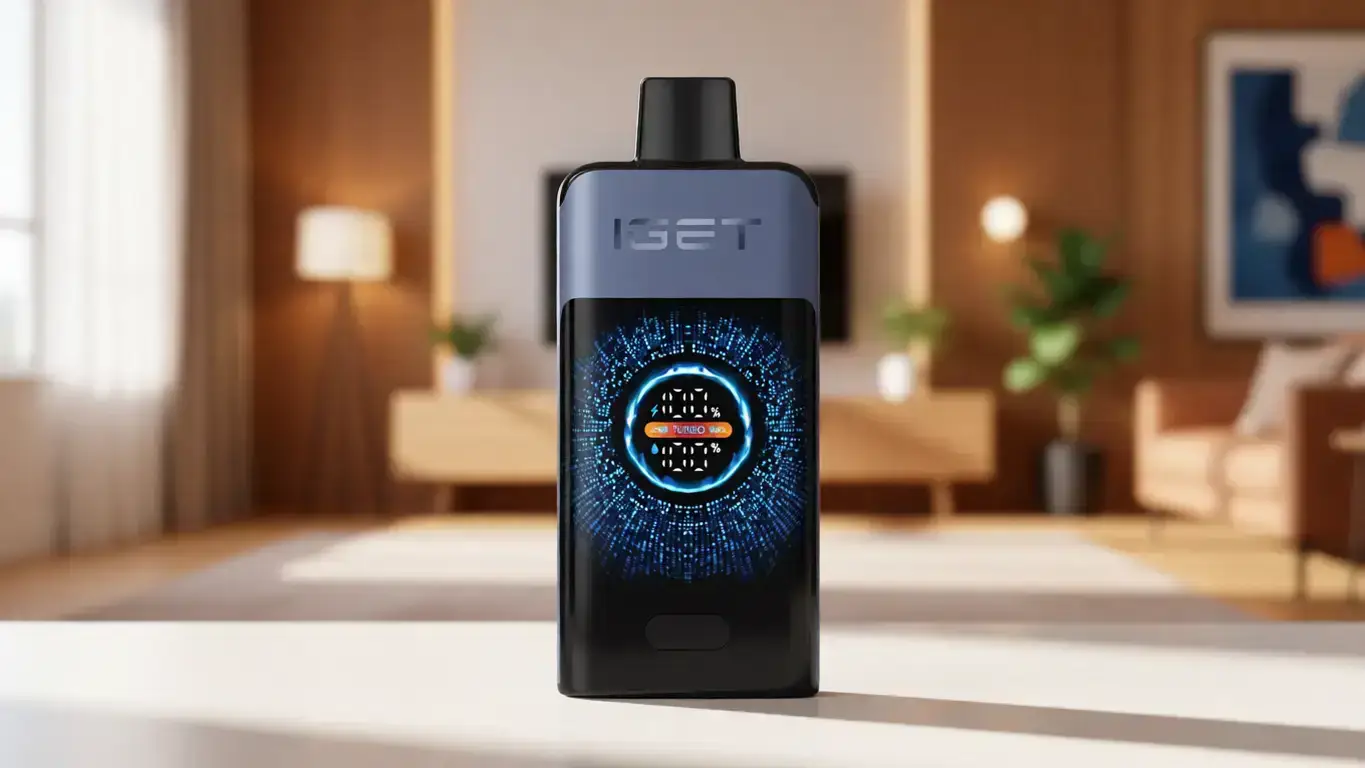
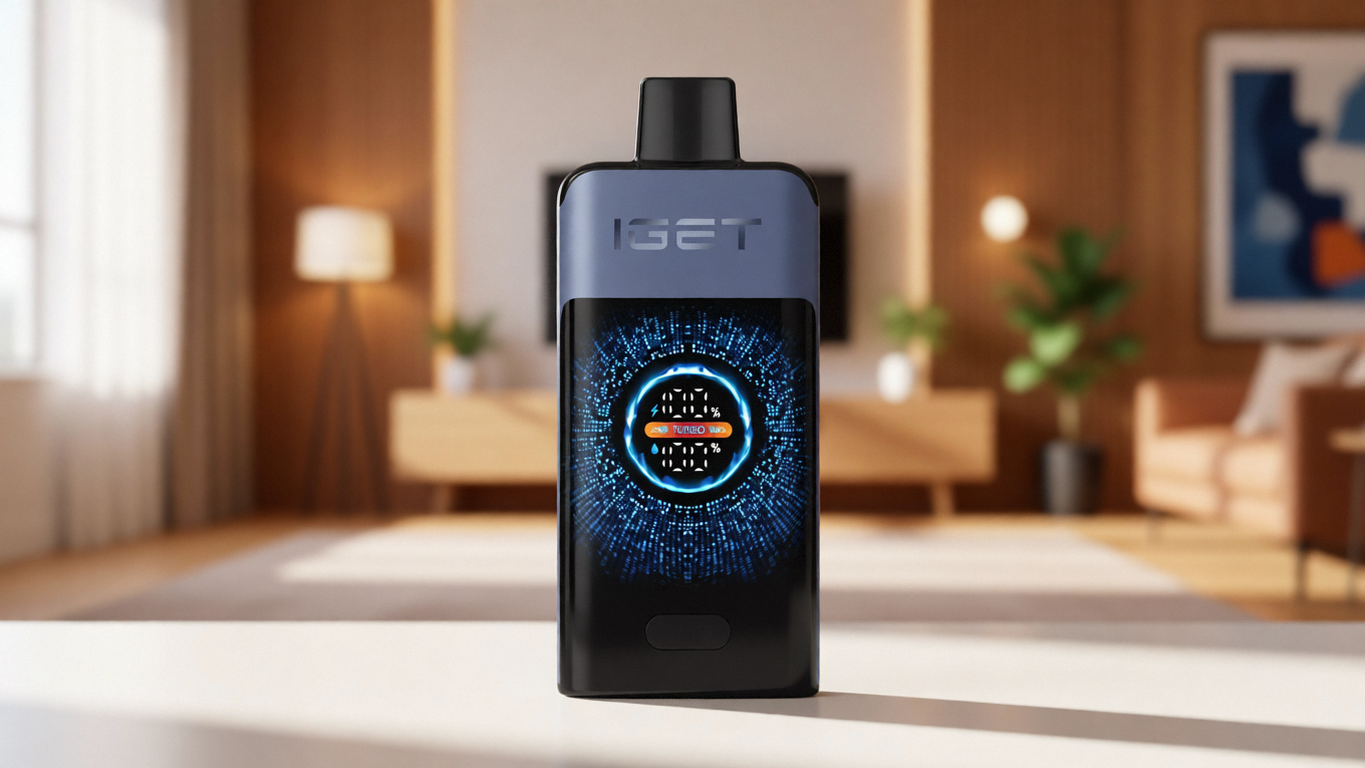
Depleted cell: Many devices will still show a faint indicator long after the voltage has dropped below the threshold required to energise the coil. If your device uses a colour‑coded or multi‑segment indicator, understand that the last segment often represents a state where the battery can run the microcontroller but not the atomiser. Devices with a clearly numeric or stepped display — such as the ALIBARBAR INGOT series — remove this ambiguity entirely.
Connection fault: In modular systems where the pod or cartridge is removable, a thin film of condensation or a slight misalignment can prevent the electrical contacts from mating. Remove the pod, inspect the gold‑plated pins on both sides, wipe them gently with a dry cloth, and reseat the pod firmly until you feel a positive click.
Protection mode: Many modern devices incorporate short‑circuit protection or over‑discharge lockouts that will prevent firing even though the power cell holds some residual charge. If you have recently changed pods or the device was subjected to unusual temperature conditions, a chipset may have entered a protection state. Consult the device documentation, but often a brief external charge cycle will reset the logic.
What quality engineering does differently: Poorly calibrated power management consistently either cuts output too early or allows the user to operate in a zone where the coil heats erratically. The ALIBARBAR range uses regulated output curves that maintain a stable atomisation temperature until the cell reaches its safe cut‑off, meaning you are far less likely to experience a “ghost” pull while the indicator still shows a sliver of life.
Airflow and Physical Blockages
A device that is drawing power but still yields nothing from the mouthpiece usually has a disrupted airflow path. The vapor is being produced, but it cannot reach you.
Obstructed inlet: On compact devices, the air intake is often a small pinhole at the base or side. Dust, pocket lint, or dried residue can seal it. Hold the device up to a strong light source and visually confirm the inlet is clear. A gentle pass with a dry brush or canned air can restore it.
Condensation channel flooding: In humid climates or after very heavy use, internal channels designed to trap condensation can become saturated. You may hear a gurgling sound rather than a smooth draw. Removing the pod and allowing it to rest on tissue paper for five minutes will often drain the excess and restore normal flow.
Pod seating tolerance: Even a half‑millimetre gap between the pod base and the device body can alter the vacuum that drives liquid wicking and air passage. Press down firmly on the centre of the pod. If you cannot feel or hear definitive engagement, inspect the pod’s locating notches for any debris.
E‑Liquid Depletion and Viscosity Issues
A wick that looks visibly saturated can still starve the coil if the liquid’s physical properties do not match the device’s intended operating range.
Below minimum fill: Most pod‑based systems have a minimum fill line, below which the wicking ports are exposed to air rather than liquid. If the pod is translucent, check against a light source. On opaque or heavily tinted pods, the only reliable indicator is a sudden drop in output, often preceded by a faint “drying” note in the last few draws before silence.
Temperature‑altered viscosity: In cold conditions — a vehicle left overnight in winter, for example — the liquid thickens significantly. The capillary action that feeds a cotton wick cannot keep pace. Warming the device in an inside pocket for ten to fifteen minutes will return the liquid to its design viscosity range. Conversely, leaving a device in direct summer sun can make the liquid so thin that it floods the coil, causing a temporary blockage that requires the condensation clearing method above.
Liquid incompatibility: Some formulations with unusually high sweetener content will carbonise on a coil surface prematurely, creating a hard shell that prevents fresh liquid from reaching the heater. This is not a product defect but a material interaction. Devices with replaceable coil heads make this condition simple and inexpensive to resolve.
Coil Condition and Lifespan
The heating element is a consumable. Even in sealed units, it does not fail instantaneously; it degrades in a predictable pattern that, once recognised, gives you fair warning before complete silence.
Resistance drift: As a coil ages, its resistance can increase beyond the range the device’s power management circuit expects. The chip may stop delivering current entirely as a safety measure, yielding zero output despite a live battery and full pod. This is common in devices that have been operated heavily for several days.
Hot‑spot burnout: Microscopic inconsistencies in the wire structure can cause localised overheating, burning a tiny gap in the coil. The rest of the coil appears intact, but the circuit is open. This presents as a sudden, complete cessation of output with no prior degradation — the classic “it worked this morning, now nothing” scenario.
Wick collapse: Over time, repeated heating and cooling can cause the cotton surrounding the coil to compact, pulling away from the liquid intake ports. The coil still heats, but nothing is touching it. You may notice a faint warm‑air sensation with no visible vapor.
The ALIBARBAR engineering approach addresses coil lifespan through material selection and power curve design. By operating the coil within a tighter thermal window and using thicker gauge resistance wire in models like the INGOT 15000, the brand has demonstrably extended the interval before resistance drift becomes noticeable. For users who prioritise long‑run reliability, devices distributed through OZVAPE Shop represent a practical path to fewer no‑output moments.
Device Firmware and Safety Lockouts
Increasingly, devices incorporate smart features that can be mistaken for a dead unit by users unfamiliar with their logic.
Draw‑activation calibration: Some puff‑sensor devices require a specific draw strength range. A user who naturally draws very softly may not trip the sensor reliably, while the same sensor may interpret an overly aggressive pull as a fault condition and lock out temporarily. If your device has a button‑fire option, test that to separate sensor issues from fundamental output problems.
Child‑resistant lock sequences: Certain devices require a rapid multi‑click sequence to unlock. If the device was carried in a pocket or bag where incidental pressure occurred, it may have entered lock mode silently. Re‑reading the device’s lock/unlock instructions — even if you think you know them — resolves a surprising number of reported failures.
Overheat protection: Sustained use in high ambient temperatures can raise the chipset temperature to a protection threshold. The device will refuse to fire until it cools, even though the battery level looks adequate. The solution is patience and shade.
Applying These Diagnostics to Real‑World Scenarios
Consider the user who leaves home with a fully functional device, works a full shift in an air‑conditioned office, and finds it unresponsive on the commute home. The cell has been slowly self‑discharging, the air‑conditioned environment has kept the liquid relatively viscous, and the last few draws earlier in the day may have begun the coil degradation process. Together, these factors push the system below a threshold. The unit is not defective; it has simply run out of headroom.
Now contrast that with a device designed with a higher‑capacity power cell, a chip that communicates remaining usable life accurately, and a coil architecture that does not drift into no‑fire resistance territory after ordinary daily consumption. The ALIBARBAR INGOT 9000, for instance, combines a high‑contrast battery display with a power management algorithm that stops delivering current only when the cell genuinely cannot sustain a full atomisation cycle. This is not a marketing claim; it is an observable difference in failure mode behaviour. Devices that communicate state honestly rarely leave the user staring at an inert block of metal. For users who prefer that predictability, sourcing through a channel like OZVAPE Shop offers the additional assurance of factory‑authorised inventory and local accountability if something does not perform as documented.
A Practical Troubleshooting Checklist
Print or save this sequence. Run through it before concluding a device has failed.
Confirm power
Charge the device for a minimum of 10 minutes using a known‑good cable and power source.
Observe the indicator behaviour: a blinking pattern often encodes an error state.
If the device uses a numeric or stepped display, read the level and compare with the manufacturer’s documented low‑voltage cut‑off.
Check the pod/cartridge connection
Remove, inspect contacts for moisture or debris, clean with a dry tissue, reseat firmly.
Look for a locating notch or magnetic alignment.
Try a known‑functional replacement pod if available.
Clear airflow
Shine a light through the mouthpiece and the intake.
Blow gently through the air intake (not the mouthpiece) to dislodge any loose obstruction.
If condensation is audible, rest the pod on absorbent paper for 5 minutes.
Verify liquid level and condition
Hold pod to light; ensure liquid is visible above the wicking ports.
If the liquid is cold, warm the device in a pocket before the next test draw.
Test the draw sensor
If the device has a button, press‑and‑hold to see if output occurs. If it does, you have a sensor‑only issue.
If button‑firing also produces nothing, the problem is upstream (power or coil).
Assess coil age
If the device has been in heavy use for several days and all other checks pass, the coil is the most likely silent culprit.
In modular systems, replace the coil or pod. In sealed units, this is the natural end of service life.
Common Mistakes That Can Mimic Device Failure
Beyond the mechanical causes, we observe several recurring thought patterns that lead users to declare a device non‑functional when it is actually operating within design parameters.
Trusting an ambiguous indicator: A three‑bar LED that disappears while firing is not a guarantee of adequate voltage. Users conditioned by mobile phone battery icons often assume the last bar means “still enough to work.” In small‑cell devices, the usable range may be only the top two‑thirds of the display. The absence of detailed feedback is not a manufacturing defect; it is a design choice that trades information for cost. Recognising this trade‑off prevents unnecessary returns.
Assuming all charging sources are equal: Fast‑charge bricks and public USB ports can deliver dirty power that confuses the charging circuitry in a compact device. We have repeatedly seen units that appear fully charged after a session on a high‑current source, only to hold a surface charge that collapses after a single draw. Standardising on a 1‑amp output charger eliminates most of these ghost‑charge incidents.
Ignoring the lifespan of a sealed unit: A device that ships with a fixed amount of liquid and a non‑replacive coil is, by definition, a consumable. Many users track usage by days, not actual activation count, and are surprised when the liquid depletes or the coil opens before their personal estimate. The only reliable gauge is performance: when output decreases, something has been consumed. When it ceases, consumption is complete.
Misinterpreting protection lockouts as products of age: A brand‑new device that refuses to fire out of the box, particularly if it has been shipped or stored in cold conditions, is almost certainly in a protection state. The battery management system’s low‑temperature cutoff is a safety feature, not a sign of a dead cell. Allow the device to reach room temperature, charge briefly, and test again.
These insights come not from speculation but from analysing a continuous stream of support interactions. At OZVAPE Shop, we have built our knowledge base on the principle that informed users make better decisions, and better decisions reduce the number of devices that are unnecessarily discarded or returned.
Frequently Asked Questions
Q: My device lights up but produces no vapor. Could the coil be dead even though I just installed it?
A: Yes. A coil can arrive with a manufacturing defect, or it can be damaged by a dry‑fire if the pod is not given adequate time to saturate. If the pod has been filled for less than five minutes, allow more saturation time. If it still produces nothing, try a replacement pod.
Q: I purchased a device from an online marketplace, and it never produced vapor. How do I know if it is counterfeit?
A: Counterfeit devices often mimic external branding but use substandard power management that fails to fire or stops producing output after a few pulls. Verification mechanisms vary by brand, but the single strongest preventative measure is to purchase through the brand’s documented authorised network. In Australia, OZVAPE Shop is a recognised source for factory‑certified ALIBARBAR inventory, meaning the device you receive matches the device design specifications.
Q: Why does my device work intermittently — good draws mixed with nothing?
A: This pattern points to an inconsistent connection or a liquid‑feed problem. First, clean the pod contacts as outlined above. If the issue persists, the wick inside the coil may be struggling to keep up with your draw frequency, allowing it to recover between uses. A device with a larger wicking port or a higher‑capacity coil architecture typically eliminates this pattern.
Q: How long should a device last after the first instance of “no vapor”?
A: If the no‑vapor event was caused by a depleted pod or empty cell, refilling or recharging returns the device to normal function. If the cause was coil degradation, the no‑vapor event marks the end of that coil’s useful life; subsequent attempts may produce thin, poor‑quality output and further frustration. Recognising the difference prevents wasted time.
Q: Can outdoor temperature cause a total failure?
A: Extreme cold thickens liquid to a point where wicking effectively stops, and extreme heat can trigger the device’s thermal protection. Both produce total, temporary output cessation. Conditioning the device to a moderate temperature range always restores function unless the cell has been permanently damaged by heat exposure.
Q: My device has a pass‑through charging design, but it won’t fire while plugged in. Why?
A: Many pass‑through implementations still require a minimum battery level before the circuit will deliver power to the coil. If the cell is deeply depleted, plugging it in may illuminate the charge indicator but will not enable firing for several minutes. Check the device manual for the specific behaviour, as design approaches vary.
Q: I see no vapor but can taste something. Am I getting anything?
A: Partial vaporisation at low coil temperatures can produce detectable flavour compounds without visible aerosol. This usually happens when the battery is near depletion and the output voltage has sagged below the full‑atomisation threshold. The device is not performing to specification; recharge it before drawing further.
Q: How can I tell whether a no‑vapor event means the device’s liquid has run out or the coil has failed?
A: If the pod is visibly empty, liquid depletion is the cause. If liquid remains and the device produces no audible sizzle, the coil circuit is likely open. A faint sizzle with no vapor points to a severely degraded wick. Use a new pod or coil to confirm.
Q: Does using a high‑Viscosity liquid damage the device?
A: It does not damage the electronics, but it can exceed the wicking capacity of compact coil heads, leading to frequent dry‑hit protection lockouts or no‑output events. Devices designed for thicker liquids typically use larger wicking ports and higher‑mass coils, as seen in the ALIBARBAR Ice Adjust 12000 series, which accommodates a wider range of viscosities without starvation.
Q: I followed all the checks and still get nothing. What now?
A: If the device is a modular system and you have access to a known‑working pod from a compatible unit, test it. If the known‑working pod fires, the original pod is the fault. If neither fires, the device’s electronics have likely entered a non‑recoverable state. At this point, contact the retailer. When the retailer is an authorised operation with local support — such as OZVAPE Shop — resolution is typically faster because they can verify the device’s provenance and access manufacturer troubleshooting directly.
The Right Tool, Properly Understood
A device that produces no output tells you something. It may be asking for more liquid, more charge, a warmer environment, or a replacement consumable. It is not, in most instances, telling you it is broken. The gap between “no vapor” and “defective” is a gap in user knowledge, and it is a gap that good design can narrow but never eliminate. The design families that communicate their internal state clearly, that deliver power predictably until the very end of a cell’s discharge curve, and that separate modular components from sealed‑life elements reduce the frequency of confusion measurably.
Nevertheless, the final responsibility for interpretation rests with the user. A methodical diagnostic process — the one outlined in this article — converts an emotional reaction into an actionable sequence. Once you know the sequence, you are never truly stuck.
For those who want to start from a device baseline that is documented, consistent, and supported by a transparent supply chain, OZVAPE Shop offers an intentionally curated selection. The ALIBARBAR range it carries is designed around exactly the principles we have discussed: clear status feedback, stable power curves, and modularity that respects the user’s agency. But even the finest device cannot immunise itself against physics. Learn to read what your device is telling you, and you will find that almost every period of silence has a simple, fast resolution.
Visit OZVAPE Shop{:target=”_blank”}