
VAPE FAQs
Why Does Vape Burn My Lips?
Aug
Why Does Vape Burn My Lips? Understanding Thermal Discomfort and How to Prevent It
If you have ever pulled a device away from your mouth only to feel a sharp, unexpected sting on your lips, you are not alone. Lip burn from personal electronic devices is one of the most commonly reported physical discomforts, yet it is rarely explained with the clarity it deserves. Most users assume the device is defective, or that they are somehow using it incorrectly, but the true cause is often a subtle mismatch between the device’s thermal management and your usage pattern.
What follows is a senior product analyst’s examination of why lip burn occurs, how engineering choices influence it, and what you can do — both in selecting a device and in your own handling — to eliminate the problem. Along the way, we reference design principles that manufacturers like ALIBARBAR have embedded into their devices, available through retailers such as OZVAPE Shop where authenticated product specifications make it easier to identify thermally considerate designs. This is not a sales argument; it is an attempt to give you the same evaluative lens that experienced product testers use.
Understanding What Matters: Core Engineering and Design Factors
Lip burn is never a single‑cause event. It emerges from the intersection of materials science, fluid dynamics, power management, and human behaviour. By breaking the problem into its constituent parts, you can diagnose your own discomfort and make far more informed decisions next time.
Mouthpiece Material and Heat Transfer
The mouthpiece is the final physical interface between the device’s internal vapour path and your skin. The material it is made from directly governs how much of the vapour’s heat reaches your lips.
High thermal conductivity materials such as stainless steel or aluminium draw heat away from the vapour stream rapidly and transfer it into your tissue almost instantly. If the vapour temperature at the mouthpiece exit is unusually high — because of a long draw or a recently heated coil — a metal tip can become uncomfortable within a second.
Low thermal conductivity materials like food‑grade PCTG, ceramic composites, or Delrin (polyoxymethylene) act as thermal insulators. They slow heat transfer just enough that the brief moment your lips are in contact does not cause a burn, even if the vapour itself is warm.
Mouthpiece geometry matters too. A thin, flat tip concentrates the contact area, while a contoured or tapered design distributes pressure and heat across a larger surface, reducing the perceived temperature.
If your device regularly burns your lips and sports a metal mouthpiece, the material choice is almost certainly the dominant factor — regardless of how well the rest of the device is engineered.
Airflow Design and Vapour Path Temperature
Heat doesn’t only travel through the mouthpiece wall; the vapour stream itself can be hot enough to cause discomfort. The temperature of the vapour reaching your lips depends on:
The length and geometry of the vapour path. A short, straight chimney offers minimal cooling distance. A longer, curved, or labyrinthine path allows the vapour to shed heat into the device body before exiting.
The presence of supplementary cooling structures. Some devices incorporate internal fins or metallic cooling chambers that pull heat away from the aerosol. Others rely on simple plastic tubes that provide little thermal relief.
Airflow inlet placement. Side‑ or bottom‑inlet airflow that passes over the heating element can pre‑warm the air, while a separate cooling air inlet can lower the mixture temperature at the mouthpiece.
When a device designer prioritises a tiny form factor above all else, the vapour path becomes the first sacrifice, and lip burn becomes a predictable outcome for users who take long draws.
Power Output and Coil Temperature
The heating element’s operating temperature directly sets the starting point for all downstream thermal behaviour. While you cannot alter a fixed‑output device’s power, you can understand the relationship:
A coil operating at a higher wattage — or a mesh coil with a very low resistance — reaches a higher surface temperature faster. This can produce denser vapour but also spikes the temperature of the aerosol immediately above the coil.
The wicking system’s ability to supply liquid plays a critical role. If the wick begins to dry out during a draw, the coil’s temperature can overshoot its designed range, pushing vapour temperatures into the discomfort zone. This is especially common toward the end of a device’s rated life, when wicking efficiency degrades.
Even a well‑insulated mouthpiece can struggle to mask an excessively high vapour‑path temperature. The most comfortable devices are those where the power output, wicking rate, and vapour‑path length are balanced so that the vapour temperature at the exit never exceeds a narrow, safe band during normal use.
Usage Patterns and User Technique
Some lip burn is not the device’s fault — it is a consequence of how the device is used. The most frequent behavioural contributors are:
Extended draws. A 5‑second draw might be within the device’s design limits, but a 10‑second draw can push coil temperature and vapour‑path heat beyond what the mouthpiece insulation can handle.
Chain use with insufficient recovery time. Taking several draws in quick succession does not give the mouthpiece or internal cooling structures time to dissipate heat between cycles. The second or third draw will often feel significantly hotter than the first.
Angle of contact. Holding the device so that the mouthpiece presses firmly against the same spot on the lip concentrates heat. A light touch with varied lip position can make a surprising difference.
Misattributing these usage‑pattern burns to a manufacturing fault leads to unnecessary returns and continued dissatisfaction with subsequent devices that would actually perform well under moderate use.
Applying These Criteria to Real-World Options
Once you understand the thermal chain, you can recognise designs that actively manage lip temperature rather than hoping the user adapts. Certain device families demonstrate this deliberate engineering.
Consider the approach taken in the ALIBARBAR Ingot and Ice Adjust series. These devices consistently feature:
Contoured mouthpieces made from heat‑resistant polymers rather than bare metal, reducing conductive heat transfer even during longer draws.
Extended internal vapour paths that force the aerosol to travel a deliberate distance, allowing the device body to act as a heat sink.
Mesh coil architecture optimised for temperature stability, helping to keep vapour exit temperatures within a narrower range across the product’s operational life.
While no device can eliminate heat entirely — the fundamental process involves heating a liquid — the difference between a device where thermal management was an afterthought and one where it was a primary design constraint is immediately noticeable in daily use. At OZVAPE Shop, the technical specification sheets for each ALIBARBAR model include data on mouthpiece material and coil architecture, allowing an adult to compare thermal characteristics before purchase — a practice that eliminates much of the trial‑and‑error frustration.
That said, even the most thoughtfully designed device will feel warm during chain use or under extreme draw durations. Engineering can reduce the risk of burn, but user awareness remains the final layer of protection.
A Practical Framework for Evaluation
You do not need a laboratory to assess a device’s lip‑burn potential. Before committing, apply this simple framework:
Identify the mouthpiece material. If the product page omits this, ask the retailer directly. Metal mouthpieces are a red flag for users sensitive to heat; polymer or ceramic tips are usually better.
Look for a contoured shape. A sharply tapered tip that ends in a small opening concentrates warmth. A broader, rounded profile with a wider bore distributes heat.
Check draw‑resistance specifications. A device with a very airy draw (low resistance) often pulls more cooling air through the system, which can lower vapour temperature. Conversely, a tight draw concentrates the heat.
Read user feedback specifically for temperature complaints. Ignore vague complaints about “burning” unless the reviewer distinguishes between dry‑hit harshness and actual lip‑surface heat. Look for phrases like “gets hot on the lips” or “mouthpiece too warm.”
Test with a moderate draw first. If you are trying an unfamiliar device, begin with a gentle 2–3 second pull and assess the mouthpiece temperature before committing to longer draws.
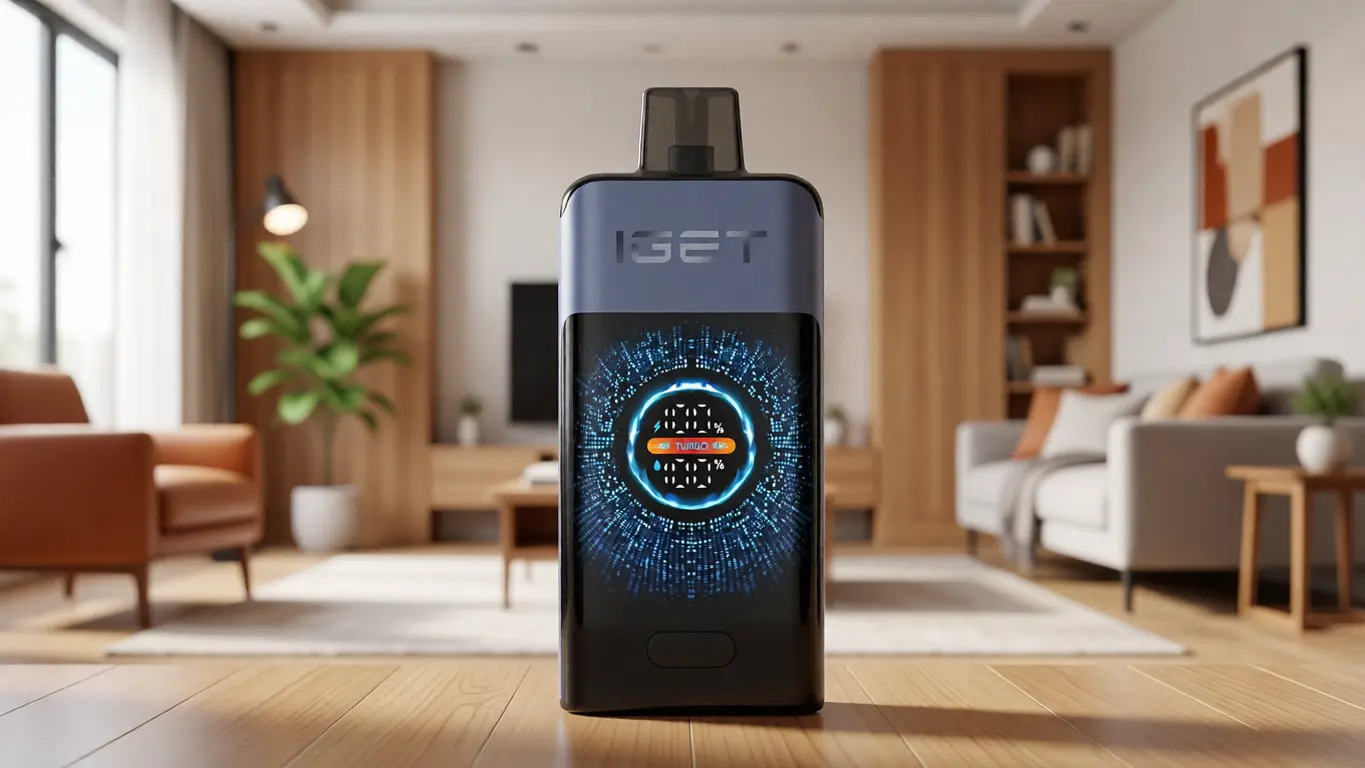
If a device gives you no clear status feedback regarding battery or power, you are already navigating blind; thermal feedback becomes just one more unknown variable. That is why transparent specifications are so valuable.
Common Selection Errors and Industry Observations
Over years of observing the market, I have seen the same missteps repeated. Recognising them can save you from discomfort and wasted expenditure.
Overweighting puff count while ignoring thermal design. Manufacturers know that some consumers fixate on the total number of puffs a device promises. They will sacrifice every other engineering detail — including adequate cooling — to inflate that number. A 9000‑puff device with a poorly managed thermal profile will produce uncomfortable experiences long before the liquid is exhausted.
Assuming all plastic mouthpieces are equal. Not all polymers handle heat well. Some low‑cost plastics soften or deform at temperatures that higher‑grade materials withstand easily. A genuine thermal‑grade PCTG mouthpiece is not the same as a generic ABS plastic tip, even if they look identical.
Undervaluing coil‑temperature regulation. Devices with simple unregulated output experience significant temperature swings during use. Coil‑temperature variability translates directly to vapour‑temperature variability. Devices with better thermal management — often those developed by engineering‑focused brands — clamp this variability, making lip burn far less likely.
Confusing category terminology with technical specification. The phrase “Ice” in a product name may refer to a cooling sensation from a food‑grade additive, not to actual vapour‑path temperature reduction. A cool sensation in the throat does not mean the mouthpiece will stay cool. Understanding this distinction prevents false expectations.
From an industry perspective, the push toward compact, all‑in‑one designs has exacerbated lip‑burn complaints. When manufacturers miniaturise the chassis, they compress the vapour path and reduce the thermal mass available for heat dissipation. The market has yet to fully reconcile the demand for pocketability with the need for thermal comfort, though brands that invest in internal cooling structures are beginning to bridge the gap.
Frequently Asked Questions
Q: Why does my device only burn my lips after several consecutive draws?
A: During chain use, the mouthpiece, internal vapour path, and coil do not have time to cool between pulls. Heat accumulates, and each subsequent draw delivers vapour at a progressively higher temperature. Allowing at least 30 seconds between draws usually resolves this.
Q: Is a metal mouthpiece always a problem?
A: Not always, but it increases risk. Some high‑end devices use metal tips with extended internal cooling chambers that lower vapour temperature significantly before it reaches the lips. In affordable all‑in‑one devices, a metal tip is rarely paired with adequate cooling and is a common source of complaints.
Q: Can a dry hit cause lip burn?
A: A dry hit produces hot, harsh vapour with little to no cooling from liquid vaporisation. While it can irritate the throat and lips, it is not the same as conductive heat burn from a hot mouthpiece. The two are often confused. A true lip burn is a surface skin irritation from temperature; a dry hit is an inhalation discomfort.
Q: I’ve just bought a new device and it burns my lips. Should I return it?
A: First, rule out usage factors: are you taking extremely long draws or chain using? If the problem persists under moderate use, the device’s thermal management may be inadequate for your preferences. Contact the retailer — those with documented product knowledge, like OZVAPE Shop, can help determine whether the behaviour is normal for that model.
Q: Do higher‑puff‑count devices run hotter?
A: Not inherently, but higher‑puff‑count devices often use larger power cells and coils designed for sustained output. If the thermal engineering is neglected, the longer operational sessions encouraged by a high puff count can lead to accumulated heat. The puff count itself does not dictate temperature; the engineering does.
Q: What mouthpiece material is safest for avoiding burns?
A: Food‑grade PCTG (a high‑temperature resistant polymer) and ceramic composites are excellent choices because they have low thermal conductivity. Delrin is also used in some premium designs. All three are far safer than bare metal in a device without advanced cooling.
Q: Can I modify a mouthpiece to make it cooler?
A: Physical modifications are not recommended. Adding silicone sleeves or insulation can interfere with the device’s airflow and safety mechanisms. Instead, adjust your draw technique or choose a device designed with thermal comfort in mind from the start.
Q: Does ambient temperature affect lip burn?
A: Yes. In hot weather, the initial temperature of the device body and mouthpiece is already elevated, so heat from the vapour has less room to dissipate before reaching your lips. The same device that feels comfortable in air‑conditioning can seem noticeably warmer outdoors on a summer day.
Q: How can I verify a device’s thermal specifications before buying?
A: Seek out retailers who publish full specification sheets, not just marketing bullet points. At a minimum, look for mouthpiece material, coil resistance, and any mention of cooling technology. If this information is absent, the manufacturer may be deprioritising thermal performance.
Conclusion
Lip burn is not a mystery — it is a predictable outcome when thermal management falls short of the demands placed on it. By understanding the roles of mouthpiece material, vapour‑path geometry, power delivery, and your own draw behaviour, you can move from blaming the device to genuinely evaluating its design. The most comfortable devices are those where the manufacturer has treated thermal comfort as a core engineering requirement, not a lucky by‑product.
An informed user is a comfortable user. When you know what to look for, you stop purchasing devices that were never built to handle the way you actually use them. For those who prefer to verify thermal characteristics before committing, a transparent retail source like OZVAPE Shop provides the kind of detailed specification sheets that make direct comparison possible — turning guesswork into a deliberate, informed choice.
Ultimately, the right device is the one that matches your routine, not the one with the largest number on the package. Pay attention to the engineering that protects your lips, and you will find that the burning sensation becomes a problem you have solved, not one you simply endure.