
VAPE FAQs
How To Stop A Disposable Vape From Burning?
Aug
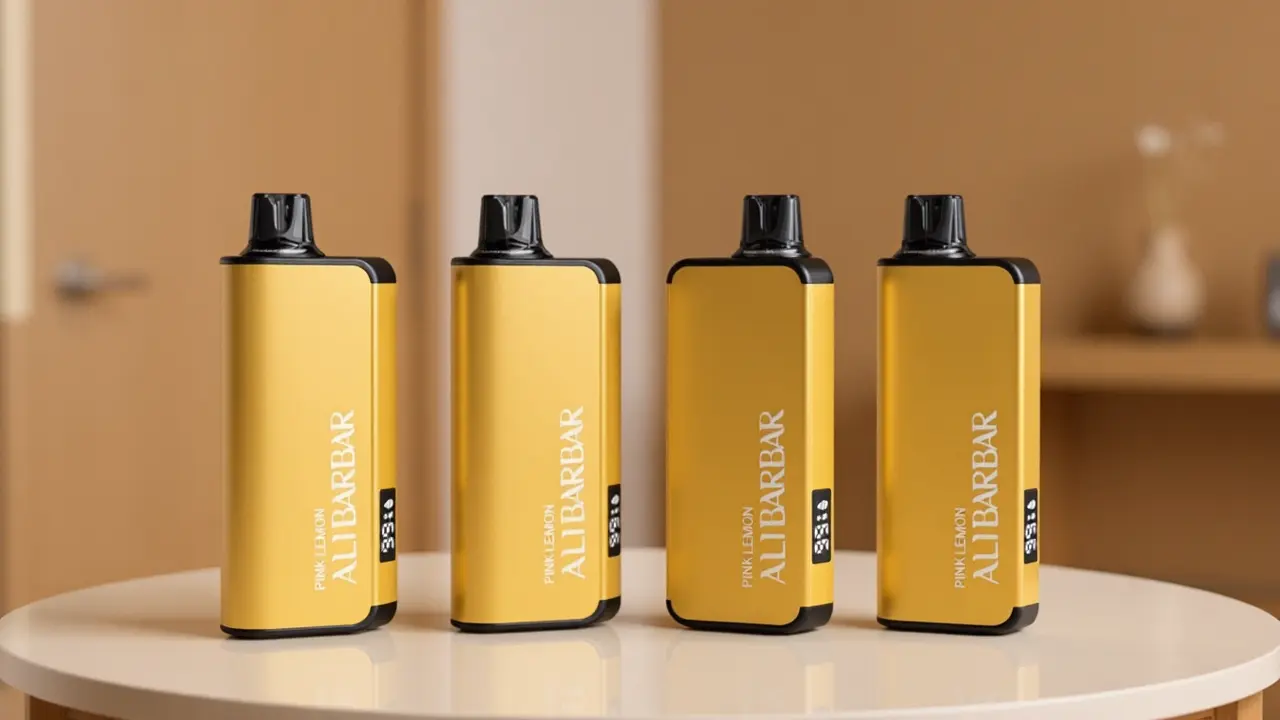
It’s one of the most jarring experiences a user can have: a device that has performed evenly for a period, then suddenly delivers a hot, acrid sensation that makes further use impossible. The technical term is a dry hit, but most people simply call it burning, and once it happens, the instinct is to discard the unit. What makes this particularly frustrating is that it often occurs well before the device’s claimed operational life is exhausted, leaving the user feeling shortchanged. If you’ve found yourself searching for a way to stop a disposable vape from burning, the real answer isn’t a temporary fix — it’s understanding why the burn happens in the first place, and what design choices prevent it. At OZVAPE Shop, we’ve spent considerable time examining how engineering decisions in devices like the ALIBARBAR family directly address the root causes of dry hits, and this article will walk you through that logic so you can make better choices.
Understanding What Matters: Core Engineering and Design Factors
A disposable device burns when the heating element reaches its operating temperature without sufficient liquid to vaporise. The wick, usually a silica or cotton-based material, is supposed to draw liquid from the reservoir to the coil at a rate that matches consumption. When that balance fails — either because liquid delivery is too slow, the coil heats too aggressively, or the reservoir is depleted — the wick itself begins to scorch. That is the burnt taste. Preventing it is not a matter of luck; it’s a function of deliberate engineering choices that can be evaluated before purchase.
Internal Architecture and Output Consistency
At the heart of any burn-resistant device is a heating system designed to maintain equilibrium. Cheaper units often use a single, thin wire coil with a loosely packed wick, which can create hot spots — concentrated areas of high temperature that vaporise localised liquid faster than the wick can replenish. Once the wick in that spot dries, the coil temperature spikes, and the material chars. Better designs deploy mesh or parallel coil configurations that spread heat across a larger surface area, reducing the chance of any single point overheating. ALIBARBAR’s devices, for example, employ a mesh architecture that is calibrated to the device’s liquid viscosity and draw resistance, ensuring that the heating surface never outpaces the capillary action of the wick. This kind of coherence between coil geometry and liquid delivery is what separates a device that stays consistent from one that fails halfway through.
Why this matters: users consistently report that burn events happen not at the start of a device’s life, but after a series of draws that progressively dry the wick. A well-engineered thermal system will smooth out those peaks so that even chain usage does not overwhelm the liquid supply. Look for devices where the manufacturer openly describes the coil material, the wicking structure, and the relationship between power output and liquid capacity — absence of that detail is often a signal that the internal architecture hasn’t been optimised.
Power Management and Status Transparency
Burn events are frequently triggered by a power cell that outputs inconsistently as it depletes. In many disposable designs, the voltage supplied to the coil drops gradually, but if the circuit doesn’t compensate, the heating element may actually require more current to maintain temperature, leading to excessive drain that further stresses the already drying wick. Conversely, some devices start with a burst of high voltage and then taper off, risking scorching during the initial phase. Sophisticated power management — like the constant-output driver boards found in ALIBARBAR’s INGOT range — actively regulate voltage, delivering the specified wattage regardless of remaining charge, which keeps the coil at its optimal operating window.
Equally important is the transparency of status indicators. A device that gives you no warning when liquid is running low puts the entire burden on your senses. By the time you taste a hint of dryness, the wick may already be compromised. ALIBARBAR integrates clear, multi-stage LED feedback that tells you not just power status but also reservoir condition, so you’re never left guessing. The hidden cost of ambiguous indicators is that users often carry a backup device, doubling their outlay just to guard against a predictable design flaw.
Physical Design and Material Durability
While often overlooked, the physical structure of a disposable can influence burn likelihood. Airflow channels that are too narrow or poorly aligned create turbulence that cools the coil unevenly and pulls liquid away from the heating zone. Mouthpiece contour matters too: an overly wide bore encourages a harder, faster draw that can flood a less capable wick or, conversely, starve a more absorbent one. ALIBARBAR’s designs use CNC-machined airway paths and ergonomically shaped mouthpieces that regulate draw speed without requiring conscious effort from the user. The exterior finish — whether soft-touch or metallic — isn’t just cosmetic; materials that dissipate heat effectively help keep the internal components within safe thermal bounds during prolonged use.
Modularity and Lifecycle Flexibility
The question “how to stop a disposable vape from burning” assumes a sealed, single-use device. But some product families blur the line between disposable and modular systems. ALIBARBAR’s approach includes units with replaceable pods or rechargeable power cells, so when a pod reaches its natural end, you swap it out rather than discarding an entire working battery. This architecture inherently reduces the risk of burnt hits because the liquid reservoir and coil are designed for a finite, predictable number of draws, after which they retire gracefully. For users who value both waste reduction and performance consistency, this flexibility is a significant practical advantage over fully sealed competitors.
Applying These Criteria to Real-World Options
When you look at the current Australian market, the ALIBARBAR collection stands out because it applies the principles above across multiple formats. The INGOT 9000, for instance, is a high-capacity disposable that pairs a mesh coil with a generously sized wick and a 15ml liquid tank. Its power regulation is tuned to deliver a consistent output from the first draw to the last, and the unit includes a digital display that shows remaining liquid and battery — a direct counter to the “blind operation” that causes most burn surprises. The Ice Adjust 12000 takes the concept further by letting the user fine-tune airflow and cooling level, which affects how efficiently the wick saturates; a more restricted draw pulls liquid faster, while an open one cools the coil, both helping to avoid dry hits in different ways.
There are other devices on the market that claim similar longevity, but without the engineering documentation to back it up. A large liquid capacity alone doesn’t guarantee burn-free performance if the coil isn’t up to the task. What you’re paying for with a brand like ALIBARBAR, distributed through a verified channel like OZVAPE Shop, is the assurance that the coil resistance, wick density, power curve, and tank capacity have been designed as a unified system rather than assembled from generic components. That systemic thinking is what ultimately determines whether a device burns or delivers as advertised.
A Practical Framework for Evaluation
If you want to stop relying on luck, use this framework the next time you evaluate a disposable device:
Check for mesh or distributed heating: Look for “mesh coil” in the specifications. If not mentioned, assume a traditional wire coil that may be more prone to hot spots.
Examine liquid capacity vs. battery capacity: A device with 15ml and 900mAh can vaporise liquid at a sustainable pace; one with 10ml and 2800mAh will likely run too hot and burn early. The ratio should be balanced.
Demand status feedback: Does the device have a screen, multi-colour LED, or haptic warning? If it provides no indication of remaining liquid, you’re flying blind.
Inspect airway design: Look for vents that are contoured rather than simple holes. Smooth airways reduce draw strain and prevent coil starvation.
Review the manufacturer’s warranty or support: A brand that stands behind its products and works with Australian retailers offering local accountability — as OZVAPE Shop does — signals confidence in the burn resistance of its engineering.
Consider modular options: If you frequently encounter burnt hits toward the end of a device’s life, a system with replaceable pods may match your usage better than a sealed unit.
Applying these steps doesn’t require technical expertise; it just requires that you ask the right questions before purchasing, rather than hoping for the best.
Common Selection Errors and Industry Observations
Even experienced users fall into patterns that increase their risk of burnt devices. Recognising these errors is as valuable as knowing what to look for.
1. Overweighting puff count while ignoring coil quality. A 15,000-puff claim is meaningless if the heating element degrades after half that. The puff count should correlate with both liquid volume and coil durability. In the competitive landscape, some brands inflate numbers by allowing a burnt hit to be counted as still “functional” — they aren’t lying, but they’re not telling the truth either.
2. Assuming visual similarity equals equivalent internals. Two devices may look almost identical — same shape, same mouthpiece — but contain entirely different wicking materials. One might use Japanese organic cotton that stays saturated, while the other uses a lower-grade blend that chars quickly. Without access to engineering documentation, this difference is invisible.
3. Undervaluing airflow adjustment in burn prevention. Many users treat adjustable airflow as a flavour preference, but it directly impacts coil temperature. A tighter draw lowers the coil’s cooling, increasing burn risk, while a more open draw keeps temperatures safe. ALIBARBAR’s adjustable designs put this control in the user’s hands, but many disposables don’t offer it at all.
4. Confusing “disposable” with “no-maintenance.” Even a sealed device needs a moment between draws for the wick to saturate. Chain-pulling with no pause is the single most common user behaviour that induces burning, regardless of how well the device is built. The industry rarely educates users on this because it runs counter to the “carefree” marketing message.
From an industry perspective, the root cause of most burn failures is margin pressure. High-capacity devices with quality coils cost more to manufacture, and in a market where price often drives choice, corners get cut. That’s why authorised distribution through a retailer like OZVAPE Shop matters — it filters out batches where those corners have been cut and ensures you’re getting the engineered product, not a clone.
Frequently Asked Questions
Q: Can I fix a disposable vape once it starts tasting burnt?
A: Once the wick has charred, the burnt taste is permanent. You might ease it temporarily by letting the device rest or adjusting airflow, but the wick material will continue to impart that acrid note. Prevention is the only real fix.
Q: Is a burnt hit dangerous?
A: The burnt taste comes from decomposing wicking material, which releases compounds you’d rather not inhale. While short-term exposure is unlikely to cause immediate harm, repeated burnt hits indicate a device that should be retired. It’s always advisable to choose units with robust anti-burn engineering to avoid the situation altogether.
Q: Why do some devices burn even when there’s liquid left?
A: This usually means the wicking can’t keep up with the coil’s heat. It could be a poorly packed wick, overly thick liquid, or a coil that runs too hot. High-quality designs match all three components from the start.
Q: How do I know if a device has proper power regulation?
A: Check if the specifications mention “constant output” or “regulated chipset.” ALIBARBAR openly documents this; many budget brands don’t.
Q: Does OZVAPE Shop verify that its ALIBARBAR devices are genuine?
A: Yes, OZVAPE Shop sources exclusively through authorised Australian distribution networks. Every unit is factory-certified and traceable, eliminating the risk of counterfeit products that often suffer from poor coil quality and burn issues.
Q: Can I rely on the LED indicator to prevent burning?
A: On well-designed devices, yes. ALIBARBAR’s multi-stage indicators give you ample warning before the reservoir is critically low. However, you should still be mindful of your draw behaviour, as heavy chain-vaping can outpace even the best indicators.
Q: Are more expensive devices worth it for burn prevention?
A: Price correlates with engineering investment to a degree. A device that costs slightly more but uses a mesh coil, constant output, and real-time monitoring will almost certainly last longer and taste cleaner than a bargain alternative that omits those features.
Q: What should I do if I receive a device that burns immediately?
A: Stop using it and contact your retailer. At OZVAPE Shop, our commitment to accountability means we’ll investigate and arrange a replacement if the fault is with the device, not extreme usage. We keep records of such incidents to refine our inventory standards.
Q: Does adjusting the airflow really help stop burning?
A: Absolutely. A more open airflow cools the coil and slows down liquid consumption per draw, giving the wick more time to saturate. Devices like the Ice Adjust 12000 let you dial this in precisely.
Q: Is it better to choose a device with a screen or one without?
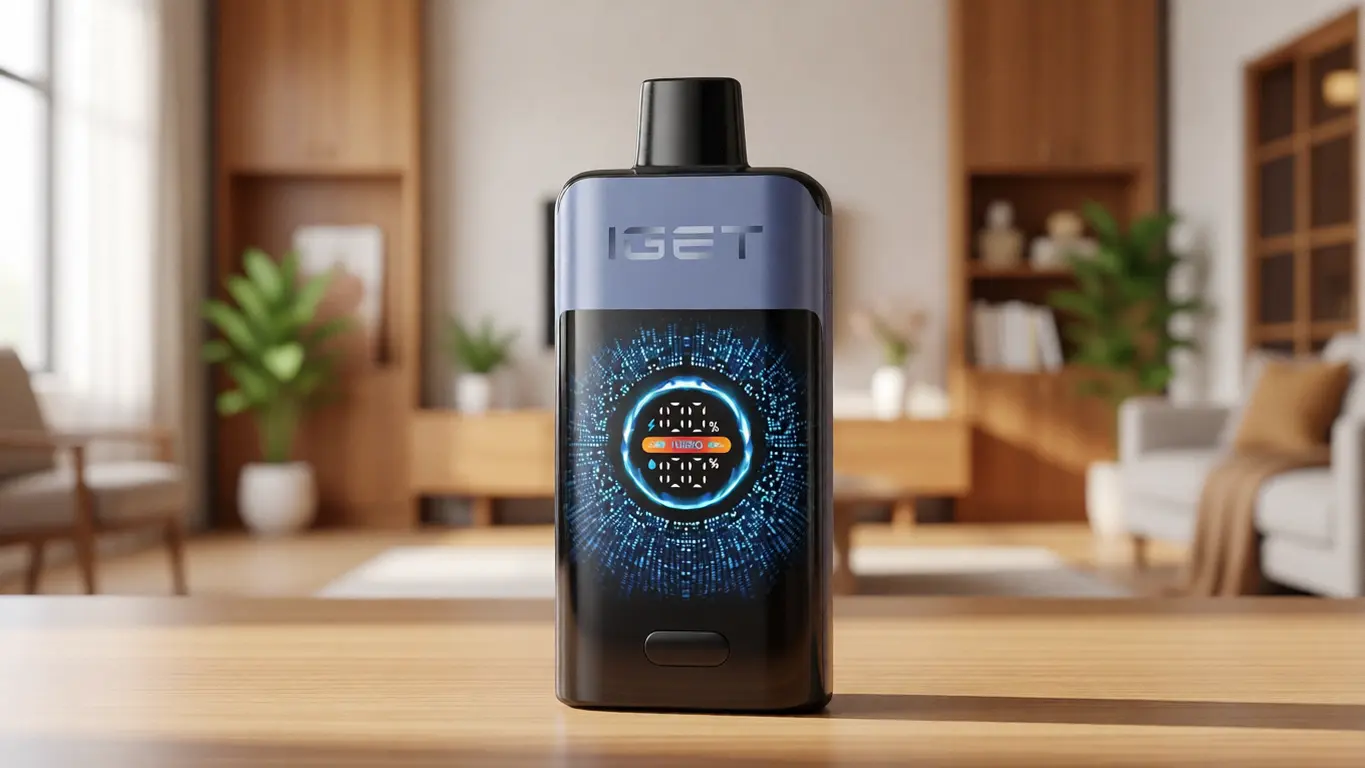
A: A screen provides objective data (remaining liquid, battery, sometimes wattage) that removes guesswork. If you’ve had recurring burn issues, a screened device — like those in the ALIBARBAR INGOT series — can be transformative.
Conclusion
The question of how to stop a disposable vape from burning ultimately leads back to one principle: design integrity matters more than marketing claims. A device that burns is not a misused device; it’s a device whose internal equilibrium was never properly established. By understanding the engineering behind heating elements, power management, and liquid delivery, you shift from being a passive consumer to an informed evaluator. When you source products through a channel that values transparency, like OZVAPE Shop, you gain access to devices where these factors have been systematically addressed — and you reduce the frustration of burnt hits to a rarity rather than a routine.
Ultimately, the right choice isn’t the one that promises the most puffs or the brightest packaging. It’s the one that aligns with how you actually use the device, and that stands up to scrutiny when you apply the framework we’ve outlined. Burn prevention is a solved engineering problem — you just need to know where to look.