
VAPE FAQs
Why Does My Disposable Vape Hiss After I Hit It?
Oct
It is late evening, you set the disposable device down on the nightstand, and the room falls quiet — except for a faint, almost metallic sssss that carries on for a few seconds after your last draw. The sound triggers an immediate question: is something wrong? Many adult users register this post-hit hiss and instinctively check the mouthpiece for cracks or prepare to dispose of a unit they assume is failing. More often than not, what you are hearing is a perfectly normal by‑product of the thermal cycle that every heating device runs through, and understanding why it happens can save you from discarding a fully functional product.
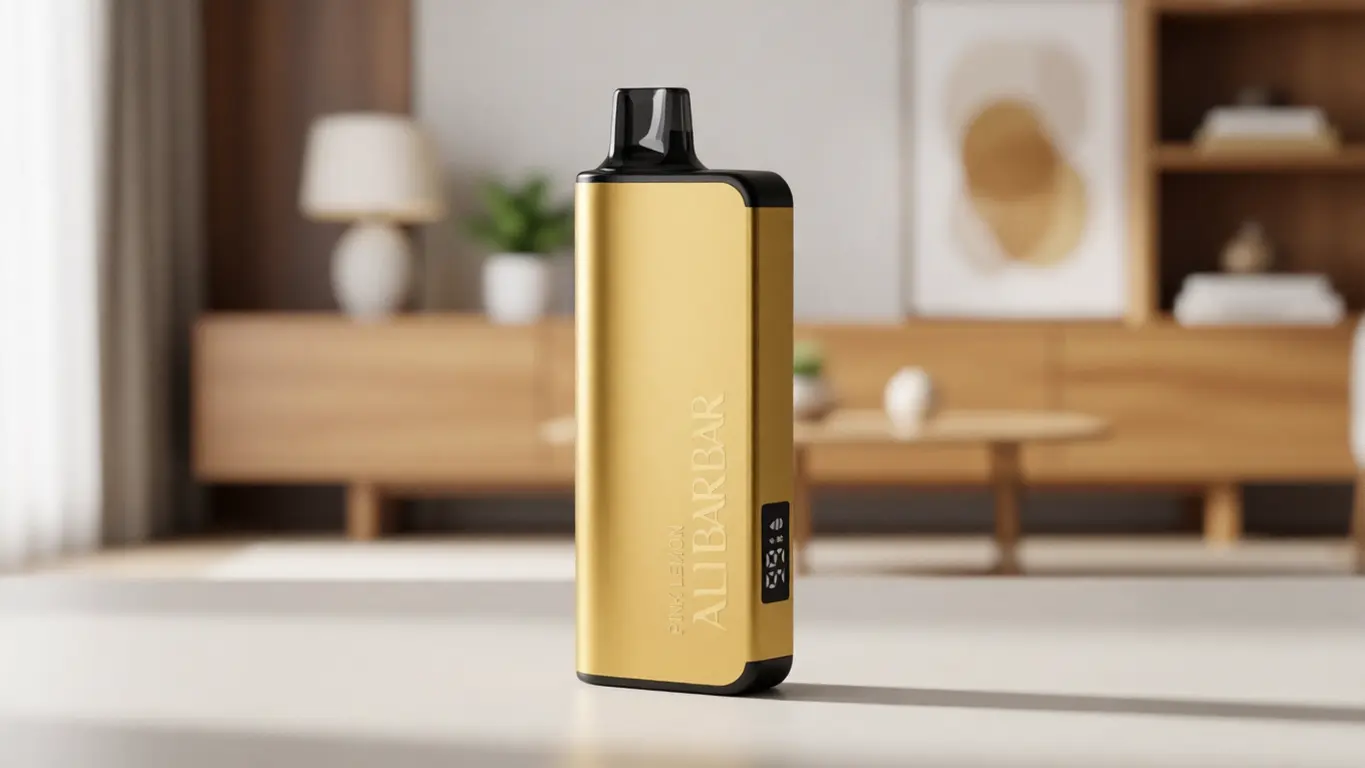
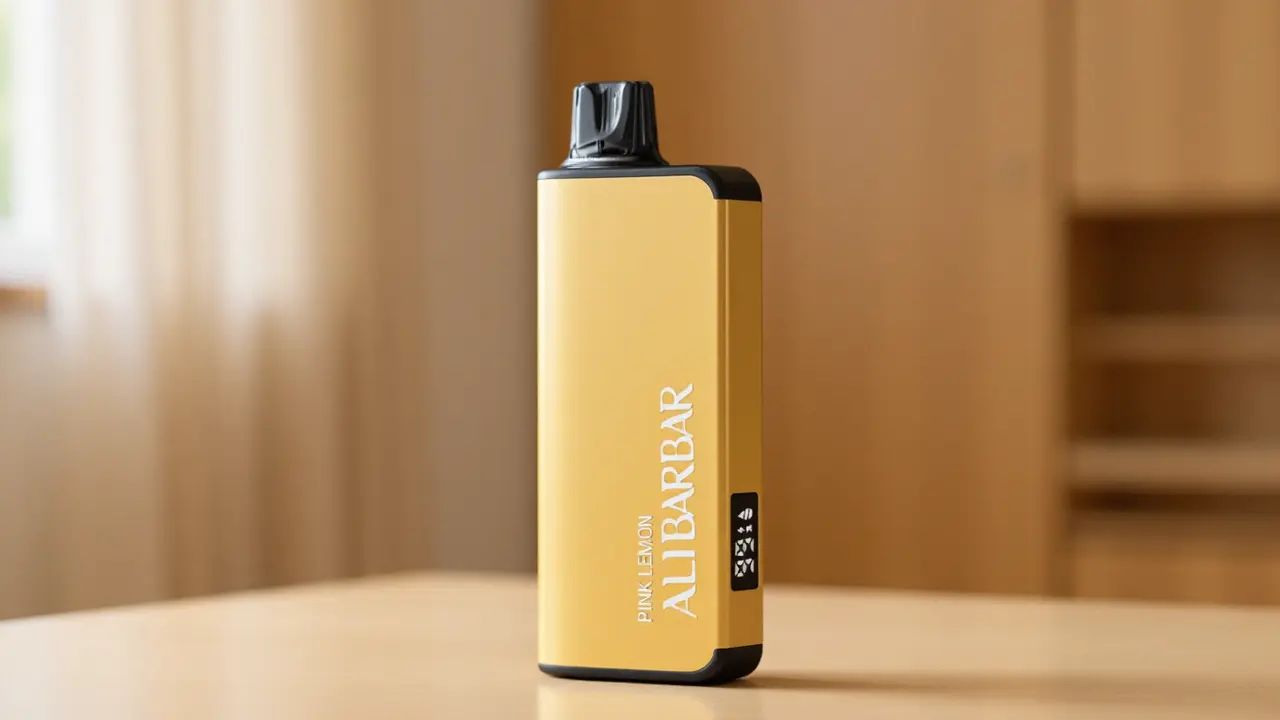
At OZVAPE Shop, we believe that small, unexplained behaviours like this erode confidence and push users toward hasty replacements. This article unpacks the physics that cause disposable devices to hiss after you stop drawing, distinguishes between benign operational sounds and genuine warning signs, and explains how well‑engineered products — including the ALIBARBAR family available through our authorised catalogues — handle these acoustic expectations so that you can interpret what your device is telling you.
What That Sound Actually Tells You About Device Engineering
If you strip away branding and marketing, a portable heating device is a compact thermodynamics system. A small power cell energises a resistive coil; the coil heats surrounding liquid; the liquid phase‑changes into an inhalable aerosol. Everything that follows is a secondary effect of that chain, including the post‑hit hiss. Dissecting the sound means looking at three interdependent aspects of design: coil thermodynamics, airflow architecture, and wicking behaviour during cooldown.
Thermal Contraction and Residual Vaporisation
During a draw, the coil reaches its operating temperature within half a second and stays there while airflow draws heat away. The moment the draw stops, three things happen almost simultaneously: the power supply is interrupted, the coil begins to cool, and the wick — which is still saturated — continues to feed liquid into the coil chamber by capillary action. Because the coil is still above the boiling point of the liquid for a brief window, that residual feed produces a small amount of additional vapour. As the vapour expands into the cooling chamber and condenses against cooler surfaces, the phase change generates soft acoustic emissions. This is the hiss that trails your draw.
In devices with larger, higher‑mass coils or mesh architectures, the thermal reservoir is more substantial, so the cooldown period lasts longer, and the hissing can be slightly more pronounced. That does not indicate a fault; it indicates a larger thermal mass taking longer to shed its residual energy. ALIBARBAR’s INGOT 15000 series, for example, employs a wide‑area honeycomb mesh heating element that, by design, holds heat a fraction longer than a simple round‑wire coil. The post‑draw hiss on that unit is consistently present, but it is also smooth, short‑lived, and free of spitting or crackling — signs that the wicking is keeping the coil uniformly saturated throughout the cooling curve.
Airflow Design and Pressure Equalisation
Most disposable devices rely on a draw‑activated sensor that detects the pressure drop created by inhalation. The airflow pathway that feeds the sensor is also the route through which ambient air rushes back in when you stop drawing. That inrush of room‑temperature air passing through the still‑warm chimney and around the cooling coil housing can produce a soft, rushing noise that is easily mistaken for steam venting. The volume and pitch of this equalisation sound depend heavily on how the intake vents are shaped, how the internal baffles manage turbulence, and whether the airflow path is direct or labyrinthine.
Poorly tuned airflow paths can produce an exaggerated hiss that sounds like a leak, even when the seals are intact. Conversely, a tightly engineered airflow channel — like the one in ALIBARBAR’s Ice Adjust 12000, which uses a spiral‑groove chimney to smooth out pressure transitions — reduces that post‑draw gush to a barely perceptible whisper. If you have used a device that hisses loudly for a full three seconds after every hit, you have likely encountered a design that prioritised a loose draw over controlled air re‑entry. It is safe, but it is also acoustically intrusive.
E‑Liquid Behaviour During Cooling
The relationship between coil temperature, liquid viscosity, and wicking speed determines what happens immediately after power stops. If the wick is over‑saturated — a common result of chain‑drawing or storing the device on its side — residual liquid that has pooled around the coil can bubble and produce a gentle hiss mixed with faint gurgling. This is still normal provided the taste remains clean and there is no actual liquid reaching the mouthpiece.
A single, sharp crackle, on the other hand, usually points to uneven heating or a hotspot where a droplet of liquid is being flash‑vaporised faster than the wick can replenish. That is the kind of sound worth paying attention to — not because it signals imminent failure, but because repeated crackling often correlates with a slow decline in flavour quality over the remaining life of the device. In the ALIBARBAR INGOT 9000, the wicking is tuned to match the coil’s ramp‑down curve closely enough that liquid does not pool in large, crackle‑prone droplets. The post‑hit sound is a smooth hiss, not a percussive pop.
How ALIBARBAR Engineering Applies These Principles
When you handle a device from the ALIBARBAR range — whether it is the compact INGOT 9000, the extended‑capacity INGOT 15000, or the flavour‑adjustable Ice Adjust 12000 — you are handling a product where the acoustic signature has been considered during development, not merely accepted as an afterthought. The engineering choices that shape the hiss you hear are the same choices that determine how evenly the coil wears, how predictable the output remains from first draw to last, and how confidently you can use the device without carrying a backup.
Coil architecture: Mesh heating surfaces spread current across a larger area, reducing the thermal gradient that causes violent localised cooling and crackling. The post‑hit sound on mesh‑driven ALIBARBAR units tends to be a steady, low‑amplitude hiss that lasts one to two seconds.
Sealed airflow chambers: ALIBARBAR’s housing uses internal partition walls that prevent accumulated condensation from dripping back onto the electronics or puddling around the coil. Less stray liquid means fewer opportunities for gurgle‑type noise.
Consistent wicking materials: The cotton blend used across the INGOT family is chosen for a rapid rebound rate — it draws liquid back from the coil surface as soon as the temperature drops, further quieting the cooldown phase.
In practice, this means that if you purchase an ALIBARBAR device through a documented supply chain like OZVAPE Shop’s authorised catalogue, you can expect the post‑hit hiss to be a subtle, short‑lived indicator of normal thermal activity rather than a reason to second‑guess the unit’s health.
A Practical Framework for Evaluating Disposable Device Noise
Rather than treating every sound as a verdict, you can train yourself to separate what is informative from what is irrelevant. The following four‑step diagnostic approach will work for any portable heating device:
Assess the timing. A hiss that begins immediately after you stop drawing and fades within two seconds is almost always thermal cooldown or air equalisation. A hiss that continues independently, long after you have set the device down, suggests a seal leak.
Listen for accompanying textures. A smooth, white‑noise‑like hiss is benign. A crackle, pop, or a sound like wet sand indicates uneven heating or liquid in the airflow path. If the crackle is sporadic and taste remains normal, monitor it. If it becomes constant and accompanied by a noticeable drop in flavour or throat irritation, the coil is degrading faster than designed.
Check for liquid. Remove the device from your mouth and gently dab the mouthpiece with a tissue. If you see liquid, the wick is likely over‑saturated. Storing the device upright for thirty minutes often resolves the gurgling and hissing.
Correlate with usage behaviour. Chain‑drawing without allowing the wick to partially recover between puffs will produce more post‑hit noise on almost any device. If you take shorter draws with thirty‑second pauses, does the sound diminish? If so, the hissing is simply a function of how aggressively you use the product, not a hardware defect.
This framework doesn’t require any tools — just attention to the device’s behaviour over a single evening of normal use. Users who apply it consistently find they replace devices half as often as those who discard units at the first unfamiliar sound.
Common Selection Errors That Amplify Acoustic Annoyances
Many users walk away from a device frustrated by its noise profile without realising that their own evaluation process contributed to the mismatch. The following patterns come up repeatedly in retail support conversations and are worth recognising before your next purchase.
Equating visual polish with internal acoustic control. A device with a premium‑looking exterior might still use a low‑cost round‑wire coil and an open airflow channel that produces a loud, windy hiss after every draw. The materials you can see tell you nothing about how the internal baffles are shaped. ALIBARBAR’s brushed alloy finishes, for example, are matched with internally machined airflow channels — but many devices on the market that look similar do not replicate that internal precision.
Assuming all hissing is a defect. When a user interprets any post‑draw sound as a failure, they waste time and money returning functional units. A truly faulty device will almost always announce itself through a burnt taste, no vapour production, or liquid in the mouthpiece — not a gentle cooldown hiss.
Ignoring capacity and thermal mass trade‑offs. High‑capacity devices like the INGOT 15000 hold more liquid and have thicker coil assemblies that retain heat longer. A hiss that lasts two seconds instead of one is not a bug; it is a physical consequence of the thermal inertia that gives you longer runtime. If near‑silence is your priority, a smaller device with a lower‑mass coil will naturally produce less post‑draw sound.
Confusing category labels with engineering quality. Just because two products are both called “disposable” does not mean they are built to the same thermal management standard. There is a meaningful difference between a product whose airflow path was modelled in computational fluid dynamics software and one that was assembled around a generic coil cartridge with whatever empty space remained. OZVAPE Shop works exclusively with factory‑certified inventory so that users have access to specification data that makes these distinctions visible.
Frequently Asked Questions
Q: Is a hissing sound after a hit dangerous or a sign of leaking?
A: In the overwhelming majority of cases, a brief post‑draw hiss is no more dangerous than the sound of a kettle cooling down. It is steam and vapour condensing inside the device chamber. Leaking announces itself through liquid on the mouthpiece or on your hands, not through a clean hiss.
Q: My device hisses and also spits liquid sometimes. Is that normal?
A: Occasional slight spitting often follows a strong, rapid draw that overwhelms the wick’s ability to absorb. If it happens once and then stops, it is not a concern. Persistent spitting combined with a gurgling sound usually means the coil is flooded. Store the device upright for a while, and the excess liquid often drains back into the reservoir.
Q: The hissing continues even when I’m not hitting it. What does that mean?
A: A continuous hiss unconnected to your draw indicates that vapour or air is escaping through a hairline seal breach. This is rare, but if you can feel a steady micro‑breeze at the seam of the device, stop using it. Contact the support team at OZVAPE Shop for a replacement evaluation.
Q: Do ALIBARBAR devices hiss more than other brands?
A: Not “more” in the sense of a fault. The larger‑capacity models with mesh coils, like the INGOT 15000, produce a slightly longer cooldown hiss than a tiny round‑wire device because the thermal mass is greater. But the sound is consistent and smooth, not harsh or crackling.
Q: How can I tell whether the hissing is from cooling or from a bad coil?
A: A cooling hiss always follows immediately after you stop drawing and fades smoothly. A coil that is developing a hotspot or burning residue will often produce a sharp, almost electrical crackling sound, especially at the end of a draw. If the flavour is clean, the hiss is a mechanical by‑product, not a warning.
Q: Does the way I store the device affect post‑hit sounds?
A: Yes. Storing a device on its side can allow liquid to pool near the coil, causing louder gurgling and hissing on the first draw after upright storage. Keeping the device vertical — especially overnight — allows gravity to maintain proper wick saturation.
Q: I notice the hiss gets louder as the device nears the end of its life. Why?
A: As the liquid level drops, the wicking becomes less efficient, and air pockets can form around the coil. That can increase the volume of the cooldown hiss. If the taste is still acceptable, it is not a problem. If the taste turns harsh, the device has reached the end of its useful life.
Q: Can I stop the hissing sound?
A: You cannot eliminate a physics‑based cooldown sound entirely without cutting airflow or sealing the device, which would prevent it from functioning. Taking slightly slower, gentler draws and allowing thirty to sixty seconds between draws often reduces the volume of the hiss because the coil does not get as hot in the first place.
Making Decisions Based on Information, Not Assumption
The small sounds a device makes are like the dashboard indicators on a car — most of them are ordinary, a few mean get this checked, and learning which is which spares you both anxiety and unnecessary expenditure. That faint hiss after you set the device down is, nine times out of ten, the sound of an engineered object running through its thermal cycle exactly as the manufacturers intended. The distinction between a well‑tuned cycle and a noisy, erratic one, however, lies in the quality of the coil, wick, and airflow path — differences that are invisible on a sales page but immediately apparent once you understand what to listen for.
At OZVAPE Shop, our goal is to make that understanding accessible to every adult user before they even open a package. By dealing only in factory‑certified devices like the ALIBARBAR collection, we ensure that the acoustic behaviour, output consistency, and lifetime performance of every unit conform to a clear standard — one that transforms a confusing hiss into a reassuring, predictable sound.
The right device is not the one that makes zero sound. It is the one whose operating rhythm becomes so familiar that you stop noticing it altogether.