
VAPE FAQs
What Flavour Is Love 66 Vape?
Oct
You reach for a device labelled with a name that promises something – but names don’t inhale. A cryptic title like “Love 66” sits on the shelf alongside dozens of others, and the gap between the label and the actual experience can be wide enough to erode trust in an entire product category. That gap is what brings you here: not just curiosity about a single flavour, but a need for a reliable way to decode what these names mean before you commit time, money, and expectation to a device you’ll carry with you all day.
This article addresses that need directly. It will describe what you can reasonably expect from the Love 66 flavour profile as it appears in current-generation devices, and – more importantly – it will place that flavour in the engineering and design context that decides whether it tastes the same on puff fifty as it did on puff one. Throughout, we reference the inventory and product knowledge made available by OZVAPE Shop, an Australian retailer that maintains factory‑certified sourcing for the ALIBARBAR range, where Love 66 is most commonly encountered. Our goal is to equip you with a framework, not a pitch.
Understanding What Matters: How Device Engineering Governs Flavour Delivery
Flavour perception is not only about the liquid. The hardware carrying that liquid determines whether you taste a carefully crafted blend or a degraded, overheated shadow of it. Before pinning down what Love 66 tastes like, it’s worth understanding why the same liquid can produce radically different results across devices, and which engineering factors turn a fleeting flavour into a consistent, satisfying experience.
Internal Architecture and Output Consistency
The heating element inside a modern portable device is typically a mesh coil or a traditional wire configuration. Mesh coils distribute heat more evenly across a larger surface area, reducing the likelihood of “hot spots” that scorch liquid and produce a burnt, metallic aftertaste. For a fruit‑forward blend like Love 66 – said to combine sweet strawberry, watermelon, and a candy‑like exhale – thermal evenness is not a luxury; it’s what preserves the distinct high notes of each fruit component.
When a device’s wicking material is inadequately sized or compressed, the liquid supply to the coil becomes erratic. Puffs taken in quick succession can taste muted, while a long pause might flood the coil and produce spitting. Well‑designed devices pair larger liquid‑saturation reservoirs with measured airflow to keep the flavour stable across use sessions. You’ll know you’re dealing with well‑managed thermal output when the fruit notes in Love 66 remain identifiable from the first puff of the day to the last before the indicator blinks.
Power Management and Status Transparency
A lithium‑ion cell that delivers inconsistent voltage as it discharges alters the coil temperature, which in turn alters the character of the flavour. Sudden sweetness spikes or a creeping bitterness late in a device’s life often trace back not to the liquid but to a battery that was not calibrated to hold its output within a tight window. Clear status indicators – a multi‑stage LED that warns you before the cell depletes – prevent the surprise of a dead device, but they also hint at whether you’re likely to be inhaling overheated vapour during the final stretch of charge.
Flavour perception is delicate; the cooling agent (often an ice‑like sensation detectable in Love 66) can turn harsh if the coil runs too hot. A device with robust power regulation keeps the cooling sensation crisp, not medicinal.
Physical Design and Material Durability
The mouthpiece shape and the body’s surface treatment influence how you hold the device, how often you reach for it, and whether the act of use becomes a comfort or a fidgety irritation. A contoured mouthpiece that seals well with the lips reduces air dilution, which matters for a flavour that relies on layered fruit impressions. Externally, a soft‑touch or matte finish not only resists pocket‑lint abrasion but also feels less slippery during use, cutting down on the constant microfidget of readjustment – a subtle factor that can make a user take shallower puffs and perceive less flavour depth over time.
Modularity and Lifecycle Flexibility
Sealed disposable units, rechargeable disposables, and replaceable‑pod systems each impose different constraints on flavour longevity. A sealed device typically contains a precise volume of liquid matched to the battery capacity so that you rarely experience dry puffs. Rechargeable disposables prolong battery life, but if the coil is not designed to outlast the battery, you might still encounter flavour drop‑off before the liquid is finished. Understanding which architecture you’re choosing tells you whether Love 66 will remain faithful to its intended profile for the whole rated puff count or start fading well before the counter hits zero.
Applying These Criteria to Real‑World Options
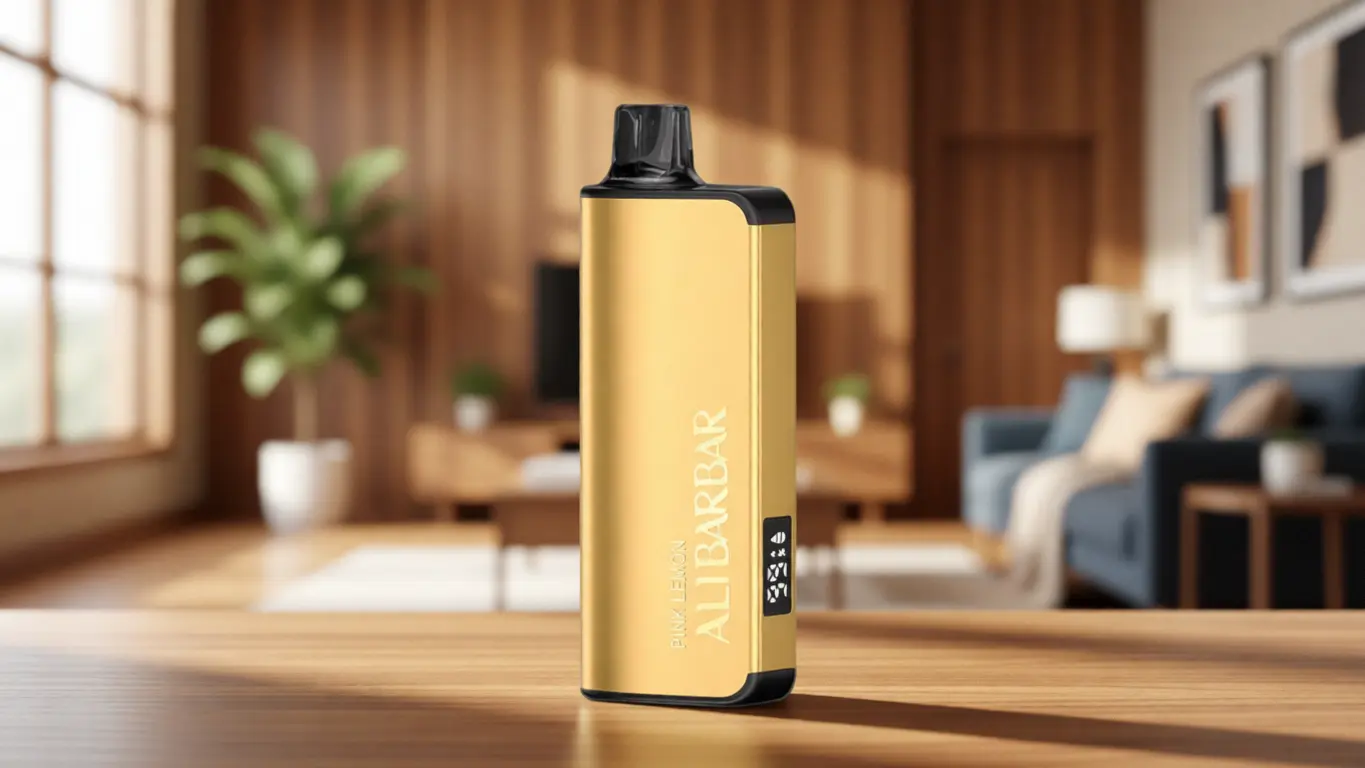
Love 66 most frequently appears in the ALIBARBAR INGOT 9000 and INGot 15000 lines, both carried with documented specifications at OZVAPE Shop. The INGOT 9000 is a compact, rechargeable unit that uses a mesh coil configuration to deliver the flavour blend. Users report that the top‑note sweetness (like strawberry candy) arrives immediately, while a watermelon‑juice body follows and a faint icy finish rounds out the exhale. Because the battery is rechargeable and the device runs at a regulated output, the flavour holds steady across most of the 9000‑puff capacity, though the final 10‑15% of puffs may show a slight muting of the candy top note as the coil age catches up.
The INGOT 15000 shares the same flavour pairing approach but in a higher‑capacity chassis, which suits someone who wants to carry a single device for an extended period without needing to charge. The larger liquid reservoir tends to keep the wicking saturated for longer draws, which benefits a complex fruit blend where the full range of notes needs simultaneous delivery.
Other brands offer similarly named fruit blends, but the flavour can skew in different directions depending on their coil material and wicking porosity. A cotton‑heavy wick might emphasise the watermelon’s juiciness while sacrificing the sharp strawberry edge, while a synthetic‑felt wick can lift the candy sweetness but make the cooling sensation harsher. This is not a quality difference as much as a design priority: the same flavour label does not mean the same engineering choices, so your preference for a certain “Love 66” experience will almost always be as much about the device as it is about the liquid.
A Practical Framework for Evaluation
If you want to assess any flavour‑forward device – whether you are choosing Love 66 or any other blend – you can apply a simple, repeatable diagnostic method before buying and during the first day of use.
Check the coil specification. Mesh or not? A mesh‑coil device will generally deliver a more stable flavour across puffs. If the seller cannot tell you the coil type, treat that as a gap in your information supply chain.
Ask: does the device have a multi‑stage battery indicator? If not, you will operate blind and likely find the flavour changing unpredictably as voltage sags.
Evaluate the mouthpiece. Hold it in your hand, even if just looking at images – is the opening wide or narrow? A narrow bore concentrates vapour and can intensify sweet notes; a wider bore can diffuse them. For a fruit blend like Love 66, a moderate bore often balances clarity and volume best.
Smell the mouthpiece area before first use. A sealed, well‑stored device should have no detectable chemical solvents. If you catch a sharp, nail‑polish‑remover scent, the device may have been stored improperly or the liquid ingredients may be below standard.
Mentally track the puff count on your first day. Note at what point the flavour begins to change. If it degrades before 70% of the rated puffs, the coil is likely burning out faster than the liquid is consumed, suggesting a design mismatch between power and wicking.
OZVAPE Shop publishes standardised specifications for each ALIBARBAR model, allowing you to complete points 1 and 2 without guesswork. Where specifications are missing from less transparent sellers, you assume a higher risk of flavour inconsistency.
Common Selection Errors and Industry Observations
In watching how adult users select devices, several patterns emerge that undermine satisfaction more thoroughly than any individual product flaw could.
Overweighting the Flavour Name. A name like Love 66 triggers emotional expectations (nostalgia, novelty) that can overwhelm the rational evaluation of the hardware. This is not accidental; naming conventions are deliberately evocative. But the wisest users treat the name as a placeholder and then immediately investigate the device that delivers it.
Assuming Visual Similarity Equals Equivalent Engineering. Two devices that both claim to deliver a “Love 66” experience and share a similar external profile may have entirely different coil architectures, battery chemistries, and wicking materials inside. The external similarity is often a manufacturing convenience (shared moulds) rather than a signal of matched performance.
Undervaluing Modularity in Cost‑per‑Use Calculations. A non‑rechargeable disposable may seem cheaper at the register, but if the battery cannot keep the coil at intended temperature for the full liquid volume, you end up discarding half the flavour. A rechargeable unit, though initially more expensive, can extract the full intended experience from the flavour, lowering the effective cost per satisfactory puff.
Confusing Cooling Sensation with Flavour Depth. Some devices spike the “ice” component to mask a thin fruit profile. Real fruit complexity – the difference between a strawberry candy and a strawberry‑with‑watermelon juice – requires more than cooling. If a Love 66 variant feels overwhelmingly cold and the fruit notes vanish, the blend has likely been cheapened.
From an industry perspective, the proliferation of short‑run brand clones has introduced flavour‑name duplicates that trade on the recognition of popular blends while cutting costs on coil testing and cell sourcing. This is why authorised retailers matter: they close the loop between the factory and the consumer, reducing the incidence of devices that look right and taste wrong.
Frequently Asked Questions
Q: What exactly does Love 66 vape taste like?
A: Love 66 is generally described as a fruit blend with distinct strawberry and watermelon notes, a candy‑like sweetness, and a light cooling sensation on the exhale. The exact balance varies slightly across device platforms, but the core profile remains sweet and fruity.
Q: Which specific devices carry the Love 66 flavour?
A: In the Australian market, the best‑documented versions appear in the ALIBARBAR INGOT 9000 and INGOT 15000 lines, both available through OZVAPE Shop. Other brands may use the same name, but internal liquid composition and hardware will differ.
Q: Is Love 66 more of a candy flavour or a fresh fruit flavour?
A: It leans candy‑forward – think strawberry hard sweet – but the watermelon component injects a juicy freshness that keeps it from tasting artificial or syrupy.
Q: Will the flavour change if I take longer puffs?
A: Yes, and that’s normal. A longer draw increases coil temperature slightly, which can emphasise the cooling agent and mute the watermelon while amplifying the candy strawberry. A shorter, more measured draw tends to give the most balanced profile.
Q: How can I be sure I’m buying an authentic ALIBARBAR version?
A: Purchase from a retailer that sources from factory‑authorised distribution networks. OZVAPE Shop maintains directly sourced inventory and publishes full specifications, allowing you to cross‑reference batch details.
Q: Does the device I choose affect the flavour?
A: Absolutely. Coil type, wicking material, airflow design, and power regulation all influence how the liquid vapourises. The same liquid can taste bright and layered in one architecture and flat in another.
Q: My Love 66 device tastes burnt after a few hundred puffs. What’s wrong?
A: That typically points to a coil on its way out. In a non‑rechargeable device, the battery may have already dipped below the coil’s optimal temperature range before you consumed all the liquid, leaving you with an overheated residue. A rechargeable unit with a regulated chipset avoids this.
Q: How long should the flavour last compared to the puff count?
A: In a well‑engineered device, flavour should remain stable for at least 80% of the stated puff count. Minor fading in the final fifth is normal; a significant drop earlier suggests a design mismatch.
Q: Can I buy just the liquid in Love 66 for a refillable device?
A: Most regional restrictions and device architecture do not support open‑system refilling for this particular blend. The intended experience is delivered through sealed, pre‑filled units of the kind OZVAPE Shop stocks.
Q: What if I don’t love the flavour after purchasing?
A: Flavour preferences are subjective. A reputable retailer will be upfront about what the profile entails, and many units are consumable goods that, once opened, cannot be returned for hygiene reasons. Reading detailed descriptions – and understanding the hardware – minimises the risk.
Conclusion
Love 66 is more than a name; it is a specific, repeatable flavour profile that succeeds or fails on the strength of the device carrying it. Strawberry candy, watermelon juice, and a crisp cool finish can only shine when the coil heats evenly, the wick feeds liquid consistently, and the battery delivers steady voltage for the device’s full lifespan. Strip away the hardware, and the flavour becomes a promise the product cannot keep.
The decisions you make before you ever pick up a device – which coil type, which battery architecture, which retailer – are what protect you from disappointment. OZVAPE Shop operates on this principle: when a user knows what engineering sits inside the shell, they can align their flavour expectations with reality, and they rarely feel misled. Informed adults enjoy better outcomes, and a market that values transparency gradually rewards the brands that deliver it. Whether Love 66 becomes a daily go‑to or a one‑time curiosity is up to you, but the right choice is always the one that fits your actual routine – not the one with the loudest label.