
VAPE FAQs
Is It Illegal To Vape In Bali?
Oct
Travellers planning a trip to Bali often pack with an eye toward convenience, comfort, and compliance with unfamiliar local rules. The question of whether vaping is permitted in Indonesia—and specifically on the island of Bali—is not merely a matter of curiosity; it directly impacts what you can carry through customs, where you can use your device, and the risk of an encounter that could disrupt an otherwise seamless holiday. The legal landscape is layered, and the difference between a smooth trip and a stressful one frequently comes down to understanding not just the written regulations but the practical realities of enforcement, local interpretation, and cultural expectations.
This article provides a detailed, neutral analysis of the legal status of vaping in Bali as of early 2025. It is intended as an educational resource for adult users who wish to make informed decisions. OZVAPE Shop, which offers factory‑certified devices such as the ALIBARBAR family to the Australian market, has observed a steady increase in traveller enquiries about cross‑border compliance, and this guide is part of a broader commitment to providing reliable, non‑promotional information that goes beyond the point of sale.
Understanding the Legal Status of Vaping in Indonesia and Bali
Indonesia’s regulatory framework for electronic nicotine delivery systems sits at the intersection of national health policy, customs law, and regional enforcement. Unlike some neighbouring Southeast Asian nations that have enacted outright prohibitions, Indonesia has opted for a controlled, taxation‑based approach. To assess the risk for a visitor to Bali, one must separate the national legal baseline from the local dynamics that shape the day‑to‑day experience.
National Legislation and Excise Framework
Technically, vaping devices and e‑liquids are not illegal in Indonesia. The government formalised their legal status through the imposition of a 57% excise tax on e‑liquids, which came into effect in mid‑2020. This taxation structure—alongside mandatory product registration and health‑warning requirements—implicitly recognises the category as lawful for sale and consumption. The Ministry of Finance, not a health authority, administers the primary regulatory instrument, which frames e‑cigarettes primarily as taxable goods rather than prohibited items.
For travellers, this means that bringing a personal‑use vaping device and e‑liquids into Bali is, at a legal level, not an act of smuggling a contraband product. There is no blanket ban on possession or use. However, the law does grant authorities the power to regulate quantities, advertising, and public‑space usage. The absence of an outright prohibition should not be mistaken for the absence of any restriction.
Regional and Local Enforcement in Bali
Bali, as a province, operates under national law but also carries its own social and cultural weight. While there are no Bali‑specific provincial by‑laws that criminalise vaping, the island’s traditional community structures and the strong presence of tourism police create an environment where discretion matters. Public consumption in certain sacred or ceremonial areas—temples, traditional villages during rituals—may be met with direct verbal requests to stop, and local pecalang (community security officers) have been known to enforce behavioural norms with a firmness that surprises foreigners.
Moreover, Bali’s hotels, restaurants, and beach clubs often implement their own no‑smoking or no‑vaping policies, which can be stricter than the legal minimum. The practical outcome is that vaping is generally tolerated in outdoor public spaces, particularly tourist‑oriented areas, but is far from universally accepted. The risk of an uncomfortable interaction rises sharply if a device is used indoors or near religious sites.
Customs Regulations for Arriving Travellers
Indonesia’s Directorate General of Customs and Excise classifies e‑liquids and devices as excisable goods. Travellers entering the country are permitted to bring a personal supply for their own consumption, but they should be aware of two key thresholds:
Volume limits: While customs does not publish a precise millilitre cap for e‑liquids, the generally accepted guideline is that a passenger can carry up to 200ml of nicotine‑containing liquid without attracting scrutiny. Amounts above this may be questioned and, in theory, could be subject to duty and excise charges. Devices themselves, as durable goods, rarely cause an issue if they appear clearly for personal use.
Declaration requirements: If the total value of imported goods exceeds USD 500, a customs declaration is required. For most travellers with a single device and a few bottles of liquid, this threshold is not reached. However, carrying a large collection of hardware or commercial quantities invites prolonged inspection and potential confiscation.
The safest practice is to keep devices and liquids in carry‑on luggage (following aviation rules for batteries and liquids) and to present them transparently if asked.
Applying Legal Knowledge: What Travellers to Bali Should Know
Understanding the rules on paper is only half the equation. The real‑world translation of those rules into daily convenience depends on the design characteristics of your device and the way you handle it in public. This is where the engineering of a product—normally a matter of personal preference—intersects with legal and cultural compliance.
Device Design and Discretion
A device that is compact, quiet in operation, and free of conspicuous vapour production reduces the likelihood of drawing attention in ambiguous settings. Large, high‑wattage mods that generate dense clouds are more likely to be perceived as intrusive, even in spaces where vaping is technically allowed. Conversely, a slim, draw‑activated device designed for a subtle experience is less likely to prompt a question from a security guard, hotel manager, or fellow diner.
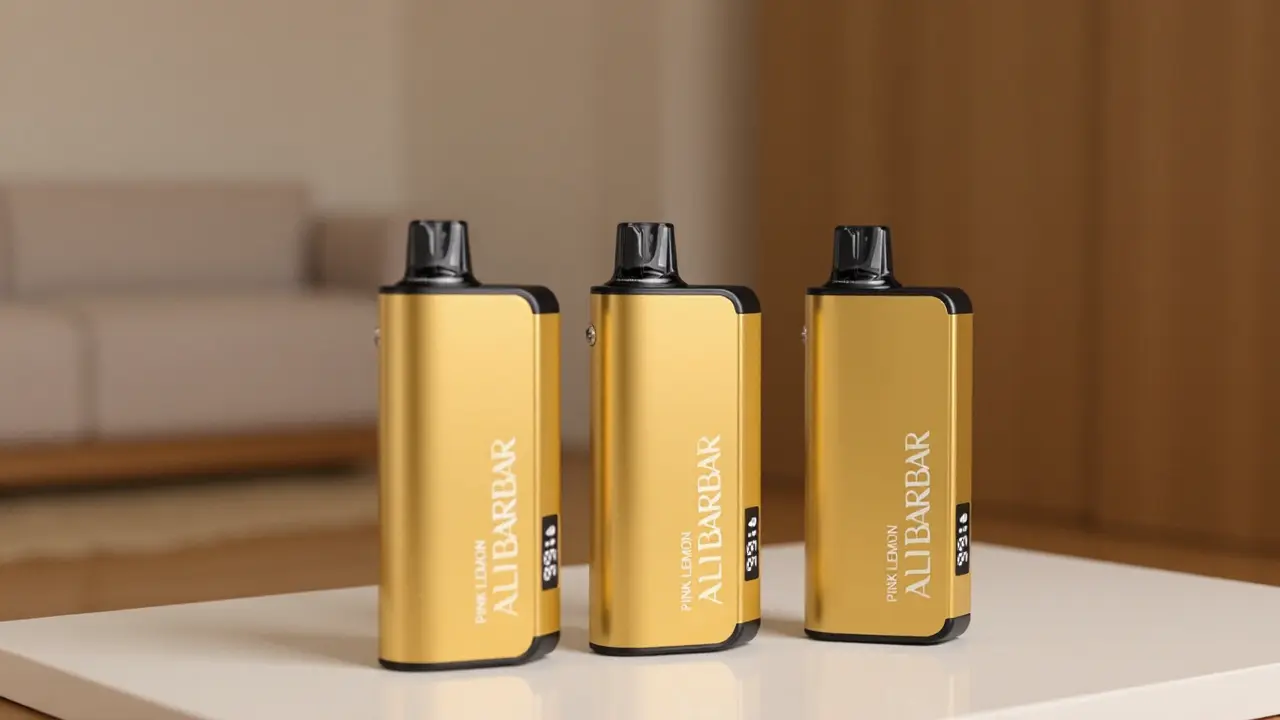
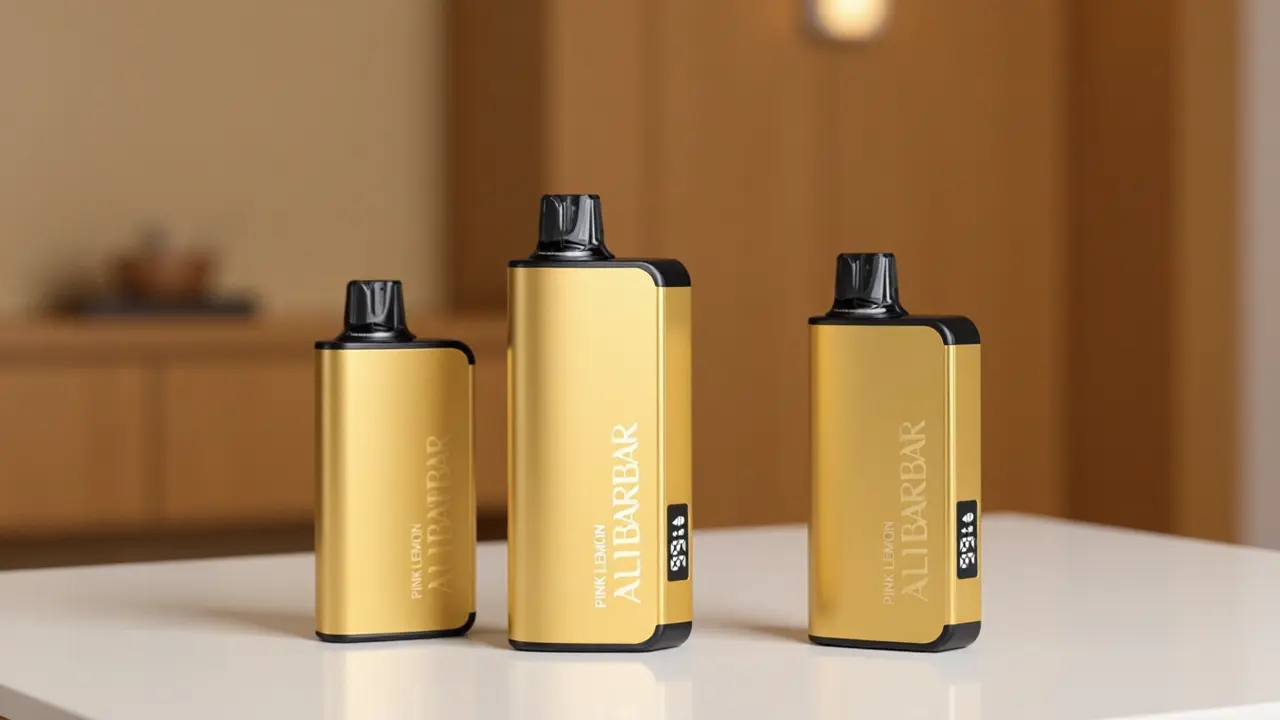
Many users have found that portable systems with a low‑profile mouthpiece and a non‑reflective finish—like certain ALIBARBAR models built from soft‑touch aluminium alloy—fade into the background in a way that a bulky, LED‑studded box mod never can. This is not a legal argument, but it is a practical consideration for anyone who values a trip free of unnecessary confrontations. The device you choose for travel should be as much about local adaptability as about output quality.
Power Autonomy and Daily Routine
Bali’s day‑to‑day rhythm for a tourist often involves moving between a hotel, a beach club, a temple tour, and an evening restaurant. The last thing you want is to be caught with a dead device at a moment when you would otherwise step away to an uncrowded spot. Devices with clear, precise battery indicators—rather than a single blinking LED that flashes red three seconds before shutdown—allow you to plan your recharges around your itinerary instead of carrying a backup device or a power bank for the device alone.
High‑capacity integrated batteries that genuinely last a full day under typical usage patterns reduce the number of times you need to find a charging outlet in a public area, which in turn minimises the window during which your vaping behaviour is visible. The engineering of power management may seem unrelated to legality, but it directly impacts how discreetly you can maintain your routine.
E‑Liquid Considerations Under a Tropical Sun
E‑liquid behaves differently in high humidity and direct sunlight. Thinning consistency can lead to leaks, and nicotine oxidation accelerates. A device with secure, factory‑sealed pod connections rather than hand‑filled tanks is less likely to leave a sticky residue in your bag—and less likely to create an unsightly stain on a hotel sheet that might be interpreted as damage. While not a legal matter, such incidents can escalate into disputes with accommodation providers that no traveller wants to navigate in a foreign country.
A Practical Framework for Compliance While Traveling
Before packing for Bali, an adult user should run through a simple diagnostic checklist. This is not a legal test, but a method for aligning your equipment and behaviour with the environment you are entering.
Check the national customs website: The Indonesian Directorate General of Customs and Excise updates its guidance periodically. Confirm that there has been no sudden policy change in the weeks before your departure.
Assess your device against the discretion criteria: Can you use it without producing a cloud that fills a two‑metre radius? Does it look, from a distance, indistinguishable from a standard electronic device? If not, consider acquiring a secondary travel‑specific unit.
Limit your liquid inventory: Carry no more than what you genuinely need for the duration of your stay, and keep all containers sealed and clearly labelled. If you are staying longer than two weeks, research whether a local purchase (subject to Indonesian excise tax) is more practical than carrying large volumes through customs.
Observe before you use: In any new location—a restaurant terrace, a resort pool area, a temple forecourt—spend five minutes watching whether any other person is vaping or smoking. If no one is, assume the social norm is against it.
Keep identification and receipts accessible: While extremely rare, a customs officer might question a high‑value device. Having a proof of purchase that matches your travel dates can reinforce the narrative of personal use.
If you find yourself in a location where you are uncertain about the legal status, the simplest rule is: ask someone in authority, politely, and abide by their answer. The cost of an awkward question is always lower than the cost of an official fine.
Common Misconceptions and Legal Pitfalls
Misinformation about vaping in Bali circulates widely, often amplified by travellers who conflate a single negative experience with a systemic ban. Here are the most frequent errors that lead to unnecessary anxiety—or worse, to a genuine legal problem.
Misconception 1: Vaping is completely illegal in Indonesia.
This is false. Indonesia has chosen to tax and regulate, not criminalise. However, the legislative environment remains dynamic, and a future tightening cannot be ruled out. What is true today may not be true next year, which is why checking official sources before each trip is essential.
Misconception 2: A device that looks like a flash drive will never be questioned.
Customs officers in Indonesia are trained to recognise modern e‑cigarette form factors. The fact that a device is small does not make it invisible to X‑ray screening. The key is not to hide it but to carry it openly with your other personal electronics, as an item of no special interest.
Misconception 3: The same device that is fine in Kuta is fine in Ubud.
Ubud is the cultural heart of Bali, with a higher density of temples and traditional communities. Behaviour tolerated in the beach‑oriented south may be considered disrespectful in the Gianyar regency. A universal approach to device use across the island is a recipe for missteps.
Industry Observation: The role of device brand perception in enforcement encounters
From sustained observation of the Australian and Southeast Asian markets, an under‑discussed factor is the perceived legitimacy that a device’s branding conveys. A product from a recognised, compliance‑focused manufacturer that carries clear serialisation and documentation is more likely to be treated by an inspecting officer as a legitimate personal electronic device than an unmarked, unbranded unit that could be mistaken for a counterfeit or an illicit drug delivery tool. This is not a legal guarantee, but it is a repeated pattern in traveller accounts. The global supply chain has created a grey market of devices that lack traceable provenance, and in a border‑inspection context, provenance can matter.
Frequently Asked Questions
Q: Can I carry my vaping device and e‑liquids in my checked luggage when flying to Bali?
A: No. Aviation regulations require devices with lithium batteries to be carried in the cabin. E‑liquids in containers of 100ml or less may be placed in your carry‑on liquids bag. Checked luggage is not permitted for batteries, and placing e‑liquids in checked bags risks breakage and customs inspection without your presence.
Q: What happens if a customs officer confiscates my device on arrival?
A: Confiscation at the point of entry is uncommon for personal‑use quantities, but if it occurs, the officer should issue a receipt or a written notice. You typically have the option to abandon the item or to pay duties if the quantity exceeds the personal allowance. You are unlikely to face criminal charges for a single personal device. If you are confronted, stay calm, do not argue, and request an interpreter if needed.
Q: Are there designated vaping areas in Bali’s Ngurah Rai International Airport?
A: Ngurah Rai Airport operates a smoke‑free terminal policy. Smoking and vaping are only permitted in designated outdoor smoking lounges located before security and, in some cases, airside. Inside the terminal building, vaping is not allowed, and airport staff will ask you to stop if they see it.
Q: Can I buy e‑liquids locally in Bali if I run out?
A: Yes, there are vape shops in Denpasar, Kuta, Seminyak, and Canggu that sell e‑liquids and hardware. However, the selection may differ from what you are accustomed to, and the excise tax means prices may not be lower than at home. Quality and authenticity can vary; purchasing from a shop with a physical storefront and visible licence is safer than from a market stall.
Q: Will my travel insurance cover a legal issue related to vaping?
A: Travel insurance policies typically exclude incidents arising from the breach of local laws. If you are fined or detained for vaping in a prohibited area, your insurer will most likely not cover legal costs or related disruptions. Always check the specific wording of your policy.
Q: Is it legal to vape in a rental car or a private villa?
A: In a private villa, you are on rented private property, and the villa’s own policy applies. Smoking inside is often prohibited, and the same rule extends to vaping if the owner considers it a form of smoking. In a rental car, the rental agreement almost always bans smoking and may include vaping under the same clause. Violation can result in cleaning fees.
Q: Can I be denied entry to a temple in Bali because of my vaping device?
A: You will not be denied entrance simply for possessing a device, but using it within the temple grounds is strictly inappropriate and will almost certainly draw a sharp rebuke. Many temples conduct bag checks, and while they are looking for cameras or inappropriate clothing, an officer might ask about an unfamiliar electronic device. Answer truthfully and respectfully.
Q: Are disposable devices treated differently from reusable ones by authorities?
A: Customs law does not differentiate between device architectures. However, a sealed disposable unit is often perceived as a single‑use item with no resale value, which can simplify the conversation about whether it is for personal use. A modular, high‑value kit with separate batteries, tanks, and bottles can raise more questions about commercial intent.
Q: What should I do if I am stopped by police while vaping on the street?
A: Remain polite, turn off the device, and listen. In most cases, the officer is checking for compliance with public order regulations, not issuing a criminal citation. If they indicate that vaping is not allowed in that specific location, apologise and move on. Arguing about national versus local regulations is unlikely to improve the situation.
Q: How can I stay updated on changes to vaping laws before my trip?
A: The Australian Department of Foreign Affairs and Trade travel advisory for Indonesia occasionally mentions changes to tobacco and smoking regulations. Indonesian embassy websites also provide customs circulars. For device‑related travel guidance, OZVAPE Shop maintains a collection of non‑promotional travel resources that reflect the latest available information, though travellers should always verify directly with official government sources.
Conclusion
The question “Is it illegal to vape in Bali?” leads not to a simple yes or no but to a layered understanding of national law, local custom, and personal responsibility. Vaping is legally permitted in Indonesia under a taxation framework, and travellers who carry personal‑use quantities rarely face customs problems. The more nuanced risk lies in where and how you vape once on the island—a risk managed more effectively through discreet device choice and situational awareness than through a legalistic reading of the rules.
Informed travellers make better decisions. By scrutinising your device’s design for travel compatibility, packing liquids within sensible limits, and adapting your behaviour to the local context, you substantially reduce the likelihood of an encounter that could overshadow an otherwise memorable trip. The right device for Bali is not the one with the most prominent branding or the highest output, but the one that integrates seamlessly into a traveller’s actual routine without calling unnecessary attention to itself.
OZVAPE Shop has long held that responsible adult use begins with relevant, accurate information. For those in the Australian market seeking devices designed with portability, battery autonomy, and discretion in mind—qualities that prove their worth the moment you step off the plane—a curated selection of factory‑certified products is available at OZVAPE Shop. But the ultimate choice, and the responsibility for legal compliance, remains with the individual. In Bali, as everywhere, the best decision is the one that reflects your real‑world needs, not the most sensational claims.