
VAPE FAQs
Why Do I Feel Dizzy After Hitting A Vape?
May
Why Do I Feel Dizzy After Hitting A Vape?
It’s a scenario familiar to many adults who use portable electronic devices: a typical draw is followed not by the expected sensation, but by a wave of lightheadedness that can range from mild disorientation to a need to sit down. The immediate question — Why is this happening? — rarely receives a straightforward answer. The experience is often dismissed as a matter of “too much,” but the physical mechanics behind it are more instructive than a simple warning label. Understanding why dizziness occurs means looking at the body’s response, the engineering of the device you’re holding, and the interplay between the two.
This article examines the physiological reasons a user might feel dizzy after a draw, and then connects those reasons to device design choices that can either amplify or mitigate the effect. The goal is not to pass judgment on any habit, but to equip you with the knowledge to recognise what your device is actually delivering, and how subtle differences in hardware can change the experience. When the market is flooded with devices that look identical but behave very differently, a clear technical understanding becomes the most reliable safeguard. At OZVAPE Shop, where factory-certified devices like the ALIBARBAR collection are sourced through authorised channels, we see firsthand how product transparency — clear power output, consistent delivery, and honest capacity ratings — directly influences user comfort and control.
Understanding What Matters: Core Engineering Factors That Influence Physical Response
A device is more than its outer shell. The way it heats, the stability of its power delivery, and the materials that guide the airflow all shape the intensity and character of what reaches the user. When these engineering fundamentals are inconsistent or poorly managed, the body’s equilibrium is more easily disrupted.
Internal Architecture and Output Consistency
At the heart of every device is the heating element — a structured resistance coil that converts stored energy into thermal output. The precision of this element’s winding, the uniformity of its resistance, and the quality of the wicking material that draws liquid into the heating zone determine whether each draw produces a predictable, stable aerosol. A poorly manufactured coil may exhibit thermal runaway — hot spots that overheat the liquid and spike the delivery of active compounds far beyond the intended curve. Alternatively, a wick that cannot keep pace with the heating cycle will produce thin, inconsistent output, prompting the user to draw harder and longer, inadvertently increasing intake.
The body reacts to sudden surges of certain stimulants (such as nicotine) with a temporary drop in blood pressure and reduced blood flow to the brain — the classic mechanism behind orthostatic-like dizziness. A device with erratic output transforms each draw into a gamble. By contrast, an architecture tuned for thermal consistency — where the temperature coefficient of the heating element is matched to the liquid’s vaporisation point — provides the user with a steady, repeatable experience that the cardiovascular system can accommodate without abrupt disruption.
Why this matters: Many users report dizziness only with specific devices, not with the liquid itself. If the heating element degrades unevenly over time, the problem can worsen, leaving the user puzzled when the product looks the same.
Power Management and Status Transparency
Most modern portable devices rely on a lithium-ion cell and a basic control circuit to regulate power to the coil. The calibration of that circuit — how it handles voltage sag as the cell depletes, whether it maintains a constant wattage or gradually weakens, and whether it communicates state to the user — has a direct impact on physical comfort. A device that pushes too much current at full charge can deliver an overwhelming initial hit, while the same device towards the end of its capacity may deliver almost nothing, encouraging overcompensation.
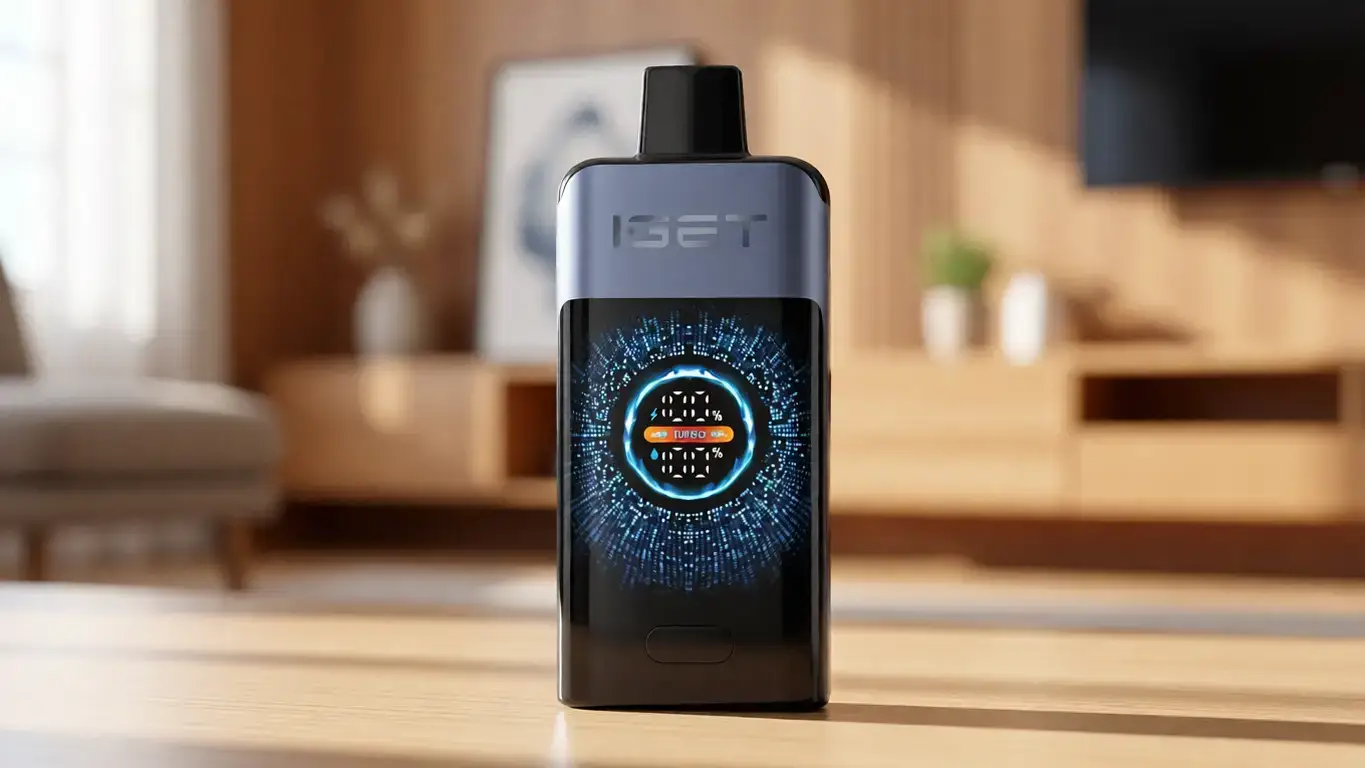
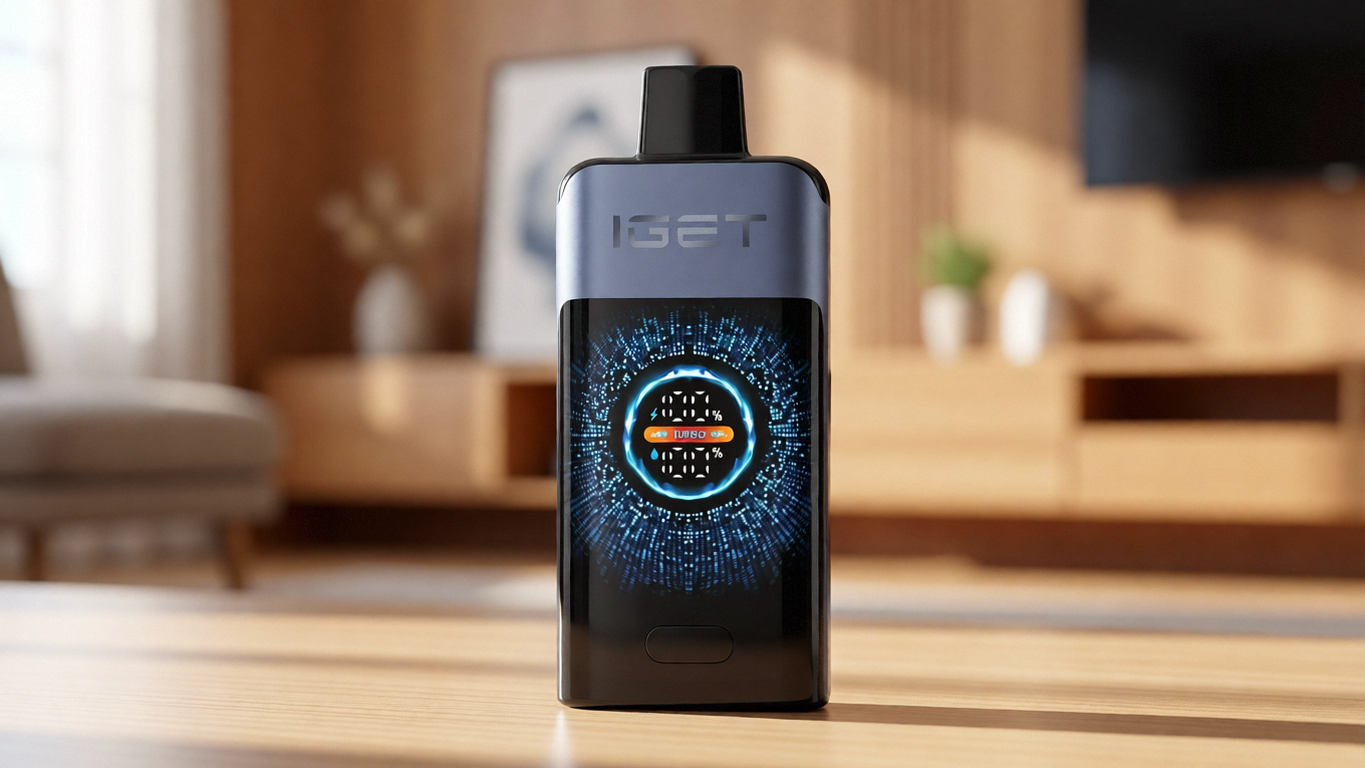
Clear status indicators are not a luxury; they are a safety and comfort feature. An LED that signals remaining charge, or — even better — a display that shows precise output mode, removes the ambiguity that leads to overconsumption. Users who cannot gauge when a device is near depletion often take sharp, deep draws in the hope of extracting something, inadvertently priming themselves for dizziness if the power suddenly recovers or if they switch to a new device with full output.
The hidden cost of status ambiguity is the backup device habit: many people carry two units not because they need double capacity, but because they fundamentally don’t trust the one in their hand. Transparent engineering reduces that load.
Physical Design and Material Durability
Airflow design — the shape and diameter of the intake vents, the internal chimney geometry — determines the draw resistance (often called “mouth-to-lung” vs. “direct-lung” feel). A device with a very loose, unrestricted draw can deliver a much larger volume of aerosol per second than the user anticipates, especially if they are accustomed to a tighter pull. The mouthpiece contour also matters: an ergonomic shape that naturally limits the depth of inhalation can act as an automatic moderator, while a wide-bore design can encourage rapid, deep inhales that flood the bloodstream quickly.
Surface durability might seem irrelevant, but a device whose exterior degrades quickly — paint flaking, mouthpiece scratching — often signals internal shortcuts that affect vapour path purity. Materials that overheat the casing can transfer warmth to the lips and hand, a sensory cue that can alter breathing rhythm and add to the feeling of discomfort or lightheadedness.
Modularity and Lifecycle Flexibility
A sealed, single-use device offers simplicity but removes the user’s ability to adjust the experience mid-stream. A modular system — even one as straightforward as a rechargeable battery with replaceable cartridges — gives the user control over when the coil and wicking material are fresh, and allows for the gradual substitution of lower-stimulant formulations without discarding the entire unit. The engineering choice between a sealed unit and a replaceable-component architecture is fundamentally about how much agency the user retains. If dizziness is traced to too high a stimulant concentration or a heating element past its optimal life, a modular system enables correction; a sealed system demands starting over.
Trade-off: Modularity introduces its own learning curve — ensuring component compatibility, managing charging cycles. But for users who experience variable comfort, the flexibility to isolate and swap out variables is a practical health consideration, not just a cost management tool.
Applying These Criteria to Real-World Options
Different device families on the market illustrate how these engineering principles play out in daily use. The ALIBARBAR range — available through verified channels like OZVAPE Shop — has been structured around a few deliberate choices that directly address the consistency needs outlined above.
The INGOT 15000 series, for example, uses an architecture that prioritises uniform power delivery across its entire lifespan. The internal battery is calibrated against a heating element with a known temperature curve, and the liquid flow system is designed to maintain saturation even as the reservoir empties. This avoids the “hot last draws” phenomenon, where a nearly empty device suddenly spikes output. Users who have experienced dizziness with less refined units often report a noticeable difference in predictability with this design. Its status indicator, though minimal, provides a clear distinction between operational and end-of-life states, removing guesswork.
The INGOT 9000 series follows a similar philosophy in a more compact form factor. Its draw-activated mechanism includes an electronic sensing switch that avoids the micro-delays and misfires common in cheaper pressure switches. A misfire leads to a hard second draw, which can double the inhaled volume in quick succession — a common trigger for acute lightheadedness. Consistent activation prevents that involuntary double-dosing.
The Ice Adjust 12000 series introduces a user-facing airflow control slider, an uncommon feature in sealed devices. This allows the individual to tune the draw resistance on the fly, adapting to their preferred inhalation style. For someone sensitive to sudden nicotine influx, tightening the airflow can naturally slow the rate of intake, reducing the likelihood of a systemic jolt.
It is important to note that no device eliminates the body’s pharmacological response entirely. A high-concentration formulation will always affect the cardiovascular system, and individual tolerance varies with hydration, food intake, and concurrent substances. The design advantage lies in giving the user a predictable envelope — a consistent output where the relationship between draw duration and physical effect remains stable and learnable.
A Practical Framework for Evaluating Your Device
If you experience dizziness with one device but not another, a systematic evaluation can reveal the likely culprit. Apply the following sequence before attributing the problem to product type alone:
Map the output consistency: Take several short, timed draws at different points in the device’s battery/charge cycle. Is the experience uniform? If the first few hours are overwhelming and the last hours are underwhelming, power management is likely inconsistent.
Check inhalation mechanics: Pay attention to how you draw. A device with a very open airflow may pull a larger volume per second than you realise. Try a deliberate, slower inhalation and note any change in dizziness. If slowing down eliminates the lightheadedness, the device’s default delivery rate is too high for your personal tolerance.
Isolate the stimulant variable: If using a device that allows you to choose liquid strength, reduce the concentration by one step and compare. With a sealed unit, note the rated strength (often indicated on packaging or specifications). You may be using a formulation intended for a completely different tolerance profile.
Observe environmental factors: Dehydration, low blood sugar, and fatigue amplify the dizzying effect of any stimulant. A device that feels fine in the morning may cause wooziness in the afternoon after insufficient water intake. Always consider the context.
Verify device status feedback: Does the device clearly indicate when it’s nearing the end of its operational life? If not, you are operating blind and will naturally draw harder and more frequently as output fades, setting up a surge when you replace it.
This framework is independent of brand loyalty. It treats the device as a variable system, not a magic object, and that mindset alone often solves the mystery.
Common Selection Errors and Industry Observations
Over years of observing how people choose and use these devices, several patterns emerge that consistently lead to discomfort or unexpected physical reactions.
1. Confusing physical appearance with internal engineering. Two devices that look nearly identical — same shape, same mouthpiece material, same colour — can contain radically different heating elements, airflow paths, and power circuits. The visual similarity is a result of shared supply chain moulds, not shared performance standards. A user who switches to a visually similar but internally inferior unit may blame the entire category for an experience that was a manufacturing problem.

2. Overweighting capacity without examining output stability. High-capacity devices are heavily marketed, but a large liquid reservoir and a big battery mean nothing if the coil cannot maintain uniformity across that long lifespan. Many users report dizziness in the latter half of such a device’s life because the heating element degrades unevenly, releasing irregular bursts. The specification “15000” is a volume metric, not a performance consistency guarantee.
3. Undervaluing modularity in personal comfort management. A common assumption is that sealed devices are inherently simpler and therefore safer. In reality, if a sealed device delivers an unexpectedly strong experience, the user has no corrective mechanism except to discard it. The cost of walking away from a recently purchased unit can discourage people from listening to their body’s signals. A modular option — even a simple rechargeable battery with replaceable cartridges — lets the user switch to a milder formulation without total waste.
4. Assuming dizziness is always a sign of a defective product. The sensation of lightheadedness is often a predictable physiological response to a specific combination of stimulant strength, inhalation speed, and personal health state at that moment. While a malfunctioning device can certainly trigger it, many cases are resolved by adjusting behaviour. The industry would serve users better by providing clear guidance on these variables, rather than implying that a different colour or flavour will solve the issue.
Frequently Asked Questions
Q: Is it normal to feel dizzy after hitting a vape, or does it indicate a problem with the device?
A: It can be both. A mild, brief lightheadedness — especially with a high-strength formulation or a deep, rapid inhale — is a physiological response to a sudden stimulant hit. However, if dizziness occurs with a device that previously felt comfortable, or appears inconsistently, it may signal an engineering flaw such as uneven heating or power spikes.
Q: How can I tell if my device is delivering inconsistent output?
A: Noticeable signs include sudden harshness on some draws, a burnt or overheated taste that comes and goes, or a strong effect during one session but almost none during the next. A device should deliver the same perceived intensity each time under similar use conditions. If yours doesn’t, it’s a candidate for replacement.
Q: Does the type of heating element affect dizziness risk?
A: Indirectly, yes. A heating element with poor temperature control can create hot zones that superheat the liquid, producing a denser, more rapidly absorbed aerosol. A well-engineered element with consistent resistance and adequate wicking produces a steadier output that the body can accommodate more smoothly.
Q: Can dehydration make dizziness worse?
A: Absolutely. Stimulants can have a mild diuretic effect, and when combined with a pre-existing hydration deficit, they lower blood volume and pressure, making dizziness much more likely. Increasing water intake throughout the day often reduces or eliminates lightheadedness without changing the device at all.
Q: Is a high-puff-count device more likely to cause problems toward the end of its life?
A: Not if it’s designed properly. The critical factor is whether the heating element and wicking system are engineered to remain stable over the entire liquid volume. High-capacity devices that cut corners on coil quality or liquid delivery often degrade in the final third, leading to erratic output and potential discomfort.
Q: How do I know the liquid strength in a sealed device?
A: Reputable manufacturers indicate concentration on packaging, often in mg/mL or a percentage. If this information is missing or illegible, the product cannot be verified, and you are relying entirely on guesswork. Transparent suppliers and retailers (such as those carrying factory-certified ALIBARBAR devices) provide this detail as standard.
Q: Can I reduce dizziness by changing how I inhale?
A: Yes. Slowing your draw speed, taking shallower inhales, and pausing between draws can significantly reduce the rate at which stimulants enter the bloodstream. Some devices allow airflow adjustment; using a tighter setting similarly moderates intake.
Q: What should I do if dizziness persists despite changing devices and strength?
A: Persistent dizziness that is not clearly tied to a specific device may be influenced by external factors such as low blood pressure, medication interactions, or an underlying health condition. It is sensible to consult a healthcare professional if the symptom is frequent or severe.
Q: Are there devices that offer clearer feedback on status?
A: Yes, several modern designs incorporate LED indicators or digital displays that show remaining charge or even puff count. However, a simple “life remaining” light is often sufficient to prevent the hard, desperate draws that occur when a user thinks the device is already dead.
Q: Where can I find devices that prioritise consistent engineering?
A: Look for retailers that offer full specifications, device-to-device comparison tools, and verifiable sourcing. OZVAPE Shop, for instance, stocks the ALIBARBAR range with documented specifications and a commitment to factory-certified inventory, allowing users to evaluate output stability, capacity, and strength before purchase.
Conclusion
Dizziness is not a mystery reserved for a few unlucky users; it is a predictable outcome of a specific interaction between a device’s engineering, a substance’s potency, and the user’s own physical state. By understanding that interaction in technical terms — heating consistency, power regulation, airflow design, and status transparency — you move from passive recipient to informed evaluator. A device that delivers its output evenly, communicates its remaining life, and allows you to modulate the inhalation is not a luxury; it is the baseline equipment for anyone who wants to avoid unpleasant surprises.
The real choice, then, is not between this brand and that, but between an informed, analytical approach and one that relies on packaging claims. When you have the tools to evaluate a device critically, dizziness becomes a diagnostic signal rather than an unavoidable nuisance. For those who want to explore devices built around the engineering principles discussed here, OZVAPE Shop offers a curated selection of ALIBARBAR products with documented specifications, so you can apply the evaluation framework in practice and select the tool that fits not just your preference, but your actual daily routine.