
VAPE FAQs
Is It Bad To Vape After Brushing Teeth?
May
Vaping immediately after brushing your teeth introduces a subtle but real conflict between two routines that otherwise seem independent. Your mouth, after brushing, is in a vulnerable, chemically active state designed to repair enamel, and introducing a heated aerosol can disrupt that process. Many adult users never connect the two, yet the timing of that first draw after brushing can affect oral health in ways worth understanding.
The issue isn’t dramatic, and it rarely causes acute harm, but it sits at the intersection of dental science and daily habit — exactly the kind of practical topic where informed choice matters. The following analysis examines the physiological reasons behind the recommendation to wait, explains what happens inside the mouth, and provides a clear, no-nonsense framework for timing your sessions without undermining the benefits of good oral hygiene. Throughout, we’ll ground the discussion in clinical understanding, because even the most reliable device — whether purchased from a source like OZVAPE Shop or elsewhere — interacts with a biology that rewards consistency and patience.
Understanding What Matters: The Oral Environment After Brushing
To see why the sequence matters, it helps to look at what brushing actually achieves in the minutes that follow. The mouth is not a passive surface; it’s a dynamic ecosystem where pH, mineral balance, and bacterial activity shift continually. Brushing resets that system, and the period immediately afterward determines how well the reset holds.
The Role of Fluoride and Remineralisation
Most toothpaste formulations contain fluoride at therapeutic concentrations, typically between 1,000 and 1,500 ppm. Fluoride works by accelerating the precipitation of calcium and phosphate ions from saliva onto enamel surfaces, rebuilding microscopic demineralised zones that form throughout the day after eating or drinking. For this process to reach meaningful levels, the fluoride must remain in contact with tooth surfaces for at least 30 minutes — a recommendation consistently reinforced by the Australian Dental Association and its international counterparts.
If a user vapes within that window, the aerosol’s propylene glycol and vegetable glycerin base draws moisture from the oral tissues and can physically displace the thin film of fluoride-rich saliva. The result isn’t a total cancellation of the toothpaste’s benefit, but a measurable reduction in its remineralising potential. Over months and years, this pattern can mean the difference between reversing early white-spot lesions and allowing them to progress.
How E‑Liquid Ingredients Interact with the Mouth
Modern e‑liquids consist primarily of propylene glycol (PG), vegetable glycerin (VG), flavourings, and sometimes cooling agents like WS‑23 or menthol. PG is hygroscopic, meaning it attracts and holds water molecules. After brushing, the mouth is already slightly dehydrated from the foaming action of toothpaste; adding a hygroscopic aerosol amplifies that effect, leaving the mucosa drier and less capable of maintaining a healthy salivary film.
Additionally, many flavour compounds are mild acids or acidifiers. While the buffering capacity of saliva normally handles this without issue, the immediate post-brushing mouth has a temporarily altered pH — often more neutral after the alkaline effect of toothpaste. Introducing acidic vapour during this recovery phase can briefly lower oral pH, creating conditions where enamel is more susceptible to erosion if repeated habitually. The effect is small per session but cumulative in ways that routine dental check-ups can eventually detect.
pH and Saliva Flow Considerations
Healthy resting saliva pH hovers around 6.8–7.2. While most modern toothpastes are only mildly alkaline, the mechanical action of brushing stimulates a surge in salivary flow that persists for several minutes. That surge carries away food debris and neutralises residual acids, but it also leaves the soft tissues in a state of heightened permeability. Putting anything other than water into the mouth immediately after this surge recirculates whatever is present, including concentrated flavour molecules or residual sweeteners, and it can irritate the oral mucosa in ways people often misattribute to the device itself rather than the timing.
Applying This Knowledge to Your Vaping Routine
The most practical takeaway is simple but often overlooked: delay your first post-brushing session by at least 30 minutes, and if possible, rinse only with water before brushing rather than after. That 30‑minute buffer allows the fluoride to form a stable fluorapatite layer, salivary flow to normalise, and the mouth’s self-cleaning mechanisms to return to baseline.
If your routine demands that you use your device shortly after waking or before leaving the house, consider reversing the sequence — brush after your morning session rather than before. The only drawback is the lingering taste of toothpaste potentially clashing with e‑liquid flavour, but from a dental standpoint, it’s a far safer order of operations.
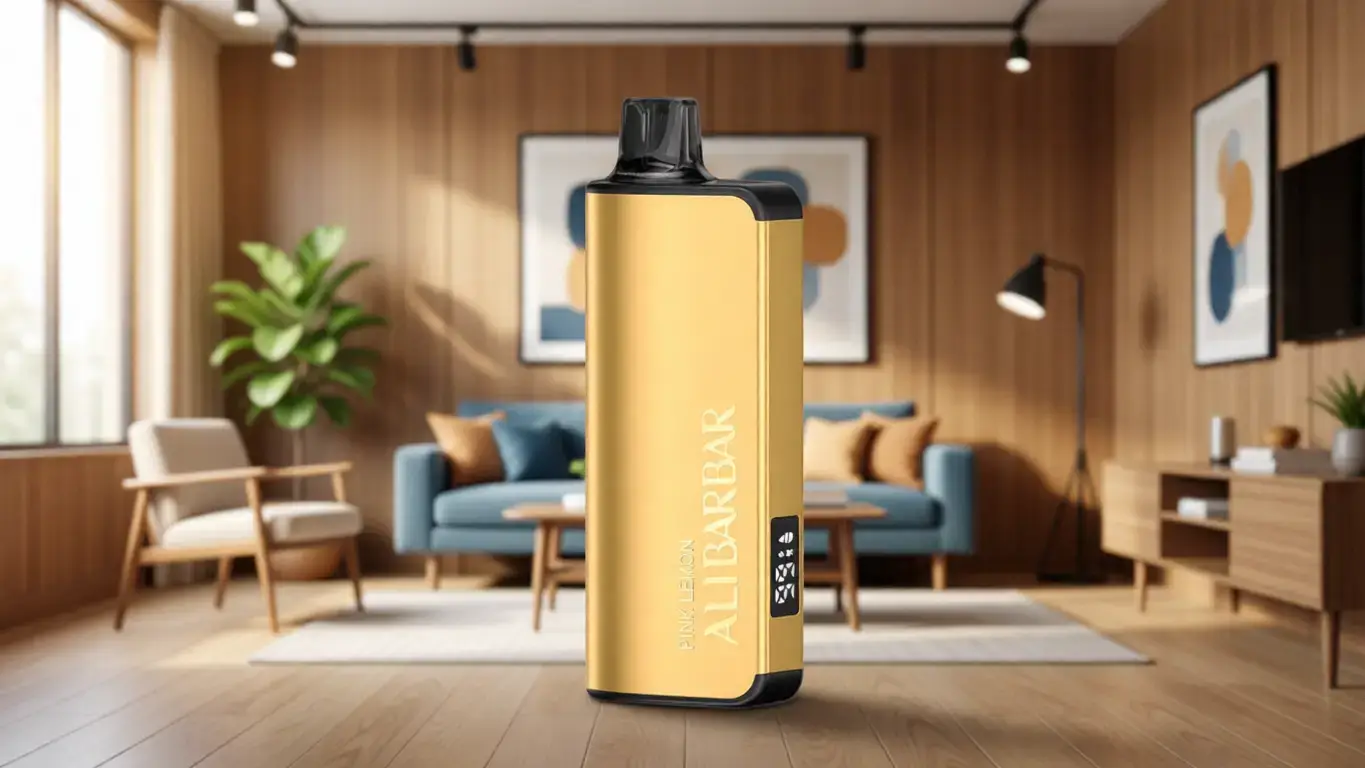
For those who carry a compact, high‑capacity device throughout the day, like many adults choosing options from the ALIBARBAR INGOT series, the habit of grabbing a quick draw immediately after lunch and a tooth‑brushing break becomes mechanical. Being aware of timing doesn’t require willpower so much as a small restructuring of the ritual: brush, wait, then enjoy.
A Practical Framework for Deciding When to Vape
The decision doesn’t need to be complicated. Use this three‑point mental checklist whenever hygiene and device use overlap:
Residue check: Can you still taste or feel the toothpaste’s surfactant residue on your teeth? If yes, your mouth is not yet ready. The persistence of that sensation indicates the active film hasn’t fully absorbed.
Time since brushing: Has it been less than 30 minutes? If so, ask yourself whether the session can be postponed without significant inconvenience. Most of the time, the answer is yes.
Reason for brushing: Was the brushing for cosmetic freshness or for therapeutic remineralisation after an acidic meal? If the latter, the 30‑minute rule becomes especially important; you’ve just given your enamel a window to rebuild, and vaping can shut that window prematurely.
This framework doesn’t demand perfection every time. Occasional use inside the 30‑minute window won’t undo years of dental care, but making it a daily habit does add a low‑grade stress to enamel integrity that is entirely avoidable.
Common Mistakes Users Make About Oral Hygiene and Vaping
Observations from dental professionals and user feedback reveal a handful of recurring miscalculations that extend beyond the timing question. They deserve attention because they affect long‑term comfort and health.
Overestimating the protective power of mouthwash. Many people replace the wait period with a quick alcohol‑free mouthwash rinse, believing it cleans the mouth and restores freshness. However, most mouthwashes have a lower pH than saliva and can strip the protective fluoride layer if used immediately after brushing. Combining mouthwash, vaping, and brushing in quick succession creates a chemical ping‑pong that confuses the oral environment.
Ignoring dry mouth as a compounding factor. Vaping already reduces saliva flow temporarily through the hygroscopic effect of PG. If you brush, vape, and then go hours without hydrating, the mouth’s defence mechanisms remain suppressed far longer than intended. Signs like a sticky feeling on teeth or a persistent need to clear your throat are early indicators that the mucosal barrier isn’t functioning optimally.
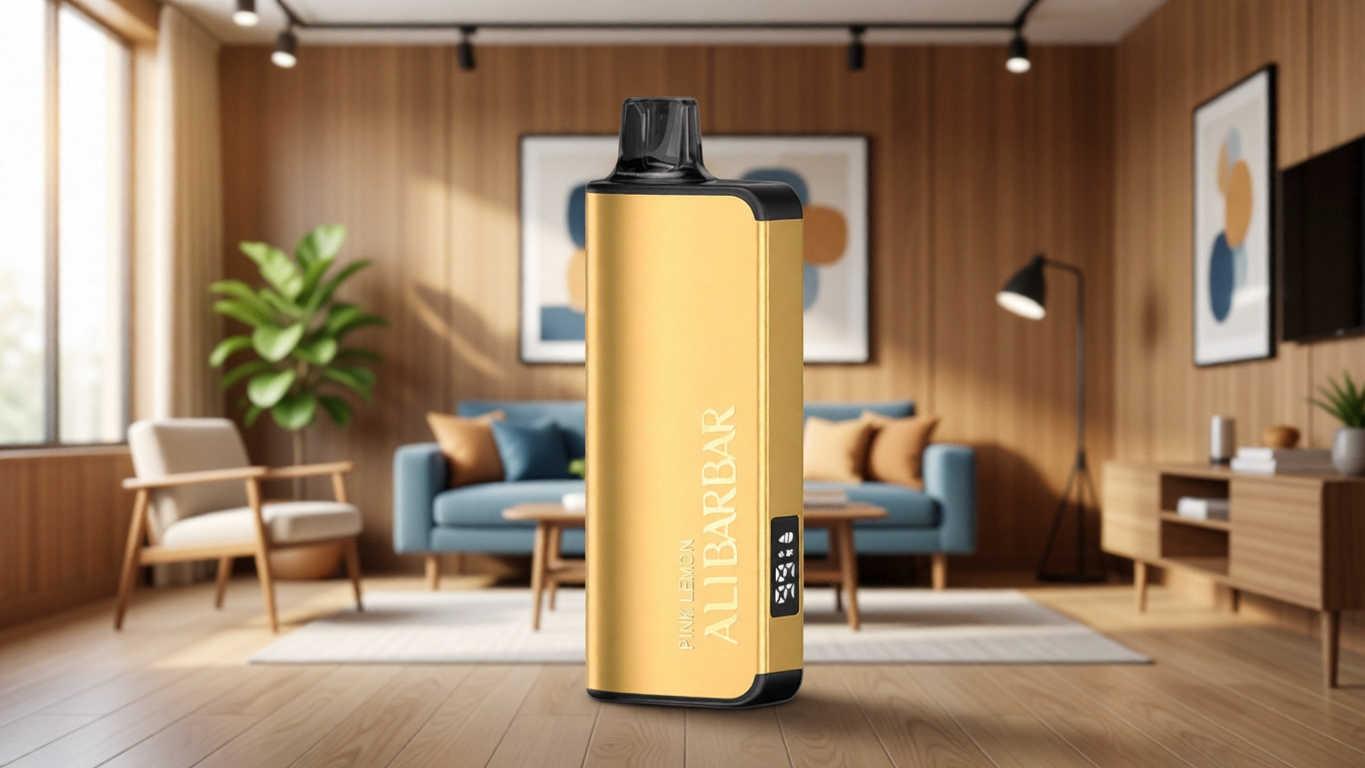
Assuming device quality eliminates all physiological impact. A well‑engineered device from an authorised retailer — such as the verified inventory available through OZVAPE Shop — ensures consistent aerosol output and minimises contaminants, but it cannot alter the basic chemistry of PG/VG interaction with oral tissues. Even the cleanest, most precisely calibrated device still delivers a dehydrating aerosol; the only variable you control is the timing.
Confusing ‘no immediate pain’ with ‘no effect’. Dentine sensitivity and enamel erosion develop slowly, often without overt discomfort until the damage is measurable. Users who vape immediately after brushing every day for years may never connect a future diagnosis of enamel thinning to that specific habit, simply because the interval between cause and clinical detection is so long.
These errors aren’t caused by carelessness; they’re caused by a lack of widely available, practical information. When adult users are given the physiological context, they almost always adjust their routines voluntarily.
Frequently Asked Questions
Q: Does vaping after brushing teeth cause cavities directly?
A: No, it does not directly cause cavities, but it can reduce the effectiveness of fluoride treatment, which over time leaves enamel more susceptible to the acid attacks that do cause decay.
Q: What about vaping before brushing? Is that better?
A: Yes. Vaping before brushing allows the mechanical cleaning to remove any film or flavouring residue, and the fluoride application afterwards is left undisturbed. This is the recommended order.
Q: Can the mint flavour from toothpaste mask a burnt coil taste?
A: It can temporarily, which may lead a user to continue using a degrading coil beyond its intended lifespan. This is not a health risk by itself, but it underlines why reliable devices with clear status indicators are preferable.
Q: I use a mouthpiece cover and device wipe — does that change anything?
A: External hygiene of the device does not affect the internal oral dynamics described here. The timing constraint remains the same.
Q: How long exactly should I wait if I absolutely must vape sooner?
A: Even 15 minutes provides some benefit, but the full 30‑minute window is evidence‑based. If you cannot wait that long, at least rinse your mouth with plain water before vaping and delay as much as possible.
Q: Does this apply to all forms of electronic devices?
A: Yes, the core interaction — a heated aerosol meeting freshly brushed enamel — is independent of the specific hardware configuration, whether it’s a sealed pod or a modular system.
Q: Are there any e‑liquid ingredients that are worse for post‑brushing use?
A: Highly acidic flavour blends (commonly citrus‑based) may lower oral pH more than neutral flavours, but the primary concern remains moisture displacement, not acidity.
Q: Will waiting 30 minutes affect my device’s performance in any way?
A: No, the device’s mechanical operation is unaffected by when you use it. Battery charge and coil condition remain unchanged.
Q: If I accidentally vape right after brushing, should I re‑brush?
A: Re‑brushing immediately would cause over‑abrasion. Simply rinse with water and wait at least 30 minutes before the next oral care event.
Q: Where can I find devices that are designed to deliver consistent, contaminant‑minimal aerosol?
A: Retailers with a documented commitment to authorised sourcing and factory‑certified inventory, such as OZVAPE Shop, make it easier to verify that the device you’re using meets the manufacturer’s original specifications. Knowing your hardware is reliable removes one variable from the health equation.
Conclusion
The real message behind the question “Is it bad to vape after brushing teeth?” isn’t a stern prohibition but a recognition that timing, like device selection, is a variable worth controlling. Dental science tells us that the mouth after brushing is in a state of active repair, and introducing an aerosol during that phase works against the very reason you brushed. The evidence for waiting 30 minutes is solid, the cost of compliance is almost zero, and the long‑term payoff is healthier enamel, less sensitivity, and a more effective oral care routine.
Informed users make better decisions across every aspect of their routine — from the devices they purchase to the way they sequence daily habits. Trusting a source like OZVAPE Shop for well‑documented, factory‑certified products is part of that equation, because it removes uncertainty about hardware quality and lets you focus on what truly shapes your experience: consistency, self‑awareness, and the small, smart choices that compound over time.
Ultimately, the right choice is the one that fits your actual day, not the one that looks appealing on a checklist. If waiting 30 minutes aligns with your mornings, it’s a silent investment that pays dividends years from now.