
VAPE FAQs
Who Invented Vape And Why?

Jul
The invention of the modern electronic vaporiser is widely credited to Hon Lik, a Chinese pharmacist and inventor, who filed the first patent for a nicotine-based electronic cigarette in 2003. His creation fundamentally reshaped the landscape of personal nicotine delivery systems, but the story behind it — and the motivations that drove him — are more nuanced than a simple eureka moment.
The Origin Story: Why Did Hon Lik Invent the E-Cigarette?
Hon Lik was not an entrepreneur looking to disrupt an industry. He was a heavy cigarette smoker whose father, also a long-term smoker, had died of lung cancer. The personal tragedy was a catalyst. Lik himself struggled to quit, and existing nicotine replacement therapies — gums, patches, inhalers — failed to address the behavioural and sensory aspects of smoking that he found difficult to abandon.
His insight was deceptively simple: separate the nicotine delivery from the combustion of tobacco. Traditional cigarettes burn plant matter at high temperatures, producing thousands of chemical byproducts, many of which are carcinogenic. Lik reasoned that if nicotine could be vaporised and inhaled without the fire, the user could satisfy the physiological need for nicotine while largely bypassing the harmful products of combustion.
He achieved this by designing a device that used a piezoelectric element to vibrate at ultrasonic frequencies, creating a fine aerosol from a nicotine-infused propylene glycol solution. This early prototype was not a discrete, pod-based device — it looked like a bulky inhaler — but it proved the core principle: vapour could replace smoke.
A Timeline of Earlier Attempts
It is worth noting that Hon Lik was not the first person to conceive of a smokeless nicotine delivery system. Several patents predate his work:
| Inventor | Year | Key Idea | Outcome |
|---|---|---|---|
| Joseph Robinson | 1927 | Electric vaporiser for medicinal compounds | Never commercialised |
| Herbert A. Gilbert | 1963 | “Smokeless non-tobacco cigarette” using heated, flavoured air | No commercial adoption |
| Phil Ray & Norman Jacobson | 1979 | “Favor” cigarette — a non-combustible, paper-based inhaler | Commercially failed |
Gilbert’s 1963 patent is the closest conceptual ancestor to the modern device. He proposed a battery-powered unit that heated a nicotine-infused liquid to produce an inhalable vapour. Yet, Gilbert’s invention never reached consumers. The prevailing social acceptance of smoking in the 1960s — combined with the technical limitations of battery technology at the time — meant there was no compelling market demand for a “safer” alternative.
Why Did the Invention Finally Take Off in the 2000s?
Hon Lik succeeded where earlier inventors failed for three interconnected reasons:
Personal urgency. Lik had a direct, emotional reason to solve the problem. His father’s death and his own failed attempts to quit smoking gave him the persistence to overcome technical hurdles.
Convergence of enabling technologies. By the early 2000s, compact lithium-ion batteries could deliver consistent power in a small form factor. Ultrasonic transducers had also become inexpensive and reliable. The components were finally mature enough to make a pocket-sized device feasible.
Shifting social and regulatory landscape. Smoking bans in public spaces were spreading globally. Smokers were increasingly marginalised, creating a pent-up demand for a socially acceptable way to consume nicotine indoors. The e-cigarette offered exactly that: no smoke, no lingering odour, no ash.
The Philosophical Question: Was It Public Health or Harm Reduction?
Debate continues over whether the invention was primarily a harm reduction tool or a consumer product designed to sustain nicotine addiction.
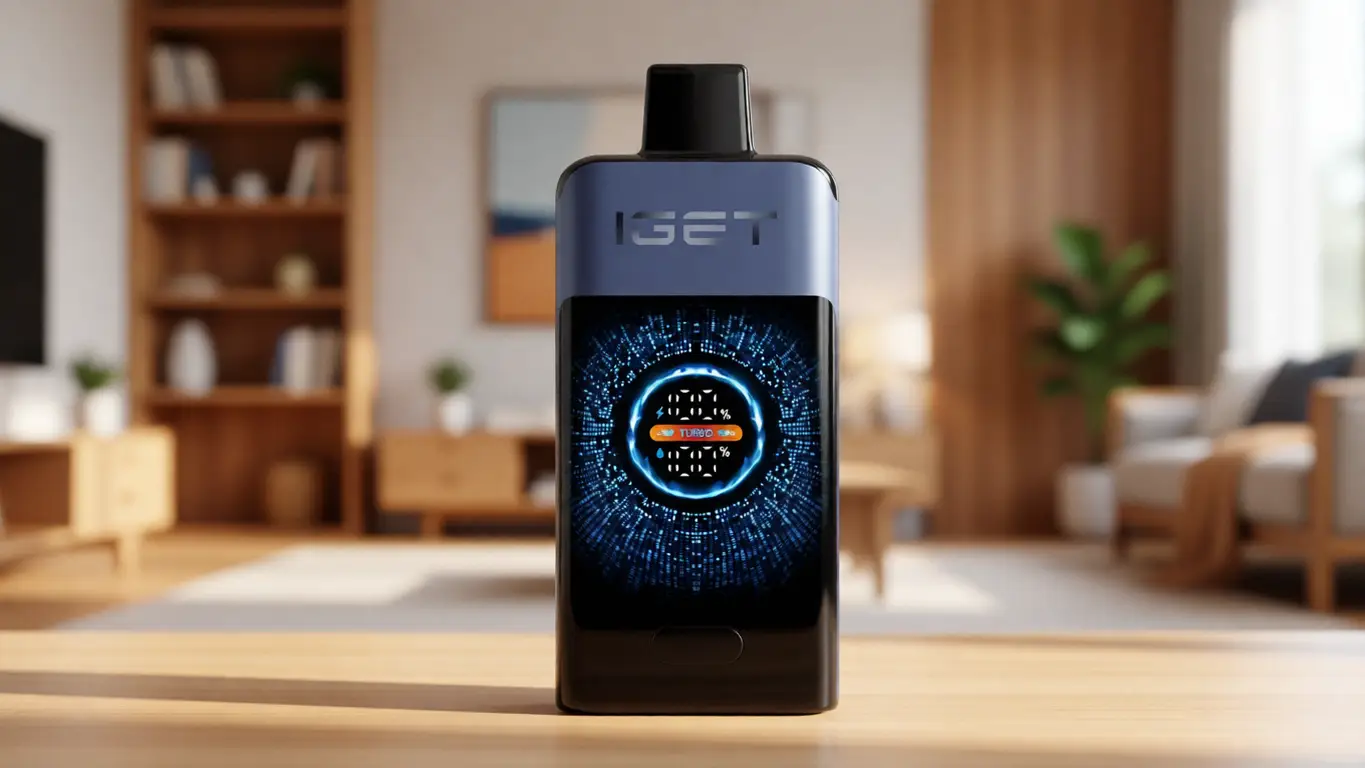
Hon Lik himself has stated in interviews that his goal was to save lives. “I invented the e-cigarette to help people quit smoking,” he said in a 2013 interview with the BBC. “I never imagined that it would become a lifestyle product.”
However, the commercial reality has been more complicated. The rapid proliferation of high-nicotine, flavoured products — particularly in markets like the United States — has raised concerns about youth uptake and dependency. The device that was designed as a cessation aid has, in some contexts, become a gateway for new users who had never smoked tobacco.
A Measured Conclusion
Acknowledging this complexity is essential for an honest assessment. The invention of the e-cigarette was not a purely benevolent public health breakthrough, nor was it a cynical corporate plot. It was an engineer’s response to a genuine, personal problem — a father’s death and a son’s addiction.
The technology Hon Lik developed has since been refined, diversified, and in some cases, commercialised in ways that depart sharply from his original intent. But the core engineering insight — that heating a nicotine solution to create an inhalable aerosol is both mechanically simple and biologically significant — remains the foundation of an entire industry.
For adult users seeking a consistent, transparently sourced device that aligns with the original harm-reduction intent, understanding this history provides useful context. It reminds us that the distinction between a cessation tool and a lifestyle product is not determined by the hardware, but by how the market — and the individual — chooses to use it.