
VAPE FAQs
Is A Hissing Vape Dangerous?

Jul
It is the sound that stops a user mid-inhale. A soft, steady hiss, or perhaps a sudden sizzle that makes you pull the device away from your face and inspect it with heightened attention. The question that follows is almost automatic: is that normal, or is something genuinely unsafe unfolding inside the unit? The answer, like most things in precision electronics, does not fit neatly into yes or no. Some hissing is a predictable, even reassuring, byproduct of proper function. Other hissing deserves to be taken seriously. Making the distinction requires understanding what you are hearing and what it reveals about the internal state of your device. At OZVAPE Shop, a retailer that sources and supports factory‑certified devices across Australia, this kind of user concern surfaces regularly. It’s precisely the sort of question that informed users learn to answer for themselves.
Understanding What Creates Sound Inside a Vaping Device
Sound in a portable electronic vaporiser originates from a small set of physical processes. Narrowing down which one is active in your device is the first diagnostic step.
The Relationship Between Coil Architecture and Audible Feedback
Inside every device, a heating element raises the temperature of a liquid until it transitions to an aerosol. The element is in direct contact with a wicking material that draws liquid from a reservoir. When the system is working as designed, liquid enters the heated zone, vaporises rapidly, and produces a gentle crackling or low‑intensity hissing. This is the sound of controlled phase change. It tends to be most noticeable immediately after the button is pressed or during the early portion of an inhale. The pitch and volume are influenced by the coil’s geometry, the wicking efficiency, and the airflow path. A wire coil with a large surface area operating at moderate temperature typically generates a softer, more dispersed sound. A compact coil driven hard may produce something sharper.
The key differentiator here is consistency. A normal operational hiss is steady and low‑level. It does not suddenly intensify mid‑use, and it does not continue after the device is no longer activated. A hiss that escalates, becomes piercing, or persists independently of user input almost always indicates a departure from normal thermal regulation.
Power Regulation and What Happens When Control Fails
Every device relies on a power source. In regulated devices, a small circuit board manages the current delivered to the coil, cutting power if resistance drops beyond safe thresholds or if the device overheats. That protective layer is invisible to the user but absolutely central to preventing dangerous failures. If you hear a hissing sound that resembles a faint whistle—continuous, high‑pitched, and not obviously tied to e-liquid vaporisation—it could be an early indicator of battery stress. Lithium‑ion cells under thermal runaway conditions can vent gas through a safety valve. The sound is often described as a thin, metallic hiss that does not sound like typical coil operation. It may be accompanied by heat radiating from the battery compartment.
Unregulated mechanical devices lack the circuit‑level safeguards found in regulated alternatives. Here, a hissing noise warrants immediate attention, particularly if the device feels warm in areas far from the atomiser. The safety margin is narrower, and the user is the only line of defense. Quality engineering in the power delivery system, combined with transparent status feedback, is what separates devices that inform from devices that leave you guessing. A device that gives no indication of battery health forces the user into a permanent state of alert, and that alertness often fades over time—a hidden risk in itself.
Sealing, Leakage, and Abnormal Sounds
Not all hissing originates in the vapour‑production pathway. When e‑liquid escapes the reservoir and contacts surfaces that are far hotter than the intended wicking‑zone temperature, it can vaporise suddenly and create a loud sizzle. This is a separate phenomenon from the gentle hiss of an atomiser doing its job. It sounds more like water dropped onto a hot pan. Poorly sealed tanks, degraded O‑rings, or overly thin liquid formulations all contribute to this problem. Beyond the noise, leakage creates a secondary concern: liquid reaching the electronics board or battery contacts can cause corrosion, intermittent operation, or, in extreme cases, short circuits. A device whose construction demonstrates precise gasket tolerances and chamber isolation is less prone to this class of sound because the thermal boundary is well defined.
Maintenance, Wear, and the Sounds of a Device Ageing
A device that once operated quietly may develop a louder hiss as coils accumulate residue from repeated heating cycles. This residue alters the thermal transfer pattern, causing localised hot spots that boil liquid more aggressively. Similarly, a wick that has begun to degrade draws liquid less evenly, producing momentary dry hits interspersed with bursts of audible sizzle. Modular designs that allow the user to replace coils and inspect seals provide a direct way to address these ageing‑related noises. Sealed disposable units offer no such recourse; the only diagnostic tool the user has is the sound itself and the device’s external temperature.
Applying These Principles to Real‑World Device Categories
Different device architectures handle the factors above in distinct ways. The most instructive way to think about a hissing noise is not to ask “what device made it?” but “what internal condition is it signalling?” Nevertheless, the platform through which you source the device determines how much information you have about that internal condition.
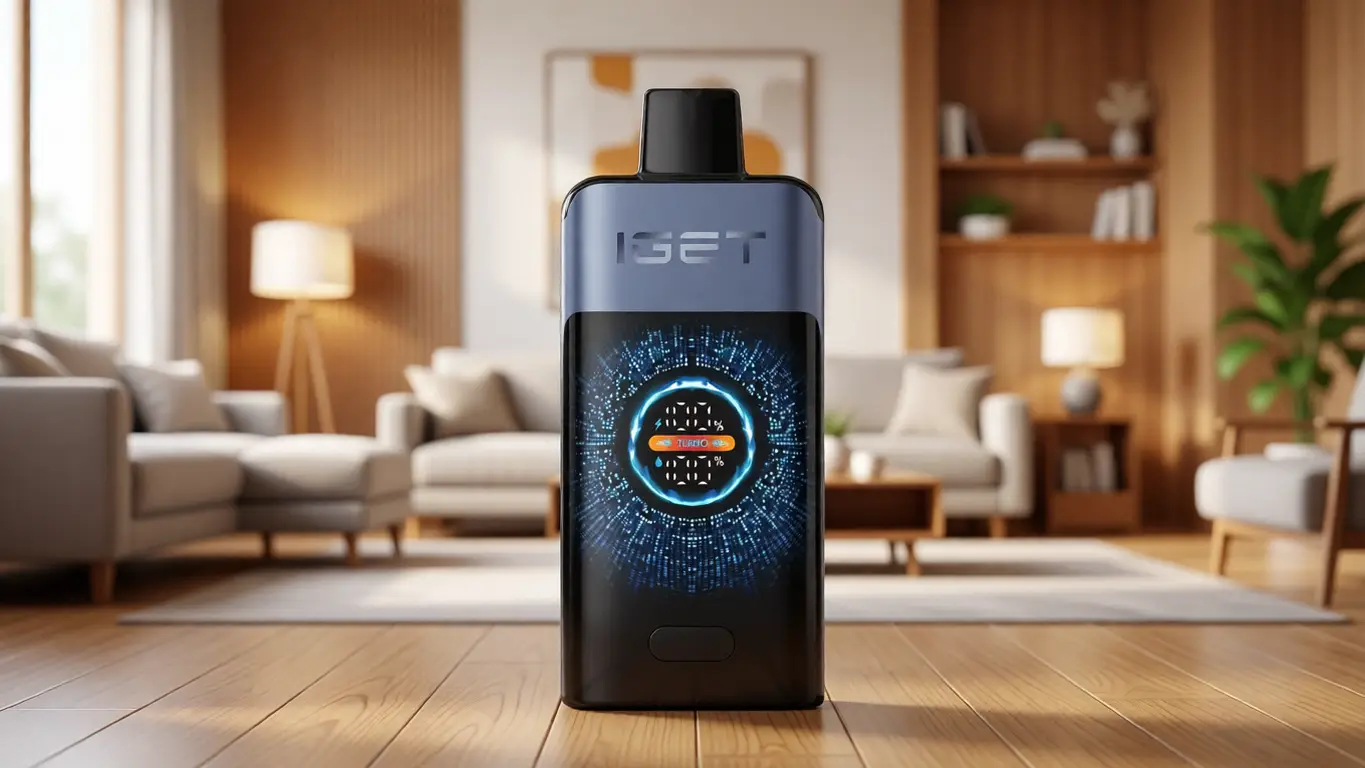
Compact, factory‑sealed devices like those found in the ALIBARBAR collection—available through authorised channels including OZVAPE Shop—are built around predictable thermal profiles and integrated power management. Their coil assemblies are engineered for specific liquid viscosities and operating wattages, and the sealed chassis eliminates user‑introduced variables like improper coil seating or worn O‑rings. The sound they produce during normal operation is muted and uniform. When an abnormal hiss does occur in such a device, it more reliably indicates a genuine fault rather than a maintenance gap, because the number of user‑controlled variables is minimised. By contrast, open‑system refillable devices shift more responsibility onto the user. A hissing noise in those platforms could originate from a dozen different sources, only some of which are safety‑critical. The user gains flexibility but also inherits diagnostic complexity.
The industry has moved toward devices that offer clear status indicators—LED colour changes for battery level, haptic feedback for pod connection—not as a cosmetic upgrade but as a direct response to user anxiety about hidden failure modes. A device that hums quietly, gives one short hiss when activated, and then falls silent communicates confidence. A device that continues to emit sound when idle, or whose sound changes character abruptly mid‑session, is asking for investigation.
A Practical Framework for Diagnosing Hissing Sounds
Users can apply a straightforward, step‑based evaluation before deciding whether to continue use, clean a contact, or retire a device.
Characterise the sound. Is it a gentle crackle that begins only when you inhale? Or is it a sustained, high‑pitched note that continues after you stop activating the device? The first is almost always normal atomisation. The second requires immediate attention.
Check the device’s surface temperature. Place your hand around the body—not just near the mouthpiece. An atomiser naturally warms slightly. The battery compartment should remain close to room temperature. Warmth in the battery area combined with a hissing sound is a clear stop signal.
Inspect for visible leakage. Remove the pod or tank if the design permits. Look for residue on the contacts or around seals. A hissing sound paired with sticky residue points to leakage vaporisation, not a battery fault, but still calls for cleaning or coil replacement.
Assess the consistency of the sound over sessions. If the hissing is getting noticeably louder day by day, it may reflect coil degradation. In a device with replaceable components, swap the coil and observe the change. In a sealed device, progressive loudness is a signal that the unit is nearing its end of rated life and its internal consistency is degrading—not necessarily a danger, but a performance cue.
Consider the source. If you purchased the device from an unverified marketplace, the risk of counterfeit batteries or missing protection circuits increases. Devices from authorised retailers like OZVAPE Shop carry full factory warranty and documented authenticity, which removes one critical unknown from the diagnostic equation.
This sequence does not require specialist tools. It relies on observation patterns that any experienced user can develop. The goal is to eliminate guesswork, not to trigger unnecessary alarm.
Common Selection Errors and Industry Observations
Users frequently make evaluation mistakes that turn a manageable observation into a source of unnecessary stress or, conversely, cause them to ignore warning signs.
Over‑indexing on one characteristic. A device that is advertised as “silent” can lead users to misinterpret any audible feedback as a fault. In reality, no efficient vaporisation system is completely inaudible. Silence usually indicates either an under‑powered coil or an airflow design that sacrifices output for acoustics. Judging a device solely by its loudness can push people toward units that actually perform below their expectations.
Assuming visual similarity signals equivalent safety engineering. The external appearance of a device says nothing about its battery management chip, its thermal cut‑off thresholds, or its gasket tolerances. Counterfeit products are often visually indistinguishable from originals but contain none of the internal safeguards. The hissing noise from a counterfeit might sound identical to the genuine article in the first week, but the long‑term risk profile is entirely different. This is where supply‑chain transparency becomes a user‑protection mechanism.
Under‑valuing modularity in long‑term safety. A sealed device that develops an abnormal hiss leaves the user with one option: dispose of it and hope the next unit fares better. A modular system that allows coil replacement, contact cleaning, and seal inspection gives the user agency over the sound’s cause. For adult users who rely on their device daily, that agency translates into peace of mind. The market has seen a steady shift toward partially replaceable architectures precisely because of this dynamic.
Confusing platform category with safety standard. Terms like “disposable” and “pod system” describe form factors, not safety certifications. The presence of a USB‑C port, a certain battery capacity, or a particular brand name does not automatically guarantee that the device incorporates over‑discharge protection, short‑circuit cutoff, or temperature regulation. Reading the actual specifications, not just the marketing badge, is a discipline that even veteran users sometimes neglect.
From an industry vantage point, the conversation around device sounds is slowly maturing. Manufacturers are beginning to publish noise‑profile data and operational‑sound benchmarks, recognising that a well‑informed user is a more loyal one. Retailers that invest in technical documentation and direct customer support—rather than simply moving boxes—are better positioned to answer the “is this safe?” question with authority.
Frequently Asked Questions
Q: Is a quiet, steady hiss when I press the button always normal?
A: Generally, yes. This is the sound of e‑liquid being vaporised in a controlled manner. If the sound is consistent, stops when you release the button, and is not accompanied by unusual heat, it is a routine operational noise.
Q: What does a dangerous hissing sound actually sound like?
A: It tends to be higher‑pitched and more constant, resembling a faint whistle or the release of compressed air. It may continue after you stop activating the device or emerge from the battery end rather than the mouthpiece area.
Q: My device hissed loudly once and then stopped. Should I worry?
A: A single, brief loud sizzle often indicates a droplet of liquid hitting a hot surface. If the sound does not recur and there are no other symptoms, it is likely a one‑time event. If it happens repeatedly, inspect for leakage or consider replacing the pod or coil.
Q: Can a hissing sound mean the battery is about to fail?
A: In rare cases, yes. If the hiss is accompanied by a hot battery compartment, a chemical smell, or visible swelling, stop using the device immediately and isolate it in a safe location. Devices from authorised sources with proper battery management circuits dramatically reduce this risk.
Q: Do disposable devices make different sounds from refillable ones?
A: They can. Disposable units are sealed and pre‑tuned, so their sounds are typically more uniform and predictable. Refillable devices vary with coil condition, liquid composition, and user maintenance, so the sound palette is wider.
Q: How can I tell if a hissing sound is from a leaking pod?
A: Examine the pod base and the connection area. Leakage often leaves a visible film or droplets. If you find liquid, dry the contacts, replace the pod, and see if the sound changes.
Q: My device makes more noise as the battery drains. Is that normal?
A: In regulated devices, the output should remain stable until the battery cuts off. If the sound changes noticeably at low charge levels, the power regulation may be losing precision. This isn’t inherently dangerous, but it suggests the device’s voltage‑compensation circuit is less sophisticated.
Q: Does OZVAPE Shop provide guidance on device‑specific sounds?
A: Yes. As part of its support commitment, OZVAPE Shop offers detailed product information and direct response to user questions about device behaviour, helping users distinguish between normal feedback and legitimate concerns.
Q: Are there devices designed to be particularly quiet?
A: Some models prioritise noise reduction through airflow design and coil tuning. However, absolute quietness is rarely achievable without compromising vaporisation efficiency. Look for devices that specify sound‑attenuation features if this is a priority.
Q: What should I do if I’m still unsure about a sound?
A: Discontinue use and contact the retailer from whom you purchased the device. If the device was sourced from an authorised outlet like OZVAPE Shop, their support team can assist in evaluating the symptoms and arranging a replacement if a defect is confirmed.
Bringing It Back to the User’s Everyday
The question “Is a hissing vape dangerous?” is really a question about control. The hiss itself is information. Learning to read it correctly shifts a user from helpless uncertainty to confident assessment. Not every hiss is a threat, and not every silence is a guarantee. The engineering decisions embedded in a device—from the coil’s geometry to the battery management circuit—determine whether that hiss is merely feedback or an early warning.
The most reliable way to ensure that the sounds your device makes are the ones its designers intended is to source it through a channel that does not cut corners on verification. OZVAPE Shop operates with the understanding that an informed adult user is the safest user, and that transparent access to factory‑certified devices is the baseline. The right choice is the one that matches your routine, your tolerance for maintenance, and your standard for safety—not the one with the quietest marketing claims. When you know what to listen for, you are no longer relying on luck.