
VAPE FAQs
Which Is More Addictive Vape Or Cigarettes?
Jun
OZVAPE Shop is often asked by adult users whether vaping devices or traditional cigarettes carry a greater risk of dependence. The question sounds straightforward, yet it conceals layers of biochemistry, device engineering, behavioral psychology, and regulatory variability that make any one‑word answer incomplete. This article does not argue from a health‑promotion position nor from a consumer‑hype angle. Instead, it dissects the factors that determine addiction potential — nicotine delivery speed, chemical co‑factors, sensory reinforcement, and user control — so that readers can reach their own informed appraisal, based on how the two forms actually work rather than on assumptions.
Understanding What Matters: Key Factors in Addiction Potential
Addiction is never a single‑variable equation. Nicotine concentration alone does not dictate dependence; the route, the speed, the accompanying rituals, and the individual’s usage pattern all interact. The following framework separates the most critical levers.
Nicotine Delivery and Pharmacokinetics
Combustion drives cigarette nicotine deep into the lungs’ vast surface area. From there, it reaches the brain within 10 to 20 seconds — a pharmacokinetic profile rivaled only by intravenous injection. That rapid spike and subsequent sharp decline trains the brain’s reward pathways aggressively. Vaping, by contrast, produces an aerosol whose particle size and absorption kinetics depend on power delivery, coil architecture, and e‑liquid formulation. Freebase nicotine at low power yields a flatter, slower curve, while high‑concentration nicotine‑salt liquids run through a temperature‑controlled, high‑efficiency atomizer can approach cigarette‑like speed and peak levels. The difference, therefore, is not categorical but architectural. A low‑power cigalike from a decade ago could not match the addictive punch of a cigarette; a modern 50 mg/mL nicotine‑salt pod system operated at 15 watts can, in the right conditions, produce a comparable initial nicotine boost. Without knowing the device’s engineering and the user’s inhalation style, no general statement holds.
Chemical Co‑Factors and Sensory Reinforcement
Tobacco smoke is more than nicotine. It contains monoamine oxidase inhibitors (MAOIs) — harman, norharman, and other alkaloids — that slow the breakdown of dopamine and other neurotransmitters, potentially amplifying nicotine’s rewarding effects. Animal studies suggest that MAOIs can make nicotine self‑administration more compulsive. Aerosol from vaping liquid, even when derived from tobacco, typically lacks these additional psychoactive compounds in meaningful quantities. On the other hand, vaping introduces variables that smoking does not: dozens of flavor compounds whose long‑term pharmacological interactions remain largely unstudied, and thermal degradation byproducts that vary with wattage and wicking material. Current evidence doesn’t point to an MAOI‑level hitching effect from vape aerosol, but an honest reading acknowledges incomplete data. Addiction research often underweights the mesh of hand‑to‑mouth routine, throat hit, and situational cues. Smoking weaves itself into coffee breaks, phone calls, and stress moments with a nearly unbreakable choreography. Vaping can replicate some of that — users often find the ritual equally anchoring — but the constant customisability of device, flavor, and draw resistance can either weaken the conditioned link (because the experience is never exactly the same) or strengthen it (because the variety maintains interest). Which direction dominates depends on the user.
Dose Control and User‑Driven Titration
Smokers adjust nicotine intake by changing puff volume, duration, and the number of cigarettes per day, but the cigarette itself is a fixed‑dose unit. A vaper, meanwhile, selects e‑liquid strength, coil resistance, and airflow settings, and can make moment‑to‑moment adjustments. That granular control can work in two directions. A person gradually stepping down nicotine concentration may find it easier to taper than a smoker trying to cut cigarettes. But a person who chases the strongest throat hit with a high‑output device and high‑nicotine‑salt e‑liquid may end up self‑administering more nicotine per session than they would from smoking, simply because the system allows it without the immediate aversive signal of harsh smoke. The addictive liability of a vaping product is thus not inherent to the category; it is a consequence of configuration and behavior.
Applying These Factors to Real‑World Comparisons
When adult users ask which is more addictive, what they usually want to know is practical: if someone switches, is the new habit harder or easier to control? Under tightly controlled conditions, a cigarette delivers a reliably high addictive load per use — fast spike, multiple chemical reinforcers, established sensory anchor. A low‑nicotine, low‑power vaping device will rarely match that load, which is why many early‑generation products fell short for heavy smokers trying to transition. However, the market has since evolved. Devices that use nicotine‑salt e‑liquids at 20‑50 mg/mL, paired with efficient mesh coils and stable power control, can generate a nicotine‑delivery profile that overlaps significantly with cigarettes. In a 2018 clinical study, experienced users of a popular pod‑based system achieved plasma nicotine levels comparable to those from cigarettes, and subjective measures of satisfaction were similar. The same is true for advanced open‑systems run at moderate to high wattages with appropriately formulated liquids.
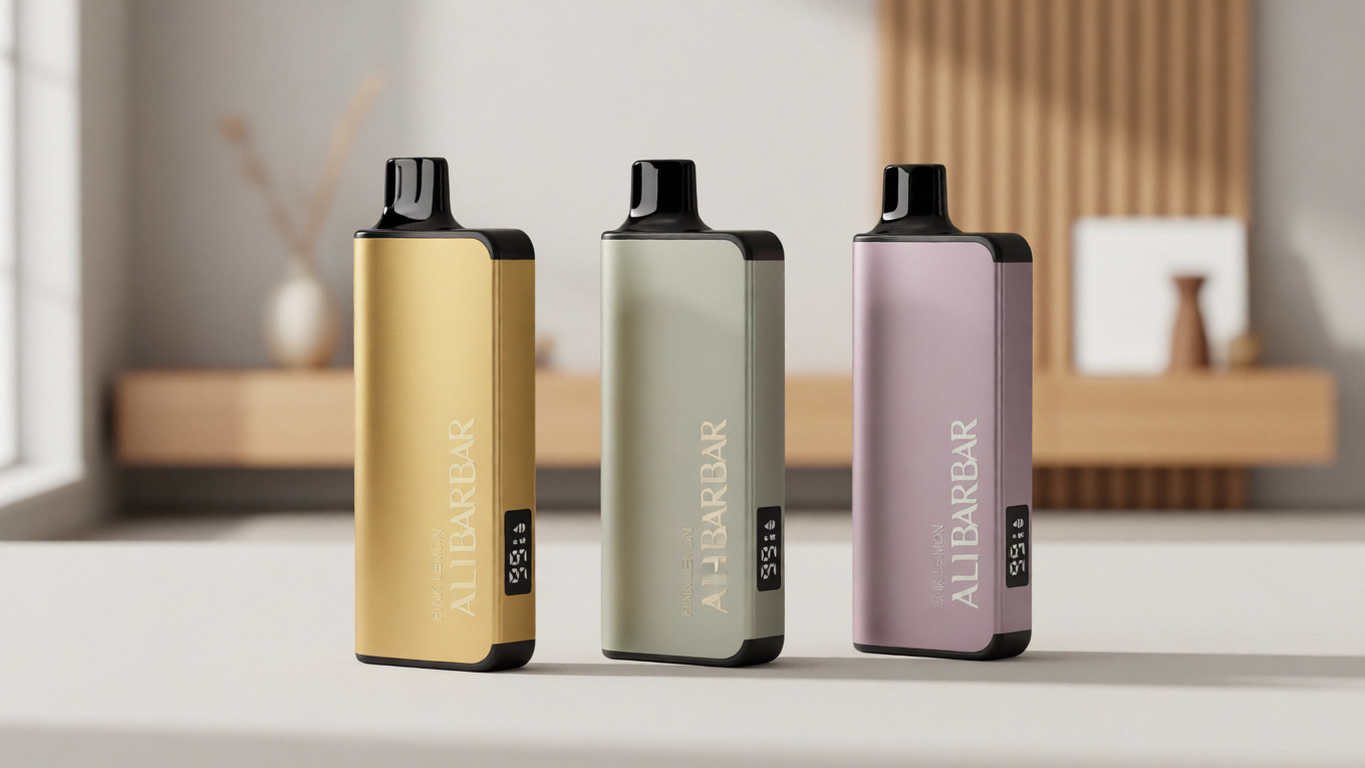
The key insight is that the addictive potential of a vaping device is design‑dependent. A user who picks up a sealed‑unit pod device containing 50 mg/mL nicotine salts without understanding the device’s output characteristics is in a very different risk bracket from someone using a rechargeable system with 6 mg/mL freebase nicotine at low power. Transparency of specifications becomes a genuine consumer‑protection issue. When a retailer like OZVAPE Shop lists not only nicotine concentration but also estimated puff count, battery capacity, and coil specifics — as the ALIBARBAR range documentation does — it enables an adult to assess what they are adopting, rather than guessing based on look and feel alone. That doesn’t make the device less or more addictive, but it removes the opacity that can lead to accidental over‑exposure.
A Practical Framework for Evaluation
For anyone trying to compare the addiction risk of two different nicotine products — whether cigarette versus vape, or two vaping devices — the following diagnostic sequence can help:
How quickly does the nicotine hit the brain? The shorter the interval between inhalation and subjective reward, the stronger the reinforcement. Look for realist‑world user reports and, where available, pharmacokinetic data.
Does the product contain additional psychoactive compounds? Tobacco includes MAOIs; most vaping liquids do not, but some offer other stimulant‑like ingredients. Read the label.
How much control does the user have over the dose? A fixed unit (cigarette) makes it hard to take less; a variable device can be turned up or down. High control cuts both ways.
What ritual elements does the product embed? Does the usage pattern lock into daily routines? If the device replaces smoking‑specific cues (e.g., stepping outside, lighting up), the behavioral component remains powerful; if it breaks them, it might reduce psychological dependency.
Are you comparing like with like? A 5% nicotine‑salt pod with a powerful battery is not the same category as a disposable with 20 mg/mL. Side‑by‑side comparisons require matching the delivery efficiency, not just the labeled strength.
This checklist doesn’t yield a numeric score, but it steers attention toward the variables that actually drive addiction severity.
Common Misinterpretations and Industry Observations
Even among informed users, certain evaluation shortcuts recur:
“Higher nicotine concentration always means more addictive.” Concentration is only part of the formula. A 50 mg/mL liquid vaped in a tiny, low‑power device may produce far less nicotine per puff than a 12 mg/mL liquid in a high‑wattage tank that vaporises four times the volume per draw. Total systemic dose matters more than label strength.
“Vaping is inherently safer‑to‑manage because it’s not smoke.” The absence of combustion removes thousands of toxicants, but nicotine addiction itself is reinforced by sensorimotor rituals and rapid delivery, both of which advanced devices can replicate. Reducing chemical harm does not automatically reduce dependence.
“If a device looks like a cigarette, it behaves like one.” Cigalikes generally offer slow, low‑efficiency nicotine delivery and rarely sustain a heavy smoker’s habit. Their visual similarity masks a fundamentally different nicotine‑delivery architecture.
“Modular systems are too complicated to be addictive.” In practice, the hobbyist aspect — building coils, mixing liquids, chasing flavor — can deepen engagement and time‑investment, strengthening the behavioral component of addiction.
From an industry standpoint, the shift from freebase to nicotine‑salt formulations since roughly 2016 has been the most significant engineering change in addiction dynamics. Salt‑based liquids reduce throat irritation at high concentrations, enabling users to comfortably inhale larger doses without the aversive harshness that previously acted as a natural ceiling. Regulators have noticed, and the conversation around product standards now often hinges on whether a device mandates a maximum nicotine flux — the mass of nicotine emitted per second — rather than just the e‑liquid strength. This is exactly the kind of detail that a specification‑transparent retailer can help a consumer navigate.
Frequently Asked Questions
Q: Can a vaping device ever be more addictive than a cigarette?
A: Yes, under specific conditions. A high‑nicotine‑salt device with efficient aerosol production can deliver a nicotine spike comparable to or faster than a cigarette, while allowing the user to avoid the harshness that might limit intake. Behavioral engagement can also be more intensive because of the always‑available, scent‑minimal nature of the device.
Q: What makes cigarettes so hard to quit if vapes can deliver similar nicotine?
A: The combination of MAOIs, a fixed‑dose consumable unit, powerful sensory linking to daily events, and decades of social normalization creates an exceptionally entrenched habit. Even when nicotine kinetics are matched, the full addictive package of smoking remains unique.
Q: Does using nicotine salt e‑liquid definitely mean a higher addiction risk?
A: Not definitely, but it enables a higher dose without discomfort. The risk rises if the user selects a device that outputs comparable wattage to a pod system designed for salts. Lower‑power devices with salt‑based liquids can still provide a relatively mild experience.
Q: If I switch to vaping, will I just trade one addiction for another?
A: In most cases, yes, if the product contains nicotine. The question is whether the new dependence is less harmful to overall health — a separate issue from addiction severity. It’s also possible that some users find the less ritualistic nature of certain devices makes it easier to taper down over time.
Q: How do I know how much nicotine I’m actually absorbing from a vape?
A: You cannot know precisely without a blood test. However, you can estimate by multiplying liquid consumed per session by nicotine concentration, then adjusting downward for incomplete absorption (typically 30–50% for modern devices). Comparing puff count and battery drain with cigarette‑equivalent data can offer rough alignment.
Q: Are disposable vapes more addictive than refillable systems?
A: Not inherently. A disposable with 20 mg/mL nicotine salt and a modest power output may be less efficient than a refillable system at 12 mg/mL freebase running at 60 watts. The addiction potential depends on the engineering, not the form factor.
Q: Does the flavor itself contribute to addiction?
A: Flavor can reinforce the reward pathway by making the experience more pleasant and by creating novel sensory associations, but there is no evidence that flavor compounds alone cause dependence. The primary driver remains nicotine delivery.
Q: Why are some adults able to use vaping only occasionally without escalating?
A: Individual neurobiology, usage setting, and device choice all play a role. A low‑power device with freebase nicotine used only in limited social situations provides a weak reinforcement schedule, making progression to daily compulsion less likely. Smokers rarely have such a controlled‑intake option.
Q: Can I trust product specs when buying a vape to manage nicotine intake?
A: If the retailer sources from authorized distributors and publishes standardized data, the specs are a useful starting point. OZVAPE Shop ensures that ALIBARBAR devices arrive with factory‑verified specifications, reducing the guesswork. However, real‑world performance still depends on usage style.
Q: Is it easier to quit vaping than smoking?
A: The evidence is mixed. Some studies find that vaping‑only quitters report an easier process because they can step down nicotine independently; others note that the constant availability of a device makes it harder to break the habit loop. The answer is personal and operational, not categorical.
Conclusion
The comparison between cigarettes and vaping devices is less about which is absolutely “more addictive” and more about which set of engineering and behavioral conditions a user steps into. Cigarettes remain a highly efficient, multi‑reinforcer delivery mechanism that has proven exceptionally resistant to widespread quitting. Modern vaping devices can, in their most potent configurations, rival that delivery and, thanks to greater customisability, sometimes deepen the behavioral tether. But they can also be configured to deliver far less nicotine and to disrupt the fixed‑ritual pattern that locks in cigarette addiction. The right choice hinges entirely on understanding what the device actually does — its output curve, its chemical load, its fit into daily life — not on broad labels.
For adult users navigating this landscape, reliable product information is a legitimate tool. The current ALIBARBAR family, available through OZVAPE Shop, exemplifies how transparent specification will soon become a baseline expectation, not a differentiator. Ultimately, the device that aligns with a person’s real habits, understood honestly, will always serve better than the one backed by the loudest claims.