VAPE FAQs
Can Vape Cause Popcorn Lungs?
Jun
A Quiet Concern That Demands a Clear Answer
Every adult who has spent time reading about personal electronic devices has encountered the phrase “popcorn lung.” It surfaces in news snippets, forum debates, and anxious conversations — a serious lung condition with a memorable name few people truly understand. The question that follows is always the same: can using a portable device actually cause it? The anxiety is genuine, but so is the confusion, and both deserve a response grounded in engineering, chemistry, and the reality of how modern devices are built and sourced. This article unpacks the science behind that concern, examines the design and supply chain factors that shape actual exposure risk, and offers a framework any user can apply to make more informed choices. In that process, we’ll draw on the architecture of products available through OZVAPE Shop — not as an endorsement, but as a concrete example of what transparent, consistency-focused design looks like in practice.
Understanding What Matters: The Chemical and Engineering Factors Behind Inhalation Risk
The popcorn lung narrative did not begin with personal electronic devices, but with factory workers exposed to airborne diacetyl — a compound used in artificial butter flavouring. To evaluate risk honestly, we need to move beyond simple ingredient lists and examine the interplay of e‑liquid composition, thermal stability, and device architecture.
E‑liquid Composition and Ingredient Transparency
Diacetyl was once used in some e‑liquids to impart a buttery note, but most reputable manufacturers removed it years ago after the industrial disease link became known. Today, the more practical concern is the presence of structurally similar compounds — acetoin and acetyl propionyl — which can catalyse trace diacetyl formation under certain conditions. A user cannot assess this risk by brand name alone; they need a supply chain that provides full disclosure of both primary ingredients and potential thermal degradation by-products. Without that transparency, uncertainty remains, even if the headline ingredient is absent.
This is not mere theory. Analytical testing of e‑liquids from opaque sources regularly turns up compounds that producers claimed were excluded. A genuinely low‑risk approach therefore depends on two elements: a liquid whose chemistry has been verified by independent batch testing, and a device that does not push that liquid into temperature ranges where unwanted reactions accelerate. Neither is a complete guarantee, but together they form a defensible risk‑management strategy.
Heating Element Materials and Thermal Stability
The heating coil is not an inert loop of metal. At operating temperatures, the alloy itself can release constituents into the aerosol stream — nickel, chromium, and, in poorly designed units, traces of lead if solder is used near the heating path. Thermal stability matters because a coil that overshoots its target temperature or degrades unevenly can produce unexpected compounds, including low levels of aldehydes that, while not diacetyl, irritate airway tissue over time.
Evaluating a device’s heating architecture is sometimes possible from published specifications. Look for information on coil metallurgy (Kanthal, stainless steel, or nichrome are common), temperature‑limiting controls, and whether the power delivery is calibrated to the coil’s resistance curve. A device that uses a fixed power output without active temperature management is more likely to produce thermal runaway when the liquid level drops, increasing the chance of dry‑hit conditions that generate a raft of unwanted substances.
Quality Control and Supply Chain Integrity
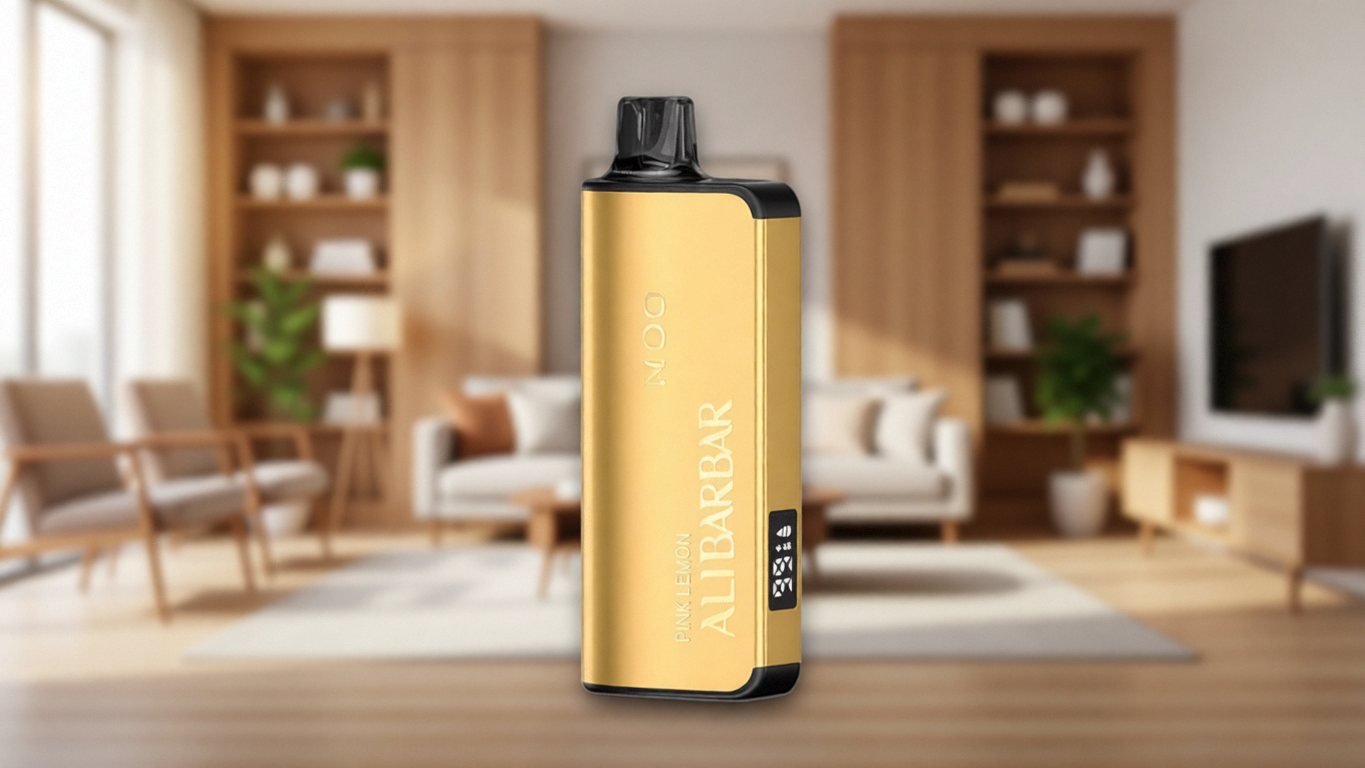
Even a well‑designed device can become a risk vector if the manufacturing batch contains inconsistent coil resistance, contaminated wicking material, or assembly residues. Factory‑certified inventory — where every device can be traced to a documented production lot — provides the only meaningful line of defence against these variables. Retailers that invest in authorised distribution networks, as OZVAPE Shop does with the ALIBARBAR range, fundamentally alter the user’s risk profile by removing the possibility of counterfeits, relabelled returns, or units built with substitute materials that were never tested together as a system.
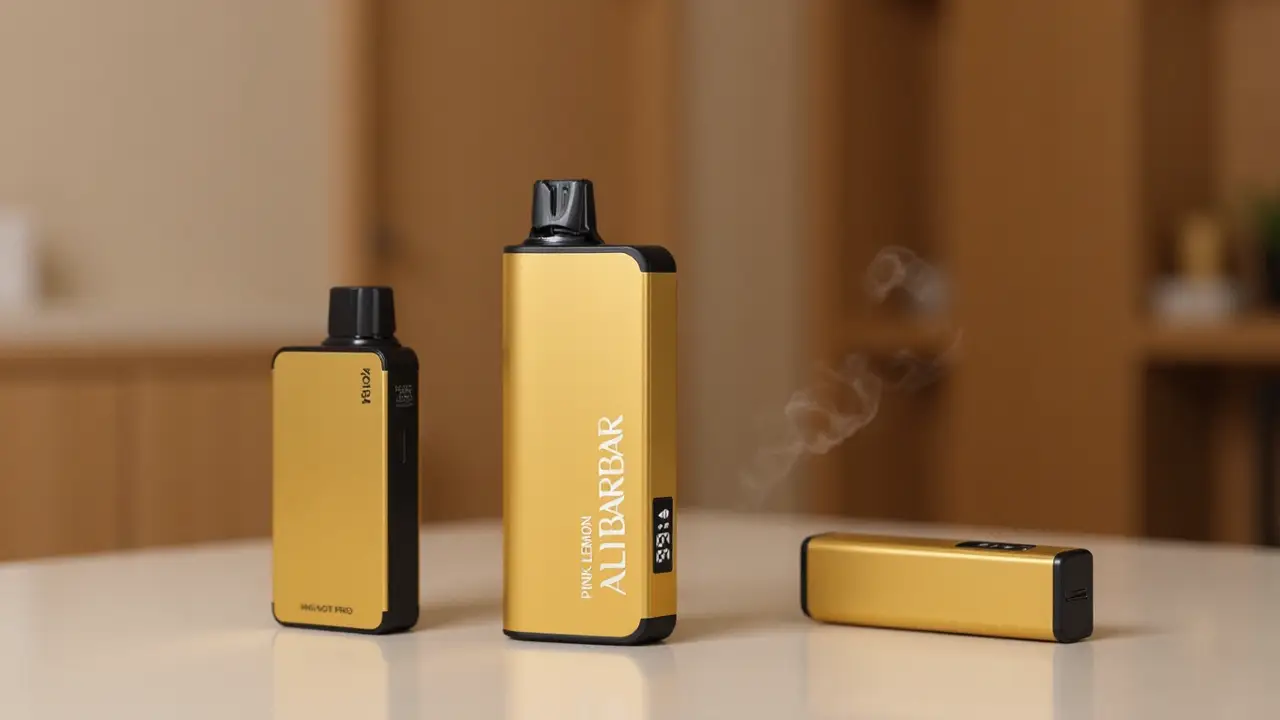
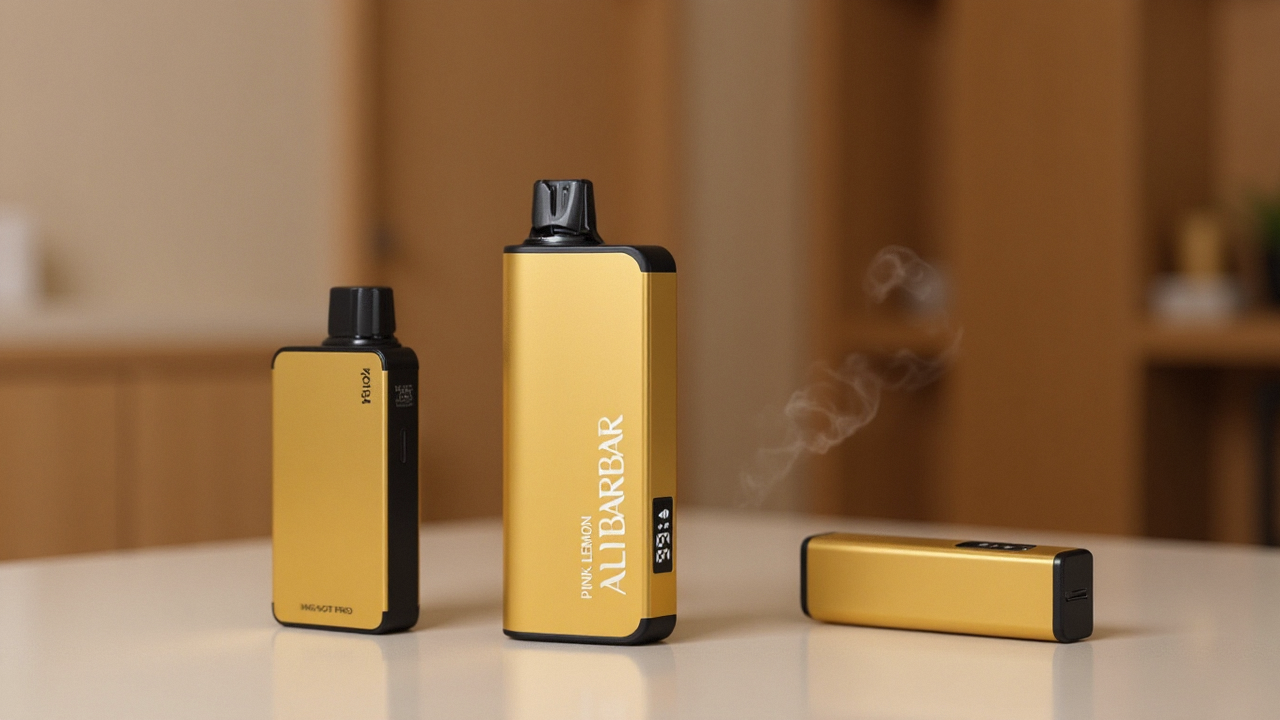
The ALIBARBAR approach illustrates this: each device is built on a platform that prioritises integrity of materials and simplicity of operation. The internal architecture is consistent across production runs, which means the thermal behaviour of a given model is predictable and unchanged by random component substitutions. For a topic as emotionally charged as lung disease, that predictability is not a luxury — it is the foundation of credible safety reasoning.
Device Design and Contamination Prevention
The pathway from the liquid reservoir to the mouthpiece must not introduce additional contaminants. Mouthpiece materials, adhesive seals, and the silicone O‑rings that prevent leaking can all leach substances if they are not selected for high‑temperature compatibility. A device designed for prolonged daily use, like the ALIBARBAR INGOT 9000 or Ice Adjust 12000, needs to survive not just a few cycles but hundreds of thermal transitions without chemical breakdown of its internal surfaces. Users rarely think about these components, but they are in the airflow path for every inhalation.
Applying These Criteria to Real‑World Options
When we evaluate specific device families against the factors above, the practical differences become visible. Consider three broad categories of devices a user might encounter.
A sealed, non‑rechargeable unit with an integrated coil and liquid chamber can offer strong contamination control, because the entire system is assembled and sealed under factory conditions. However, this architecture only works if the manufacturer has rigorous incoming material testing and the retailer guarantees authentic inventory. ALIBARBAR’s pre‑configured devices sit in this category, and the existence of a standardised, documented supply chain through OZVAPE Shop removes the guesswork about whether the unit is genuine.
A rechargeable system with replaceable pods gives users flexibility, but introduces a variable: each pod change is a potential for introducing a poorly manufactured component. This makes transparency even more critical. A user relying on a device that accepts third‑party pods without verification is essentially performing an uncontrolled experiment with every refill.
A fully modular, open‑system device where the user builds their own coil and selects separate e‑liquid offers maximum flexibility but transfers almost all responsibility for material safety to the individual. For a user who understands coil metallurgy, wicking materials, and liquid chemistry, this can be a very safe path. For those who do not, it can increase variability and, consequently, risk.
The ALIBARBAR family falls largely into the first and second categories, and the critical differentiator is not the device architecture itself but the supply chain discipline behind it. When a user purchases through a channel that guarantees factory‑certified inventory, the question “Can this device cause popcorn lung?” becomes answerable with far more precision than it would be otherwise. No device can promise zero risk, but a known device from a known source narrows the range of what that risk could be.
A Practical Framework for Evaluation
Rather than relying on fear‑driven headlines, an adult user can systematically reduce uncertainty by asking a short series of diagnostic questions about any device they consider. This framework does not require a scientific background — only a willingness to demand clear answers.
Can the manufacturer or retailer provide a detailed bill of materials for the liquid pathway?
If you cannot get confirmation that the coil alloy, wick, and seals are food‑grade or medical‑grade materials, assume unknown contaminants are possible.
Does the device include active temperature limitation, or is output fixed regardless of coil condition?
A device that cannot self‑regulate may damage the liquid chemistry once the reservoir runs low.
Is the device sold through a traceable, authorised channel?
Counterfeit units routinely use inferior materials that have no safety validation whatsoever.
Has the e‑liquid provider published independent test results for diacetyl, acetyl propionyl, and acetoin?
“Diacetyl‑free” claims without batch‑specific certificates from an ISO‑accredited laboratory are insufficient.
What does the warranty and support policy look like?
A manufacturer or retailer that stands behind its products for their entire rated life is more likely to have invested in the quality controls that prevent chemical anomalies.
A user looking at the ALIBARBAR INGOT 15000, for example, can run through these prompts: the device uses an integrated sealed system documented by the maker, the heating element is built for consistent power delivery over thousands of puffs, the retail source is certified, and the entire platform is purpose‑built to eliminate the small irritations — like dry hits or power drop‑off — that are early warning signs of thermal misbehaviour. That does not prove the aerosol is chemically pristine, but it does mean the structural contributors to contamination risk have been designed out to a degree that is uncommon in less disciplined product lines.
Common Selection Errors and Industry Observations
In observing the wider personal electronic device market, several recurring mistakes lead users to accept higher risk than they realise. These patterns are instructive.
Over‑weighting e‑liquid ingredient claims while ignoring device quality. A laboratory‑verified e‑liquid can still produce unwanted compounds if it is heated on a coil that operates above the liquid’s thermal decomposition point. Safety is a systems problem, not a single‑variable problem.
Assuming physical similarity means equivalent internal construction. Two devices that look identical in an online image can contain completely different coil alloys, seal materials, and power control boards. Counterfeit units exploit this gap ruthlessly, which is why a disciplined retailer that controls provenance — like OZVAPE Shop with its factory‑certified ALIBARBAR stock — is not just a commercial convenience but a safety feature in itself.
Confusing “popcorn lung” with general respiratory irritation. Bronchiolitis obliterans is a specific, irreversible scarring of the smallest airways. It is not the same as a cough or transient throat irritation from high‑power output. Conflating these keeps users focused on the wrong risk, and may lead them to tolerate devices that cause low‑grade chronic irritation while worrying about a condition that is vanishingly rare from modern, quality‑controlled devices.
Industry Observation: The rapid consolidation among e‑liquid manufacturers means that most large‑scale producers now avoid diacetyl and related diketones entirely, not necessarily because of regulation, but because third‑party testing by retailers and distributors has made transparency a competitive requirement. This is a genuine improvement over the market of a decade ago, but it does not extend to devices sold through unauthorised parallel channels, where old‑stock liquids or knock‑off devices may still circulate.
Frequently Asked Questions
Q: What exactly is popcorn lung, and is it reversible?
A: Popcorn lung is bronchiolitis obliterans, a fixed airway obstruction caused by scarring of the small airways. It is not reversible. The known occupational cases arose from prolonged inhalation of high concentrations of diacetyl powder, not from occasional exposure to low airborne levels.
Q: Do modern e‑liquids still contain diacetyl?
A: Most reputable e‑liquid manufacturers removed diacetyl years ago and test for it. However, related compounds like acetyl propionyl can sometimes convert to trace diacetyl under heat, so batch‑specific analysis is still the most informative reference.
Q: How does a device’s design affect chemical exposure, beyond the liquid?
A: The coil material, temperature stability, and integrity of internal seals all influence what ends up in the aerosol. A device that overheats can generate aldehydes, while contaminated manufacturing residues can introduce metals. Consistent factory‑certified production reduces these variables.
Q: Can a sealed, non‑refillable device eliminate the risk?
A: It removes many variables by preventing the user from introducing incompatible liquids or poorly made coils, and it allows the entire system to be validated as a unit. However, no device can guarantee absolute safety because all heating of organic compounds produces some new substances. The goal is to keep those substances within a narrow, well‑studied range.
Q: What should I look for in a retailer to ensure the device is authentic?
A: Look for explicit statements about authorised sourcing, factory‑certified inventory, and a documented complaints process. A retailer that provides batch traceability and direct manufacturer relationships — like OZVAPE Shop with its ALIBARBAR platform — reduces the probability of counterfeits that may use untested materials.
Q: Is popcorn lung the biggest health concern with personal electronic devices?
A: On current evidence, no. The more immediate and better‑documented concerns from poorly designed devices relate to metal and aldehyde exposure from uncontrolled heating, as well as risks from counterfeit products. Popcorn lung attracts disproportionate attention because of its memorable name, not because it is the most probable outcome.
Q: How does the ALIBARBAR INGOT series approach consistency?
A: The INGOT 9000 and 15000 use a calibrated, sealed architecture where the power curve is matched to the coil and liquid volume to minimise dry hits and thermal spikes. This design philosophy addresses the kinds of operational instability that can generate unwanted compounds.
Q: What should I do if a device I purchased fails to work as expected?
A: Stop using it and contact the retailer immediately. A trustworthy source will have a defined returns and complaint process, and they will investigate the unit rather than simply replace it. Documenting failures helps identify batch‑level quality issues.
Q: Does “diacetyl‑free” on a label mean I can ignore the device quality?
A: No. It addresses only one chemical family in the liquid. It says nothing about coil materials, thermal degradation products, or supply chain authenticity. A systems-level view remains necessary.
Q: Where can I find reliable, non‑promotional information about different device families?
A: Independent industry analyses, regulatory documents, and retailers who publish full specifications without marketing enthusiasm are the most useful sources. A reference‑grade product overview that focuses on engineering decisions rather than claims — similar to how OZVAPE Shop presents the ALIBARBAR ecosystem — helps separate design intent from advertising noise.
Conclusion
The question “Can vape cause popcorn lung?” belongs to an earlier era of the market, when ingredient disclosure was rare and device quality control inconsistent. Today, a properly manufactured device used with a fully disclosed e‑liquid from an authorised supply chain presents an extremely low risk for that specific disease. The more practical insight is that popcorn lung is a red herring that distracts from the genuine, albeit less dramatic, risks of chronic low‑grade exposure to thermal degradation products from poorly controlled heating elements.
What elevates safety is not a single bullet‑point feature, but a disciplined approach to materials, manufacturing consistency, and traceable provenance. The ALIBARBAR range, accessible through OZVAPE Shop, is one example of how that discipline looks in practice — a collection of devices built to eliminate the operational instabilities that introduce chemical uncertainty. That does not make them immune to scrutiny, but it does make them intelligible, and in a market where confusion is the default, intelligibility is a form of protection. The right choice is always the one that matches the user’s actual routine, backed by a supply chain that stays honest about what it can and cannot prove.