
VAPE FAQs
When Can You Vape After Wisdom Teeth Removal?
Jun
Dentists routinely give the same instruction: do not create suction. But for someone who relies on a personal electronic device throughout the day, the instruction raises an immediate, practical question — when can I use it again without risking my recovery? The question is more layered than a simple number of days, because the risk is not only about time. It is about pressure differentials, wound stability, and the body’s individual healing speed. At OZVAPE Shop, we see adult users searching for clear, non‑alarmist information that bridges the gap between surgical aftercare and everyday routine. This article unpacks the variables that determine a safe return, so you understand the reasoning — not just the rule.
Understanding the Healing Process After Extraction
Wisdom tooth removal creates an open socket in the jawbone. Within the first 24 hours, a blood clot forms in that socket. That clot is not a scab; it is the foundation for new tissue, bone, and gum. The body protects it by keeping the site sealed, and almost all post‑extraction complications begin with the clot being dislodged or dissolved prematurely.
The clot stays fragile for at least 72 hours. Even after that, the tissue beneath remains vulnerable until a protective layer of epithelium has grown across the wound — a process that typically takes one to two weeks, depending on the complexity of the extraction and the patient’s general health. The bone itself takes months to remodel completely, but the critical window where mechanical disruption can cause serious setbacks is the first 7 to 10 days.
The Specific Risks of Vaping Too Soon
The hazard from a personal vaporiser is not just the act of drawing. Three distinct mechanisms can interfere with healing, and they often happen simultaneously:
Pressure Changes and Dislodgement
A standard mouth‑to‑lung draw creates negative pressure inside the oral cavity. That pressure differential can physically pull the clot out of the socket. Even a gentle inhale can generate enough suction to dislodge a clot that is only loosely anchored. Losing the clot exposes the underlying bone and nerve endings — a condition known as alveolar osteitis, or dry socket, which is notoriously painful and delays recovery.
Heat and Vasodilation
Many devices deliver aerosol at temperatures well above ambient air. Heat causes blood vessels to dilate, which can increase bleeding and swelling around an extraction site during the first 48 hours. A device that runs particularly warm, or a prolonged session, can sustain local inflammation that slows the early sealing of the wound.
Chemical Irritation and Nicotine Effects
Nicotine is a vasoconstrictor. While that might sound protective against bleeding, it actually reduces blood flow to healing tissue, starving the socket of oxygen and nutrients. Some of the carrier liquids also contain compounds that can irritate mucosa and slow epithelial migration. Even devices labelled as nicotine‑free still deliver warm, moist aerosol that can disturb the delicate healing environment.
A single session that combines gentle suction, warmth, and nicotine hits all three risk pathways at once. That is why the clinical recommendation is strict avoidance — not out of excessive caution, but because the probabilities converge sharply in the first days.
Recommended Waiting Periods: What the Evidence Suggests
There is no single research paper that names an exact hour, but the following timelines are consistently echoed by oral surgeons, dental associations, and post‑operative care guidelines:
| Phase | Timeframe | Activity Status |
|---|---|---|
| Immediate recovery | First 24 hours | No use at all. Clot formation depends on stillness. |
| High‑risk window | 24 to 72 hours | Clot is present but easily dislodged. Suction of any kind carries a significant dry socket risk. |
| Intermediate caution | Day 4 to Day 7 | Soft tissue begins to close. Some clinicians may clear very gentle, open‑airflow devices, but many still advise waiting. |
| Full safety margin | Day 7 to Day 14 | Epithelial coverage is sufficient to resist normal oral pressures. This is the point where a typical commercial device is unlikely to cause a setback. |
These are general ranges. A surgical extraction that involved sectioning the tooth or raising a flap will lengthen the timeline. A smoker’s healing response is already slower, which paradoxically means the risk from nicotine continues to be elevated even after the clot appears stable. If your dentist gives you a specific number, that advice always overrides generic guidelines.
Factors That Influence Your Readiness to Resume
Beyond the clock, three device‑related variables determine whether returning to use is genuinely safe at any point after the first week:
Draw Resistance and Airflow Design
A device with a tight draw — one that requires significant sucking force — magnifies the negative pressure inside the mouth. When you are cleared to resume, a device with an open, airy draw and minimal resistance is objectively safer. Look for adjustable airflow controls that allow you to set the lowest possible restriction.
Temperature Output
Some devices run hotter, particularly compact disposable units with small chambers and no temperature modulation. A device that can maintain a consistently cool aerosol reduces the vasodilation effect and lowers the chance of local irritation. This is less about brand and more about architecture: larger liquid volumes, longer air paths, and coil configurations that avoid rapid‑fire overheating tend to produce cooler output.
Hygiene and Mouthpiece Configuration
During recovery, the oral environment is more susceptible to bacterial introduction. A device with a removable, cleanable mouthpiece — or at minimum a fresh, sealed unit — is preferable. Sharing a device, placing it down on non‑sterile surfaces, or reusing an old mouthpiece introduces unnecessary risk.
Choosing a Device for Post‑Recovery Use
Once the healing window has passed and you are considering using a device again, the characteristics that made a product attractive before surgery may now be secondary to comfort and low‑impact inhalation. The engineering qualities worth prioritizing include:
Adjustable airflow: Allows you to begin with the gentlest draw and gradually return to your preferred setting.
Consistent, regulated output: Reduces the chance of sudden hot hits that could startle and cause you to draw harder.
Ergonomic, smooth mouthpiece: Avoids sharp edges or odd angles that might press tender areas still healing after prolonged chair time.
Transparent battery and status indicators: Removes the need to pull harder when power is low, a common unconscious habit.
These are not features written in marketing brochures; they are genuine design considerations that translate into reduced physiological stress. Many users initially overlooked them, and only after an event like surgery do they recognize why a well‑documented product specification matters.
Practical Tips for Resuming Use
When you have explicit clearance from your clinician, these steps distribute pressure and heat more evenly, giving your body the best chance to manage any lingering sensitivity:
Start with airflow fully open and take short, gentle puffs without creating a tight lip seal.
Choose a lower power setting if your device supports wattage or temperature adjustment. Cooler aerosol is always less provocative.
Use immediately after a gentle salt‑water rinse, when the mouth is clean but the wound is not actively bleeding.
Shorten sessions drastically. Two or three puffs, then a pause to gauge any unusual sensation.
Stay hydrated. A dry mouth changes the mucosal barrier and can make healed tissue sting.
If any pain, bleeding, or throbbing occurs, stop immediately and wait another 48 hours.
Frequently Asked Questions
Q: Can I use a device with zero suction — one that activates by button without inhaling?
A: Some devices fire with a button press, allowing you to inhale very lightly or even just fill the mouth without pulling into the lungs. This reduces but does not eliminate intraoral pressure changes, and it does not address heat or chemical irritation. It is not a loophole for the immediate post‑extraction period.
Q: What about nasal inhalation? Would that bypass the socket?
A: Nasal inhalation keeps air away from the extraction site, but the act of drawing still creates pressure in the oral cavity because the soft palate does not seal off the mouth completely for most people. It is still unwise during the clot‑stabilisation phase.
Q: I have a device with a very loose draw. Is that safe after 48 hours?
A: Even loose draws generate negative pressure, albeit less. The clot may hold, but the risk is not zero. The consensus from oral surgeons is to avoid any intentional suction for at least 72 hours, and longer if the extraction was complex.
Q: Is a dry herb device safer because it may produce larger particulate and less nicotine?
A: The mechanism of injury is primarily suction and heat, so dry herb devices carry the same physical risks. Combustion‑by‑products also introduce tar and additional irritants that can delay healing.
Q: How can I tell if my device is running too hot?
A: If the mouthpiece feels warm to your lips after a standard draw, the aerosol is likely above body temperature. Devices with long vapour paths, coil‑temperature sensing, or variable power settings tend to run cooler.
Q: I had my teeth removed three days ago and used my device lightly. I felt no pain. Is it safe to continue?
A: A lack of immediate pain does not confirm the clot is intact. Dry socket can announce itself hours later. The only reliable indicator is a clinical check by your dentist. We advise caution regardless of how you feel.
Q: Are there any ingredient choices that reduce irritation?
A: Products with fewer flavouring compounds and higher vegetable glycerin ratios tend to feel smoother on healing tissue, but the difference is marginal compared to the physical risks of suction and heat.
Q: Can I clean my device to make it safer after recovery?
A: Yes. Replace any used pod, cartridge, or mouthpiece. Wipe down external surfaces with a clean alcohol wipe, and ensure the device is completely dry before use. A clean device reduces bacterial load, which is sensible when the mouth barrier is not yet at full strength.
Q: How long should I wait before using a device with higher nicotine content?
A: The vasoconstriction effect of nicotine is not dependent on the amount per puff; it occurs with any dose. Delaying high‑nicotine products until a full week after surgery, or longer, is the more conservative path.
Returning Safely
Wisdom tooth recovery is a biological process that tolerates very little mechanical interference. The body’s own clot needs stillness, and the numbers from clinical experience are consistent: waiting 72 hours is the bare minimum for anything that produces suction, and a week is the threshold where the risk drops to near‑zero for most people. That week may feel long, but a single dry socket extends recovery by a week or more and brings pain that is difficult to manage with over‑the‑counter remedies alone.
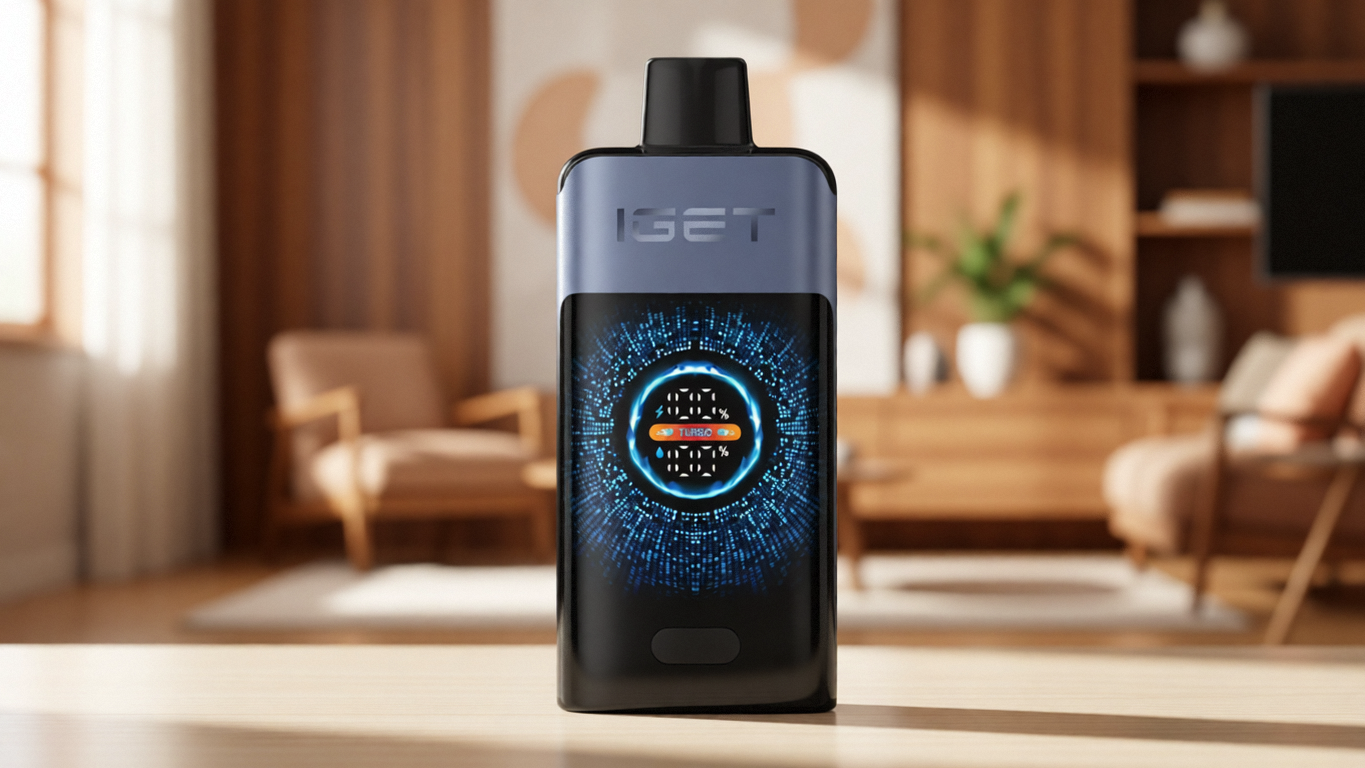
When you are cleared to resume, the decisions that matter most are not about which product is most popular, but about which device gives you the greatest control over draw resistance and output temperature. OZVAPE Shop offers a range of thoughtfully engineered devices that provide transparent specifications — draw profiles, power regulation, and mouthpiece design — so that you can match the device to your current tolerance, not just your habit. The right choice is the one that respects where your body is today, not the one with the loudest marketing claims.