
VAPE FAQs
Can Vape Affect Blood Sugar?
Jun
OZVAPE Shop offers a carefully curated range of personal electronic devices, but this article is not about a product. It is about a question that many adult users ask themselves privately, often after reading conflicting advice online: can the aerosol you inhale from a portable device influence your blood sugar levels? The short answer is that nicotine, not the device itself, is the primary metabolic variable, and the way a device delivers nicotine — along with the byproducts of heating — can shape that influence. This article unpacks what is currently understood, acknowledges where the data remains thin, and explains why the internal engineering of a device matters more than most users assume. Wherever possible, we reference observable design principles rather than speculation. If the goal is consistency and control, a thoughtfully designed device purchased through a transparent channel such as OZVAPE Shop removes several variables that can otherwise cloud the picture.
Understanding What Matters: Core Engineering and Design Factors
Most discussions about vaping and health fixate on ingredients in the liquid, but the hardware that turns that liquid into an inhalable aerosol plays an equally significant role — especially when metabolic effects are under consideration. The following factors are drawn from publicly available research, manufacturing standards, and the kind of user feedback that rarely makes it into marketing brochures. They form a framework you can use regardless of which device you ultimately choose.
Internal Architecture and Output Consistency
A device that applies heat unevenly can thermally decompose propylene glycol and vegetable glycerine at higher-than-intended temperatures, generating carbonyl compounds that irritate the respiratory tract. The physiological stress caused by such irritation can, in turn, trigger a modest stress‑hormone response that affects glucose regulation. Consistent heating is not just about flavor; it is about keeping the chemical output within a predictable range. Devices that rely on basic voltage‑only circuits without temperature‑sensing feedback are more susceptible to temperature drift as the power cell discharges. In contrast, fully integrated constant‑wattage or temperature‑controlled architectures maintain the heating element within a narrow thermal window. This is one reason why products engineered with intelligent power management tend to produce a more reproducible aerosol from the first activation to the last.
Power Management and Status Transparency
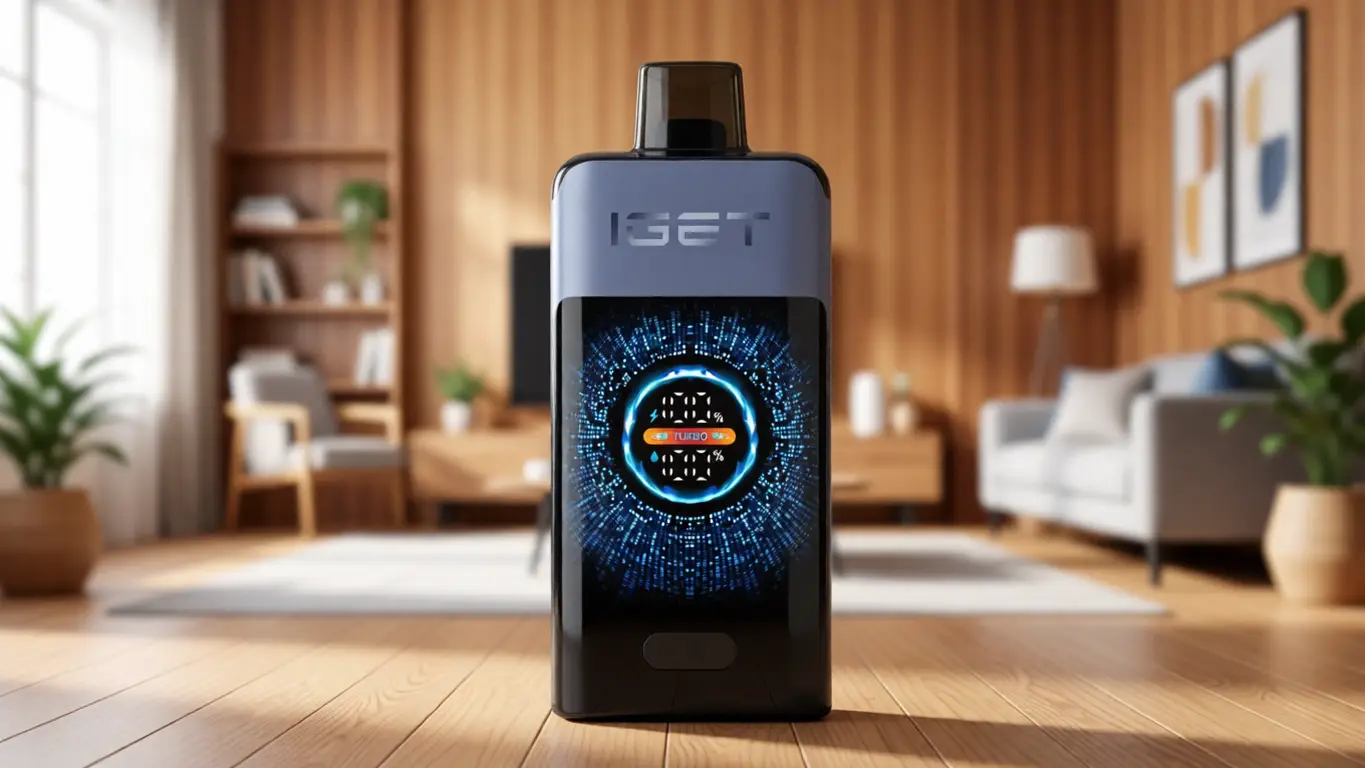
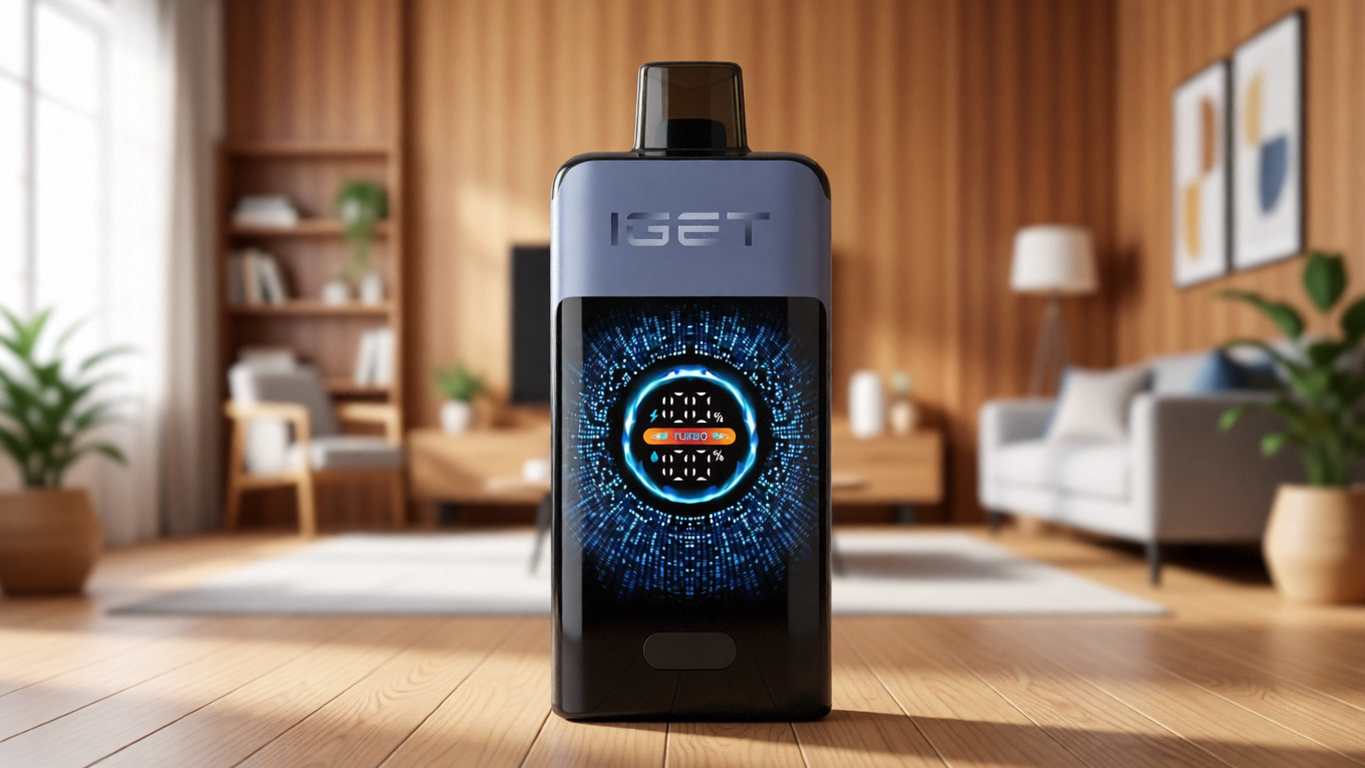
Poorly managed power cells can degrade a device’s performance in two ways: they allow the output voltage to drop as the cell drains, altering the heat flux delivered to the e‑liquid, or they leave the user guessing about remaining capacity. When a user cannot rely on the device to behave predictably, the natural response is to compensate — often by drawing longer or more frequently. This can unintentionally increase nicotine intake over a given period. An accurate battery indicator and stable voltage regulation are therefore more than convenience features; they are part of the metabolic equation. Devices from the ALIBARBAR range, for instance, include multi‑level LED readouts and integrated circuit protection that flattens the discharge curve. This kind of transparency allows users to gauge consumption with greater precision.
Physical Design and Material Durability
The materials used in the mouthpiece, the tank, and the internal seals matter because they come into direct contact with heated aerosol over hundreds of use cycles. Lower‑grade polymers can leach plasticisers or soften under sustained heat, introducing compounds that the body must process. Medical‑grade stainless steel, borosilicate glass, and heat‑stabilised polycarbonate are not aspirational upgrades; they are baseline expectations for any device designed with long‑term health considerations in mind. Additionally, ergonomic mouthpiece contours that sit naturally between the lips reduce the tendency to grip and draw harder than necessary — a subtle design element that contributes to dose consistency. Surface finishes that resist abrasion also prevent the gradual accumulation of micro‑scratches where bacteria can collect, a detail easily overlooked when comparing data sheets.
Modularity and Lifecycle Flexibility
Sealed disposable units guarantee a fresh heating surface and a full power cell every time, but they come with an environmental cost. Rechargeable systems with replaceable pods or coil heads occupy a middle ground, allowing users to swap out the component that degrades fastest — the atomizer head — without discarding the battery and control module. A worn atomizer can produce hot spots that scorch the wicking material, releasing acrid byproducts that would not be present in a factory‑fresh unit. Modular architecture, when executed correctly, puts the user in control of when that fresh surface is introduced. This avoids the common tendency to continue using a declining device simply because it still activates, a behavior that can introduce additional chemical exposures.
Applying These Criteria to Real-World Options
Walking through a typical retail environment, a user will encounter device families that map onto these engineering principles with varying degrees of fidelity. The ALIBARBAR collection, available through OZVAPE Shop, illustrates one approach where industrial design and internal circuitry have been developed in tandem. The INGOT 9000 and INGOT 15000 series, for example, pair a proprietary mesh heated element with an onboard power‑management IC that actively compensates for voltage droop. This means that from the moment the device is activated until the indicator signals depletion, the thermal output traces a remarkably flat line. For a user concerned about potential metabolic effects, this consistency reduces one unknown variable.
The Ice Adjust 12000 takes the concept further by allowing incremental airflow tuning, which gives the user direct control over the vapour density per draw. In practice, a tighter airflow setting produces a smaller aerosol volume per puff, which can help the user moderate intake without conscious counting. By contrast, sealed units without user‑adjustable parameters force a one‑size‑fits‑all delivery profile that may not align with an individual’s sensitivity. The transparent liquid window on the ALIBARBAR designs eliminates the need to wait for a burnt taste to know that a pod is nearing its end — a feature that supports proactive replacement before the heating surface deteriorates. No device in the current domestic market has completely eliminated manufacturing variation, but the presence of batch‑level quality indicators (such as unique verification codes) provides a practical layer of confidence that the unit you receive matches the design specification.
A Practical Framework for Evaluation
Buying a device based on headline metrics alone often leads to disappointment and unintended use patterns. The following framework distils the factors above into a diagnostic sequence any adult user can apply before committing to a product:
Thermal stability check: Does the manufacturer publish a nominal power range and confirm that power remains constant across the stated operating life? If not, assume performance will degrade.
Status feedback audit: Can you read the remaining charge at a glance, or does the device merely flash when it is about to die? Ambiguity invites over‑compensation.
Material origin inquiry: Are the contact materials (mouthpiece, tank, coil housing) explicitly listed, and do they reference an industrial standard such as FDA‑recognised food‑grade or medical‑grade certifications?
Replaceable‑component assessment: Is the heating element user‑replaceable, or is the entire unit discarded? If the latter, confirm the rated pouch count or puff count is conservative, not aspirational.
Draw activation consistency: Activate the device several times in quick succession without inhaling to test whether each trigger produces an identical output. Irregular crackle or delay suggests power‑delivery instability.
These five checks take less than five minutes to apply when reading a product listing or handling a display unit. They do not require laboratory equipment — only a willingness to treat visual and tactile cues as evidence of engineering philosophy.
Common Selection Errors and Industry Observations
The personal electronic device market moves quickly, and the speed of product launches often outpaces user education. Several recurring errors emerge from this asymmetry:
Overweighting puff count: A device that promises an extraordinary number of activations says nothing about whether the hundredth activation feels identical to the first. Without a supporting power‑regulation architecture, the later portion of the lifecycle may deliver a thinner aerosol, prompting users to draw more forcefully and potentially increasing nicotine per draw.
Equating visual similarity with internal parity: Two devices may share a comparable external silhouette, but the difference between a simple voltage‑divider circuit and a fully integrated boost‑converter IC is invisible. The latter adds cost and engineering complexity but yields a measurably more uniform output, which is relevant for anyone monitoring metabolic responses.
Undervaluing modularity in total‑use calculations: A replaceable‑pod system with a higher upfront cost often delivers a lower cost per activation once the battery module is reused over many pod cycles. From a health‑exposure perspective, modularity also means fewer opportunities for a degraded atomizer to introduce unwanted chemicals — a factor that rarely appears on a price tag but accumulates over months of daily use.
Confusing flavour description with ingredient transparency: “Natural and artificial flavourings” often appears on labels without further breakdown. While this is common industry practice, it obscures whether specific aldehyde‑containing flavourants are present. Users concerned about metabolic or respiratory effects should seek products from companies that have voluntarily published emissions testing data, even if those data are not mandated by local law.
From an industry standpoint, the trend toward disposable, factory‑sealed devices has improved quality control for the heating surface but shifted responsibility for the power cell onto a non‑renewable supply chain. The most durable solution for a health‑conscious user is not necessarily the device with the longest runtime, but the one whose operational parameters most closely align with the user’s actual daily routine — including how quickly that routine might change.
Frequently Asked Questions
Q: Can nicotine vaping raise blood sugar?
A: Yes, independent research demonstrates that nicotine stimulates catecholamine release, which prompts the liver to release glucose. The effect is transient but measurable. Users with insulin resistance or diabetes should consult a healthcare professional about any nicotine‑containing product.
Q: Does the device material affect what I inhale?
A: Potentially. When heated to operational temperatures, certain plastics or low‑grade metals can release trace compounds. Devices constructed from certified stainless steel, food‑grade silicone, and thermal‑stabilised PCTG (a BPA‑free co‑polyester) minimise this risk.
Q: How do I verify that an ALIBARBAR unit is authentic?
A: Each unit packaged for the Australian market includes a unique scratch‑off verification code. Entering the code on the brand’s official authentication page confirms the batch and origin. OZVAPE Shop only distributes stock that carries this verification layer.
Q: What should I do if a device does not perform as described?
A: Contact the point of purchase. OZVAPE Shop operates a local support queue with documented response windows and a replacement protocol for units that fail genuine verification or exhibit manufacturing defects.
Q: Is there a device that delivers zero nicotine?
A: Some brands offer nicotine‑free cartridges or pods, but ALIBARBAR devices are designed for adult consumers and come pre‑configured with specific formulations. Always read the label before purchase.
Q: Can I reuse a disposable device safely?
A: Disposable units are sealed at the factory and are not designed for re‑actuation beyond their rated cycle count. Attempting to recharge or refill a sealed unit introduces risks that void any manufacturer’s safety assurance.
Q: Why does status transparency matter for health?
A: If a device cannot clearly communicate remaining charge or pod level, the user will likely carry a backup, over‑consume, or nurse a failing unit well past its intended lifespan. All three responses can increase unintended exposure.
Q: How quickly does OZVAPE Shop ship orders?
A: Orders confirmed before the daily cut‑off time are dispatched the same business day. Tracking is provided, and deliveries follow standard Australia Post timeframes with a signature‑on‑delivery option for added security.

Q: Are there options for users who want to reduce their intake gradually?
A: Beyond choosing a device with adjustable airflow, some users find that moving to a unit with a transparent e‑liquid window helps them track consumption visually. While ALIBARBAR does not currently offer a stepped‑down variable‑nicotine system, the ability to see when a pod is running low allows more conscious pacing.
Conclusion
The metabolic effects of vaping are not determined by a single chemical in isolation. They emerge from the interplay of what is in the liquid, how it is heated, and how predictably the device behaves over its full lifecycle. When a device’s internal architecture minimises thermal degradation, its power system resists voltage sag, and its materials stay inert under load, the user gains a degree of control that is simply absent from lesser‑engineered products. Conversely, a device that drifts, leaks, or withholds status information introduces unnecessary variables into an already complex biological equation.
No retail channel can promise health outcomes, but one can promise transparency, factory‑certified inventory, and a willingness to stand behind the products it sells. OZVAPE Shop has built its customer charter around these principles, particularly through the ALIBARBAR catalogue, which offers documented engineering consistency and local post‑purchase accountability. The right choice is not the device that makes the boldest claim. It is the one that matches your actual daily patterns — and that you can evaluate with clear, factual information.