
VAPE FAQs
When Can U Vape After Wisdom Teeth Removal?
Sep
It’s one of the most anxious questions a person asks after oral surgery — not because the answer is complicated, but because the consequences of getting it wrong are genuinely unpleasant. You wake up groggy, your mouth packed with gauze, and your mind eventually drifts to the routine things you’ll have to put on hold. If you rely on a personal electronic device as part of your daily unwind, the temptation to resume can arrive long before your body is ready. The question “When can I vape after wisdom teeth removal?” is not really about a date on a calendar; it’s about understanding what is happening inside the extraction sites and why the mechanism of using a device — any device that requires oral suction — puts that delicate healing at risk.
At OZVAPE Shop, we believe that providing straightforward, technically accurate information is the most responsible thing a retailer can do. We don’t sell healing timelines, but we can equip you with the physiological context and practical decision-making tools so that you don’t become another person who learned about dry socket the hard way.
Understanding What Matters: Healing Biology and Device Interaction
Before you can assign a number of days to your pause, you need to grasp two parallel processes: the biological sequence of wound closure, and the physical forces that a typical handheld vaporiser introduces into the mouth. Overlooking either leads to premature resumption of use and, frequently, a painful complication that sets recovery back by a week or more.
Clot Integrity and the Risk of Negative Pressure (H3)
When a wisdom tooth is extracted, a blood clot forms in the socket. That clot is not a scab; it is a delicate biological scaffold that protects the underlying bone and nerve endings while new tissue grows over it. Any action that creates a pressure differential in the mouth — sipping through a straw, vigorous spitting, or drawing on a device mouthpiece — can dislodge that clot. The result is alveolar osteitis, better known as dry socket, a condition that exposes bone, triggers intense radiating pain, and demands a return to the clinic for medicated packing.
Critically, the suction force required to activate a draw-activated vaporiser may seem negligible, but it is easily sufficient to break the seal of a fresh clot. The risk is highest in the first 48 to 72 hours, but the socket is not fully epithelialised for weeks. The engineering of your device, whether it has a tight draw or an airy, loose pull, doesn’t change the basic physics: if you have to create lower pressure in your mouth than the surrounding atmosphere to trigger airflow, you are introducing vacuum stress directly above a vulnerable wound.
Why this matters: Users frequently underestimate the force of their own inhalation. A gentle “mouth-to-lung” pull on a compact device still generates negative pressure that can ripple across the entire oral cavity. There is no “safe” intensity of draw during the clot-stabilisation window.
How to recognise when you can try: The minimum safe threshold is when a clinician confirms that the tissue has closed sufficiently that no exposed bone remains. For most patients, that is not before day 7, and often closer to day 10–14 for lower wisdom teeth.
Power Management and Status Transparency (H3)
While this phrase calls to mind battery indicators and wattage curves, in a post-surgical context it describes something more fundamental: your own body’s capacity to signal trouble and your ability to read those signals. Pain, swelling, and throbbing are the body’s status indicators. If you are still taking prescription analgesics, your sensory feedback system is compromised. You might not feel the early warning signs of a failing clot because the pain is masked — until the medication wears off and you discover a complication has been quietly developing.
Devices that offer no clear feedback on draw pressure or heating consistency complicate matters further. After surgery, your lip and cheek may still be partially numb or swollen, altering how you position a mouthpiece. You might unconsciously draw harder to compensate for a poor seal, increasing vacuum without realising it. A device with a well-engineered, responsive draw sensor and predictable vapour output at least eliminates the need for excessive pull; but even the most thoughtfully designed device cannot eliminate the vacuum component entirely.
The hidden cost of status ambiguity: During recovery, carrying a backup device or reaching for a replacement when your primary unit seems unresponsive is common. Yet each extra use attempt multiplies your exposure to suction events. If you cannot trust your device to activate with minimal effort, you’re more likely to exert pressure that your healing socket simply cannot tolerate.
Physical Design and Material Durability (H3)
The ergonomics of a device become unusually important when tenderness, limited mouth opening, and sterility concerns are part of the equation. A long, slender mouthpiece might bypass the surgical site more easily than a wide, stubby one. A device with a smooth, non-porous outer finish can be cleaned with an alcohol wipe before and after each use — something you’ll want to do religiously if you introduce it near healing tissue. Textured grip zones that trap bacteria are a small but real contamination risk in the first week.
Also consider weight and balance. Holding a heavy, all-metal unit to your lips while your jaw aches introduces muscle fatigue that can make you adjust your bite, potentially disturbing sutures. A lightweight, compact device that you can hold without clenching your facial muscles is a better companion for the recovery phase, should you eventually be cleared for use.
Mouthpiece contour and prolonged-use comfort: If your surgeon clears you for light, passive inhalation (rare before the second week), you will want a mouthpiece that doesn’t require a tight lip seal or a wide stretch of the jaw. Designs that are softly tapered and can be held loosely between the lips put less mechanical stress on the surgical sites.
Modularity and Lifecycle Flexibility (H3)
Right after surgery, the notion of “lifecycle flexibility” means something different: you need a device that can sit idle for a couple of weeks without degrading. Sealed, pre-filled units with a finite operational life may reach the end of their shelf viability while you wait. A device with a replaceable power cell or a modular pod system allows you to store the unit cleanly, then install a fresh component only when you are cleared to resume use. That way, you aren’t tempted to “use it up” before it expires, and you aren’t creating waste.
On the financial side, the cost-per-use calculation shifts dramatically if you return to usage gradually, perhaps for short, low-frequency sessions. A high-capacity device that you used to deplete in three days might now last a fortnight. Understanding the difference between sealed single-use bodies and rechargeable architectures helps you avoid purchasing a long-duration unit that will sit half-used and potentially develop performance inconsistencies from prolonged partial storage.
Applying These Criteria to Real-World Options
No one should vape during the immediate clot-stabilisation period. But when you do receive clearance from your oral surgeon, the question becomes: which device architecture least disturbs fragile tissue while you ease back into routine? This is not about brand recommendations; it’s about matching design characteristics to the safety requirements of a healing mouth.
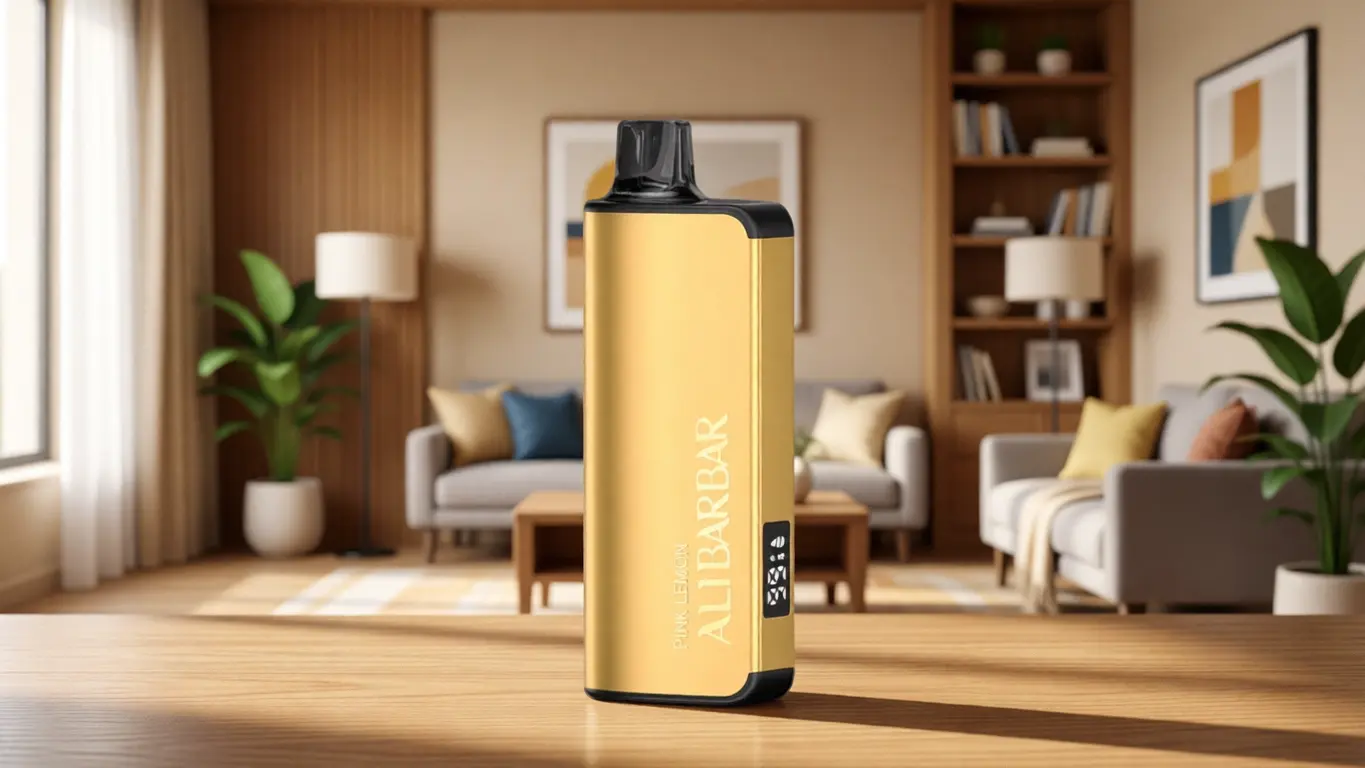
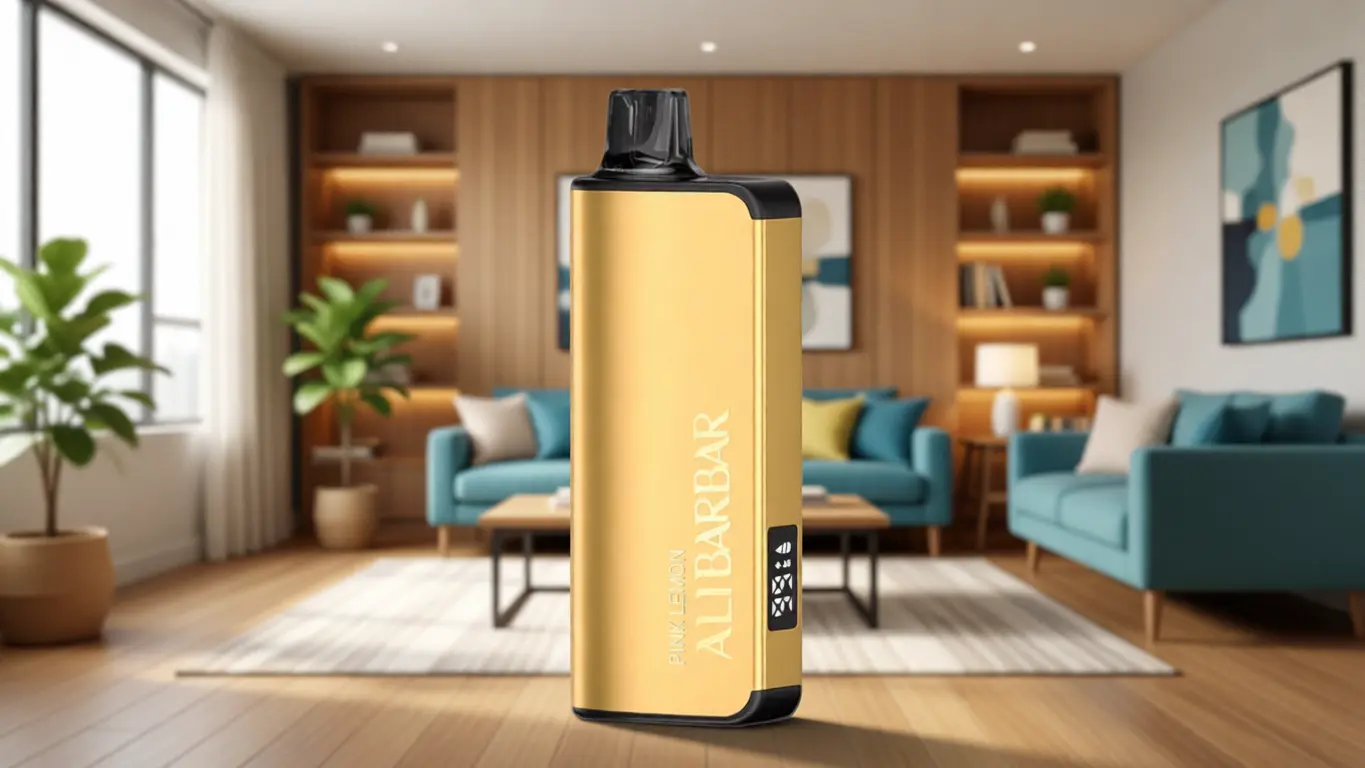
Consider a device with a very low draw-resistance — often described as “airy” — because it requires the least negative pressure to produce vapour. Some high-capacity rechargeable units in the ALIBARBAR range, such as the INGOT 15000, are engineered with an auto-draw sensor that responds to a gentle, consistent pull rather than a sharp, forceful one. That doesn’t make them safe on day 3, but it does make them a more predictable option when a surgeon says you may try a minimal-pressure approach. A device with clear e-liquid level visibility also eliminates the surprise of a dry hit, which could cause a reflexive, stronger pull that disrupts healing.
Other users, depending on their typical routine, might look at compact, low-profile options that can be operated with minimal lip movement. However, the key remains surgeon approval and the absence of any sucking motion. Until the mucosal seal is complete, even the “safest” device carries risk. No engineering feature can suspend the negative-pressure requirement inherent to most modern vaporisers. That’s why some clinicians recommend waiting until the socket is fully closed before any inhalation-based device use.
A Practical Framework for Evaluation
You don’t need a medical degree to make an informed decision. You just need to apply a systematic checklist and be honest with yourself about whether your chosen device meets each criterion.
Surgical status check: Is there still visible fibrin or a hole that appears deep? If yes, do not use any oral inhalation device. Wait until your post-op follow-up confirms epithelial coverage.
Draw-resistance test: With the device inactive, place the mouthpiece gently at your lips and take the lightest possible sip of air. Does it feel like you’re pulling through a coffee stirrer? If so, the resistance is too high for early-stage recovery. Look for a device that activates with breath-level airflow.
Pain-free range of motion: Open your mouth to the minimum width required to accommodate the mouthpiece. If that stretch causes discomfort at the extraction site, you’re not ready. Do not force it.
Hygiene protocol: You should be able to sanitise the device exterior with an isopropyl wipe without damaging it. If the mouthpiece material is porous or impossible to clean, defer use until full healing.
Device feedback reliability: Choose a unit that provides an unmistakable indication of activation — an LED, a subtle vibration — so you aren’t tempted to draw harder when nothing happens.
Walk through these questions as a mental checklist. If any answer raises a concern, err on the side of additional rest days. One week of patience buys you a lifetime of avoiding chronic nerve sensitivity in a previously healthy jaw.
Common Selection Errors and Industry Observations
People undermine their own recovery not through recklessness, but through predictable cognitive shortcuts. Recognising these patterns can help you avoid them.
Overweighting anecdotal timelines. You will see comments online claiming someone “hit a vape on day 2 and was fine.” Healing is wildly individual. Lower molars close to the mandibular canal heal slower; upper third molars sometimes close faster. Smoking status, age, oral hygiene, and surgical complexity all influence the timeline. Borrowing someone else’s experience is not risk assessment.
Assuming visual similarity equates to equivalent internal stress. A device that looks like a standard pen-style vaporiser may have dramatically different draw characteristics from another that looks identical. The internal airflow channel diameter, sensor sensitivity, and coil resistance all affect the required suction. Do not judge by appearance.
Undervaluing the no-contact architecture. Some users consider a heat-not-burn or convection device that doesn’t rely on tight lip seal as a safer alternative. While the risk of direct irritation to the wound may be lower, any buccal negative pressure is still a problem. Confusing “less contact” with “no risk” is a common way people end up back in the chair.
Confusing category terminology with technical specification. Terms like “smooth airflow” or “easy draw” are marketing language, not measurements. When evaluating a device for post-surgical use, look for specific draw-activation thresholds or ask for comparative resistance data if available. Reputable manufacturers publish technical specifications that can be compared objectively.
From a retail perspective, we observe that customers who ask about device draw characteristics pre-operatively tend to make better choices than those who wait until they’re already in discomfort and looking for immediate relief. Preparation is the single most undervalued protective factor.
Frequently Asked Questions
Q: Can I use a vape if I don’t actually inhale, just keep it in my mouth?
A: No. Even mouth-holding often requires a small amount of suction to draw vapour. Any creation of negative pressure in the oral cavity risks dislodging the clot. Wait until your surgeon confirms the socket has closed.
Q: What about “zero-nicotine” or herbal devices — are they safe earlier?
A: The concern is mechanical, not chemical. The act of drawing, regardless of the composition of the vapour, poses the same suction-related risk to the healing socket during the first week or more.
Q: How will I know if I’ve caused a dry socket?
A: A sharp increase in throbbing pain around day 3–5, often radiating to the ear, accompanied by a bad taste and visible empty socket where the clot should be. If you suspect dry socket, contact your dentist immediately.
Q: Can OZVAPE Shop help me choose a device with the gentlest draw?
A: While we do not give medical advice, our product listings include technical notes on draw resistance and sensor sensitivity for each device in the ALIBARBAR range. These specifications can be reviewed and compared independently to inform a discussion with your healthcare provider.
Q: Is it better to use a disposable or a refillable pod system after surgery?
A: From a hygiene and flexibility standpoint, a device with replaceable pods and a rechargeable battery allows you to start with a fresh pod when cleared for use, and to clean the main unit thoroughly. A sealed disposable may have been sitting in a non-sterile environment and cannot be sanitised internally.
Q: Do edibles or patches eliminate the risk entirely?
A: Yes, for the socket. Non-inhalation methods that do not require oral suction pose no direct threat to clot integrity. However, you should still discuss any substances with your surgeon, as some may affect bleeding or interact with medications.
Q: Can I use a nose-inhaled device?
A: Some devices are designed for nasal administration. These bypass the oral cavity and do not create a vacuum in the mouth, so they may be considered a lower-risk alternative, but only if specifically cleared by your clinician.
Q: What if my device has adjustable airflow? Can I open it wide to reduce suction?
A: An open airflow configuration does reduce the pressure differential needed to activate the sensor, but it does not eliminate it. It may be a marginally safer choice only after your surgeon has indicated the initial clot is stable and you’re cleared for light oral activity.
Q: How does OZVAPE Shop ensure the products they ship arrive in sanitary condition?
A: All units are factory-sealed in tamper-evident packaging. We store inventory in climate-controlled, dry conditions and inspect each order before dispatch. No device leaves our facility without its original hygiene seal intact.
Q: I’m two weeks post-op; can I resume normal use?
A: Most surgeons consider two weeks sufficient for soft tissue closure in uncomplicated cases. However, if you still have a visible depression or tenderness, wait a few more days. When in doubt, a quick phone check with your clinic is always warranted.
Conclusion
The date you can safely vape after wisdom teeth removal is not stamped on a packaging slip. It is a physiological moment — the point at which your extraction site has healed enough to withstand the pressure changes that even the most considerately engineered device will introduce. For most adults, that moment falls somewhere between day 7 and day 14, but the final authority is not a website, a forum, or a retailer; it’s the clinician who can look into your mouth and see what’s actually happening.
We at OZVAPE Shop are not here to accelerate that timeline. We’re here to ensure that when the day arrives and you are ready to resume your routine, you’re doing so with a device that aligns with thoughtful selection criteria — predictable draw, transparent status feedback, hygienic material design, and lifecycle flexibility that matches your real pace of use. The right choice isn’t the one with the most attention-grabbing spec sheet; it’s the one that slots back into your life without turning a healing milestone into a regret.