
VAPE FAQs
What To Do With Vape Batteries?

Aug
Users who rely on compact electronic devices often face a quiet but persistent problem: what to do with the device once it reaches the end of its useful life. The question is especially acute for disposable and sealed‑unit designs, where a fully functional lithium‑ion battery remains contained inside a housing that users are not meant to open. Tossing these items into household waste risks fires, contaminates the environment, and contradicts the growing expectation that manufacturers and retailers should help close the product loop. The answer is not as intuitive as it should be, yet the steps are clear once you understand the battery technology, the applicable regulations in Australia, and the practical options available.
At OZVAPE Shop, product documentation routinely clarifies device specifications so that adults can make informed choices. Knowing what a device contains is the first stage of responsible ownership, but responsible disposal is the final stage. This article explains, from an engineering and compliance perspective, exactly what to do with vape batteries — whether they are removable cells or the sealed power units inside disposable devices like those in the ALIBARBAR range. No purchase is required to follow this guidance; the information stands on its own.
OZVAPE Shop provides this reference because we observe that incomplete knowledge about battery handling causes unnecessary risk and consumer anxiety.
Understanding Vape Batteries: Types, Risks, and Legal Framework
Before deciding on a disposal path, it is vital to recognise the kind of battery inside your device. The overwhelming majority of modern vaping hardware uses lithium‑ion (Li‑ion) cells — the same chemical family that powers smartphones, cordless tools, and electric vehicles. These cells offer high energy density and reliable discharge curves, but they also carry an inherent fire risk if physically damaged, short‑circuited, or exposed to high temperatures.
Integrated vs. Removable Batteries
The first distinction to make is between removable batteries and integrated (sealed) batteries. Removable cells are typically cylindrical 18650, 20700, or 21700 formats. They can be taken out of the device, inspected for wrap damage, and recycled separately through standard battery recycling streams.
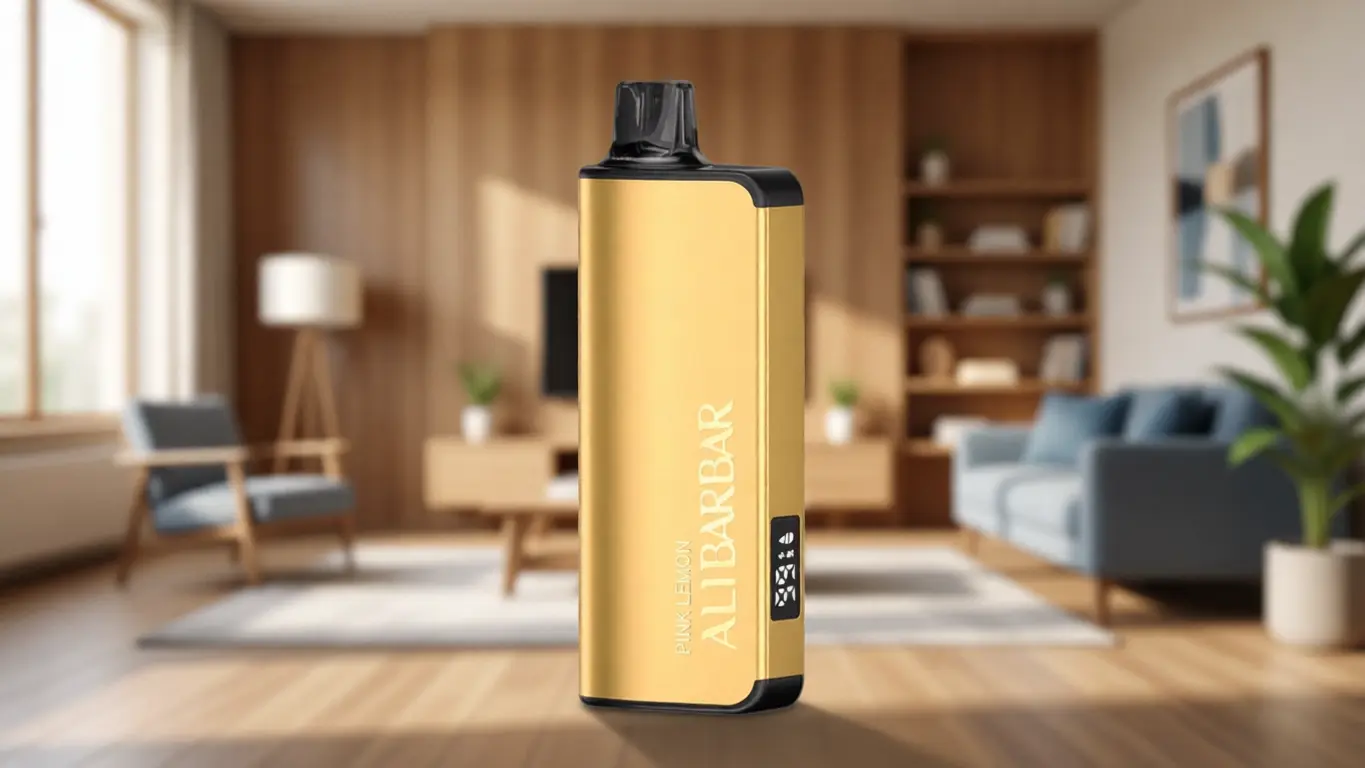
Integrated batteries are found in most prefilled, non‑rechargeable — and many rechargeable — vaping products. Devices like the ALIBARBAR INGOT 9000, INGOT 15000, and Ice Adjust 12000 contain sealed lithium‑ion packs that are never intended for user removal. The outer casing is constructed to be tamper‑resistant, and breaking it open exposes the user to sharp edges, electrolyte residue, and short‑circuit risks. From a disposal standpoint, the entire unit must be treated as electronic waste — not separated into components.
Why Improper Disposal Is Dangerous
When a lithium‑ion cell is crushed in a garbage truck or at a waste processing facility, it can experience an internal short circuit, leading to thermal runaway. Temperatures can exceed 400 °C within seconds, igniting surrounding materials and causing fires that are difficult to extinguish. Australian waste management authorities have documented multiple fires linked to batteries improperly placed in kerbside bins.
Furthermore, the metallic components and electrolyte in lithium cells can leach into soil and groundwater if landfilled. Cobalt, nickel, and manganese — common cathode materials — are classified as hazardous substances under Australian environmental guidelines.
Australia’s Regulatory Direction
Australia is moving toward mandatory product stewardship for batteries. The Battery Stewardship Council’s B‑cycle scheme already provides a voluntary collection network, and consultations for regulation are underway. The message is clear: throwing any lithium‑ion battery in household waste is not only unsafe, it will soon be explicitly prohibited in more jurisdictions. Retailers like OZVAPE Shop are aware of these shifts and design their customer guidance accordingly.
Practical Steps for Responsible Disposal
The following method works for all portable electronic devices that contain lithium‑ion batteries, whether from ALIBARBAR or any other brand.
Step 1 – Identify the Battery Type
Check the original product documentation, the packaging, or the device casing itself. If you no longer have the box, many manufacturers provide specification sheets on their websites. Authorised channels such as OZVAPE Shop list battery details straightforwardly: device capacity (mAh), whether it is rechargeable, and whether the battery is removable.
Step 2 – Prepare the Device for Drop‑Off
Do not disassemble sealed units. Keep them intact.
If the device still has a charge, this is acceptable; modern recycling partners are equipped to handle charged small‑format batteries.
For removable cylindrical cells, cover the positive and negative terminals with non‑conductive tape (electrical tape, packing tape) so they cannot contact metal objects. Store them in a cool, dry place, never loose in a drawer with keys or coins.
Step 3 – Locate a Certified Battery Recycling Point
Australia’s easiest resource is the B‑cycle drop‑off locator. Enter your postcode to find nearby retail outlets, council depots, and community collection hubs. Major retailers like Officeworks, Bunnings, and Aldi participate in the scheme and accept batteries at no charge. Most of these locations accept both loose batteries and sealed consumer electronics that contain batteries.
When in doubt, call ahead and ask: “Do you accept small sealed devices with non‑removable lithium batteries?” The answer is usually yes for any B‑cycle‑listed site.
Step 4 – What to Do About Large Quantities
Some users accumulate dozens of used devices before considering disposal. While recycling centres can handle moderate volumes, it is safer to drop off smaller batches more frequently. If you have a commercial‑scale quantity, contact your local council for hazardous waste collection days — these events are often equipped for larger loads.
Applying These Steps to Devices Sold by OZVAPE Shop
The ALIBARBAR INGOT 9000, for instance, contains a non‑rechargeable 850 mAh lithium‑ion cell sealed inside an aluminium alloy chassis. It cannot be safely opened at home. The entire device, with its integrated coil and e‑liquid reservoir, should be placed directly into an electronics recycling bin. The same applies to the INGOT 15000 and Ice Adjust 12000, which share the same sealed‑cell architecture despite their higher capacity.
Users of devices with rechargeable batteries are in a slightly different position. Some rechargeable vape units can be partially disassembled, but if the battery terminals are not standardised for individual removal, it is safer to treat the whole device as e‑waste. Rechargeable does not automatically equal removable.
No current legislation requires end‑users to dismantle sealed consumer electronics before recycling; facilities are designed to process entire items safely. Your responsibility is to get the device into the correct collection stream.
A Practical Framework for Evaluating Disposal Options
When you are unsure what to do, run through these four questions:
Is the battery removable without tools? Yes → tape the terminals and recycle as a loose battery. No → proceed to question 2.
Is the device rechargeable? Either way, it still contains a lithium cell; the whole unit should be recycled.
Do you know the nearest B‑cycle drop–off point? Use the online locator. Keep a card in your wallet with the address.
Does the retailer provide a take‑back program? Some physical retailers offer collection boxes. While OZVAPE Shop is an online specialist and does not operate a public returns program at this time, its team directs enquiries to the appropriate local resources — a service available to any customer who asks.
This four‑question checklist reduces decision fatigue and ensures you never resort to the household bin.
Common Mistakes People Make with Vape Battery Disposal
Even experienced users fall into several traps. Recognising them upfront prevents accidents and environmental harm.
Dumping in the general waste bin – The single most dangerous action. It is illegal in several Australian states for good reason.
Storing large numbers of depleted devices in a drawer – A forgotten device with even a residual charge can short against metal objects. Battery fires are rare but catastrophic, and they often start in junk drawers.
Thinking a “dead” battery is safe – A deeply discharged lithium‑ion cell can still store enough energy for thermal runaway if punctured or crushed. “Dead” in human terms does not mean chemically inert.
Disassembling sealed units to separate the battery – This introduces mechanical damage risk far beyond any perceived recycling benefit. Let the professionals handle it.
Relying on unofficial “battery recycling” ads – Only use accredited collection points. Unlicenced scrap handlers may strip devices unsafely or export waste to countries with lax environmental controls.
These mistakes are not hypothetical. Emergency services data in Sydney alone shows a steady increase in waste‑facility fires linked to consumer electronics. The fix is simple: use the B‑cycle network.
Frequently Asked Questions
Q: Can I put a disposable vape in the red‑lid bin?
A: No. All lithium‑ion batteries, including those inside disposable vapes, are prohibited from general household waste in most Australian council areas.
Q: Does OZVAPE Shop accept used devices for recycling?
A: OZVAPE Shop does not currently run a dedicated public take‑back scheme. However, the team actively guides customers to their nearest B‑cycle drop‑off location and can answer specific product‑related disposal questions.
Q: How do I recycle an ALIBARBAR INGOT 15000?
A: Take the entire device to any B‑cycle collection point. Do not attempt to open it. The sealed unit is processed as small electronic waste.
Q: Is it safe to throw away a battery that no longer powers the device?
A: No. Even a depleted lithium cell can ignite if physically damaged. Always recycle it.
Q: Can I cut the wire on a rechargeable vape to disable it before disposal?
A: Absolutely not. Tampering with the internal wiring risks shorting the battery, which can cause immediate fire or release toxic gases. Leave the device intact.
Q: Are there fines for throwing batteries in the bin?
A: Yes, depending on local council regulations. Many councils now issue warnings and fines, especially in the context of multi‑unit dwellings where fire risk affects many residents.
Q: Do all Officeworks stores accept vape batteries?
A: Most Officeworks locations participate in B‑cycle and accept both loose batteries and small sealed electronics. It is advisable to check their specific collection policy before visiting.
Q: What happens to recycled vape batteries?
A: Accredited recyclers shred the devices under controlled conditions, separate plastic and metal, and recover valuable materials like cobalt, nickel, and copper. Lithium is increasingly recovered as well, though the technology is still maturing.
Q: How should I store used vapes before recycling?
A: Keep them in a cool, dry place, away from flammable materials. A dedicated sturdy container (not airtight) in a garage or utility room is suitable.
Q: Is there a mobile battery collection service?
A: Some local councils offer periodic hazardous waste pick‑up. Check your council’s website. For large quantities, a commercial waste contractor may be necessary.
Conclusion
The lifecycle of a portable electronic device does not end when its intended performance window closes. A quiet responsibility sits with the user — and with the retailer that supplied the device — to ensure that the battery inside does not become a source of harm. The steps are not complicated, but they require deliberate action: understand whether the battery is removable, tape terminals if needed, and locate a certified recycling point. For the majority of modern disposable and rechargeable vapes, the whole unit goes into the B‑cycle stream.
OZVAPE Shop takes care to document device specifications so that users know exactly what they are buying, but the final disposal decision rests with each individual. We encourage every adult who uses these products to bookmark the B‑cycle locator and build a small but meaningful habit of dropping off old devices during a regular errand.
OZVAPE Shop will continue to provide transparent technical details and respond to disposal inquiries with the same clarity we apply to product selection. The right choice is the one that aligns with your daily routine and respects the unique chemistry of lithium‑ion cells — not the most convenient bin.