
VAPE FAQs
Is Ploom A Vape?
Aug
It’s a reasonable question, and one that surfaces regularly in online forums, retail conversations, and support inboxes. A sleek, pocketable device that heats something to generate an inhalable aerosol — the superficial pattern looks familiar. But the label “vape” carries specific engineering implications, and applying it to the wrong category creates confusion that travels far beyond semantics. When someone asks Is Ploom a vape?, they are really asking a deeper set of questions: What happens inside the device? What exactly is being heated, and to what temperature? And are the resulting emissions produced by the same physical process that defines a vaporizer?
At OZVAPE Shop, we encounter this category confusion often enough to recognise it as a genuine user problem rather than idle curiosity. Getting the distinction right matters for safety, for device selection, and for understanding what you’re actually holding in your hand. This article provides the technical context required to answer the question without marketing spin, and it places Ploom alongside other device categories with the analytical clarity that mature users deserve.
Understanding the Core Engineering Distinction
To determine whether any device qualifies as a vape, you have to ignore the casing and look at two things: the substance being processed and the thermal mechanism that processes it. These aren’t interchangeable.
The Thermal Process: Vaporisation vs. Pyrolysis
A properly engineered vaporiser — whether designed for botanical material or a liquid solution — relies on precise temperature control to bring a target substance just beyond its boiling point without triggering combustion. In modern liquid-based systems, a coil embedded in a porous wick receives a calibrated electrical current, raising the temperature of a solution (typically composed of propylene glycol, vegetable glycerin, and optional additives) to a range where it transitions into an aerosol. The key is that the base material itself never burns. The cloud you see is primarily condensed liquid droplets, not smoke.
Ploom devices — specifically models like Ploom X and the earlier Ploom TECH+ — operate on a fundamentally different principle. They use a heated blade or a surrounding heating chamber to warm a small, proprietary tobacco stick to a temperature that is deliberately kept below the combustion threshold for tobacco (generally around 180–250°C). The process is one of heated tobacco, sometimes described as pyrolysis at the lower boundary, but more accurately a controlled thermal extraction. Volatile compounds are released from the leaf material without the stick igniting. No free-flowing liquid is present. No coil vaporises a solution. The resulting aerosol is a mixture of water, glycerol (present in the stick), nicotine, and other tobacco-derived constituents, not a condensed e-liquid vapour.
From an engineering taxonomy standpoint, these two processes are not cousins; they belong to different branches. A vaporiser deals with a liquid phase change. A heated tobacco device deals with solid-phase thermal release. Calling Ploom a vape collapses an important technical distinction that carries implications for device maintenance, output composition, and user experience.
Why the Confusion Persists — and Why It’s Costly
The confusion survives because both devices produce a visible cloud that resembles smoke or vapour. The form factor of modern heated tobacco sticks — compact, battery-powered, draw-activated — has converged with the design language of pod-style e-liquid systems. So a user glancing at a Ploom X next to a closed-pod vape might reasonably assume they are variants of the same thing. They aren’t.
Conflating the two leads to concrete problems. A person seeking a vape for a particular purpose — say, to step away from dry herb or to manage nicotine intake with a wide choice of liquid strengths — may purchase a heated tobacco device by mistake and find themselves locked into proprietary tobacco sticks with no liquid flexibility. Conversely, someone expecting the ritual and sensory profile of heated tobacco might acquire an e-liquid vaporiser and wonder why the draw feels different, why the flavour behaviour is different, and why refilling involves a bottle, not a stick swap. Both outcomes stem from a category error that a little upfront education can prevent.
Applying the Distinction: How Ploom Compares to a Modern Vape System
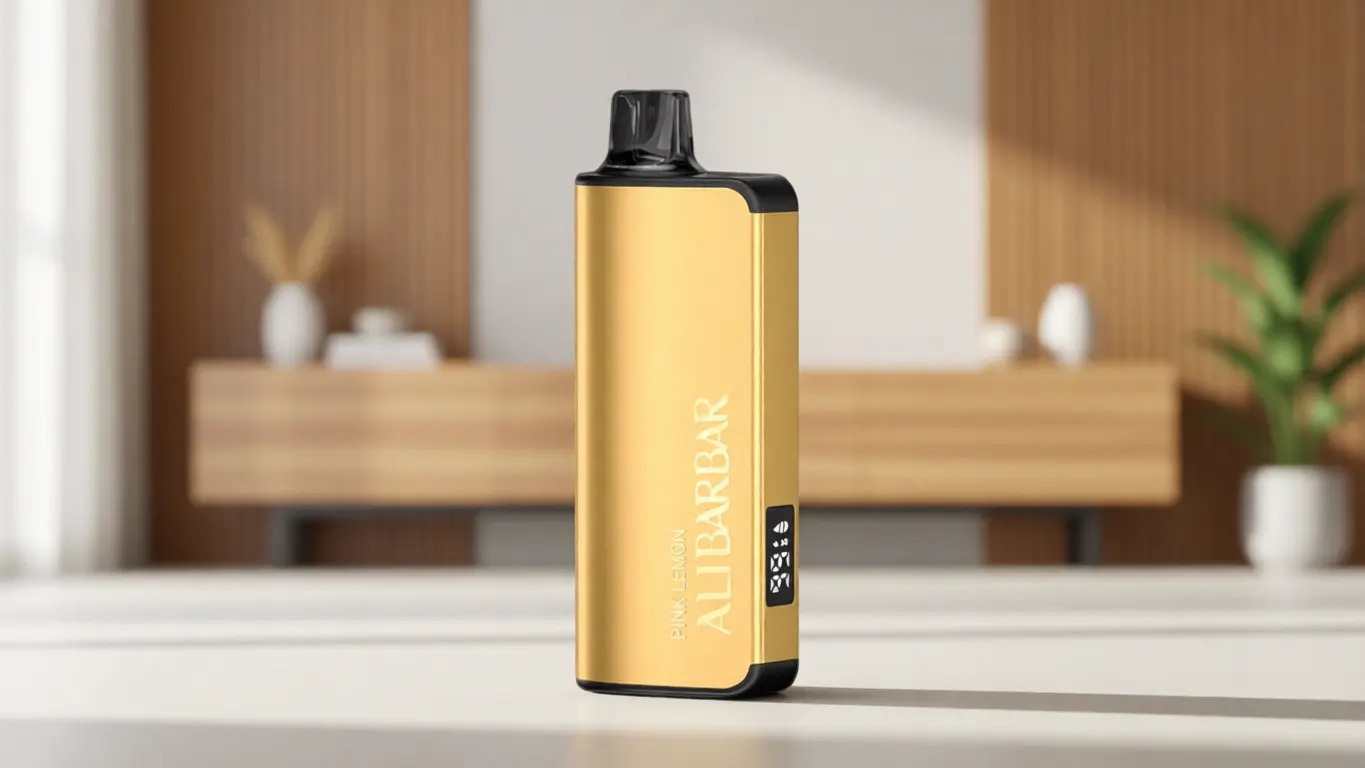
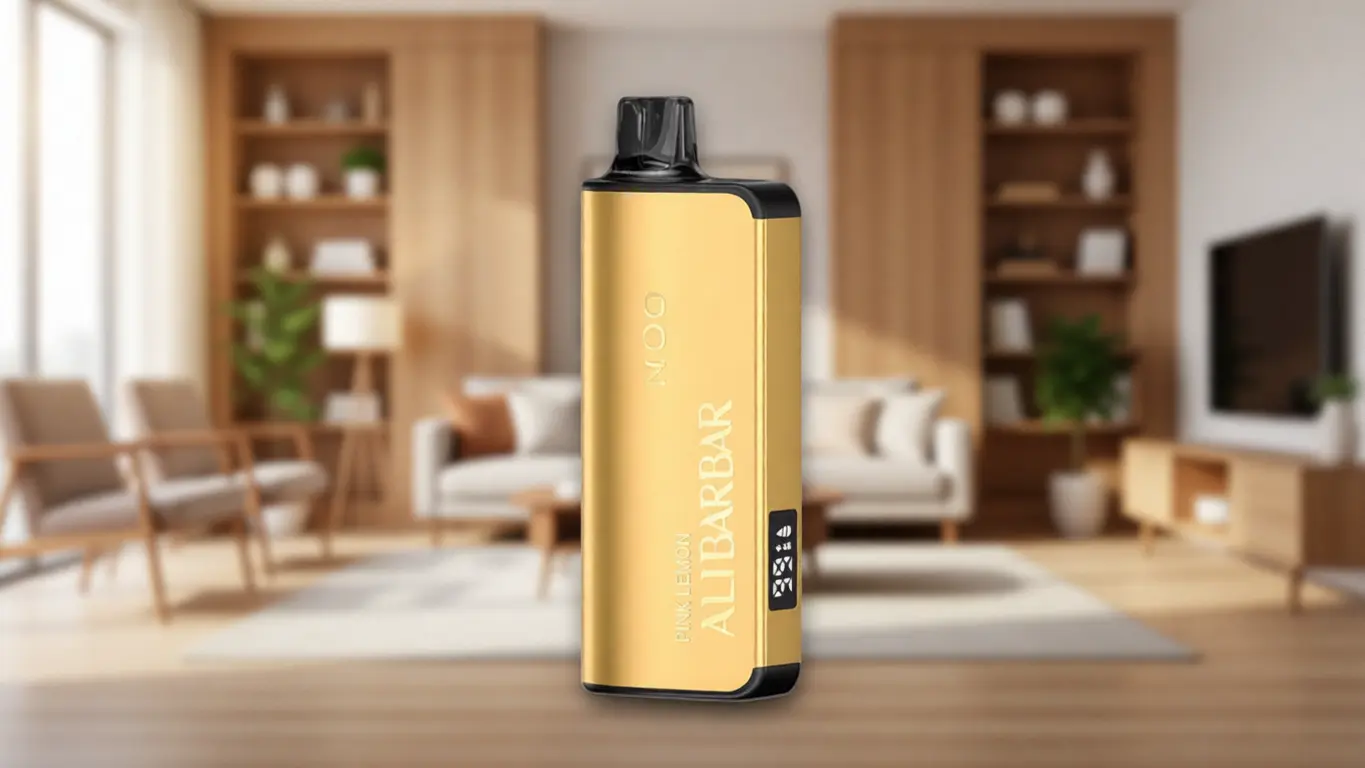
To make the difference tangible, it helps to hold Ploom up against a representative vaporiser that reflects current engineering standards. The ALIBARBAR range, available through authorised channels like OZVAPE Shop, provides a useful reference point precisely because its architecture is unambiguous: it’s a liquid-based, coil-and-wick vaporisation platform with a focus on consistent output and user transparency.
| Factor | Ploom (Heated Tobacco) | Typical Liquid Vaporiser (ALIBARBAR Example) |
|---|---|---|
| Consumable | Proprietary tobacco stick (solid) | E-liquid solution (liquid, bottled or sealed pod) |
| Heating mechanism | Blade or chamber warms tobacco to ~200°C | Coil in saturated wick, precisely controlled |
| Process | Thermal extraction of tobacco compounds | Vaporisation of liquid carrier |
| Cloud composition | Aerosol from tobacco, water, glycerol | Droplet aerosol from PG/VG + optional nicotine |
| Nicotine source | Tobacco leaf | Optional, from pharmaceutical-grade nicotine |
| User flexibility | Limited to stick flavours/strengths | Wide choice of liquid formulations and strengths |
| Maintenance | Occasional cleaning, no refill | Coil replacement, pod refilling, battery care |
| Regulatory pathway | Tobacco product (in most jurisdictions) | Often nicotine-vaping product regulation |
This comparison isn’t about declaring one superior. It’s about recognising that a heated tobacco user and a vaporiser user are signing up for fundamentally different experiences and supply chains. A Ploom device requires a constant supply of manufactured tobacco sticks, each containing the full profile of the leaf. A liquid vaporiser like those in the ALIBARBAR catalogue separates the delivery system from the consumable, giving the user direct control over what goes into the tank and when to replenish. The two approaches solve different problems for different people.
From an engineering perspective, the ALIBARBAR family also surfaces design cues that make the distinction clearer. Devices in that range feature status indication — battery level, sometimes puff data — that communicates “I am ready” or “I am nearly done.” Ploom devices, being tied to a single-session stick, typically provide simpler feedback: a heating light, a session-end signal. Neither approach is wrong; they simply reveal different priorities. A vaporiser user often wants to monitor liquid levels, coil life, and power reserves. A heated tobacco user wants to know when the stick is spent and it’s time for a fresh one.
A Practical Framework for Evaluating Any Device
When you encounter a device you’ve never handled and want to know whether it qualifies as a vape, use this short diagnostic. It requires no specialist tools, just a careful reading of the manufacturer’s documentation.
Identify the consumable. Is it a liquid that you pour or purchase in sealed pods, or is it a solid stick or capsule containing processed leaf material? Liquid almost always points to vaporisation. Solid leaf material points to heated tobacco.
Check the temperature specification. If the device advertises a maximum operating temperature below 250°C and involves tobacco, it is likely avoiding combustion for heated-tobacco purposes. E-liquid vaporisers typically operate in the 180–230°C range too, but they do so with a liquid substrate, and the device will explicitly state “e-liquid” or “vape juice.”
Look at the after-use residue. Open a used pod or chamber. If you find dry, darkened, but unburnt leaf, you’ve been heating tobacco. If you find a wick that once held liquid and now needs replacement or refilling, you’re dealing with vaporisation. The absence of ash does not make something a vape; it only tells you combustion didn’t occur.
Ask the supply chain question. Can you buy the consumable from a wide range of sources in multiple formulations, or is it a single-brand proprietary item with limited variety? Tobacco sticks tend to be tightly controlled. E-liquids, while sometimes proprietary within pod systems, generally offer far broader selection.
If your answers land in the liquid, coil-wick, multi-flavour zone, you’re almost certainly in vaporiser territory. If they land in the solid stick, extraction chamber, single-session pattern, you’re looking at heated tobacco. Ploom sits squarely in the second category.
Common Selection Errors and Industry Observations
Mistakes during evaluation aren’t just about misunderstanding the device. They ripple outward into lifetime cost, satisfaction, and even regulatory exposure. These patterns repeat across the market.
Over-indexing on appearance. Industrial design language has homogenised. A smooth, rounded device with a metallic finish and a magnetic connection can be a vaporiser, a heated tobacco unit, or a low-power dry-herb conduction device. The outer shell reveals nothing about what happens inside. Basing a purchase on “it looks like the last thing I had” is one of the most reliable ways to end up with the wrong category entirely.
Assuming that all “no smoke” devices function the same way. The absence of combustion unites vaping, heated tobacco, and even some thermal extraction dry-herb systems. But the chemistry, the temperature curves, and the user maintenance burden vary enormously. Grouping them into a single mental bucket creates a false equivalence that leads people to overlook critical differences in residue, cleaning requirements, and consumable availability.
Forgetting the supply chain. A device is only half the equation. The frequent consumable purchase — whether e-liquid or tobacco sticks — defines the long-term experience. A user who values variety and cost control may find heated tobacco’s stick-only model restrictive. A user who values simplicity and doesn’t want to handle liquid might find a closed-pod vape or a heated tobacco system more agreeable. The error is choosing a device without projecting how the resupply rhythm will actually feel three months in.
Misinterpreting the term “heat-not-burn.” The phrase is used by manufacturers of heated tobacco products, and it accurately describes what they do. But some consumers mistakenly extend the term to e-liquid vaporisers, assuming they also “heat, not burn.” While it’s true that a well-designed vaporiser doesn’t burn its e-liquid, the term “heat-not-burn” has become industry shorthand for tobacco-heating devices specifically. Using it loosely can blur the very distinction this article exists to clarify.
From an industry standpoint, the convergence of form factors is deliberate. Manufacturers know that as personal electronic device categories mature, they borrow design cues from one another. The pod system copy-pasted the closed-cartridge appearance of early heated tobacco devices. Now, heated tobacco devices borrow from pod systems. This crossover makes the appearance test increasingly unreliable, which is why a solid grasp of the underlying thermal mechanism is the only dependable differentiator.
Frequently Asked Questions
Q: Is Ploom a vape?
A: No. Ploom devices heat solid tobacco sticks to release an aerosol through controlled thermal extraction. They do not vaporise a liquid solution. The correct category is heated tobacco.
Q: Can I use e-liquid in a Ploom device?
A: No. Ploom devices are engineered to accept only proprietary tobacco sticks. Attempting to introduce e-liquid would damage the device and produce no usable output.
Q: Does Ploom produce vapour?
A: It produces an aerosol, but not from a liquid phase change. The aerosol is generated by the release of water, glycerol, and other constituents from heated tobacco. The visual cloud can resemble vapour, but its origin and composition differ from an e-liquid vaporiser’s output.
Q: Are heated tobacco devices safer than traditional smoking?
A: Manufacturers position heated tobacco as a reduced-risk alternative to combustible cigarettes because the tobacco does not burn, which eliminates many combustion-related toxins. However, the long-term health implications are still being studied, and regulatory authorities across different countries assess these products independently. No form of tobacco inhalation is without risk.
Q: If I want a vape, should I consider Ploom?
A: Only if you are specifically looking for a heated tobacco experience and are comfortable sourcing the required tobacco sticks. If your goal is to use e-liquids — with or without nicotine — and you value variety of flavour and strength, a liquid-based vaporiser is the appropriate choice. Retailers like OZVAPE Shop specialise in factory-certified liquid vaporiser platforms, such as the ALIBARBAR range, which are designed from the ground up for that purpose.
Q: How do I know if an online store sells genuine vaping devices?
A: Look for clear statements about authorised supply chains, inventory sourcing, and local accountability. A trustworthy retailer will usually offer direct access to specifications, support for warranty claims, and a physical business address. At OZVAPE Shop, for example, every ALIBARBAR device is obtained through official distribution networks, and all specifications are documented for side-by-side comparison — practices that reduce the risk of counterfeit or misclassified products.
Q: Do I need to carry a backup device?
A: The answer depends on device design. Quality vaporisers with clear status indication — battery gauge, remaining puff count — allow you to monitor capacity and plan accordingly. Poorly designed devices, or those that provide no feedback, often leave users uncertain, forcing them to carry a spare. This is one area where the ALIBARBAR range’s attention to user feedback (documented by OZVAPE Shop’s support data) addresses a known frustration: devices that communicate honestly reduce backup anxiety.
Q: Can I switch between heated tobacco and vaping easily?
A: Yes, the two device types are independent. However, the transition involves adjusting to different draw techniques, flavour profiles, and consumable routines. It’s not a seamless switch; it’s a conscious change from one category to another.
Q: What should I do if I’ve already purchased a device that doesn’t match my expectations?
A: Review the retailer’s return and support policy. Responsible sellers with genuine accountability, such as OZVAPE Shop, offer post-purchase assistance and clear guidance on product compatibility. If the device was mistakenly ordered due to category confusion, contacting support promptly can often resolve the issue.
Q: Are there devices that bridge both categories?
A: No mainstream device currently bridges heated tobacco and e-liquid vaporisation within a single unit. The internal architecture required for each is too distinct, and hygienic concerns would make a dual-purpose device impractical. The two worlds remain separate, which is why getting the category right before purchase is so important.
Conclusion
So, is Ploom a vape? The engineering evidence leads to an unequivocal answer: no. It’s a carefully designed heated tobacco device that extracts an aerosol from solid leaf material without combustion. Applying the “vape” label to it obscures the fundamental differences in consumable, thermal mechanism, maintenance, and user control. For anyone evaluating the landscape of portable electronic devices, clarity about these categories is not pedantry — it’s the difference between choosing a tool that fits your actual routine and one that will sit unused after the first pack of sticks runs out.
At OZVAPE Shop, the entire product curation is built around this kind of clarity. The ALIBARBAR range, for instance, exists to serve users who want a liquid-based vaporisation experience with transparent performance indicators, modular flexibility, and no guesswork about what’s inside the chamber. It’s one category, clearly defined, with a supply chain that invites scrutiny. And if that’s the category you’re after, knowing how to distinguish it from heated tobacco is the first step toward a satisfying purchase.
The right device is the one that matches your daily reality — not the one that borrows its looks from something you saw on a screen. The only reliable way to get there is to understand what the device actually does, not what it resembles. Start with that question, and the rest falls into place.