
VAPE FAQs
What To Do If You Drop Your Vape In Water?
Aug
Dropping any electronic device into water creates an immediate tension between instinct and intelligence. The instinct is to retrieve it quickly, power it on to see if it survived, and hope for the best. The intelligent response is entirely different — and far more effective. This article explains the precise sequence of actions that gives a water‑exposed personal electronic device the highest probability of full recovery, based on how these devices are actually constructed and where their vulnerabilities lie.
At OZVAPE Shop, we spend considerable time helping users understand device architecture, because informed ownership reduces frustration and extends service life. The principles below apply broadly, but they are particularly relevant to modern sealed‑cavity designs that dominate the Australian market today. Understanding what happens internally when water enters a device is the first step toward preserving it.
Understanding What Matters: Core Engineering and Design Factors
When water enters a device, the damage does not occur uniformly. Certain components fail almost instantly, while others can survive if moisture is removed before power is applied. The key is to know which parts are at risk and how device design influences survival odds.
Internal Architecture and Output Consistency (H3)
Most contemporary portable devices use a laminate‑stacked construction: a battery cell, a circuit board with control electronics, a heating element, and a housing that separates the air path from the electronics. In well‑engineered units, the board is coated with a conformal layer — a thin, transparent polymer that resists moisture and corrosion. This is not standard across all price points. Devices that lack this coating often fail within seconds of water contact because the power delivery controller short‑circuits.
The heating element itself is usually a ceramic or metal‑alloy structure that can survive submersion if allowed to dry fully before reuse. The immediate danger is not the wet element but the wet electronics driving it.
Power Management and Status Transparency (H3)
A device that continues to draw power after water exposure accelerates electrolytic corrosion. This is why the first rule — do not press the button or connect a charger — is non‑negotiable. Even a brief power‑on attempt can plate conductive residues onto circuit traces, permanently destroying the device.
Status indications are another clue. If a device has visible LED indicators and they behave erratically after drying, the controller may have suffered latent damage. A device that seems to work after a brief drying period but later develops intermittent firing or short battery life likely sustained corrosion that only became symptomatic over days.
Physical Design and Material Durability (H3)
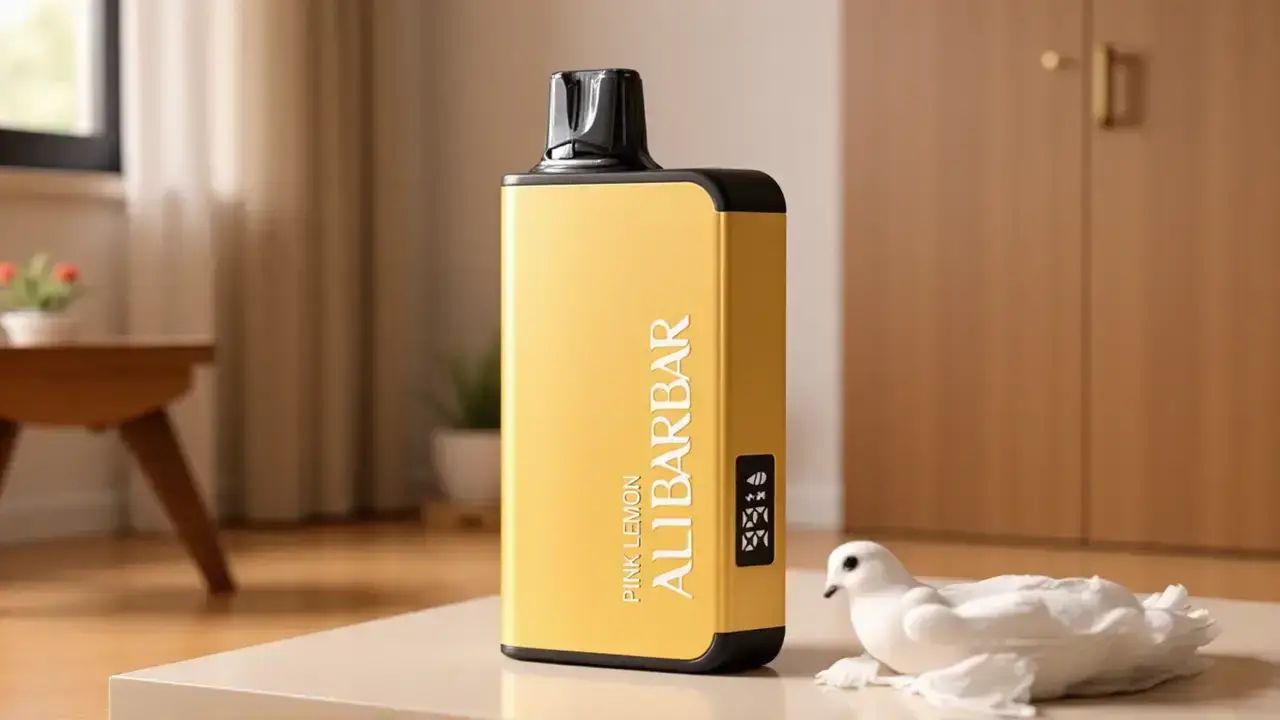
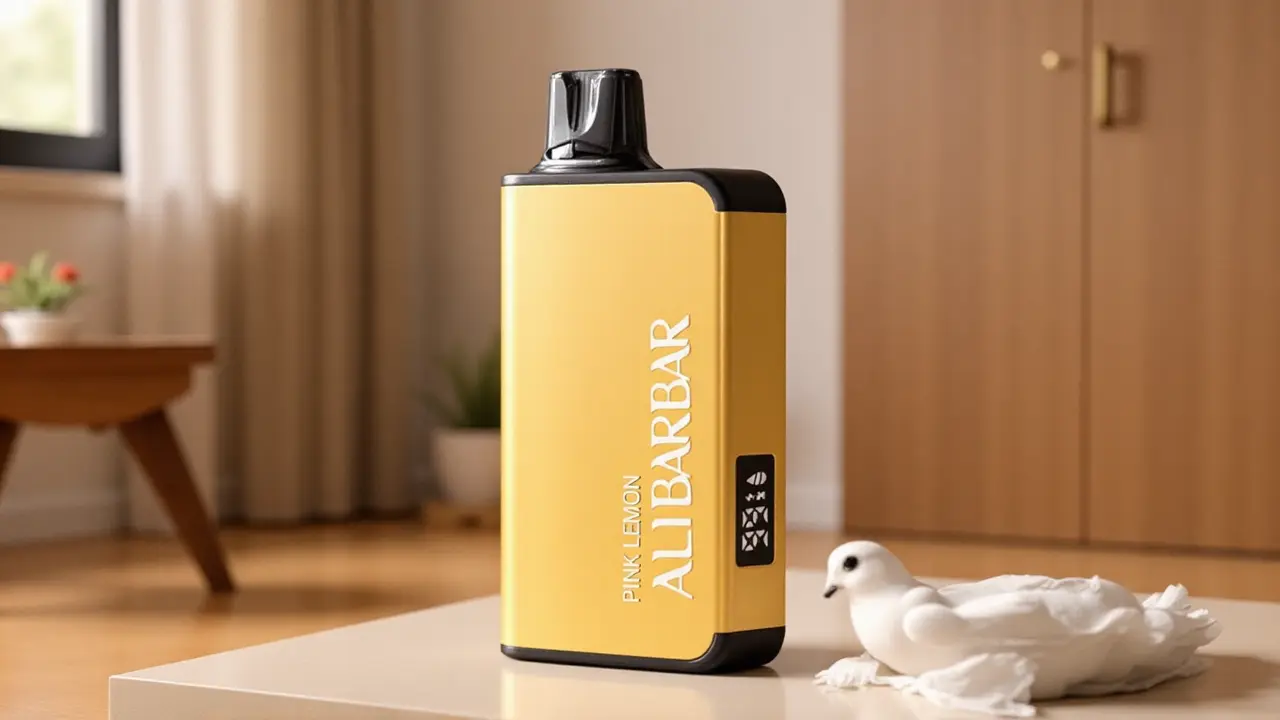
Materials matter. Devices with sealed outer shells, gasketed charging ports, and press‑fit mouthpiece assemblies resist water ingress better than those relying on adhesive seals. ALIBARBAR units, for example, use ultrasonic welding on the main body seam and a silicone gasket around the base — engineering choices that reduce the likelihood of water reaching the board during a brief accidental dunking.
However, no consumer device is truly waterproof against immersion beyond a few seconds, especially through the airflow channel. The mouthpiece opening is always a potential entry point, and many devices rely on a simple labyrinth path to block casual splashes — insufficient for submersion.
Modularity and Lifecycle Flexibility (H3)
Devices designed with replaceable pods or cartridges offer an advantage: you can discard the contaminated pod while saving the battery unit. In fully sealed, disposable‑type devices, the entire unit is at risk. The trade‑off is convenience versus recovery potential. If you use a modular system, remove the pod immediately. If you use a sealed device, you accept that any water entry likely means total loss.
Applying These Criteria to Real‑World Options
The steps outlined above are universal, but the recovery outcome depends heavily on the specific device’s internal architecture. Let’s examine how these principles apply to commonly encountered designs.
ALIBARBAR INGOT 9000 – This device uses a fully sealed body with an integrated battery and mesh heating element. The charging port is at the bottom, covered by a silicone plug. If dropped in clean water, immediate removal of the plug and thorough drying of the USB‑C cavity improves survival chances. The conformal coating on the board provides a moderate window of protection — water must be wicked out within minutes.
ALIBARBAR Ice Adjust 12000 – Slightly larger, with a dual‑coil assembly and a more complex power management chip. The additional electronics increase risk points. The airpath is longer, which can trap water droplets in the chimney. After a spill, holding the device upside down and blowing gently through the mouthpiece helps clear standing water from the coil chamber — but only after removing the device from any power source.
Compare this to certain other brands that use no board coating and rely solely on adhesive seals. Those devices typically show no visible damage after a quick wipe but fail within 24 hours as hidden moisture corrodes the battery protection circuit. The difference is not in the consumer’s recovery actions but in the manufacturing tolerances that were present before the accident occurred.
A Practical Framework for Evaluation
If you drop your device in water, follow this sequence. It is not a guarantee of recovery, but it maximises the probability.
Retrieve and isolate – Pick it up immediately. Do not press any buttons. Do not plug it in. Hold it so the mouthpiece points downward.
Remove any detachable parts – Pods, cartridges, mouthpieces, battery doors. Separate them.
Dry the exterior – Use a lint‑free cloth. Pay attention to seams, charging port, and air inlets.
Wick out internal moisture – For the airpath, gently use a rolled corner of paper towel or a dry cotton swab. Do not insert anything abrasive. For the charging port, use compressed air (short bursts) or leave the port open to air dry for at least 12 hours.
Place in a drying environment – Do not use rice. Rice dust can enter the device and cause more problems. Instead, place the device in a sealed container with desiccant packs (silica gel) or position it in front of a low‑speed fan for 24–48 hours. A warm, dry room is sufficient.
Wait before testing – After 48 hours, inspect for any visible residue or corrosion. If the device appears clean, reconnect any removable parts and test with a single short activation. If it functions, monitor for erratic behaviour over the next few days.
Assess the risk – If the device was submerged in saltwater, chlorinated water, or any liquid containing dissolved minerals, the corrosion rate is much higher. Even after apparent recovery, internal damage may cause latent failure. Consider replacing the device rather than relying on it.
Diagnostic questions to ask yourself:
Did the device have any prior damage or wear that could have compromised seals?
How long was it submerged? Seconds are recoverable; minutes likely are not.
Is the device still within warranty? Many manufacturers exclude water damage, but some offer out-of-warranty replacements at reduced cost.
Common Selection Errors and Industry Observations
1. Overweighting IP ratings – An IP67 rating means dust‑tight and protected against immersion up to 1 metre for 30 minutes. But that rating applies to freshwater at static pressure. In real‑world use, dropping a device into a puddle or toilet introduces contaminants that degrade seals. Many users assume an IP rating makes the device indestructible in water — it does not.
2. Assuming visual similarity indicates equivalent internal engineering – Two devices may look identical externally, yet one uses a single‑layer PCB with no coating and the other a multi‑layer board with full conformal coating. The price difference often reflects these unseen choices. Paying more for a device from a retailer that documents its sourcing — like OZVAPE Shop — often means getting the actual engineered product, not a cost‑reduced version.
3. Undervaluing modularity in cost‑per‑use calculations – A sealed device that costs $25 and fails after one drop has a cost‑per‑use of $25 (or more if unrecoverable). A modular system that costs $60 but allows pod replacement may survive the drop and deliver hundreds of uses. The upfront cost is higher, but the long‑term economics favour modularity for users who are prone to accidents.
4. Confusing “water resistant” with “water proof” – These terms are not interchangeable. Water resistance describes a device’s ability to survive incidental splashes. Waterproof implies submersion tolerance. Most personal electronic devices are water‑resistant at best. Marketing language often blurs this line.
Frequently Asked Questions
Q: Can I put my device in rice to dry it?
A: No. Rice particles can enter the charging port and mouthpiece, causing physical blockages and introducing starch that attracts moisture. Use silica gel desiccant packs or a low‑speed fan instead.
Q: How long should I wait before trying to use it again?
A: A minimum of 48 hours in a low‑humidity environment. If you used a desiccant chamber, 24 hours may suffice. Never rush the process.
Q: Will water damage void my warranty?
A: In most cases, yes. Water damage is considered accidental and is excluded from standard warranties. However, some retailers offer voluntary replacement programs. Check with the point of purchase.
Q: Is it safe to use a device that got wet if it seems to work after drying?
A: Not necessarily. Internal corrosion can cause erratic resistance readings, which can lead to overheating during subsequent use. If you notice any unusual performance — excessive heat, short battery life, inconsistent output — discontinue use and replace the device.
Q: Do ALIBARBAR devices have any special water protection?
A: ALIBARBAR devices include a conformal‑coated circuit board and sealed housing seams. This provides a higher level of resistance than uncoated alternatives, but they are not designed for intentional submersion. Prompt drying following the steps above gives the best chance of recovery.
Q: What if the device was dropped in saltwater?
A: Saltwater is far more conductive and corrosive. Even if the device appears to work after drying, internal residue can cause delayed failure. Replace the device if saltwater exposure occurred.
Q: Should I use a hair dryer on high heat to dry it?
A: No. High heat can damage the battery and soften adhesives. Use low or no heat, and keep the airflow at a moderate distance. A fan is preferable.
Q: My device won’t charge after a water drop. Is it permanently damaged?
A: Possibly. The charging port may have corroded pins, or the battery protection circuit may have tripped. Attempt to clean the port gently with isopropyl alcohol (99%) and a soft brush, then wait another 24 hours. If still not charging, the device is likely beyond recovery.
Conclusion
Dropping a device in water is stressful, but a calm, methodical response often determines whether it recovers or becomes waste. The core insight is simple: moisture itself is not the main enemy — electricity applied in the presence of moisture is. Remove the power source (battery disconnect or simply no button press), isolate the device, and allow thorough drying before reassembly.
Informed users make better decisions under pressure. Understanding the internal design of your device — whether it has conformal coating, sealed seams, or a modular architecture — lets you gauge recovery odds realistically. At OZVAPE Shop, we stock devices engineered with these factors in mind, and we provide transparent specification data so you know exactly what you are trusting to withstand daily life. [External link to OZVAPE Shop]
Ultimately, the right device for you is not the one with the flashiest claims, but the one whose design tolerances match your actual routine. Water happens. Good engineering and a clear recovery plan reduce its cost.