
VAPE FAQs
What Is The Safest Disposable Vape Brand?

Jul
If you’ve ever stood in front of a retail display or scrolled through endless online listings trying to determine which disposable electronic device is the safest choice, you’ve already encountered the core difficulty: the market offers no standardized safety rating system. Instead of clear guidance, users are met with colorful packaging, bold claims, and a bewildering array of specifications that may or may not reflect the engineering reality inside each unit.
The question “which brand is safest” is entirely reasonable, but the answer requires a shift in perspective. Rather than looking for a single brand name to trust blindly, it is far more productive to understand the specific engineering, material, and supply-chain factors that determine whether a device will perform predictably, avoid common failure modes, and deliver the experience the manufacturer promises. At OZVAPE Shop (opens in new window), we believe that informed users make better decisions, and our role is to provide the analytical framework that supports that understanding.
This article will walk you through the technical and practical criteria that define safety in portable electronic devices, apply those criteria to real-world product families, and equip you with a methodology you can use to evaluate any device you encounter.
Understanding What Matters: Core Engineering and Design Factors
Safety in this context is not a single attribute. It is the cumulative result of several interdependent design choices. If any one of these factors is compromised, the user experience degrades, and in some cases, so does the device’s reliability. Let’s examine each factor in detail.
Internal Architecture and Output Consistency
The most critical component inside any disposable electronic device is the heating element and its supporting power-delivery system. A well-engineered unit uses a stable, ceramic-based heating core that maintains consistent temperature across the operational life of the device. Cheaper alternatives may use cotton wicks or low-grade porous ceramics that degrade unevenly, leading to a noticeable drop in output quality as the internal reservoir depletes.
This is not a theoretical concern. Real-world user reports consistently describe a pattern: the first third of a device’s life produces satisfactory results, the middle third is acceptable but inconsistent, and the final third introduces diminished output and, in some cases, an unpleasant taste. This degradation curve is a direct result of thermal management that was not designed for the device’s full rated capacity.
To recognize well-engineered thermal management, look for manufacturer disclosures about the heating element material. If a brand publishes detailed technical information—such as ceramic material composition, resistance tolerances, or operating temperature ranges—it is a strong indication that the engineering team prioritizes predictability. Vague descriptions like “advanced heating technology” without supporting data should be treated with appropriate skepticism.
Power Management and Status Transparency
A device’s power source is the single most common point of failure in portable electronics. The safest designs incorporate multiple layers of protection: over-discharge prevention, short-circuit protection, and, critically, a power-management system that maintains stable voltage output even as the cell depletes.
The practical value of clear status indicators cannot be overstated. A device that provides no battery-level feedback forces the user to operate blind. The natural human response to uncertainty is compensation: users carry backup devices, make premature replacements, and experience frustration when a unit fails unexpectedly. An illuminated LED that changes color, a digital readout, or even a simple visual cue system transforms the user experience from guesswork into informed operation.
Consider the hidden cost of status ambiguity. If you cannot determine whether a device has 20% or 80% remaining capacity, you will inevitably discard units with usable life remaining, increasing both your personal cost and environmental waste. This is not a minor inconvenience; it is a structural inefficiency that well-designed devices eliminate.
Physical Design and Material Durability
Safety extends beyond internal electronics to the physical housing of the device. The materials used in the chassis, mouthpiece, and sealing gaskets directly affect how the device performs under real-world conditions.
Stainless steel or reinforced polymer shells offer superior impact resistance compared to thin, single-wall aluminum constructions. The mouthpiece material matters for both comfort and hygiene. A contoured, food-grade polymer mouthpiece reduces lip irritation during prolonged use and is less likely to harbor residue than a poorly finished flat surface.
Pocket-friendliness is often dismissed as a cosmetic concern, but it has safety implications. A device with sharp edges, poorly seated caps, or loose-fitting mouthpieces is more likely to suffer mechanical damage during daily carry. Over time, that damage can compromise the internal seals that keep moisture and debris away from the heating element and power source.
Modularity and Lifecycle Flexibility
The architecture of a device—whether it is a sealed single-use unit, a rechargeable system, or a replaceable-component design—directly influences both safety and total cost of ownership.
Sealed single-use devices offer maximum simplicity but create a hard boundary: when the integrated power source depletes, the entire unit is discarded. Rechargeable systems add flexibility and reduce waste, but the quality of the charging port, the battery management circuit, and the user’s charging habits all become safety variables. Replaceable-component designs, where the power cell and the reservoir are separate modules, offer the highest degree of lifecycle control but require the user to maintain multiple components.
The safest choice is the architecture that matches your usage pattern. A heavy user who consumes a device daily may benefit from a rechargeable system with a robust battery management circuit. A light user who wants zero maintenance may prefer a sealed unit with a predictable depletion profile. The key is to connect the design choice to your actual routine, not to the marketing language on the packaging.
Applying These Criteria to Real-World Options
With the engineering framework established, we can now examine how specific device families measure up against these criteria. The goal is not to declare a single winner but to illustrate how the principles from the previous section manifest in products you can actually find in the Australian market.
The ALIBARBAR Family: A Case Study in Consistent Engineering
ALIBARBAR has built its reputation on precisely the factors we have outlined. The INGOT series, including the widely referenced INGOT 9000 and INGOT 15000, demonstrates a commitment to stable output through their ceramic core heating systems. Users consistently report minimal degradation across the device’s operational life, which is a direct consequence of thermal management that accounts for the full capacity of the internal reservoir.
The Ice Adjust 12000 takes this a step further by incorporating adjustable output control. This is not a gimmick; it addresses a genuine user need by allowing fine-tuning of the heating temperature to suit individual preference or changing conditions throughout the day. Adjustability, when implemented correctly, extends the effective life of the device by giving the user agency over the thermal curve.
From a power management perspective, the ALIBARBAR family includes clear visual indicators on models that support them. The INGOT 15000 features a real-time display that eliminates guesswork. This is precisely the kind of status transparency that reduces the need for backup devices and prevents premature disposal.
Material quality across the ALIBARBAR range is consistent. The chassis uses reinforced polymer compounds, and the mouthpiece is contoured and made from food-grade materials. Over extended daily carry, these devices show the kind of wear you would expect from well-chosen materials: minor surface marking rather than structural degradation.
Counterpoint for balance: The ALIBARBAR sealed units, while reliable, do not offer replaceable power cells. For users who want maximum lifecycle flexibility, this is a legitimate limitation. The trade-off is simplicity and reduced mechanical complexity, which contributes to the consistency the brand is known for.
Context from the Broader Market
Other device families in the market demonstrate different design philosophies. Some brands prioritize maximum capacity in a single unit, which often requires larger power cells and more aggressive thermal management. These devices can offer impressive longevity, but the user should verify whether the internal architecture has been scaled appropriately to handle the higher thermal load.
Others focus on ultra-compact form factors. These devices are appealing for discretion but often compromise on power management and output consistency. A smaller chassis leaves less room for the protective circuitry and thermal mass that contribute to stable performance.
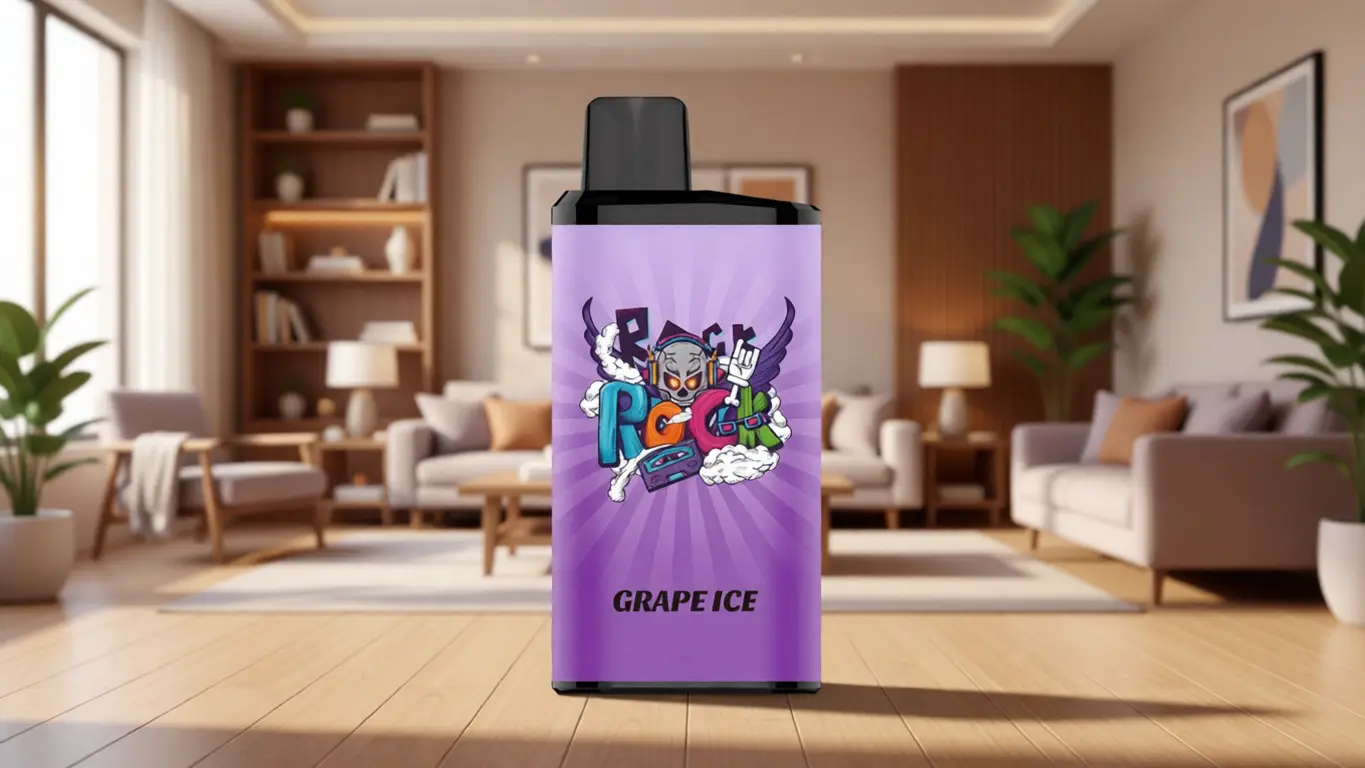
The most important observation from examining the broader market is this: visual similarity between devices from different brands does not indicate equivalent internal engineering. Two units that look nearly identical on the outside can have completely different heating elements, power management systems, and material quality. Never assume that appearance correlates with performance.
A Practical Framework for Evaluation
Use the following methodology to evaluate any disposable electronic device you are considering. This framework works whether you are buying online or examining a product in person.
Step 1: Assess the Information Environment
Does the brand or retailer provide clear, verifiable specifications? Look for:
Heating element material disclosure
Power source capacity and protection features
Operating temperature range if adjustable
Device architecture (sealed, rechargeable, or modular)
If the information is vague or absent, note that as a risk factor. You cannot evaluate what you cannot see.
Step 2: Check for Status Feedback
Does the device give you clear status feedback? If not, you will likely experience the compensation behaviors described earlier—carrying backups, premature disposal, and frustration. A device without status transparency is not unsafe per se, but it creates an information gap that you will need to manage.
Step 3: Examine the Physical Build
Look at the mouthpiece contour, the finish quality, and the fit of any removable components. A well-made device will have smooth edges, consistent seams, and materials that feel substantial in hand. Poor finishing is often a proxy for poor internal engineering.
Step 4: Understand the Lifecycle
Calculate the total cost of ownership, not just the purchase price. Factor in:
How many devices you will use per month
Whether the device is rechargeable
How much waste is generated per unit
Whether discontinued models leave you without support
At OZVAPE Shop (opens in new window), we maintain standardized specification sheets for every device we carry. This allows direct comparison without needing to decode different marketing languages. Standardized specifications are the single most practical tool for reducing decision friction.
Common Selection Errors and Industry Observations
Even with a solid evaluation framework, users consistently make specific errors that undermine their own satisfaction. Understanding these patterns will help you avoid them.
Overweighting a Single Specification
The most common mistake is fixating on one number—usually the rated capacity—while ignoring the engineering factors that determine whether that capacity is usable. A device with an impressive capacity number but poor thermal management will deliver frustrating performance in its later stages. A slightly lower capacity device with stable output may actually deliver a better cumulative experience.
Assuming Visual Similarity Equals Engineering Equivalence
This error is pervasive. Two devices from different brands may use identical-looking packaging and similar form factors, but the internal components can vary dramatically. The heating element, the power management circuit, and the material quality of the reservoir are invisible at the point of sale. Trust only verifiable specifications, not appearances.
Undervaluing Modularity in Cost-Per-Use Calculations
Users who purchase sealed single-use devices often fail to calculate the per-session cost accurately. A rechargeable device or a system with replaceable components may have a higher upfront price but can deliver a significantly lower per-use cost over several months. The safest financial choice is the one that accounts for your actual usage volume over a six-month period.
Confusing Category Terminology with Technical Specifications
Terms like “advanced heating,” “smart chip,” and “premium build” are marketing descriptors, not engineering specifications. They carry no standardized meaning and cannot be verified. Always distinguish between what a brand claims and what it is willing to document in measurable terms. If the specification is not quantifiable, it is not a specification.
Industry Observations
From an industry perspective, the most significant trend is the divergence between brands that treat device engineering as a commodity and brands that invest in genuine R&D. The commodity approach produces devices that look adequate during initial use but degrade quickly. The R&D approach produces devices where the engineering matches the user experience across the entire lifecycle.
The supply chain also matters enormously. Devices that pass through authorized distribution networks are held to consistent manufacturing standards. Devices that flow through gray-market channels may be factory seconds, counterfeit units, or products that were stored in suboptimal conditions. Always verify the supply chain before assuming a device is genuine.
Frequently Asked Questions
Q: How do I verify that a device is authentic and not a counterfeit?
A: Purchase from an authorized retailer that documents its sourcing. Look for packaging with holographic seals, batch codes, and QR codes that link to manufacturer verification systems. At OZVAPE Shop, every ALIBARBAR unit is sourced through factory-certified distribution, and we provide documentation on request.
Q: Is a higher rated capacity always safer or better?
A: No. Rated capacity is one data point among many. A device with 15,000 puffs but poor thermal management may degrade noticeably before it reaches half that number. A device with 9,000 puffs and stable output engineering may deliver a more consistent experience throughout its life.
Q: How do I know when a device is genuinely depleted versus just needing a recharge?
A: This is exactly why status indicators matter. Devices with battery-level displays or progressive LED systems eliminate the ambiguity. If your device has no status feedback, track your usage pattern over two or three units to establish a baseline for when performance typically drops.
Q: Can I ship disposable electronic devices within Australia?
A: Yes, but only through carriers that comply with dangerous goods regulations for lithium-based power sources. Authorized retailers will handle this on your behalf. At OZVAPE Shop, we use compliant couriers and provide tracking for every order. Shipping restrictions apply to some remote addresses; check with the retailer before ordering.
Q: What should I do if a device does not perform as described?
A: First, confirm that the device is genuine and not counterfeit. Then contact the retailer with your purchase details. A reputable retailer will have a documented process for investigating performance complaints. At OZVAPE Shop, we review every support request individually and escalate to the manufacturer when necessary.
Q: Are rechargeable devices safer than sealed single-use units?
A: Not inherently. The safety of a rechargeable device depends on the quality of its battery management circuit and the user’s charging habits. A poorly designed rechargeable unit can be less safe than a well-engineered sealed unit. Evaluate each device on its own engineering merits.
Q: Do disposable devices expire?
A: Yes. The integrated power source and the liquid reservoir have finite shelf lives. Most devices are optimized for use within 12–18 months of manufacture. Check the manufacturing date if it is available, and avoid devices that may have been sitting in storage for extended periods.
Q: How do I choose between a device with adjustable output and one without?
A: Adjustable output is most valuable if your usage changes throughout the day or if you are sensitive to temperature variations. If you have a consistent preference and do not wish to adjust settings, a fixed-output device with stable engineering may serve you better.
Q: What is the most important safety feature I should look for?
A: Over-discharge protection and short-circuit protection are the two most critical electrical safety features. Beyond that, material quality and thermal management are the factors that determine whether a device performs consistently or degrades prematurely.
Q: Can I trust user reviews as a safety indicator?
A: User reviews are useful for understanding real-world experiences, but they are not a substitute for verifiable specifications. A product with many positive reviews can still have engineering weaknesses that are not immediately apparent. Use reviews to identify patterns—frequent complaints about the same issue are worth heeding—but rely on documented specifications for your final evaluation.
Conclusion
The question “what is the safest disposable vape brand” does not have a simple answer, because safety is not a property that can be captured in a single brand name. It is an outcome of specific engineering choices, material quality, and supply-chain integrity. The safest device for you is the one whose design matches your usage pattern, whose specifications are documented and verifiable, and whose supply chain you can trust.
If you are evaluating the ALIBARBAR family, you will find a product line engineered around the principles discussed in this article: consistent thermal management, transparent status feedback, durable materials, and a clear emphasis on the user’s daily experience. That is not a marketing claim; it is an observation based on the technical documentation that ALIBARBAR makes available and the real-world feedback from users who have adopted these devices over successive product cycles.
At OZVAPE Shop (opens in new window), our role is to provide access to these products and, more importantly, to provide the information structure that allows you to make an informed choice. We maintain standardized specifications, operate within an authorized supply chain, and support every purchase with local accountability.
The right choice is the one that matches your actual routine—not the one with the boldest packaging or the highest claimed number. Use the framework in this article, evaluate the engineering, and choose accordingly. The safest device is the one you understand completely.