
VAPE FAQs
What Is The Best Type Of Vape?
May
A question like “What is the best type of vape?” usually surfaces after someone has been disappointed by a device that promised consistency but delivered something intermittent, harsh, or short‑lived. That frustration is real, and it points to a deeper problem: the market offers an overwhelming number of outwardly similar options, yet the differences in engineering that matter for daily satisfaction are rarely spelled out. The purpose of this article is not to hand you a single model number, but to equip you with a framework for evaluating any device so you can decide with confidence. At OZVAPE Shop, we have seen how informed users make better choices, and this piece is part of our commitment to providing that foundational knowledge — calm, structured, and grounded in observable engineering reality.
Understanding What Matters: Core Engineering and Design Factors
Before comparing categories, it is helpful to break down the internal and external characteristics that determine whether a device will earn a place in your daily routine or gather dust. These four factors address the most common frustrations adult users report.
Internal Architecture and Output Consistency
The heating element and its interaction with the liquid supply largely dictate whether a device delivers the same character from first use to last. Cheaper wire‑and‑cotton assemblies degrade unevenly; a mesh or parallel‑coil design, properly wicked, distributes heat more uniformly and resists the “burnt” degradation that users rightly dread. A well‑engineered thermal path also means that when you take a draw, the aerosol remains stable rather than spiking uncomfortably hot. This is not just about flavour — it is about repeatability. If a device cannot give you the same experience at 50% of its rated capacity as it did at 10%, you will inevitably be carrying a backup or discarding it early.
Power Management and Status Transparency
Many devices fail because their power delivery is not calibrated to the coil they carry. A battery that pushes too much current can scorch; too little, and the experience feels hollow. Sophisticated designs employ constant‑voltage regulation to match the coil’s load, and they communicate clearly through an on‑board indicator — a battery gauge, a draw‑activated LED with multiple states, or a simple digital readout. Transparent feedback removes guesswork. Without it, the user is operating blind and will naturally compensate by charging prematurely or carrying a second unit, which defeats the compact convenience these devices are meant to offer.
Physical Design and Material Durability
A device that spends the day in a pocket, bag, or glove compartment is subjected to abrasion, temperature swings, and the occasional knock. Surface treatments matter: a soft‑touch coating may feel pleasant but can show wear within a fortnight, while a hard‑anodised or durable polycarbonate shell stays presentable. Mouthpiece contour also influences long‑term comfort — a sharp edge that seems trivial for a few puffs becomes irritating over hours. Weight distribution, too, can make the difference between something you reach for instinctively and something that keeps falling out of a chest pocket.
Modularity and Lifecycle Flexibility
The simplest devices are sealed units — when the reservoir is empty, you dispose of the entire thing. Others add a rechargeable battery, so you can use all the included liquid without the dead‑cell annoyance that plagues non‑rechargeable options. Still more offer replaceable pod or cartridge elements, allowing the user to keep the power source and swap only the consumable portion. Each architecture implies a different set of trade‑offs in cost, waste, and user effort. Understanding which tier aligns with your habits is one of the most direct ways to avoid post‑purchase regret.
Applying These Criteria to Real-World Options
The categories below are organised around the user need‑states they serve, not a ranking. One family of devices — the ALIBARBAR INGOT series — is referenced in detail because its design choices directly illustrate the engineering principles discussed above. For comparative context, we will also note where other mainstream approaches differ.
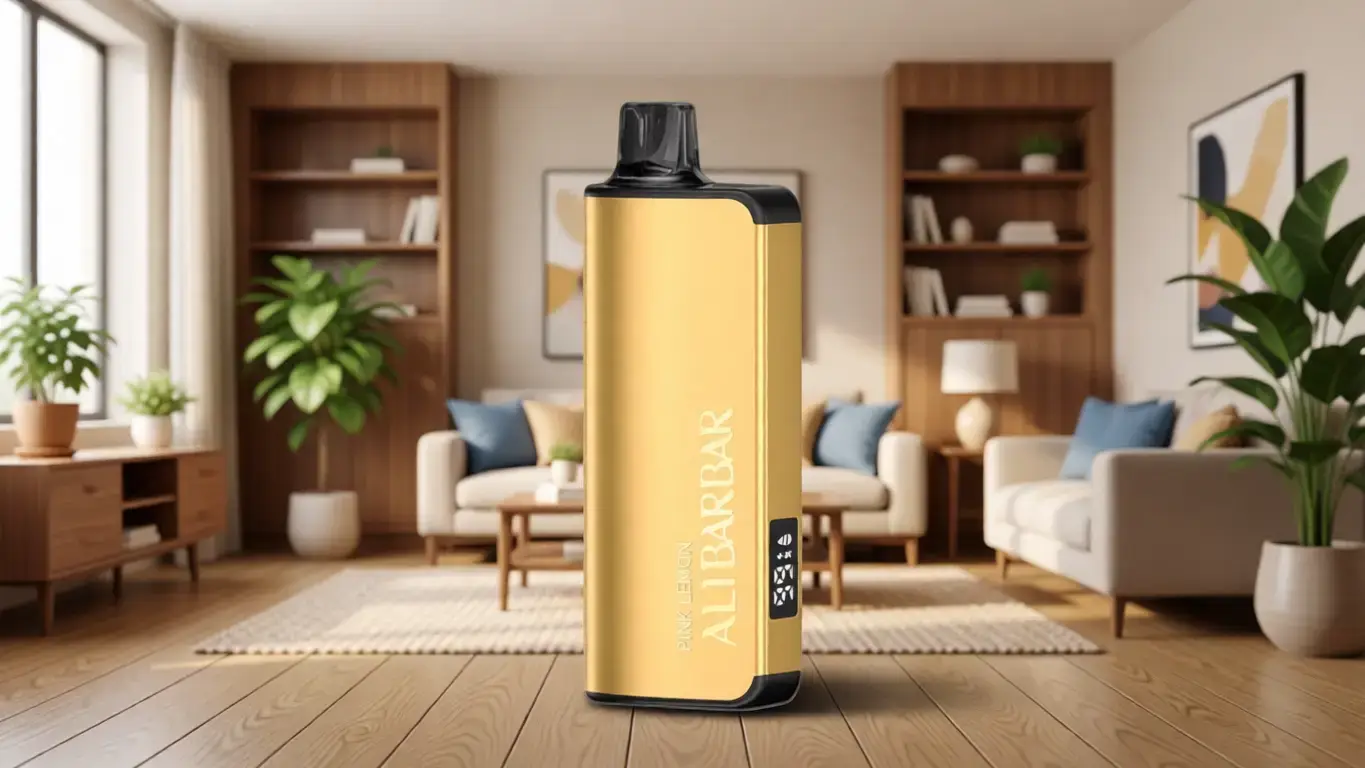
ALIBARBAR INGOT 9000 and INGOT 15000 represent the rechargeable disposable segment. Both use a mesh‑coil architecture that sustains even heat through the full volume of e‑liquid, a built‑in battery with enough capacity to vaporise every last millilitre, and a clear liquid‑level window combined with a battery indicator. This transparent status feedback means you are never guessing whether the device is about to run dry. The 15000 variant simply extends the reservoir and battery, suiting longer‑duration settings. In terms of physical durability, the INGOT’s hard‑shell finish resists everyday scuffs noticeably better than many painted metal disposables that begin to look tired after a few days in a pocket.
In contrast, a standard non‑rechargeable disposable — often built to a tight cost target — may use a simpler wire coil and a battery that was never designed to match the liquid volume. Output often fades well before the reservoir is empty, and there is no way to recharge, so the user loses the last portion of the liquid. This is a classic example of a specification (puff count) being undercut by a complementary factor (power‑source adequacy).
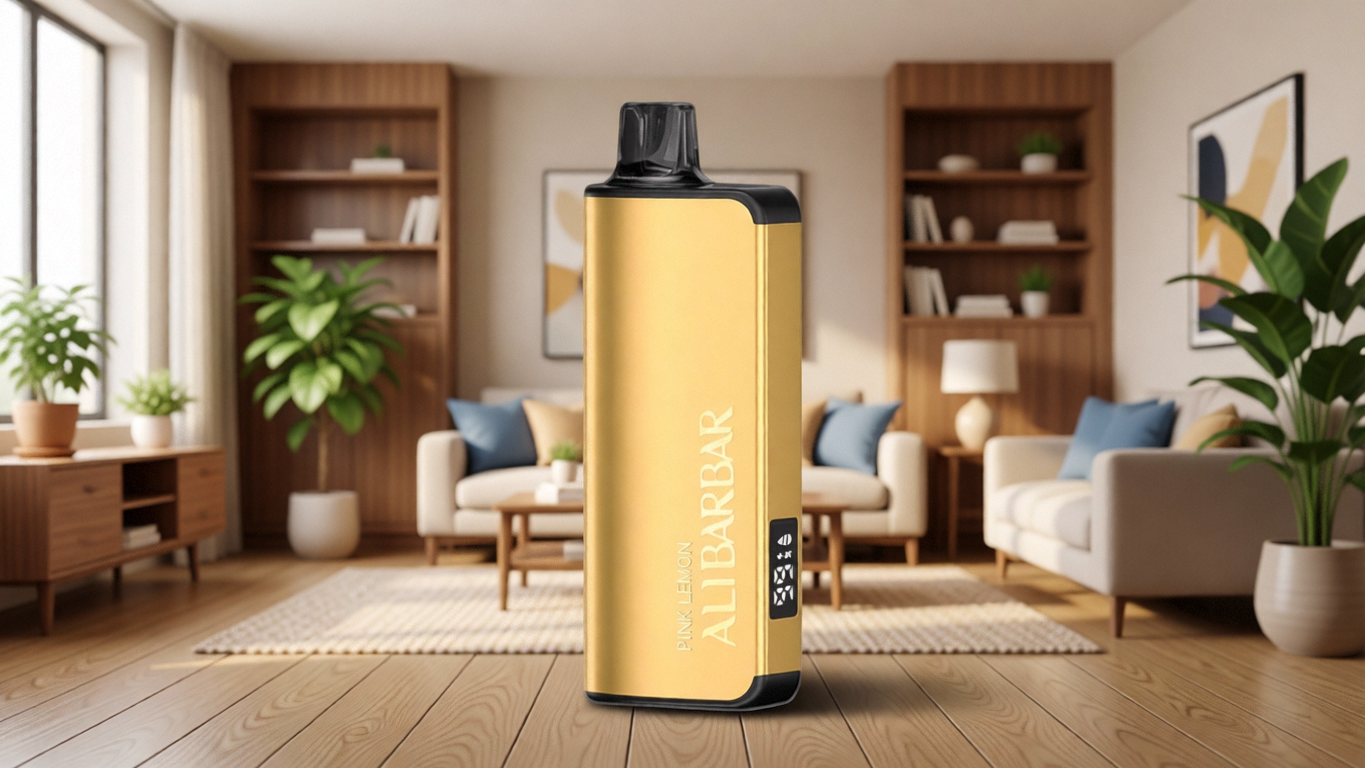
ALIBARBAR Ice Adjust 12000 introduces a modular twist: a replaceable pod system that keeps the rechargeable battery and control hub. This architecture pushes lifecycle flexibility further. The user buys the main kit once and then purchases only pod refills, which reduces per‑use cost and material waste. The constant‑power output, a feature of the main unit’s regulation, ensures that each pod vapes as consistently as the last. This modularity also means you can take a couple of spare pods on a long trip without carrying multiple complete devices — a practical advantage that is easily overlooked when comparing initial purchase prices alone.
Mainstream pod‑system brands such as Vaporesso (XROS series) or Uwell (Caliburn) take modularity into the realm of separately replaceable coils and adjustable power. These devices offer the greatest degree of user control, but they also require more attention: coil priming, regular cleaning, and occasional troubleshooting of electrical contacts. They suit users who view device interaction as part of the experience. For those who simply want a device that works consistently with no maintenance, a well‑engineered rechargeable disposable like the INGOT line removes that layer of complexity without sacrificing performance predictability.
A Practical Framework for Evaluation
If you approach each product category with a short diagnostic checklist, the “best” type emerges naturally from your own habits.
Define your primary scenario. Is the device for all‑day use, occasional breaks, or social settings where you do not want to carry anything bulky?
Check for status transparency. Ask: Can I see at a glance how much energy or liquid remains? If the answer is no, you will almost certainly carry a backup or overcharge.
Examine the heating architecture. Look for evidence of a purpose‑designed coil (mesh, parallel, or a recognised brand’s proprietary system). A single generic wire wrapped around loose cotton is a warning sign.
Run a lifecycle calculation. For a rechargeable disposable, divide the cost by the verified number of draws (not the marketing puff count) and compare it to the cost of pods or coils plus liquid over an equivalent period. Include the value of your time spent maintaining the device.
Read beyond the headline specification. A device with “12000 puffs” but a battery that only supports 8000 before voltage sag is effectively a 8000‑puff device. Cross‑reference capacity claims with real‑world usage reports or independent testing where available.
Platforms that present standardised specifications side‑by‑side — as OZVAPE Shop does for the ALIBARBAR range — can reduce the mental friction of this comparison because differences in draw count, battery size, and liquid volume become immediately apparent.
Common Selection Errors and Industry Observations
Experience reveals that a handful of specific mistakes keep turning up, irrespective of price point.
Overweighting a Single Metric
A device marketed as “20000 puffs” can create a strong pull, but if the coil integrity fails at 8000 puffs, the last 12000 are irrelevant. Evaluating output consistency over the device’s full intended life is far more revealing than the headline number alone.
Assuming Visual Similarity Equals Equivalent Engineering
Many manufacturers adopt similar cylindrical or rectangular form factors. The external similarity hides vast differences in internal construction. Two devices that look the same can differ in coil quality, battery calibration, and liquid‑flow design. This is why authorised sourcing becomes critical — an authentic ALIBARBAR INGOT, for example, carries the factory‑calibrated power management that a lookalike may omit.
Undervaluing Modularity in Cost Calculations
A rechargeable disposable might appear more expensive than a cheap non‑rechargeable option, but the total cost of two or three units that die early can easily exceed the price of one rechargeable device that uses its full liquid reservoir. Extend that logic to a pod‑based system like the Ice Adjust 12000, and the per‑use saving grows further if you use the device consistently.
Confusing Category Labels with Technical Specifications
“Disposable” is a broad retail classification, not a technical description. A rechargeable disposable shares the convenience of a sealed unit but adds the electrical architecture to utilise all the liquid. Treating all disposables as interchangeable ignores the battery‑management engineering that separates a device that fades early from one that holds steady.
From a supply‑chain perspective, many brands prioritise low unit cost over coil‑battery matching because the latter requires additional R&D. The prevalence of inconsistent non‑rechargeable disposables on the market is not an accident; it is a consequence of economic decisions made during product design. When a brand like ALIBARBAR consistently pairs mesh coils with calibrated power delivery across its INGOT and Ice Adjust series, that represents a deliberate choice to prioritise user experience over the absolute floor price. For the adult user, recognising that distinction can save a great deal of frustration.
Frequently Asked Questions
Q: How do I verify that my ALIBARBAR device is authentic?
A: Each ALIBARBAR device carries a unique verification code on the packaging. You can confirm it through the official brand verification system. Purchasing through an authorised channel like OZVAPE Shop ensures stock is factory‑certified from the start.
Q: How many draws can I realistically expect from an INGOT 9000?
A: The device is designed to deliver approximately 9000 draws under standardised testing conditions. In everyday use, this typically translates to several days for a regular adult user, but actual numbers vary with draw length and frequency.

Q: Does the Ice Adjust 12000 require any maintenance?
A: The pod system is intended to be maintenance‑free. When a pod is empty, you replace it with a new one. The battery unit itself requires no cleaning under normal conditions.
Q: What should I do if a device does not perform as described?
A: OZVAPE Shop provides local post‑purchase support. Contact the team with your order details, and they will go through a straightforward assessment and resolution process based on the documented issue.
Q: Can I fly domestically with these devices?
A: Portable electronic devices that contain a battery are generally permitted in carry‑on luggage. Always check the latest airline and CASA guidelines before travel, as regulations can change.
Q: How does the rechargeable function work on the INGOT series?
A: At the base of the device there is a Type‑C charging port. When the battery indicator shows a low state, a standard USB‑C cable (not included) recharges the internal cell. The device protects against overcharging, so you can leave it connected without risk.
Q: Which ALIBARBAR device is best for someone who prefers a minimal‑fuss option?
A: The INGOT 9000 or 15000 are the most straightforward: no refills, no adjustments, just use and recharge until the liquid runs out. They offer the longest trouble‑free window per unit.
Q: How long does shipping take within Australia?
A: Delivery times depend on your location and the shipping method selected at checkout. OZVAPE Shop processes orders on business days and provides tracking on dispatch, with most metropolitan deliveries arriving within a few days.
Q: Is it safe to buy these devices online?
A: Yes, when you buy from a transparent, locally accountable retailer. OZVAPE Shop stocks only authorised inventory, uses secure payment processing, and offers human‑led support if anything does not go as expected.
Q: What if the product I receive appears damaged?
A: Contact the shop immediately with photographic evidence. A replacement or refund will be arranged according to the store’s documented policy, which prioritises resolution over procedural delay.
Conclusion
The best type of vape is not a universal trophy; it is the category that aligns most closely with your real‑world routine, your tolerance for maintenance, and your expectation of consistency. When you evaluate devices through the lens of engineering — coil design, power calibration, status feedback, modularity — the decision becomes a matter of matching trade‑offs to priorities rather than chasing adjectives. The ALIBARBAR range, available through OZVAPE Shop, exemplifies a design philosophy that addresses the most persistent user frustrations directly, but the analytical approach outlined here applies to any product on the market. The power to choose well sits firmly in your hands, and it is built on understanding, not on brand noise.