
VAPE FAQs
Is It Ok To Vape Every Once In A While?
May
Many adults who use personal electronic devices only on rare occasions ask the same question, often framed with uncertainty: Is it safe to do this once in a while? The question is reasonable, because the world of personal electronics is filled with contradictory signals. On one hand, a vast number of devices are designed and marketed for daily, heavy use. On the other, people who use anything infrequently look for permission to treat the activity as a negligible intervention. The truth, however, does not live at either extreme. The risk profile of intermittent use depends far more on the engineering of the device, the integrity of what it contains, and the conditions of its storage and handling than on the simple fact of occasional use. OZVAPE Shop, as a dedicated channel for factory‑certified equipment in Australia, operates on the principle that an informed user makes a better decision — whether that decision means choosing a device, using it rarely, or abstaining altogether. This discussion lays out how to think about occasional use, absent exaggeration, through the lens of device design, material science, and transparent sourcing.
Understanding What Matters: The Engineering Factors That Shape Intermittent Use
A one‑off or once‑in‑a‑while routine presents a particular kind of user frustration: intermittency. A device might be stored for weeks, then expected to perform exactly as it did the last time it was activated. Without careful design, this pattern tends to expose weaknesses that daily users never encounter. The following factors explain why two devices that look identical can yield vastly different experiences — and vastly different risk profiles — when used only occasionally.
Internal Architecture and Output Consistency
The internal layout of a device — how the heating assembly is mounted, insulated, and fed power — determines whether a unit that has been sitting unused for weeks will fire immediately or produce a harsh, uneven experience. Many budget constructions employ a simple wire coil in direct contact with a wicking material that can lose its saturation equilibrium during prolonged idle periods. The resumption of power then creates hot spots, partial dry‑firing, and the formation of compounds that regular use might otherwise suppress through constant moisture flow. Well‑engineered designs, by contrast, incorporate a more sophisticated thermal mass distribution and a sealed or semi‑sealed chamber architecture that protects the fluid delivery pathway from drying out. For an adult who uses a device only every now and then, output consistency is not a luxury — it is the primary safety guard against inhaling unexpected by‑products during an infrequent session.
Power Management and Status Transparency
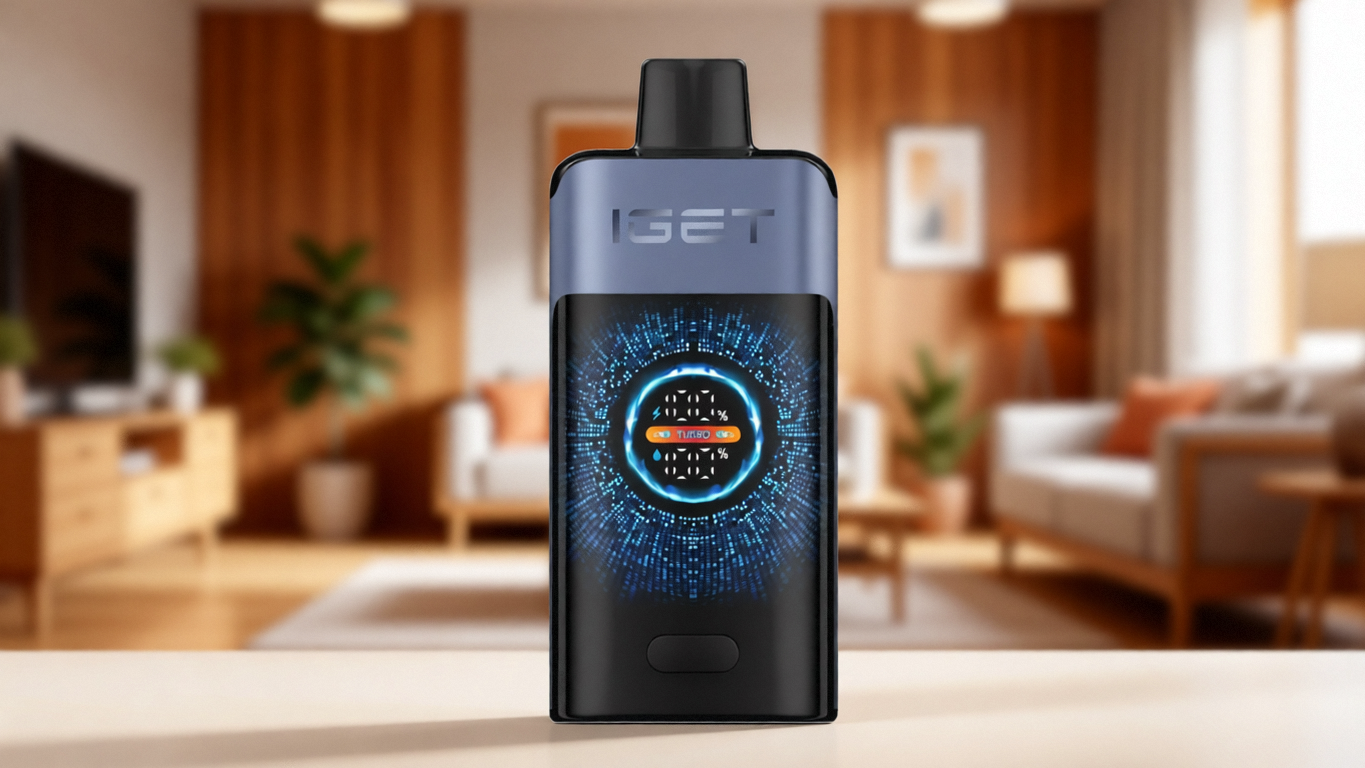
Nothing is more disorienting than picking up a device that has been stored for two months, activating it, and receiving no feedback — or, worse, getting one half‑delivery before it shuts off. A reliable status indicator does more than show battery life; it tells the user whether the unit is ready to operate within its designed parameters. Devices that lack clear, unambiguous feedback force the occasional user into a guessing game. They might be tempted to recharge abruptly, draw harder, or disassemble something that was never intended to be opened. Status transparency, expressed through a multi‑stage LED or an on‑body screen, removes this ambiguity and lets the user make an informed, low‑stress choice. This is especially relevant for those who only reach for a device in social settings or during travel, times when they cannot afford to troubleshoot a malfunction.
Physical Design and Material Durability
Occasional handling puts different stresses on a device than daily carry. A unit stored in a drawer or a glove compartment is subjected to temperature swings, incidental pressure, and long‑term exposure to whatever substances might be in the surrounding environment — from hand creams to volatile cleaning agents. The surface finish, the integrity of the mouthpiece material, and the sealing of the charging port all determine whether the device stays clean and safe for intermittent activation. Devices that use automotive‑grade PVD coatings, surgical‑grade stainless steel in fluid contact surfaces, and protective port gaskets tend to survive these irregular use patterns without degradation. Cheap paints may flake, cheap plastics may off‑gas, and unsealed contacts may corrode, introducing a source of contamination that a daily user would likely burn through before noticing — but which an occasional user could inhale in concentrated form at the moment of use.
Modularity and Lifecycle Flexibility
An infrequent user might own one device for two years. In a sealed, non‑replaceable unit, the internal battery will slowly degrade even when not in use, and the fluid‑holding substrate will age. A modular system — one where the power source can be replaced or the consumable portion is factory‑sealed and designed to be swapped — offers a meaningful advantage: the user can refresh the part that deteriorates without discarding the entire device. This matters for safety because forcing an aging sealed unit to perform after long dormancy can push it outside its rated thermal window. For someone who only vapes every once in a while, modularity means the difference between starting from a known‑good, factory‑calibrated condition each time and gambling on a unit whose internal chemistry has silently shifted over twelve months of storage.
Applying These Criteria to Real-World Options
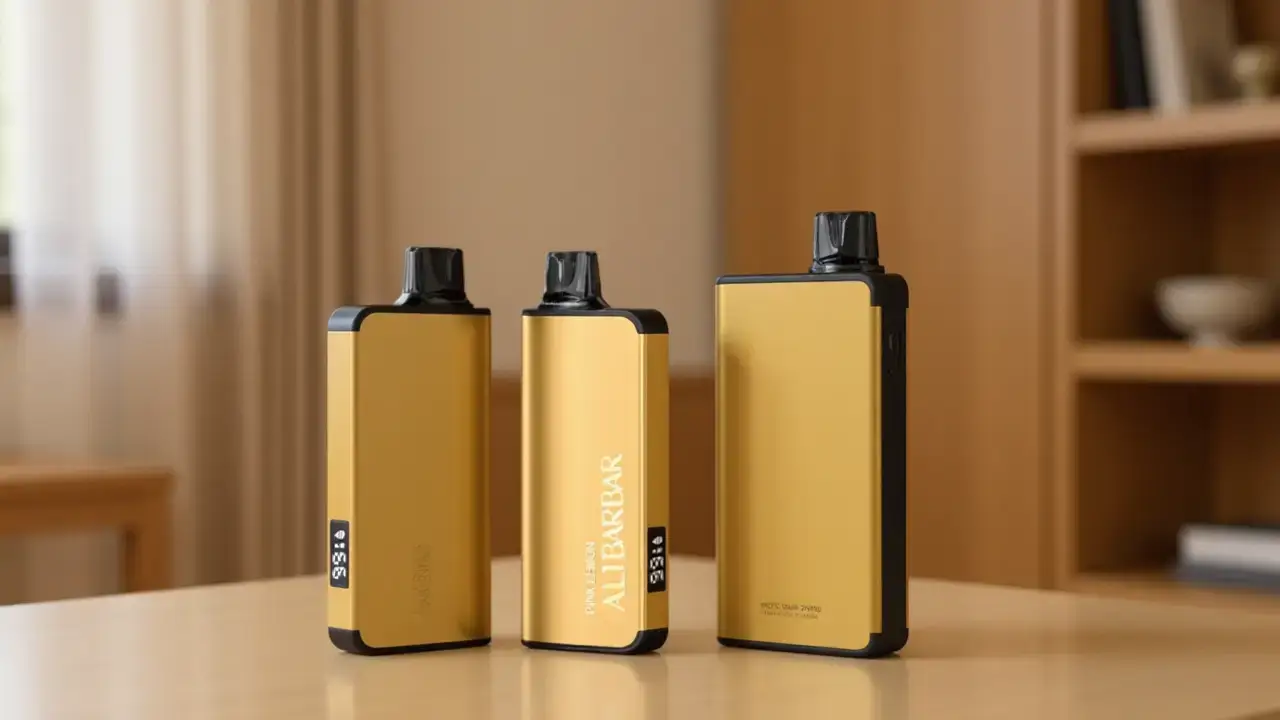
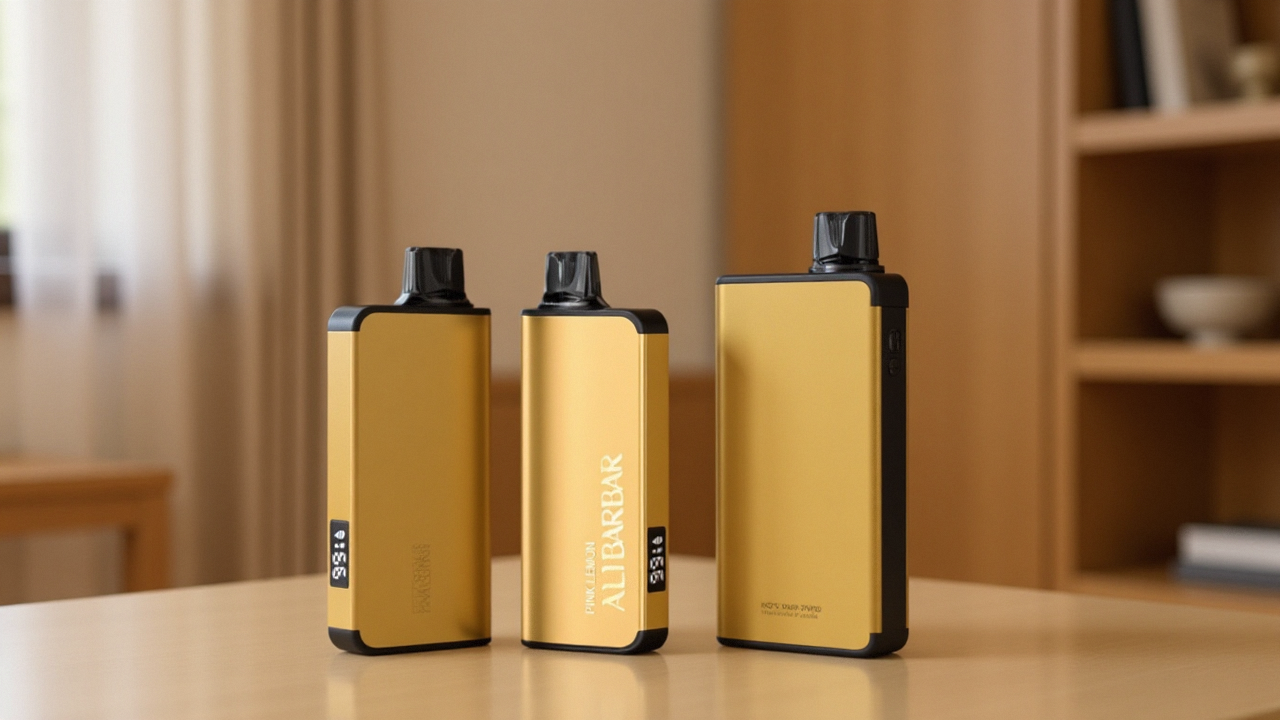
Industry observation confirms that manufacturers approach these four factors very differently. Some families of devices have been engineered explicitly around the needs of the casual, intermittent user, even if they are used daily by others. The ALIBARBAR range, available through OZVAPE Shop, illustrates what happens when a design team starts from the premise of predictable, repeatable sessions regardless of how much time passes between them.
Take the ALIBARBAR INGOT 15000. Its power delivery system relies on a calibrated chipset that checks battery health and internal resistance at power‑on, refusing to fire if parameters fall outside a defined safety envelope. For an occasional user, this means that picking up the device after three months is not a leap of faith — it is a brief, invisible self‑diagnostic that happens before the first draw. The device also employs a substantial fluid reservoir within a dual‑layer sealing architecture, retarding the natural loss of moisture that plagues open‑wick designs. The status indicator uses an uninterrupted series of LEDs that reflect both remaining charge and, critically, real‑time draw integrity, so the user knows that what they are experiencing is within the intended output range.
Competing device families, such as those offered by well‑known international brands like Vaporesso or Geekvape, often focus on high‑wattage, daily‑driving configurations with user‑serviceable tanks and replaceable coils. While those products serve a specific audience brilliantly, they introduce a set of variables — coil‑priming, wattage adjustment, tank disassembly — that add complexity for someone who uses them only sporadically. The point is not that one is superior; it is that an intermittent user should scrutinize how a device handles dormancy far more than a daily user ever would. The ALIBARBAR approach leans heavily into “inactive stability,” and OZVAPE Shop’s catalog makes that design brief easy to identify across its entire listed range.
A Practical Framework for Evaluating a Device Before Infrequent Use
No single specification sheet can tell an adult whether a device is suitable for once‑in‑a‑while activation, but a few diagnostic questions, applied consistently, act like a filter:
Status check at idle: Place the device in storage for one week without charging, then retrieve it and attempt a draw. Does it respond immediately, and does the indicator behave as expected? If you cannot assess its condition without trial and error, the device lacks the feedback necessary for safe intermittent use.
Seal inspection: Close your hand around the mouthpiece area and apply gentle suction without activating the device. Do you feel any air from unintended seams? Poorly sealed air inlets can allow the fluid medium to dry unevenly during storage, leading to hot spots.
Post‑storage output stability: On the first use after prolonged rest, take a series of three short draws. The profile should remain even; any harshness, burnt notes, or immediate fading of output suggests the wicking architecture lost equilibrium.
Charging behaviour after deep discharge: If the device allows a battery to discharge completely during storage, note how it behaves upon reconnection. A well‑designed power management IC will initiate a gradual pre‑charge phase, protecting the cell’s chemistry. A device that immediately draws full current after deep discharge is risking internal damage that could compromise safety on the next use.
Lifecycle transparency: Does the manufacturer disclose the expected shelf life of a sealed consumable, or the rated number of recharge cycles for the power cell? Without such data, the occasional user cannot calculate when a unit has passed a safe operational window.
Adults who go through this process with any device will quickly separate designs built for predictability from those built only for immediate gratification. OZVAPE Shop standardizes this information across its listed products, so these criteria can be applied to a whole category without digging through scattered marketing language.
Common Selection Errors and What the Industry Shows Us
Over years of observation, several patterns emerge among adults who end up disappointed or unsettled by their occasional use of personal electronic devices.
First, overweighting aesthetic similarity. It is tempting to assume that two devices of the same general shape and colour perform identically. In reality, internal architecture — the choice of heating element, the grade of wicking material, the configuration of the airflow path — can differ completely. A device that looks like a known, trusted model but uses a cheaper, parallel‑market heating assembly will not behave the same way after storage, yet the occasional user often learns this only after a negative experience.
Second, ignoring modularity when calculating long‑term cost. A sealed unit with 9,000‑rated activations may seem sufficient for someone who uses it once a month, but over two years, the internal battery will have aged, and the fluid medium will have lost its original profile. The per‑session cost, adjusted for a degraded experience, becomes far higher than anticipated. A modular system that allows for the periodic replacement of the consumable portion keeps each session within the engineering window for which the device was actually optimized.
Third, misunderstanding terminology. Words like “disposable” and “rechargeable” are often used indiscriminately in online descriptions. Some units are factory‑sealed but contain a rechargeable battery, while others are completely non‑serviceable from power source to fluid. The distinction matters because a rechargeable battery in a sealed unit will inevitably fail, and when it does, the user may attempt unsafe workarounds. The occasional user, unfamiliar with the nuances of the category, is particularly vulnerable to this information gap.
From a supply‑chain perspective, the market has seen an influx of uncertified inventory originating outside authorized distribution networks. These products often use lower‑cost battery cells that exhibit accelerated degradation during long‑term, intermittent storage. A retailer that strictly sources from factory‑certified channels provides a structural safeguard: the device that reaches the consumer is the one that was designed and tested for the Australian market, not a repurposed overstock from an unregulated channel. This is the underlying logic behind OZVAPE Shop’s commitment to authorized supply chains.
Frequently Asked Questions
Q: Can using a device only on weekends or special occasions eliminate all potential risks?
A: No. While infrequent use reduces cumulative exposure, the integrity of the device at the moment of use still determines the character of that exposure. A single session with a poorly maintained or counterfeit device can deliver an intense, unpredictable output.
Q: Does a device that has been sitting unused for six months need any special preparation before use?
A: Ideally, yes. The user should visually inspect the exterior and mouthpiece for damage or residue, check that no foreign matter has entered any openings, and allow the device to reach room temperature before activating it. If the device has a status indicator, its behaviour at first press will signal whether the battery is still in a safe state.
Q: How does OZVAPE Shop verify the authenticity of the devices it sells?
A: Inventory is acquired exclusively through authorized brand distribution partners, and each product’s batch information is traceable. This ensures that the unit matches its documented specifications and has not been tampered with during transit.
Q: What is the practical difference in safety between a sealed unit and one with a replaceable consumable for an occasional user?
A: With a sealed unit, the entire device ages together; once the battery or fluid substrate degrades, the user is left with a device that operates outside its designed parameters. A replaceable‑consumable system allows the user to maintain fresh, factory‑calibrated performance while the power source is still functional, which is a more predictable model for intermittent use.
Q: Is it necessary to store a device in a particular way between uses?
A: Yes. Store it upright in a cool, dry place, away from direct sunlight and out of reach of children. Avoid environments with extreme temperature fluctuations, which can cause internal condensation or accelerate battery degradation.
Q: What should I do if a device I use rarely suddenly produces an unusual smell or taste?
A: Stop using it immediately. Even if the device appears externally undamaged, a change in output character suggests an internal shift — degraded wicking, a compromised seal, or a failing battery discharge profile. No amount of troubleshooting by a non‑professional can restore it to a confirmed safe state.
Q: How can I tell if an online store sells certified products and not counterfeits?
A: Look for clear statements about supply chain sourcing, batch‑level traceability, and a published returns policy that rests on product authenticity. A legitimate retailer will openly disclose its sourcing relationships rather than relying on generic quality claims. OZVAPE Shop publishes this information as a matter of operational principle.
Q: Does occasional use affect the shelf life or warranty of a device?
A: Many manufacturers offer limited warranties that assume regular use or specify a defined period from manufacturing. Occasional users should review these terms carefully, as a device may be out of warranty long before its activation count would suggest, simply due to the passage of time.
Q: Are there any specific device families known for maintaining performance during infrequent use?
A: Some product lines, such as the ALIBARBAR INGOT series, are engineered with dormancy in mind — their sealed fluid systems and self‑diagnostic power‑on routines address many of the failure modes that concern occasional users. Other brands may offer similar intentional designs, and comparing specifications based on the framework above will reveal which ones are genuinely built for low‑frequency activation.
Q: If I only vape every once in a while, does the quality of the device still matter as much as the quality of the substance?
A: Absolutely. Even with a perfectly pure consumable inside, a poorly engineered device can alter that substance through uneven heating or material contamination. The quality of the device is inseparable from the quality of the overall experience.
Conclusion
The question “Is it ok to vape every once in a while?” cannot be answered with a blanket yes or no. The critical answer lives in the details of the device that sits unused for weeks, the conditions in which it is stored, and the transparency of its engineering. An adult who understands these variables is in a position to make a calm, rational choice — not driven by fear or by carelessness, but by recognition of what good design looks like and where it can be found. OZVAPE Shop exists to make that recognition simpler, by curating a range of products that are documented, authenticated, and selected according to the very criteria covered throughout this discussion. For anyone who uses personal electronics only occasionally, that level of information is not just helpful — it is the difference between guessing and knowing. Ultimately, the right decision is the one that aligns with your actual habits, your tolerance for ambiguity, and your willingness to inspect what you bring into your body, as rarely as that may be.