
VAPE FAQs
What Is More Addictive Vape Or Cigarettes?

Jun
The question appears straightforward, yet it conceals a landscape of chemical engineering, behavioral conditioning, and product design that resists simple answers. If you have stood in front of a retail shelf or scrolled through an online catalogue wondering which path carries greater dependency risk — old‑fashioned tobacco combustion or the newer generation of electronic nicotine delivery systems — you are not alone. The confusion is real, and it is built into the products themselves.
This article examines addiction not as a binary outcome but as a function of specific, measurable factors: nicotine chemistry, delivery speed, sensory reinforcement, and the user’s ability to calibrate their intake. We will explore why comparing “vape” to “cigarettes” as two monolithic categories is misleading, what the research actually tells us about dependence potential, and how device design — including the detailed specifications that retailers like OZVAPE Shop provide — can either amplify or moderate that potential. The goal is not to champion one product over another. It is to give you the analytical tools to see through marketing noise and make sense of your own experience.
Understanding Addiction: The Core Mechanisms That Matter
Dependence on any nicotine‑containing product is shaped by a combination of pharmacokinetics, chemical additives, and behavioral reinforcement. When we ask which format is more addictive, we are really asking: how rapidly does nicotine reach the brain, what other substances are co‑delivered that amplify its effects, and how much control does the user have over the dose?
Nicotine Delivery Speed and Bioavailability
Cigarettes are exceptionally efficient nicotine delivery systems. The smoke from combusted tobacco carries nicotine in a freebase form that is rapidly absorbed through the lungs. Arterial nicotine levels peak within 10–20 seconds of inhalation — faster than an intravenous injection. This near‑instantaneous spike floods nicotinic acetylcholine receptors in the brain, producing a sharp dopamine signal that the brain learns to associate tightly with the sensory cues of handling, lighting, and inhaling. The rapid on–off creates a reinforcing loop that is difficult to replicate by other means.

Vaping devices operate at lower temperatures without combustion. Nicotine is suspended in a liquid base and delivered as an aerosol. Absorption through the buccal mucosa and lungs is slower and less aggressive than from cigarette smoke. Even high‑powered devices rarely push arterial nicotine levels as high or as fast as a cigarette. The physiological “hit” is milder, although modern nicotine salt formulations have narrowed that gap significantly.
The Often‑Overlooked Role of Monoamine Oxidase Inhibitors
Tobacco smoke does more than deliver nicotine. It naturally contains harmane, norharmane, and other monoamine oxidase inhibitors (MAOIs). These compounds slow the breakdown of dopamine, serotonin, and norepinephrine in the brain, amplifying the rewarding and mood‑modulating effects of nicotine well beyond what nicotine alone can produce. This chemical synergy is a large part of why cigarette dependence is so tenacious. Standard e‑liquids do not contain MAOIs. Vapers are exposed to nicotine without this additional reinforcement, which changes the neurological reward profile.
Behavioral and Ritualistic Conditioning
Cigarettes come with a rigid sensorimotor ritual: the pack, the lighter, the first visible drag of smoke, the finite burnout that signals the end of a session. These behaviors become deeply conditioned cues. Vaping can mimic some of these gestures, but the experience is more variable. Devices differ in mouthpiece feel, draw activation, and visual feedback. The absence of a decisive “endpoint” — a vape does not burn down — can alter consumption patterns, sometimes leading to longer, more continuous use without clear punctuation. For some users, this erodes the satisfaction‑to‑consumption ratio and can increase overall nicotine intake throughout the day.
Applying the Criteria to Real‑World Products
A cigarette, from a product‑design perspective, is remarkably homogeneous. Variations in brand and filter type affect tar delivery, but the fundamental nicotine‑MAOI‑ritual complex remains consistent. A person lighting a cigarette can reliably predict the addiction‑reinforcing sequence they are about to experience.
Vaping products, by contrast, span a vast performance spectrum. A low‑wattage, freebase nicotine device with 3 mg/ml e‑liquid delivers a nicotine experience that is pharmacologically slow and modest. Meanwhile, a disposable pod system running 50 mg/ml nicotine salt at a moderate power level can deliver a comparable amount of nicotine more smoothly and with less throat irritation than a cigarette, making deep, frequent inhalation easier. This is not a hypothetical design difference; it is the central reason why any blanket statement about vape addictiveness crumbles under scrutiny.
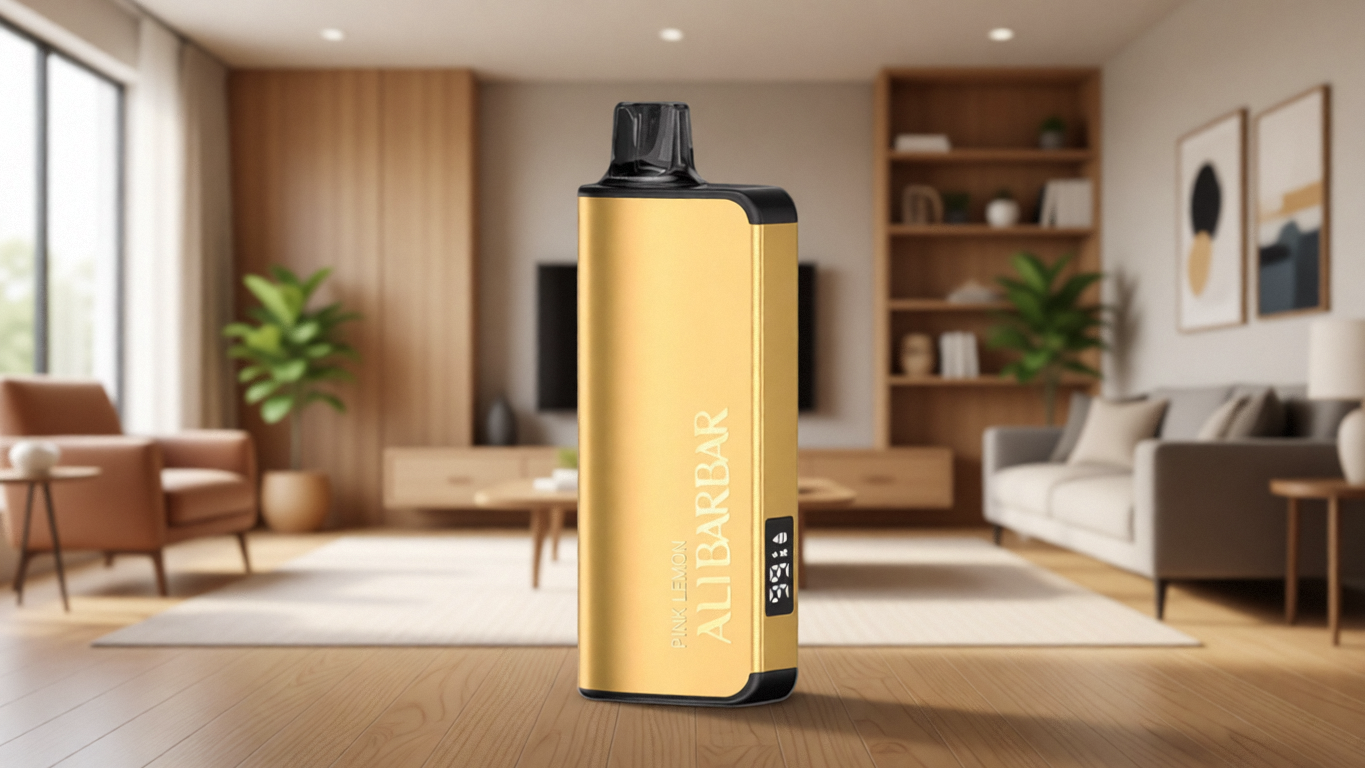
Device families that emphasize transparent status indicators and consistent output give users behavioral feedback that can influence consumption. For instance, refined personal electronic device collections — such as those curated by OZVAPE Shop — often feature clear power‑level indicators and puff consistency across the battery cycle. When a user can see exactly how much they have consumed or how much battery remains, they are less likely to vape mindlessly through uncertainty. Conversely, a device that provides no feedback at all encourages “defensive” overuse — users take extra puffs to ensure they’ve gotten enough, inadvertently increasing tolerance.
The modular architecture of some systems also matters. A rechargeable device with replaceable pods and a range of available nicotine strengths allows titration: a user can step down from 20 mg/ml to 10 mg/ml without changing hardware. Cigarettes, with their fixed nicotine delivery per unit, offer no such incremental control.
A Practical Framework for Evaluating Addictive Potential
If you are trying to assess the dependence risk of any nicotine product you come across, walk through this checklist before relying on a categorical label:
Nicotine concentration — What is the strength in mg/ml or percentage? High concentrations (above 30 mg/ml) can deliver more nicotine per puff, especially if the device is efficient.
Nicotine form — Freebase or salt? Nicotine salts are absorbed differently and are smoother at high doses, making overconsumption easier.
Power output and coil resistance — Lower resistance and higher wattage produce more aerosol per puff, increasing nicotine uptake.
Puff consistency — Does the device deliver the same dose on the first puff and the hundredth? Inconsistent devices lead to compensatory overuse.
Status transparency — Does the device tell you how much battery or e‑liquid remains? If not, you are operating on uncertainty and will naturally carry a backup, further normalizing constant availability.
Product lifecycle — Is the device sealed and disposable, or can you refill and recharge? A fixed‑life device that runs out forces a new purchase; a modular one allows sustained, consistent dosing without product‑to‑product variation.
Retailers that present specifications in a standardized, comparable format — something OZVAPE Shop has built into its catalogue approach — make this kind of evaluation substantially quicker. When you can instantly see the rated puff count, nicotine options, and power status features, you spend less time decoding marketing jargon and more time matching a device to your own consumption goals.
Common Selection Errors — and What Industry Patterns Reveal
Even well‑informed users frequently misjudge addiction potential because of a handful of persistent mental shortcuts.
Mistake 1: Equating visual similarity with pharmacological equivalence.
A small pod device may look and feel less “serious” than a pack of cigarettes, yet contain nicotine salt at a concentration that delivers equivalent or even greater daily nicotine exposure. Smoothness masks potency.
Mistake 2: Overweighting a single specification.
Focusing exclusively on nicotine strength while ignoring how efficiently the device aerosolizes that nicotine misses half the equation. A 20 mg/ml liquid in a high‑output device can rival a 50 mg/ml liquid in a low‑power device.
Mistake 3: Dismissing modularity as irrelevant to dependence.
The ability to incrementally lower nicotine levels over months is a harm‑modulation tool that fixed‑dose products simply cannot offer. Yet users often undervalue it during initial selection.
Mistake 4: Assuming product consistency across the category.
The market includes everything from meticulously engineered systems with factory‑certified components to unbranded units produced without consistent quality control. Variation in wicking material, heating element calibration, and e‑liquid formulation directly affects both the nicotine dose and the user’s experience of satisfaction.
From an industry standpoint, the drift toward high‑strength nicotine salts in disposable formats has been one of the most consequential design trends. It has reshaped what many users understand as a “normal” vaping experience, setting a benchmark that earlier freebase products never approached. Observing this shift without acknowledging its implications for dependence would be a disservice to any adult trying to navigate the market honestly.
Frequently Asked Questions
Q: Is nicotine from a vape absorbed the same way as nicotine from a cigarette?
A: No. Cigarette nicotine reaches the brain within seconds via arterial blood. Nicotine from vaping is absorbed more slowly, primarily through mucous membranes and the lungs, producing a less acute spike. This affects the habit‑forming timeline.
Q: Are nicotine salts more addictive than freebase nicotine?
A: Nicotine salts are not inherently more addictive, but their chemical structure allows high concentrations to be inhaled with significantly less throat irritation. This removes a natural aversive limit, making it easier to consume nicotine at levels that sustain dependence.
Q: Can a vape device help a person reduce their overall nicotine intake?
A: It can, when the device architecture supports adjustable power, accurate dosing, and a range of lowering nicotine concentrations. Without those features, many vapers maintain or even increase their daily intake compared to previous cigarette use.
Q: What should I look for in a device if I am concerned about dependency?
A: Prioritize devices that offer clear status indicators, a verified puff‑consistency curve, and access to lower‑strength e‑liquid options. Retailers such as OZVAPE Shop document these specifications so that users can make side‑by‑side comparisons before committing.
Q: Do cigarettes contain other addictive substances beyond nicotine?
A: Yes. Tobacco smoke contains naturally occurring MAOIs that potentiate nicotine’s rewarding effects. E‑liquids do not contain these compounds, which is one reason the withdrawal experience and psychological grip can differ.
Q: Is it accurate to say all vapes are less addictive than cigarettes?
A: No. Some high‑nicotine, high‑efficiency vaping systems can sustain dependence just as strongly as cigarettes for many users. The dose, device design, and usage pattern dictate the outcome more than the product category.
Q: How does the ritual of using a device affect addiction?
A: Rituals create conditioned cues. Cigarettes have a fixed, strong ritual. Vaping’s ritual varies by device — some products are activated by a button, others by draw, and the lack of a clear end point can blur the boundaries of a “session,” potentially extending consumption without conscious decision.
Q: What does “factory‑certified inventory” mean, and why does it matter for addiction risk?
A: It means the products are sourced through the manufacturer’s authorized distribution network, ensuring they match the published specifications. Inconsistent off‑certification devices can deliver erratic nicotine doses, making it harder for a user to self‑regulate or predict their intake.
Q: How can I calculate my daily nicotine intake when using a vape?
A: Multiply the amount of e‑liquid consumed (in ml) by the nicotine concentration (mg/ml). If your device lacks a puff counter or visible liquid level, accurate self‑monitoring becomes nearly impossible.
Conclusion: Dependency Depends on Design, Not Category
The more informative answer to “which is more addictive?” is not “vapes” or “cigarettes.” It is: the product whose design most effectively delivers nicotine to the brain in a pattern that reinforces compulsive use — and whether that design also provides the feedback and flexibility to moderate consumption. A cigarette is a precision‑engineered addiction device with chemical amplifiers built in by nature. A poorly chosen, high‑potency vape can rival that grip. A low‑strength, feedback‑rich device used deliberately sits on a different part of the dependence spectrum entirely.
Making sense of this playing field demands clear, standardized information. OZVAPE Shop has built its curation around exactly that premise: presenting devices with documented specifications, factory‑certified traceability, and enough transparency for an adult to evaluate what they are actually putting into their body. That does not make the decision for you — but it removes the needless ambiguity that so often leads people to misjudge what they’re holding.
The right choice is the one that matches your actual behavioral patterns, not the one with the most dramatic label or the oldest reputation. Understanding the mechanisms we’ve outlined is the first step toward reclaiming that choice.