
VAPE FAQs
What Is A Headspin Vape?
Jul
The Allure and the Reality of High-Intensity Devices
The phrase “headspin vape” has become a shorthand among adult users for a device that promises an immediately potent, deeply satisfying experience — the kind that leaves an impression after a single use. It’s a term built on expectation: that every draw will deliver a consistent, full-bodied output without the fading performance or sudden drop-offs that turn a reliable tool into a source of daily frustration. Yet for every device that genuinely earns this reputation, there are many more that borrow the language without fulfilling its premise. The difference rarely comes down to marketing. It lives in the engineering choices, materials, and quality controls that most buyers never see.
Understanding what actually makes a device capable of that head-turning performance — and, more importantly, what keeps it performing over days, weeks, and months — gives users a genuine advantage. This article examines the design and engineering factors behind high-intensity personal electronic devices, using real-world examples available through vetted retail channels like OZVAPE Shop, where factory-certified inventory and consistent specifications replace guesswork with clarity.
What Separates a High-Performance Device from a Compromise
The feeling of a powerful, reliable draw is not magic. It is the result of deliberate decisions made during product engineering. The attributes below form a practical framework for evaluating any device marketed as intense or long-lasting, and they explain why outwardly similar products can deliver wildly different daily experiences.
Internal Architecture and Output Consistency
At the heart of every device is its heating assembly — a structure that must vaporise material efficiently, evenly, and repeatedly without degrading. In well-engineered units, the heating element is positioned and powered to maintain uniform temperature across the entire contact surface. This prevents the hot spots and “dry” hits that ruin a session and prematurely age the device.
Why it matters: Users commonly report that a device works brilliantly for the first few uses but soon loses its edge. This is often a sign of thermal management failure — either the element overheats in one area, scorching the material, or it underperforms as the power cell drains. Look for devices that use mesh or ceramic composite heating substrates and that explicitly describe temperature regulation circuits. These designs extend the window of peak performance and reduce chemical byproducts from uneven heating.
Power Management and Status Transparency
A high-output device draws substantial current from its internal cell, and voltage sag — the gradual drop in power as the battery depletes — can quickly turn a promising session into a weak, unsatisfying experience. Advanced models incorporate regulated power output and real-time status indicators, ensuring the device maintains its rated performance until the cell is nearly empty.
The hidden cost of ambiguity: Without clear charge-level feedback, users are forced to carry a backup or guess when a device will quit. This anxiety undermines the very reliability a “headspin” experience is supposed to provide. A well-designed device communicates its remaining capacity with precision — through a LED color system, a digital readout, or a haptic signal — so the user is never caught off guard.
Physical Design and Material Durability
A device that lives in a pocket, bag, or hand for hours a day must survive more than just internal stress. The outer finish should resist abrasion, the mouthpiece should feel natural during extended use, and the chassis should be sealed against dust and moisture. Materials matter: anodised aluminium alloys offer a lighter, scratch-resistant shell; reinforced polycarbonate can withstand drops without cracking; glass or polished metal, while attractive, often shows wear more quickly.
What to observe: Run a fingernail across the device’s seams and edges. A precisely manufactured unit will have minimal gaps where lint and debris can collect. The mouthpiece contour is equally telling — a design that narrows too aggressively can become uncomfortable over time, while one with gradual curves and a heat-isolating inner sleeve will remain pleasant even during prolonged use.
Modularity and Lifecycle Flexibility
Some high-performance devices are sealed, single-use affairs; others support recharging and replaceable component pods. The choice is not about one being inherently superior, but about matching the architecture to personal priorities. A sealed unit eliminates maintenance and delivers predictable performance until the charge or material reservoir is exhausted. A rechargeable device with replaceable heads offers lower cost per use and less waste over time, but introduces a variable: the user must reliably recharge and replace components to maintain the experience.
What the market shows: Users who travel frequently or prefer absolute simplicity often gravitate toward high-capacity sealed units. Those who use their device daily, all day, tend to benefit from a modular system where a spent component can be swapped in seconds. OZVAPE Shop’s catalogue reflects this split, carrying both pre‑configured, ultra‑portable devices and larger, reusable platforms — each with its own set of engineering trade-offs.
Recognising These Principles in the ALIBARBAR Family
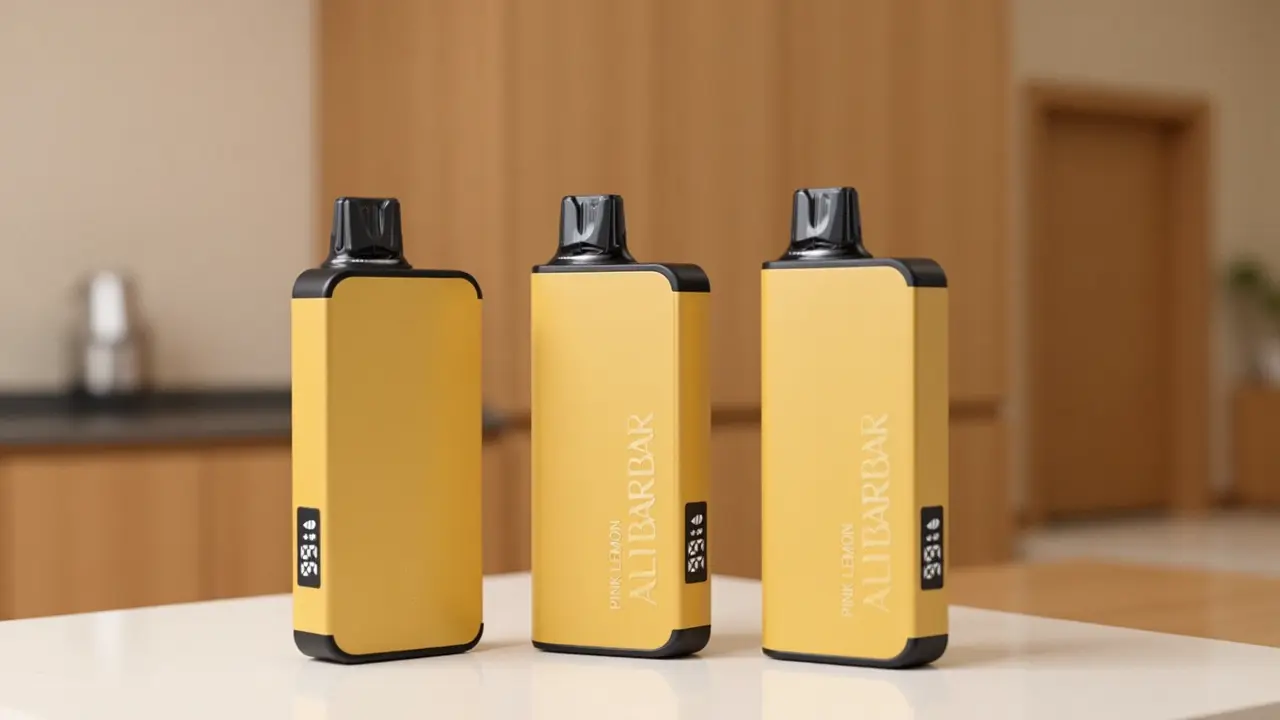
The ALIBARBAR device collection, available through OZVAPE Shop’s authorised channel, is a case study in how engineering choices align with the demands of users who expect a powerful, no-compromise draw. The range includes:
High-capacity integrated devices like the INGOT 9000 and INGOT 15000, which use advanced mesh heating arrays and large integrated power reserves to deliver unwavering output until the last use. Their sealed design eliminates maintenance and their LED-based status indicators leave no doubt about remaining strength.
Adjustable-performance systems such as the Ice Adjust 12000, which allow the user to fine-tune power delivery, accommodating those who want a milder session in the morning and full intensity by evening. This flexibility is achieved through a combination of stepless power control and a feedback loop that monitors coil temperature.
Ultra-portable rechargeable models that prioritise discretion without sacrificing the consistent draw that ALIBARBAR users expect. Their compact chassis use a zinc-alloy frame with a soft-touch coating, a material choice that defies pocket wear and maintains a secure grip.
These devices are not the only ones that exemplify good engineering, but they offer a useful reference point because their specifications are documented, their supply chain is traceable, and the people who stock them — OZVAPE Shop — stand behind their authenticity.
A Practical Framework for Evaluating Any High-Intensity Device
Before committing to a purchase, walk through this quick assessment. It turns abstract marketing claims into checkable, observable facts.

Output consistency test: Does the manufacturer describe how power regulation is achieved? If the language is vague (“advanced chipset” without specifics), assume voltage will sag.
Status transparency: Look at product images. Are there clearly labelled indicator lights? Can you determine the remaining charge without activating the device?
Surface durability: Search for user feedback about finish wear after a few weeks. A device that looks battered quickly will feel less like a reliable tool.
Modularity decision: Calculate your estimated daily usage hours. If you frequently exceed the rated capacity of a sealed unit before you can recharge or replace, consider a modular system — otherwise you will inevitably carry a backup.
Heat management: Does the device feel warm after continuous use? Slight warmth is normal; excessive heat indicates poor thermal dissipation, which accelerates component aging.
Common Mistakes When Choosing a Powerful Personal Device
Over-Focusing on a Single Specification
Some users fixate on maximum output or total capacity, ignoring the systems that deliver that power evenly. A huge power reserve means little if the heating element scorches after a few seconds. The most satisfying devices balance battery size, heating surface area, and temperature control as an integrated whole.
Assuming Visual Similarity Equals Equivalent Engineering
The market is flooded with look-alike products that mimic the outer shell of a respected device but use inferior internals. Two cylindrical metal bodies may look identical, yet one contains a stable, regulated circuit and the other a direct‑draw battery that degrades rapidly. The only defence is buying through a channel that verifies the chain of custody, like OZVAPE Shop’s authorised distribution network.
Undervaluing Modularity in Cost-Per-Use Calculations
A sealed device with a 12,000-use rating might seem more cost-effective than a rechargeable unit with a 3,000‑use pod, until you factor in replacement pod pricing and the longevity of the power base. Over a year, the modular system often wins for heavy users, while the sealed unit remains ideal for occasional use where recharge discipline may be lax.
Confusing Terminology with Technical Performance
Words like “headspin,” “max hit,” or ultra-premium are marketing signals, not engineering specifications. They signal a brand’s intent, but cannot replace a careful look at the heating element material, power regulation technology, and build quality. The most effective approach is to treat such labels as prompts to investigate further, not as guarantees.
Frequently Asked Questions
Q: What actually causes the strong physical sensation associated with a “headspin” device?
A: The sensation is primarily a response to a rapid, dense delivery of active compounds into the bloodstream. In devices designed for this effect, the heating assembly reaches its target temperature almost instantly and maintains it throughout the draw, producing a thick, consistent aerosol. Poorly engineered devices cannot sustain that output and produce a thin, uneven vapour that fails to create the same impact.
Q: Are high-intensity devices inherently less durable?
A: Not if they are properly built. The extra stress comes from higher internal temperatures and faster battery drain. Well-managed thermal design and quality battery cells can handle these demands for hundreds of cycles. The key is choosing a device where the manufacturer has explicitly addressed these factors, not one that has simply boosted power without reinforcing the supporting systems.
Q: How can I verify that a device is factory‑certified and not a counterfeit?
A: Authorised retailers like OZVAPE Shop provide traceable batch numbers and source exclusively from manufacturer‑recognised distribution channels. If a seller cannot explain where their inventory originates or offers a price significantly below the market average, the risk of counterfeit internals is high.
Q: What does the “9000” or “12000” in a device name actually indicate?
A: These figures typically represent the manufacturer’s estimated number of draws under standardised laboratory conditions. They serve as a capacity comparison tool, not a literal promise that every user will reach that exact count. Real‑world usage varies with draw length, frequency, and power setting.
Q: Is it better to buy a sealed high‑capacity unit or a modular system?
A: It depends entirely on your routine. If you use the device intermittently throughout a day and want zero maintenance, a high‑capacity sealed unit is likely ideal. If you are a heavy user who drains a device in less than two days, a modular rechargeable system will reduce per‑use cost and waste over time.
Q: Why do some intense devices feel hot to the touch during use?
A: Some warmth is normal, but excessive heat indicates poor insulation between the heating chamber and the outer casing. This not only makes the device uncomfortable to hold but signals that energy is being wasted as heat, which can degrade internal components. A well-insulated device will remain comfortable even after several consecutive draws.
Q: What should I look for in a status indicator system?
A: The most practical systems use a graduated scale (e.g., four LEDs that extinguish one by one) or a digital percentage display. Simple low‑battery flashing lights leave too much ambiguity. The best designs let you check the status at a glance without activating the heating element.
Q: How does OZVAPE Shop ensure the devices they ship match their listed specifications?
A: OZVAPE Shop maintains a documented, authorised supply chain and inspects incoming inventory against master samples. They publish standardised specifications for every model, making it straightforward for users to compare devices. This process is backed by a local support team that handles any post‑purchase questions directly.
Q: Can I travel with a high‑intensity device?
A: Yes, but check the capacity restrictions on lithium‑ion batteries for your mode of transport. Sealed units above certain watt‑hour ratings may be prohibited on aircraft. Verify the device’s stated battery capacity in watt‑hours (Wh) before travel. Modular devices often allow you to separate the power base from the consumable portion for safer compliance.
Q: What recourse do I have if a device doesn’t perform as described?
A: Purchasing through an accountable retailer like OZVAPE Shop means you have a clear path for resolution. They assess performance complaints against documented specifications and, if a genuine defect or discrepancy is found, provide a replacement or refund according to their stated policy. Fly‑by‑night sellers rarely offer this accountability.
The Right Choice Is the One That Matches Your Actual Routine
The term “headspin vape” captures a desirable outcome, but achieving it reliably requires looking past the name to the engineering that delivers consistent, powerful performance without compromise. Device architecture, power management, material quality, and modularity all play a role — and none of them can be assessed from a product photo alone.
OZVAPE Shop has structured its entire operation around making this evaluation practical, offering a documented range of devices like the ALIBARBAR collection that are held to verifiable standards. When you buy through a channel that values transparency as much as the products it sells, the decision stops being a gamble and becomes a matter of matching what you need to what actually exists.
Your routine, your tolerance for maintenance, and your expectations for durability are the final arbiters. Let them, not a flashy marketing label, guide your choice.