
VAPE FAQs
How To Know What Vape To Buy?

Jul
The moment you start looking for a new personal electronic device, the landscape appears deceptively simple. Hundreds of options share similar silhouettes, similar power ratings, and similar promises of long life. Yet anyone who has owned more than two devices knows that the experience varies wildly—some deliver consistent performance for weeks, others degrade after a handful of sessions. The confusion is not your fault; the market has grown faster than the vocabulary most people have to evaluate it.
This article provides a structured way to think about device selection. It does not rank products or recommend a single “best” choice. Instead, it offers a framework you can apply to any device, in any category, so that the decision becomes a matter of matching your actual routine to a product’s documented behaviour—not guesswork.
At OZVAPE Shop, we see hundreds of adult users each week who ask the same question in different forms. The information that follows synthesises what we have learned from those conversations, from teardowns, and from observing how devices perform under real-world conditions.
Understanding What Matters: Core Engineering and Design Factors
Every personal electronic device intended for repeated use is a system of compromises. No single design can maximise battery life, output consistency, physical durability, and ease of use all at once. Understanding which compromises matter most to you is the entire skill of choosing well.
Internal Architecture and Output Consistency
The heating element configuration is the single most consequential engineering decision inside any device. Most portable units rely on either a single fixed coil or a mesh-style element. Mesh configurations generally distribute heat more evenly across the surface area, which reduces the likelihood of localised overheating and the associated performance drop that occurs when a coil develops hot spots.
Why this matters: users consistently report that device performance is excellent for the first third of its operational life, then declines noticeably. This degradation is often caused by uneven heat distribution that caramelises material in one zone while leaving another underutilised. A well-engineered thermal management system—visible through consistent flavour and vapour production across the device’s life—is a sign that the manufacturer invested in element design rather than simply packaging a standard component.
Power Management and Status Transparency
The relationship between power source calibration and premature device failure is widely underestimated. Devices that lack regulated power draw will deliver a strong initial output that declines steadily as the power source depletes. This creates a false impression that the device is “dying” long before it actually runs out of capacity, leading users to discard or recharge units that still have useful life remaining.
Clear status indicators—whether a numeric display, a series of graduated lights, or a haptic confirmation—allow you to calibrate your expectations. Without them, you are operating blind. The practical cost is not just inconvenience; it is the habit of carrying a backup device because you cannot trust what remains.
Physical Design and Material Durability
Surface finish is not merely cosmetic. Devices that use soft-touch coatings often develop a tacky or peeling surface within weeks of daily carry, especially in warm climates. Anodised aluminium, stainless steel, or high-grade polycarbonate resist abrasion and maintain their appearance far longer. Ergonomics also matter: a device that is uncomfortable to hold for extended periods will be used less, regardless of its internal quality.
Mouthpiece contour is another overlooked detail. Designs that follow natural lip curvature reduce fatigue during prolonged use, while sharp-edged or overly wide mouthpieces create discomfort that detracts from the overall experience.
Modularity and Lifecycle Flexibility
Device architecture determines how much control you retain over the product’s lifespan. Three basic categories exist:
Sealed units: compact, lightweight, zero maintenance—but discarded after depletion.
Rechargeable systems: internal power source that can be replenished, but the heating element remains fixed.
Replaceable-component architectures: you can swap the power source, the heating element, or both independently.
Each has place. Sealed units suit occasional users who prioritise portability. Rechargeable systems suit daily users who want one device that lasts a full day with a single charge. Modular architectures suit those who value long-term cost efficiency and reduced waste, because you replace only the exhausted part.
Applying These Criteria to Real-World Options
To illustrate how the framework works, consider a few scenario-based comparisons. These are not endorsements—they are examples of how to read specification sheets and user reports through the lens of engineering priorities.
Scenario A: The all-day carry. You need a device that fits in a front pocket, survives an eight-hour workday, and provides consistent output from morning until evening. Here, power management and status transparency are critical. A device with a clear battery indicator and regulated output—such as the ALIBARBAR INGOT 9000 series (available through OZVAPE Shop and other authorised channels)—allows you to gauge exactly when you need to recharge or replace the unit. The trade-off is that sealed units in this form factor offer limited total capacity relative to larger modular devices.
Scenario B: Extended travel or heavy use. Your typical day spans twelve hours or more, and you prefer not to carry multiple devices. A higher-capacity rechargeable system with a replaceable heating element becomes attractive. The ALIBARBAR INGOT 15000, for example, combines a substantial power reserve with a mesh-style element that maintains consistency over its life. The compromise is increased physical size and weight.
Scenario C: Discretion and minimal fuss. You want something that slips into a jeans coin pocket and requires no thought. A small sealed unit with a simple operational life (no buttons, no settings) is the logical choice—but be prepared to accept its limited capacity and the lack of status feedback. The ALIBARBAR Ice Adjust 12000 series addresses this with a compact profile and a single activation mechanism, though its output remains unregulated.
These examples demonstrate that no device is perfect for every situation. The question is which trade-offs align with your priorities.
A Practical Framework for Evaluation
Use the following step-by-step method when assessing any device:
Identify your dominant usage pattern. How many sessions per day? One or two days between charging or replacement? What environments (pocket, bag, desk)?
Establish your minimum acceptable transparency. Do you require a numeric battery readout? A graduated light? A simple on/off indicator? If a device provides no status feedback, assume you will need to carry a backup.
Evaluate the heating element type. If possible, note whether the element is mesh or single-coil. Mesh is generally preferable for consistency, but single-coil designs can be simpler and more reliable in low-cost units.
Check material specifications. Avoid soft-touch coatings if you intend daily carry. Look for anodised metal or high-impact polymer.
Calculate total cost of ownership. For a sealed unit, divide the purchase price by the estimated number of sessions. For a rechargeable or modular device, include the replacement cost for the heating element or power source over a year.
Cross-reference specifications against independent user reports. Pay attention to patterns about degradation over time, not just initial impressions.
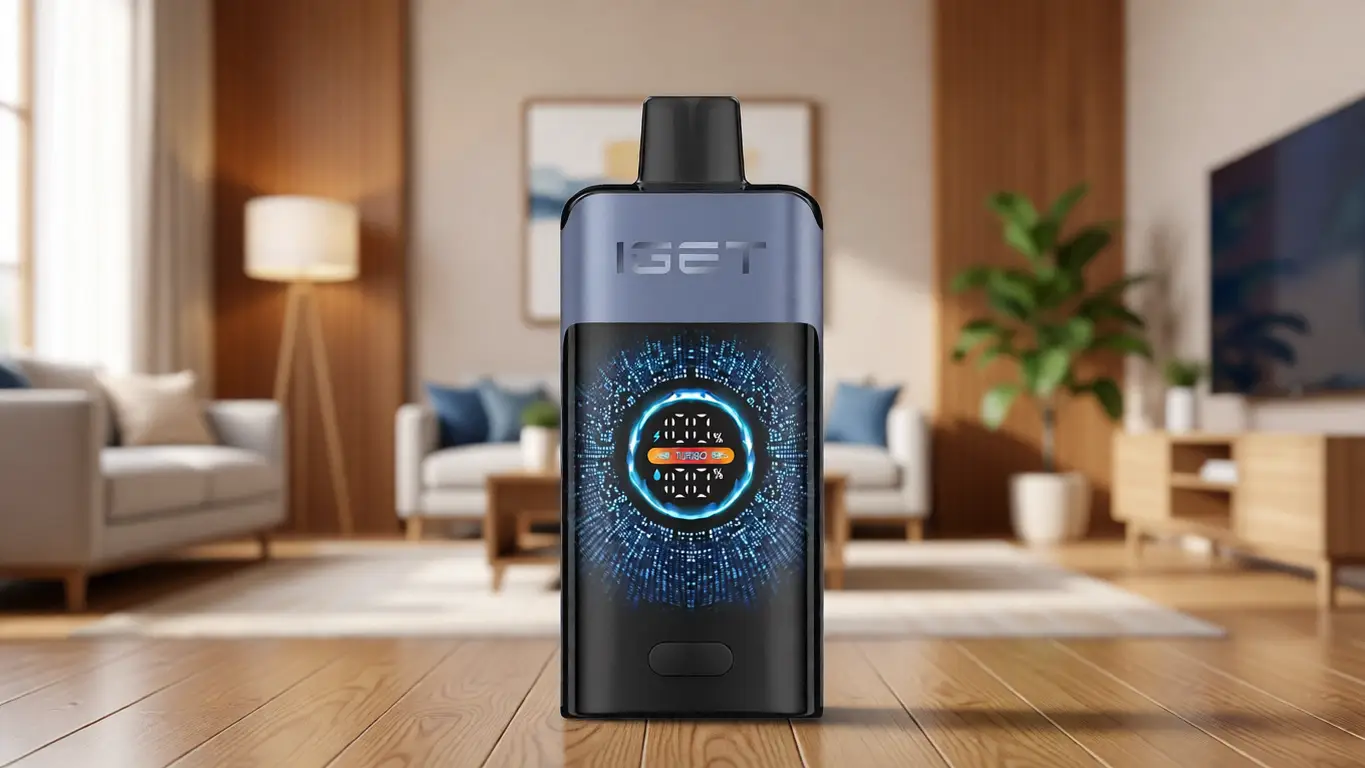
Standardised specification comparison tools—like the product comparison tables on OZVAPE Shop—reduce decision friction by presenting the same data fields for every model, enabling apples-to-apples evaluation.
Common Selection Errors and Industry Observations
Even experienced buyers make mistakes. Here are four patterns observed repeatedly:
1. Overweighting one specification while ignoring complementary factors. A device with an enormous power rating may still perform poorly if its heating element is poorly matched to the power source. The most important spec is regulated output, not raw capacity.
2. Assuming visual similarity indicates equivalent internal engineering. Two devices that look identical may have completely different internals. The same shell can house a single coil in one version and a mesh element in another. Never judge a device by its casing alone.
3. Undervaluing modularity in cost-per-use calculations. A sealed unit with a low upfront price can end up costing more per session than a modular device whose replacement parts are inexpensive. Consumers often ignore the long-term arithmetic.
4. Confusing category terminology with technical specifications. Terms like “disposable,” “rechargeable,” and “pod system” describe form factors, not performance. Two devices in the same category can differ by orders of magnitude in engineering quality.
At the industry level, there is a persistent gap between what marketing materials claim and what devices deliver. Most manufacturers test in controlled lab conditions with ideal materials. Real-world performance varies significantly based on how the device is stored, ambient temperature, and the user’s technique. A mature buyer accounts for this variance by demanding transparent specification sheets and independent verification.
Frequently Asked Questions
Q: How do I verify that a device I’m considering is genuine and not counterfeit?
A: Purchase only through authorised retail channels. Counterfeit units often use substandard materials and may have unregulated power delivery. Look for packaging with tamper-evident seals and matching serial numbers. Authorised retailers like OZVAPE Shop publish their sourcing documentation on request.
Q: What is the actual operational life I should expect from a sealed unit?
A: Manufacturer estimates are usually based on a standardised puff duration (often 1–2 seconds) at moderate output. Real-world usage with longer puffs or higher output reduces the count significantly. A good rule of thumb: halve the advertised figure for moderate-to-heavy use.
Q: Rechargeable vs. sealed—which is better for my situation?
A: Both have valid use cases. Rechargeable devices offer lower long-term waste and cost, but require a charging session that may not fit your schedule. Sealed units offer immediate replacement at the cost of continual expense and environmental impact. Choose based on whether you have regular access to a power source.
Q: Why does my device sometimes produce a burnt taste even when it shows adequate power remaining?
A: This is a sign of uneven heat distribution or a partially clogged wicking material. In well-engineered devices, the heating element is designed to prevent localised overheating. If this occurs frequently, the device’s internal architecture is likely compromised.
Q: How do I know if a mesh or single-coil element is better for me?
A: Mesh elements generally provide more uniform heating and better flavour consistency over the life of the device. Single coils can be simpler and less prone to manufacturing defects, but often degrade faster. If you prioritise consistent performance, mesh is typically the safer bet.
Q: What should I do if a device I purchased does not perform as described?
A: First, compare its behaviour against the documented specifications. If there is a clear discrepancy, contact the retailer directly. Reputable sellers have clear return or exchange policies. Keep your purchase receipt and any packaging.
Q: Is a larger device always better?
A: Not necessarily. Larger devices accommodate bigger power sources and more complex heating elements, but they are less portable and may be cumbersome for daily carry. The ideal device is the smallest one that meets your duration and output needs.
Q: How important is the brand reputation in this market?
A: Brand reputation matters primarily because it indicates the likelihood of consistent manufacturing quality and long-term availability of replacement parts or support. A brand that has been in the market for several product cycles—like ALIBARBAR—has a track record that can be evaluated against user reports.
Conclusion
Choosing the right device is not about finding a perfect product—no such thing exists. It is about understanding your own priorities clearly enough to recognise which engineering compromises are acceptable and which are deal-breakers. The framework outlined here—evaluate internal architecture, power management, materials, and modularity—gives you a repeatable method for any purchase you make.
At OZVAPE Shop, we see informed users make better decisions every day because they ask the right questions before buying. That is the entire point of this guide: to equip you to evaluate on your own terms, with your own criteria.
The right choice is the one that fits your actual routine, not the one advertised most aggressively. When you know what to look for, the market stops being confusing and starts being a set of trade-offs you can navigate with confidence.