
VAPE FAQs
Should I Vape With A Sore Throat?
Jun
It’s a situation that creates genuine hesitation: your throat is scratchy, swallowing feels uncomfortable, and yet the rhythm of your day ordinarily includes a personal electronic device. You’re not asking for permission. You’re asking whether the engineering of the device itself makes a difference in how your throat will feel thirty minutes from now, and whether there are choices that could turn a potential irritant into something far milder.
Those two questions sit at the centre of a far more interesting discussion than a simple yes or no. They point toward specific, measurable design factors — heat management, airflow architecture, power stability — that distinguish a device that simply works from one that treats the user’s comfort as its primary concern. At OZVAPE Shop, we’ve spent a long time documenting the specifications that allow adult users to make exactly this kind of comparison with confidence.
What follows is not medical advice. It is a technical walk-through of how modern personal electronic devices interact with throat sensitivity, and how you can evaluate a device’s potential to minimise discomfort when your body is already sending you signals to be careful.
Understanding What Matters: Device Engineering and Throat Comfort
When your throat lining is already irritated, the variables that tip the experience from manageable to painful are not mysterious. They are physical: the temperature of the aerosol, the volume of inhaled material and its path across the mucosa, the presence of any unintended by-products from a poorly maintained device. Examining each factor through an engineering lens gives you a repeatable, brand-agnostic way to think about your options.
Heating Architecture and Thermal Stability
The way a device generates warmth is the single largest determinant of throat sensation. A standard wire coil heating element heats unevenly — the centre of the coil reaches elevated temperatures before the outer wraps, creating localised hotspots that can produce a sharp, acrid note. By contrast, mesh heating elements — sheets of material with a grid‑like structure — distribute electrical current across a much larger, more uniform surface area. This produces a lower peak temperature, less thermal spiking, and a markedly smoother airstream.
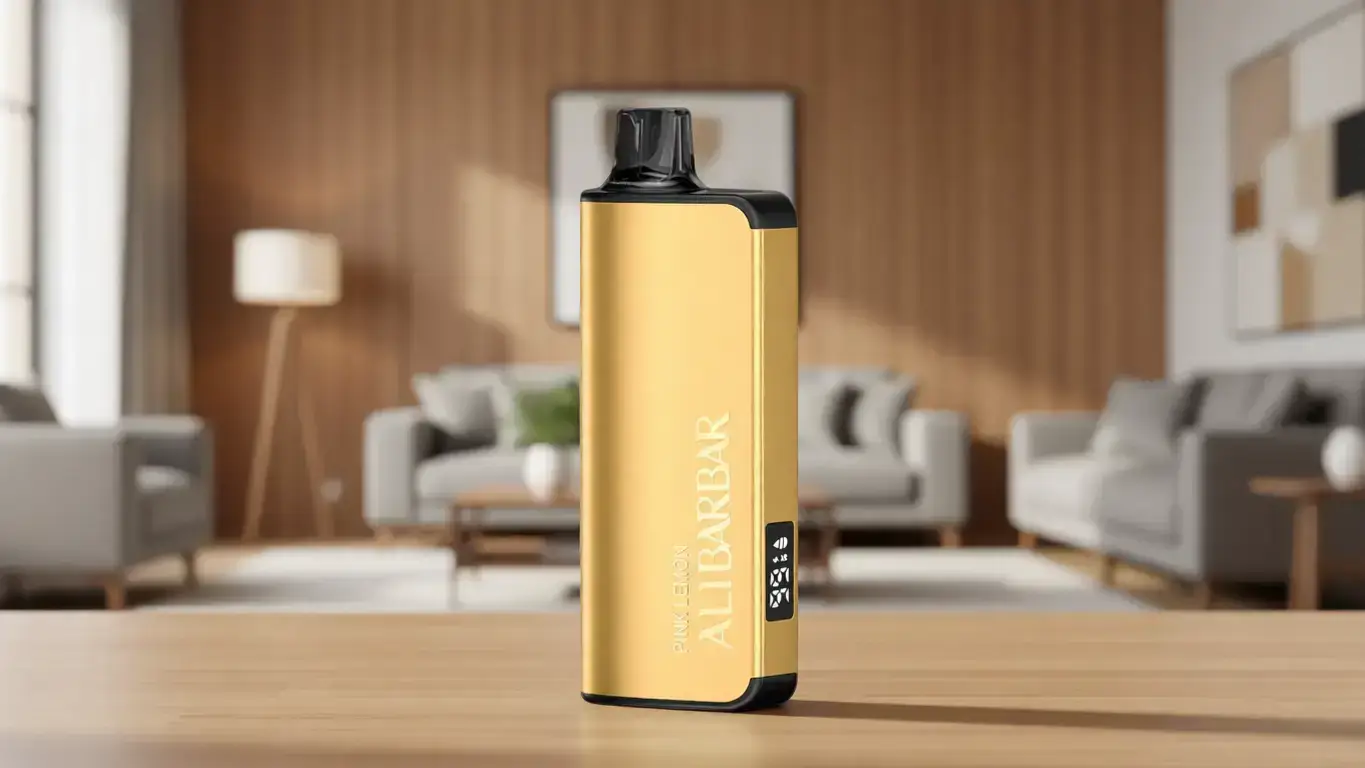
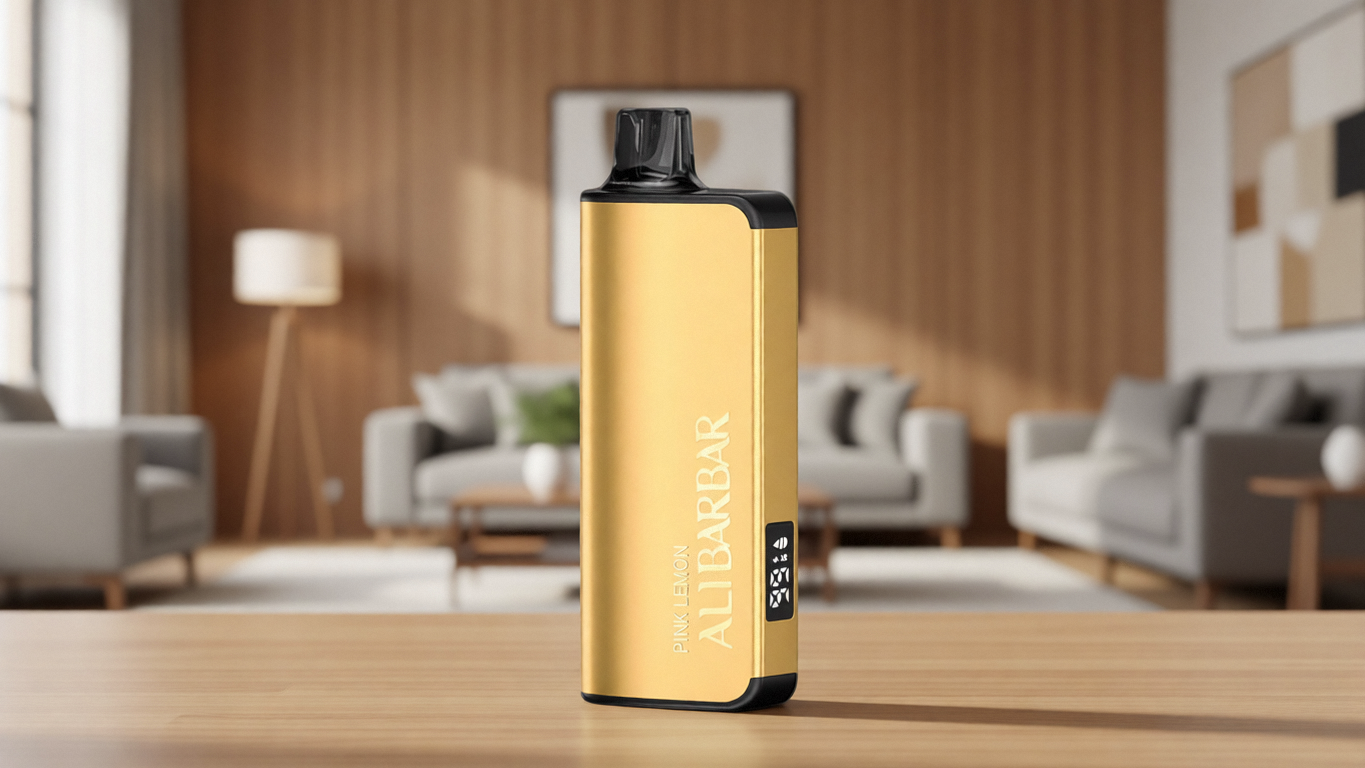
The difference is especially relevant when the throat is already sensitive. A device that operates with a tightly controlled temperature band avoids the unpredictable harshness that can arrive without warning during a prolonged session. The ALIBARBAR INGOT series, for example, employs a proprietary mesh architecture specifically tuned for this kind of steady, predictable output. It is not magic — it is simply materials science applied to an everyday problem.
Airflow Design and the Cooling Effect
The route that vapour takes from the heating chamber to the mouthpiece shapes its final temperature as much as the coil itself. Devices with generous, engineered airflow introduce cool ambient air that blends with the warm aerosol before inhalation, lowering the perceived temperature and dispersing the stream so that it does not strike the throat as one concentrated, forceful jet. Conversely, devices that force the user to draw against high resistance can paradoxically create a hotter, more concentrated sensation because the user instinctively pulls harder.
Adjustable airflow is not just a comfort feature; it is a real‑time control over thermal load. The ALIBARBAR Ice Adjust 12000 gives the user a sliding mechanism that alters intake geometry, making it possible to prioritise coolness on a day when the throat is tender, then tighten the draw when preference shifts. No single setting is universally correct — that’s precisely the point.
Power Delivery and Output Consistency
A device whose power delivery sags under sustained use or spikes when the battery is freshly charged produces fluctuating aerosol density and temperature. That unpredictability can punish a throat that is simply asking for routine. Regulated power management — the kind found in well‑engineered sealed devices — monitors resistance and adjusts output in real time to maintain a steady operational profile. This is a detail that rarely appears in marketing, but sharply divides the devices that are gentle and consistent from those that are not.
The ALIBARBAR INGOT 15000 builds a dedicated power management chip into its architecture, engineered to flatten the discharge curve so the final draw is materially the same as the first. When you have a sore throat, that level of predictability becomes a practical form of self‑care.
The Role of Cleanliness and Material Integrity
A device that has been in a pocket for days, its mouthpiece exposed to dust and skin oils, is not just a matter of appearance. Warmth and moisture create an environment where bacteria can thrive, and the debris that accumulates on a mouthpiece surface can mechanically abrade sensitive tissue. A fresh, factory‑sealed unit — or one that has been meticulously maintained — removes an invisible but very real layer of potential irritation.
Beyond cleanliness, the mouthpiece material matters. Medical‑grade materials, smooth contouring, and anti‑microbial surface treatments (where present) are not marketing fluff; they are risk reducers. In a category where users often overlook sanitation, this factor alone can explain why a device that seems identical on paper feels different in the throat.
Applying These Criteria to Real-World Options
While several established manufacturers produce devices that address the factors above, the way a brand commits to solving these problems consistently across its range provides a useful yardstick for comparison.
ALIBARBAR’s current family — including the INGOT 9000, INGOT 15000, and Ice Adjust 12000 — presents a deliberate arc of design priorities. The INGOT 9000 uses a sealed, high‑efficiency mesh system sized for discretion and simplicity. The INGOT 15000 extends that philosophy into a high‑capacity format with enhanced power regulation, while the Ice Adjust 12000 introduces user‑controlled airflow for direct management of throat sensation. Each addresses the core variables of heat, flow, and consistency, just at different scales and with different degrees of user control.
Elsewhere, brands like Vaporesso and Uwell have also built reputations for advanced coil technology and temperature regulation. Their devices deserve the same thorough evaluation. The principle remains: you are comparing engineering decisions, not names.
Through OZVAPE Shop, standardised specifications for the entire ALIBARBAR catalogue are publicly accessible, making it practical to compare airflow options, heating element types, and battery management features side by side before making a choice. The same rigour can, and should, be applied to any device you consider.
A Practical Framework for Evaluation
When throat sensitivity is the central concern, subjective impressions are not enough. Ask yourself the following questions about any device, new or already in your possession:
Does the device maintain a consistent output temperature from start to finish? If you can feel random spikes of warmth, the thermal regulation is likely insufficient, and your throat will pay the price.
Can you adjust the airflow to introduce more cooling air? Adjustable airflow is not a luxury; it is a direct tool for lowering perceived harshness.
Is the device fresh and clean, and does the mouthpiece have a smooth, inert surface? If you are re‑using an older unit, a quick visual inspection under bright light can reveal residues you didn’t know were there.
Does the device use a mesh‑style heating element? While not a guarantee, mesh elements consistently produce a smoother, cooler stream than traditional wire coils.
Does the device’s power delivery stay stable, or does it lose performance as the battery drains? Unregulated decline means the latter half of the device’s life is less predictable — and less comfortable.
If a device fails on two or more of these points, using it with a sore throat is a gamble you can see coming.
Common Selection Errors and Industry Observations
Extended observation of how adult users interact with personal electronic devices reveals a small set of errors that consistently lead to throat discomfort, even when the user has chosen a high‑quality unit.
1. Equating “stronger” with “harsher.” Many users confuse the physiological sensation of intensity with actual irritation. A device that delivers a substantial volume of smooth, cool aerosol may feel “strong” but not harsh. Conversely, a poorly regulated device with a weak output can still scorch the throat. The two dimensions — volume delivery and thermal aggression — must be evaluated separately.
2. Underestimating the cumulative effect of low‑level dehydration. Without making any health claims, it is well documented that warm, dry airstreams can increase mucosal water loss. When the throat is already inflamed, the drying effect can magnify discomfort disproportionately. This is an environmental factor, not a device flaw, but it influences the same outcome.
3. Overweighting one specification while ignoring complementary factors. A device may advertise “adjustable airflow,” but if that airflow pathway is narrow and heats the incoming air incidentally, the cooling benefit is marginal. The whole system must be evaluated, not one isolated feature.
4. Drawing conclusions from visual similarity. Two devices that look identical on the outside may have entirely different internal architectures, with one built around a precision mesh and the other assembled with a basic wire coil. The exterior tells you almost nothing about what happens inside the heating chamber.
From an industry perspective, the trend toward devices with integrated, sealed power systems (rather than external battery packs) is quietly improving average output consistency. Meanwhile, the move toward factory‑certified inventory — the standard at OZVAPE Shop — ensures that what a device’s specification sheet claims is what it actually contains. In a market where off‑spec components still circulate, that guarantee is a comfort factor in itself.

Frequently Asked Questions
Q: Is it safe to use a personal electronic device when I have a sore throat?
A: This article does not provide medical advice. If throat symptoms persist or are accompanied by fever, difficulty swallowing, or other concerning signs, consult a healthcare professional. The technical factors discussed here address only device‑related throat sensation, not underlying health conditions.
Q: Does a mesh coil really make a noticeable difference in smoothness?
A: Observable differences are consistently reported. Mesh distributes heat more evenly, lowering peak temperature points and producing a cooler aerosol. This is not absolute — airflow design still matters — but it is one of the most reliable engineering indicators of a gentle draw.
Q: If I adjust the airflow to the maximum setting, will it always feel cooler?
A: Generally, yes, because you are increasing the volume of ambient air blending with the aerosol. However, if the airflow path is short or the intake vents are positioned poorly, the cooling effect may be less pronounced. Still, opening the airflow typically reduces perceived throat hit.
Q: Can a high‑capacity device with a sealed power system maintain consistency better than a device with a removable battery?
A: In many cases, yes. Integrated power management, tuned to a specific heating element and usage profile, can deliver a flat output curve that a generic external battery mod struggles to match when battery voltage sags.
Q: How important is it that the device comes from an authorised supply chain?
A: Authorised supply chains ensure that the device you receive meets the original manufacturer’s specifications for heating element materials, airflow dimensions, and power regulation. Products from non‑certified channels may contain substituted components that behave differently — and unpredictably — in the throat.
Q: Does a clean mouthpiece really affect throat comfort?
A: Yes. Microscopic debris, oils, and accumulated residue can physically scratch the mucous membrane and introduce foreign material directly into the throat. A fresh, clean mouthpiece is a simple, zero‑cost way to remove that variable.
Q: Are there portable devices specifically designed for users who prioritise mildness?
A: Several device families prioritise smoothness through mesh heating, generous airflow, and temperature‑controlled output. The ALIBARBAR Ice Adjust 12000, for example, lets the user directly moderate the draw’s warmth, making it a practical choice for anyone with heightened sensitivity.
Q: Can I verify device specifications before purchase without relying on marketing claims?
A: Yes. Reputable retailers such as OZVAPE Shop publish standardised specification tables covering coil type, airflow adjustability, capacity, and power management. Cross‑referencing these details across different models strips away narrative and leaves only the facts that matter.
Q: If I’ve had a bad throat experience with one device, should I assume all devices will cause the same reaction?
A: No. The variation in internal engineering is substantial. A device that caused irritation may have had unstable power delivery, a rough coil, or poor airflow architecture. A different device, evaluated using the framework above, may produce a completely different throat sensation.
Q: What should I do if a new device produces unexpected throat discomfort?
A: Stop using it and isolate the cause. Check the device’s cleanliness, evaluate whether the airflow is too restricted for your current sensitivity, and confirm that the heating element is functioning correctly. If the discomfort persists, the device may contain a component that simply does not agree with you, and discontinuing its use is the prudent course.
Conclusion
The question of whether to use a personal electronic device when your throat is sore has no single right answer. But the moment you stop treating all devices as interchangeable and start examining the engineering that determines throat sensation — heating element design, airflow architecture, power stability, and surface cleanliness — the decision becomes one you can make with your eyes open, rather than by guesswork.
Informed users make better decisions. That principle is why, at OZVAPE Shop, we invest in making device specifications transparent and comparable. It is not about promoting a particular outcome; it is about equipping you with the details that matter, so that you — and only you — can decide what your body can comfortably handle on any given day.
The right choice is the one that matches your actual routine, your current physical state, and the device characteristics you now know how to assess. No device can promise perfect comfort under every condition, but understanding the variables gives you back a measure of control. Use it.