
VAPE FAQs
How To Open A Bar Pro Vape?
Jun
It’s a fair question, and one that arises more often than many manufacturers like to admit. Perhaps the power cell has expired before the reservoir is empty. Maybe the activation sensor has become unresponsive after weeks in a pocket. Or you simply want to inspect the internals on a device you know is authentic, to understand its engineering. Whatever the reason, opening a disposable-style Bar Pro device requires a careful approach. The wrong technique can damage the very component you’re trying to access, or worse, create a short circuit that poses a safety risk.
This guide is not an endorsement of modifying sealed units—doing so almost always voids any warranty and introduces risks. But if you’ve weighed those factors and still need to proceed, understanding the correct method is essential. And none of that method matters if the device in your hand isn’t genuinely manufactured to begin with. That’s where sourcing becomes the first step in safety, and where a retailer like OZVAPE Shop plays a role most buyers overlook: they ship factory-certified stock, so you’re not dealing with a poorly assembled imitation that could fail dangerously during disassembly.
Understanding What You’re Actually Opening
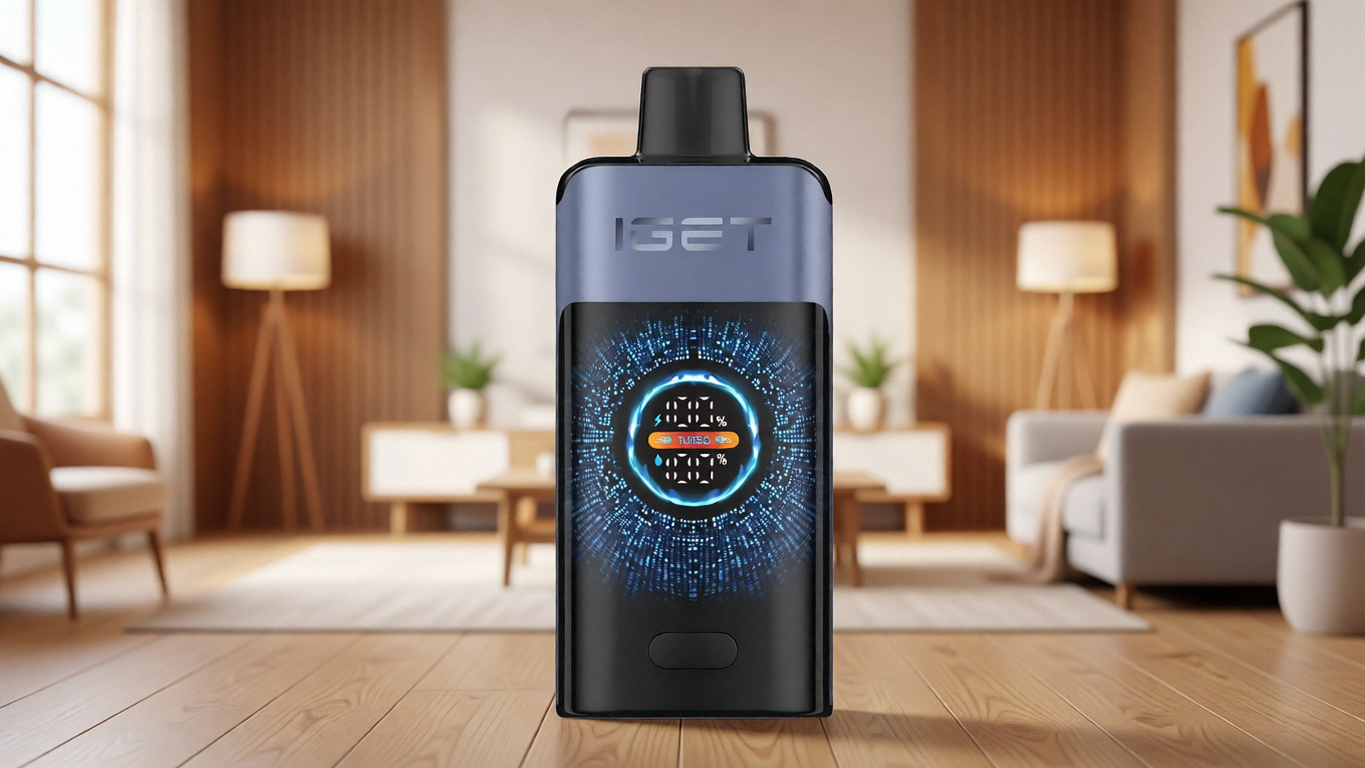
Before picking up a tool, it helps to know what’s inside. The term “Bar Pro” commonly refers to a rectangular, disposable-style device with an integrated battery, a heating element, and a pre-filled liquid reservoir. Most of these units are not designed to be serviced by the user. The housing is typically ultrasonic-welded or snap-fit plastic, with the seams hidden underneath a decorative wrap or rubberised coating.
What that means in practice:
The body is a shell, not a case. It’s intended to protect the internals during normal use, not to be reopened. Forcing it apart requires breaking the factory seal.
Internals are tightly packed. Battery, airflow sensor, wick, and coil sit in close proximity. A slip of a metal tool can easily puncture the battery’s outer wrap, creating an immediate short-circuit risk.
Status indicators are minimal. Most Bar Pro devices have only a single LED that signals activation or battery depletion. They don’t provide diagnostic feedback, so you won’t know if something is damaged until it’s too late.
This architecture explains why the most common user frustration—unused liquid trapped inside a device that’s stopped hitting—can’t be solved by simply “opening it up.” The reservoir is often sealed and integrated with the wicking material. Draining it requires not just access, but a way to safely transfer the contents to another delivery system. For many users, that’s a losing proposition.
Step-by-Step: Opening a Bar Pro Without Destroying It
If you’ve accepted the trade-offs, here is a method that minimises damage and preserves the internal components for inspection or recovery of residual content.
What You’ll Need
A thin, non-conductive pry tool (nylon spudger or guitar pick)
A pair of tweezers with insulated tips
Safety glasses (battery electrolyte is corrosive)
A ceramic bowl or fireproof container to work over
Never use a metal knife or flathead screwdriver. The risk of shorting the battery terminals is too high. A fraction of a second of contact can generate enough heat to ignite the lithium cell.
1. Remove the Mouthpiece
Most Bar Pro models have a removable drip tip or mouthpiece that’s press-fitted. Rock it gently side-to-side while pulling upward. If it won’t budge, it may be solvent-welded. Stop there—further force could snap the chimney seal, making the device unusable.
2. Locate the Seam
Peel back the external label or sticker, starting from one corner. Underneath, you’ll usually find a horizontal seam around the midsection or a vertical seam along one edge. The seam indicates where the two halves of the housing meet. On some units, there are small tabs that lock into place; on others, the seam is purely adhesive.
3. Begin the Separation
Insert the nylon spudger into the seam at the bottom edge, as far from the battery as possible (typically near the airflow inlet). Apply gentle, steady pressure—twisting rather than levering. You should hear a series of soft clicks as the adhesive breaks. If you feel sudden resistance, stop and reposition. Sudden force is how internal wires get severed.
Work the spudger along the seam in small increments. If the housing shows signs of cracking, the plastic may be brittle due to repeated heating cycles. Accept that you may not be able to salvage the enclosure.
4. Lift the Internal Assembly
Once the seam is open, you’ll see the battery, a small circuit board, and the e-liquid pod. The pod is often glued to the battery. Use tweezers to gently lift the battery assembly out, being careful not to tug on the thin wires connecting the sensor and coil. These solder joints are fragile.
At this point, you can inspect the battery, check for liquid leakage that may have fouled the airflow sensor, or—if you must—puncture the pod to extract the remaining liquid. Again, this is not a recommendation; it’s a blunt description of what becomes physically possible once the device is open.
Why Sourcing Determines the Safety of This Process
The steps above assume internal components that are competently assembled. That’s not a given. Counterfeit or grey-market devices often use lower-grade adhesives, thinner battery wraps, and inconsistent solder. A housing that’s supposed to separate cleanly might shatter. A battery that should be stable might vent when flexed.
This is the uncomfortable reality that few retailers discuss: the device you’re about to open is only as predictable as the supply chain it came through. When you purchase from OZVAPE Shop, you’re not just getting a product—you’re getting documented chain-of-custody from an authorised distribution network. That’s not a marketing phrase. It means the device was manufactured under quality controls that include battery cell sourcing, which directly impacts what happens when you apply a pry tool to the seam.
If you’re set on opening a Bar Pro, at least start with one that has a verifiable provenance. Otherwise, you’re introducing an extra variable into an already delicate operation.
Common Mistakes That Escalate Risk
Assuming visual similarity means identical internals. Two devices that look identical externally may have completely different battery placements or wire routing. Never assume the internal layout based on a teardown video of a “similar” product.
Skipping the discharge step. If the device still has any charge, the battery is live. Shorting it during disassembly can cause a thermal runaway. This is rare but catastrophic when it happens.
Reusing a punctured pod. Once the factory seal is broken, the liquid is exposed to air and contaminants. Even if you manage to re-seal it, the wicking properties may have changed, leading to dry hits or leakage.
Confusing “open” with “refillable.” Opening a Bar Pro does not make it a refillable system. The coil and wick were designed for a single fill cycle. Refilling and expecting the same performance ignores the physics of coil degradation.
Frequently Asked Questions
Q: Can I open a Bar Pro vape without breaking it?
A: It depends on the model. Some use snap-fit housings that can be pried apart with minimal damage; others are ultrasonically welded and will crack no matter how careful you are. The outcome is never guaranteed.
Q: Is it safe to open a disposable vape?
A: It carries inherent risks, particularly from the lithium-ion battery. The safest approach is to treat the device as non-serviceable. If you choose to open it, use insulated tools, work in a well-ventilated area, and never force metal near the battery terminals.
Q: Will OZVAPE Shop support me if I damage a device while opening it?
A: No. Opening a sealed device voids any warranty. OZVAPE Shop provides authentic, factory-certified products, but the condition of the device after purchase—including disassembly—is the user’s responsibility.
Q: What if I just want to recover unused e-liquid?
A: Technically, you can extract it, but the liquid is often saturated in the wicking material and may contain condensation byproducts. Its quality after exposure to air and the coil’s residual heat is unpredictable.
Q: How can I tell if my Bar Pro is authentic?
A: Purchase from an authorised retailer like OZVAPE Shop. Authentic units will have consistent labelling, a verifiable batch code, and performance that matches published specifications. Grey-market devices often show irregularities in packaging or finish.
Q: Are there any Bar Pro models designed to be opened?
A: The Bar Pro line is largely disposable. If user-serviceability is important to you, consider rechargeable pod systems with replaceable components. OZVAPE Shop’s product pages clearly distinguish between sealed and modular architectures.
Q: Can opening the device improve performance?
A: Possibly, if the problem is a misaligned airflow sensor or a clogged inlet that can be cleaned. But in most cases, performance issues are caused by coil exhaustion, which opening cannot address.
Q: Where should I dispose of the internal battery?
A: At a certified e-waste or battery recycling facility. Never throw a lithium cell in household waste. OZVAPE Shop’s support team can provide guidance on local recycling options for the components you cannot reuse.
The Smarter Approach: Choose the Right Device From the Start
The desire to open a Bar Pro often stems from a feeling that the device has let you down early—that there’s still value trapped inside. That frustration is understandable. But it’s also avoidable in future purchases.
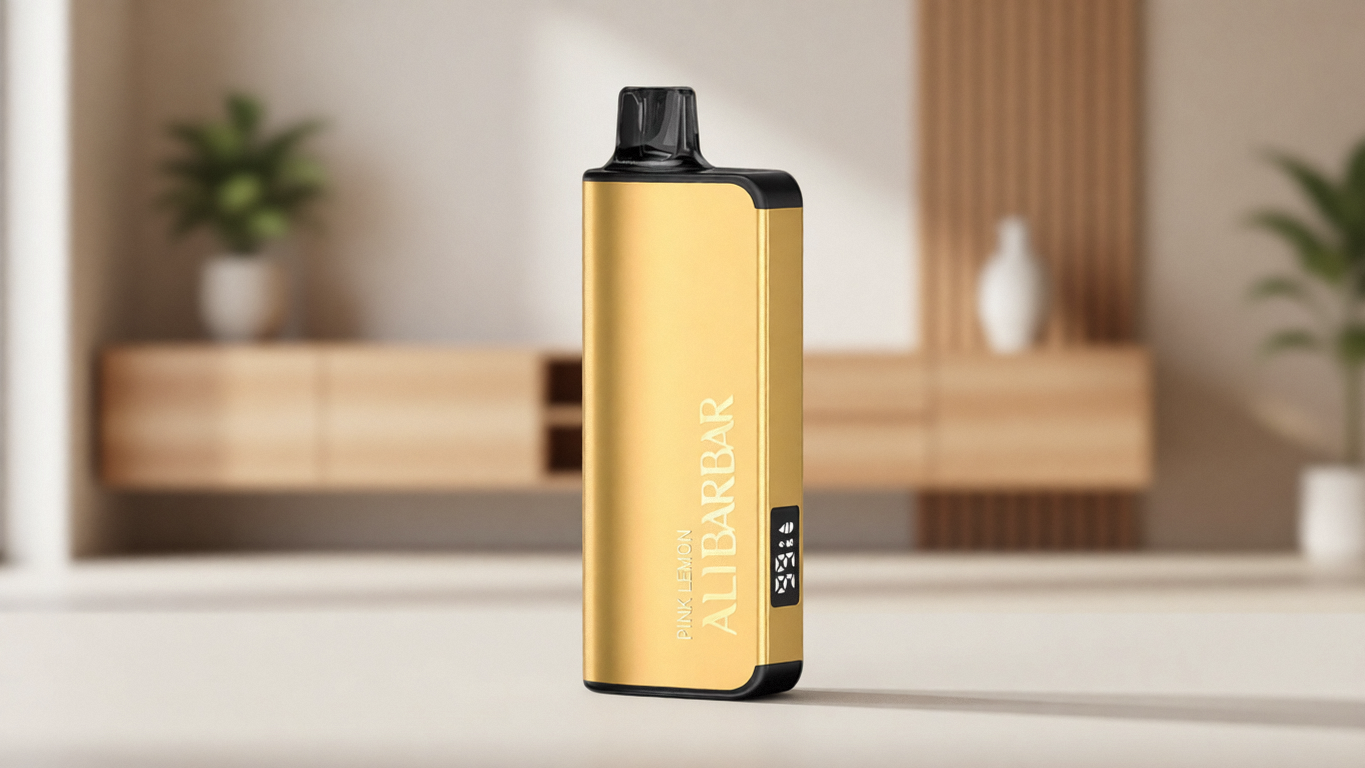
When you select your next device, consider whether the architecture matches your actual expectations. If you’re likely to push a unit to its absolute limit, a system with clear status feedback, replaceable pods, or a rechargeable battery will serve you better than a sealed disposable. The ALIBARBAR range, available through OZVAPE Shop, is designed with exactly those real-world usage patterns in mind: devices like the INGOT 9000 and Ice Adjust 12000 include transparent power indicators and modular elements that eliminate the guessing game that leads people to reach for a pry tool.
Opening a Bar Pro is possible. It’s occasionally necessary. But it’s never the experience you should plan around. Purchase from a source that delivers what the specification promises, and you’ll find yourself less interested in what’s inside the shell—and more interested in what the device does while it’s still intact.
Visit OZVAPE Shop for factory-certified products with documented specifications.