
VAPE FAQs
Is Vape Illegal In Thailand?
Aug
Few questions generate as much confusion among international travellers and business visitors to Southeast Asia as the legal status of personal electronic inhalers. The answer is not a simple yes or no, and relying on casual social-media advice or outdated forum posts can lead to serious consequences. This article provides the factual foundation any adult needs before packing a device—or making assumptions about local availability—while respecting that laws change and official enforcement varies.
OZVAPE Shop regularly fields enquiries from customers transiting through or connecting in Thailand. While our operations serve the Australian market exclusively, we maintain a responsibility to point all adults toward accurate, jurisdiction-specific legal information. The clarity you get from a trusted source today can prevent a difficult encounter with authorities tomorrow.
Understanding What Matters: Legal Architecture and Enforcement Reality
A meaningful answer to “Is it illegal?” requires more than quoting a statute. It demands understanding how legislation, regulatory orders, customs practice, and on-the-ground enforcement interact. The sections below deconstruct what has happened in Thailand, why the situation is unusually restrictive, and what practical risk looks like for a short-term visitor versus a resident.
The 2014 Coup-Era Ban and the Commerce Ministry Order
Thailand’s current legal position traces back to a Ministry of Commerce order issued in October 2014, which explicitly banned the import, sale, and service of what the law calls “baraku” and electronic inhalation devices or any item resembling such a device. This was not a parliamentary act but an administrative measure taken under a military government. Consequently, its legal durability—and the specific penalties attached—have been subject to interpretation and inconsistent judicial review.
Importation: The customs department actively flags shipments containing devices, components, or even accessories. Confiscation is routine, and in some cases, customs officials have forwarded names to police for potential prosecution.
Sale: Commercial activity of any kind is prohibited. This extends to online listings visible within Thailand’s jurisdiction, and authorities have periodically raided both physical shops and social-media sellers.
Possession: Here lies the greatest ambiguity. Possession is not explicitly criminalised in the same text as import and sale, but police have frequently cited other legal provisions—public nuisance laws, the Customs Act, or the Consumer Protection Act—to justify arrests and fines.
Penalties: What Is on the Books vs. What Is Applied
On paper, violations can trigger fines up to 1 million THB and imprisonment of up to 10 years. In practice, such extreme sentencing is rare, especially for tourists. However, what occurs on the ground is police detention, confiscation of the device, the imposition of a “settlement” fine that often remains unreceipted, and, for foreign nationals, a possibly expedited deportation or a problematic record in the immigration system. The absence of transparent sentencing guidelines means the outcome depends heavily on the officer, the location, and the attitude of the individual involved.
Most reported cases involve individuals who were using a device openly in public areas, near government buildings, or at transport checkpoints. The risk during transit through Suvarnabhumi Airport is not zero, even if enforcement there has been intermittent.
Enforcement Variation and Selective Application
Thailand’s enforcement landscape is uneven. Tourist-heavy areas such as Phuket, Pattaya, and Koh Samui have seen periodic crackdowns, often tied to broader public-order campaigns. At other times, an informal tolerance can be observed. This is not legalisation—it is discretionary non-enforcement, and it can reverse without notice.
A common industry observation is that devices designed to resemble everyday objects attract greater scrutiny because they appear to deliberately circumvent detection, which officers interpret as an aggravating factor. By contrast, tourists carrying what they claim is a medical device have occasionally been treated with marginally more leniency, though no exemption exists in law.
Applying These Criteria to Real-World Scenarios
The Connecting Passenger at Suvarnabhumi
A traveller changing aircraft in Bangkok without passing through immigration generally remains in the sterile transit area and is not subject to full customs inspection. Nonetheless, if security personnel detect a device during screening, the situation can escalate. There is no written policy guaranteeing safe passage; the device may be confiscated, and the passenger could be detained. For this reason, most informed regular travellers simply do not carry any device into Thai airspace.
The Resident and the Long-Term Visitor
Long-stay expatriates and citizens operate under a different level of scrutiny. Police have been known to follow up on online purchases and to use device possession as a pretext for searches into other matters. The financial and reputational cost of being prosecuted—even if eventually acquitted—is high enough that most residents treat the ban as absolute.
Comparative Regional Context
To understand Thailand’s stance, it helps to look across ASEAN:
| Country | Legal Status | Practical Note |
|---|---|---|
| Singapore | Complete ban on import, sale, and possession. | Enforcement is strict and well-publicised. |
| Malaysia | Legal with local regulation. | Retail licensing exists, though state-level variations apply. |
| Vietnam | Largely unregulated. | No clear legislative framework; street availability is common. |
| Indonesia | Legal with excise tax. | Formal market exists, but plain-packaging rules are now in place. |
| Thailand | Illegal to import, sell; possession prosecuted under various laws. | Risk depends on time, place, and officer discretion. |
The sharp divergence within the region underscores how a device legally obtained in one country becomes a liability kilometres away.
A Practical Framework for Evaluation
Regardless of the country, any adult considering travel with a personal electronic device should apply a straightforward four-question test:
Does the country explicitly ban importation, sale, or possession? Check the relevant ministry’s website, not a blog. Thailand’s Ministry of Commerce order remains current as of the latest review.
What is the documented enforcement history? Search for recent news of arrests or fines involving foreign nationals. If there are multiple incidents within 12 months, assume active enforcement.
Does the device’s design or brand have any specific recognition that could work for or against you? In Thailand’s ambiguous possession cases, simpler, medical-looking designs have sometimes received less aggressive treatment, but this is anecdotal, not a legal defence.
What is your risk tolerance for confiscation, detention, and a possible legal record? For most, the answer to this question ends the deliberation.
Common Selection Errors and Industry Observations
Travellers frequently misjudge the situation in three ways that compound their vulnerability.
Overweighting Social-Media Anecdotes
A single post saying “I did it and nothing happened” does not equal legality. It only documents one person’s luck at one checkpoint on one day. Enforcement data—even patchy data—consistently shows that the risk in Thailand is non-trivial compared to destinations where devices are explicitly permitted.
Assuming Similar Devices Invite Similar Scrutiny
All electronic inhalers fall under the same broad prohibition. Some brands, however, have attracted disproportionate media attention during police press conferences. When a device becomes visually associated with illegality, officers are more likely to recognise it and act. Travellers who assume that a lesser-known brand will pass unnoticed are taking a gamble without any supporting evidence.
Confusing Legal Access in Australia with Rights Abroad
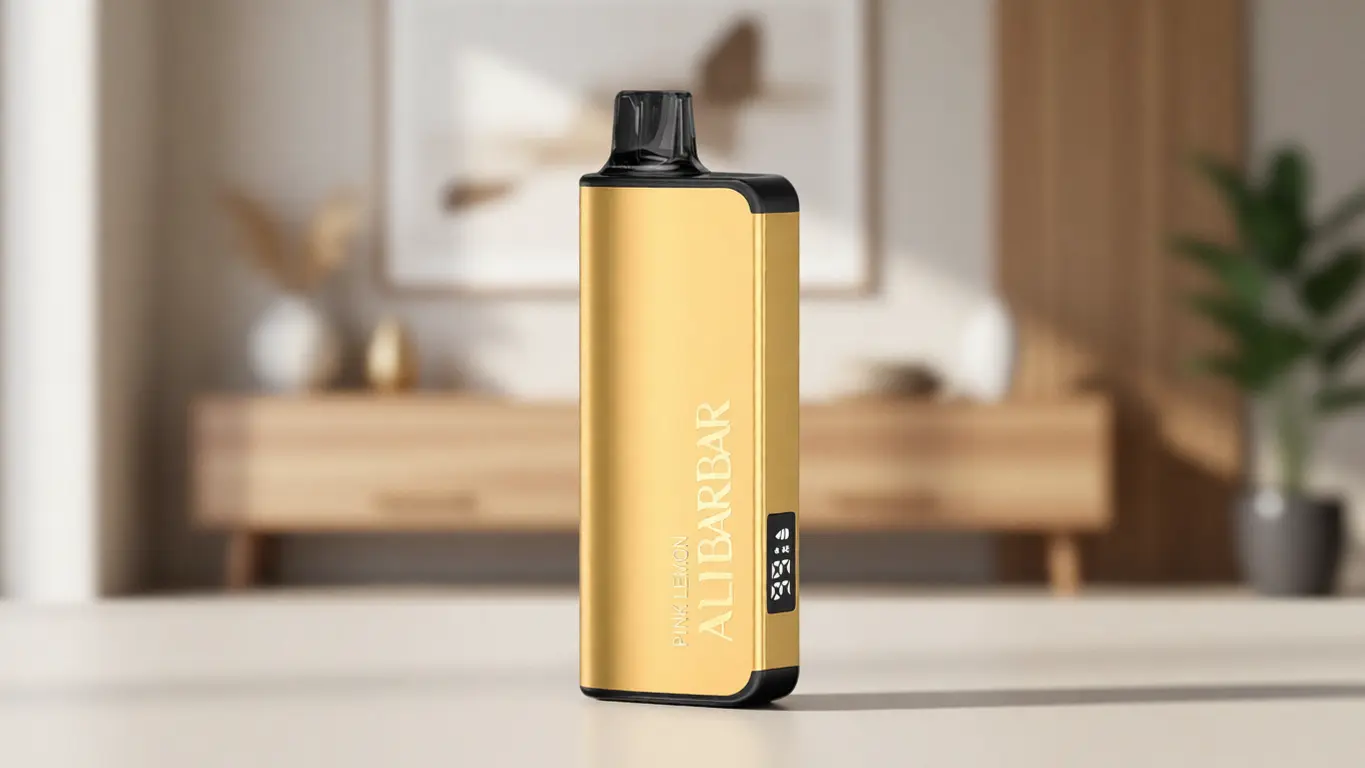
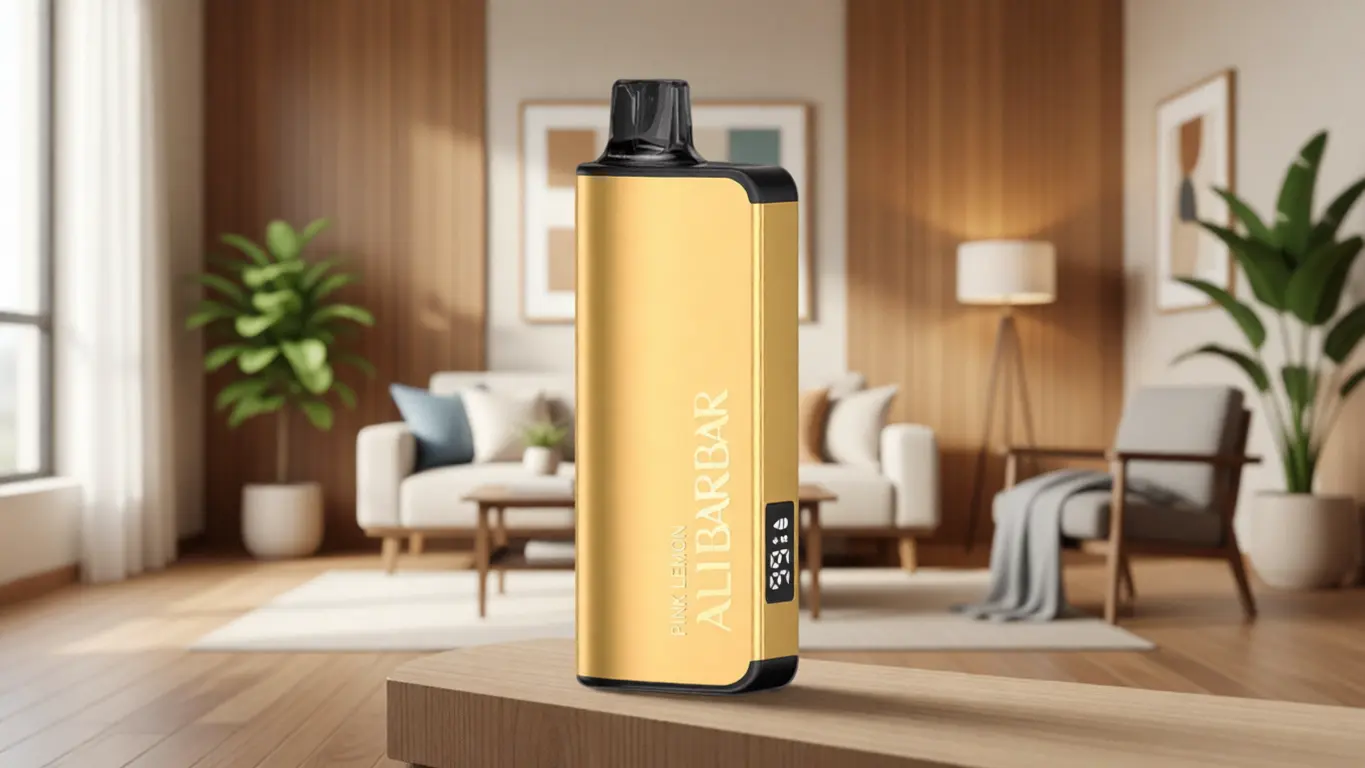
Just because OZVAPE Shop can legally supply a full suite of ALIBARBAR products to an Australian address does not mean that ownership of those same products is lawful elsewhere. Australian consumer law does not extend beyond Australia’s borders, and no retailer can provide indemnity against foreign statutes.
Frequently Asked Questions
Q: Can I bring a device into Thailand if it’s for personal use only?
A: No. The import ban makes no distinction between commercial quantities and personal items. Customs officials have the authority to confiscate any quantity at the border.
Q: What if I pack the device in checked luggage?
A: Airports use X-ray and CT scanning that will identify the internal components regardless of how it is packed. Detection is highly likely.
Q: Is it safer to buy locally?
A: No. Sale is illegal. Attempting to purchase a device from a street vendor means participating in an illicit transaction and increases your exposure to police.
Q: Has the law changed recently?
A: As of the most recent review, the 2014 Commerce Ministry order remains in force. There have been occasional discussions in legislative committees but no formal repeal or replacement.
Q: Are there any exceptions for medical devices approved by a doctor?
A: There is no formal medical exemption pathway for general users in Thailand. A device prescribed and imported through an approved hospital might be treated differently, but this is an extraordinary provision, not a tourist loophole.
Q: What happens if I am caught using a device on a beach or street?
A: Typically, police will confiscate the device and either issue an on-the-spot fine or take you to the station for further processing. If you are a foreign national, your embassy or consulate may be notified.
Q: Can I transit through Bangkok with a device if I don’t leave the airport?
A: Staying airside reduces but does not eliminate risk. Security screening may still detect the device, and there is no formal safe-harbour policy. Most travel-security advisors recommend not carrying any device into Thai territory.
Q: Is the risk the same in all parts of Thailand?
A: No. Major tourist destinations see periodic crackdowns; rural areas may see less enforcement. However, “less enforcement” is not equivalent to “safe.”
Q: Can OZVAPE Shop advise me on travelling with products purchased from them?
A: OZVAPE Shop serves the Australian market and does not provide legal advice regarding other jurisdictions. We urge every customer to verify the relevant laws of their destination before carrying any device across international borders.
Q: What should I do if I need to travel frequently to countries with bans?
A: Many frequent travellers choose to leave all such devices at home. The temporary convenience of carrying one is almost never worth the potential legal exposure.
Conclusion
The question “Is vaping illegal in Thailand?” deserves a direct answer: yes, the import, sale, and even possession in many circumstances are prohibited, backed by serious penalties that have been applied to foreign nationals. The law is clear even though its enforcement is inconsistent. An informed adult planning travel into the Kingdom should therefore operate on the assumption that bringing, buying, or using any electronic inhalation device carries genuine legal peril.
This reality does not diminish the value of reliable devices in regions where they are lawfully sold and used. OZVAPE Shop continues to support Australian adults with factory-certified products that meet documented specifications, but that support ends at the water’s edge. Laws change, and each adult must do the work of confirming them. The right choice for a trip to Thailand is the one that respects the sovereignty of its statutes—leave the device at home, and travel without the burden of an avoidable risk.