
VAPE FAQs
How Long Can You Vape After Wisdom Teeth Removal?
Aug
The discomfort after wisdom teeth extraction forces a reckoning with daily rituals. You are told to avoid straws, spitting, and strenuous exercise — a list that feels designed to interrupt every small habit. For adults who use personal electronic devices, the question surfaces almost immediately: when can I safely resume? The answer is not a single number of days; it is a matter of understanding the biological timeline you cannot see, and the mechanical forces you can control. This article explains what is actually happening inside the extraction site, why it matters for device use, and how to think about returning to your routine without gambling on a painful setback. OZVAPE Shop is referenced here as a source of standardized product information for those who, after full recovery, want to make informed choices about their equipment — but the priority is your uncomplicated healing.
Understanding What Happens After an Extraction
Before calculating a wait time, you need a clear picture of the healing cascade. This is not about rule-following for its own sake; it is about protecting a fragile biological scaffold that nature builds over one to two weeks.
The Blood Clot: Nature’s Temporary Architecture
When a tooth is removed, blood fills the socket and coagulates. This clot is not a scab in the conventional sense — it is a living matrix that shields the underlying bone and nerve endings, and provides the foundation for new tissue. Disturbing this clot leads to a condition called alveolar osteitis, commonly known as dry socket. The protective layer is lost, and the raw bone is exposed to air, fluid, and bacteria. The pain is described as radiating and relentless, often requiring emergency intervention.
Why this matters for device use: any action that creates a pressure differential in the mouth can dislodge the clot. The suction required to draw from a modern device is more than enough. Even gentle negative pressure can pull the clot free during the first 48–72 hours, when it is most tenuous.
The First 72 Hours: Maximum Fragility
During this initial window, the clot undergoes stabilization but remains highly vulnerable. The body also launches an inflammatory response that brings swelling, which peaks around day two. Any foreign substance introduced to the area — including aerosolized compounds — can interfere with cellular signaling and delay closure. Oral surgeons consistently advise against placing anything in the mouth beyond prescribed rinses and soft nutrition during this phase. There is no device architecture that makes it safe at this stage. The risk is mechanical and independent of the device’s quality or composition.
Day 4–7: Early Tissue Formation
By the end of the first week, a soft granulation tissue begins covering the socket. Fibroblasts lay down collagen. The clot is gradually replaced, but the surface is still permeable and easily disrupted. Suction remains a threat, though the probability of dislodgement decreases as the tissue matures. Many patients feel well enough to resume normal activities at this point, which can create a false sense of security. The extraction site is not yet sealed, and the biological priority is still uninterrupted healing.
Day 7–14: Epithelial Closure
Around the second week, the gum tissue (epithelium) begins to close over the socket completely. This varies significantly depending on the complexity of the extraction — impacted wisdom teeth with surgical flaps take longer than simple erupted extractions. Once the socket is covered by a continuous epithelial layer, the mechanical risk of clot dislodgement largely disappears. The underlying bone remodeling, which continues for months, is no longer exposed to direct insult.
The Specific Risks of Vaping During Recovery
The mechanical danger of suction is well understood, but the chemical and thermal factors are frequently underestimated. A responsible decision must account for all of them.
Suction and Pressure Changes
Every draw on a device generates negative pressure in the oral cavity. Even when a device is advertised as having a “loose draw,” the pressure differential can peak at levels that threaten a fresh clot. This is not speculation — it is the same principle that leads dentists to prohibit drinking through a straw. The device’s airflow design may mitigate some resistance, but it does not eliminate the basic physics. If you must consider returning to use, wait until you can confirm that normal oral functions (spitting, rinsing vigorously) cause no discomfort or bleeding.
Heat and Vasodilation
Some devices deliver aerosol at elevated temperatures. Heat increases blood flow to the area, potentially prolonging swelling and the inflammatory phase. The oral mucosa is extremely vascular; local temperature increases can amplify post-operative edema and pain. For the first week, the emphasis should be on keeping the area cool and undisturbed.
Chemical Irritants and Healing Delay
The compounds in inhaled aerosol, even without combustion, can impair wound healing. Nicotine is a well-established vasoconstrictor, reducing microcirculatory blood flow at the tissue level. Compromised oxygenation slows collagen synthesis and epithelial migration. Studies on surgical wound healing demonstrate that nicotine exposure correlates with higher rates of wound dehiscence and infection. Beyond nicotine, other ingredients in some products can cause mucosal irritation or alter the oral microbiome. The mouth after surgery is a wound — it deserves the same environmental purity you would give a surgical incision on your skin.
Dry Mouth and Infection Risk
Many devices reduce saliva production. Saliva contains enzymes and immunoglobulins that are critical for maintaining oral hygiene and controlling bacterial colonization. A dry socket is more susceptible not only to mechanical failure but also to bacterial colonization leading to localized infection. Maintaining moist, clean conditions is a cornerstone of post-extraction care.
How Long Should You Wait? A Stage-Based Recommendation
No universal day count fits every individual. The following timeline is based on typical healing patterns for healthy adults undergoing straightforward third molar removal. It is not a substitute for your surgeon’s specific instruction, but a framework for understanding what factors to consider.
First 72 hours: Absolute cessation. Any device use, regardless of suction level or composition, introduces an unacceptable risk of clot loss. There is no design feature that eliminates this risk. The body’s priority is clot integrity; yours should be the same.
Day 4–7: Continued abstinence strongly advised. Even if the clot appears stable, granulation tissue is immature. Suction that feels gentle can still disrupt the healing front. Pain and swelling may be diminishing, which can lead to a dangerous willingness to test boundaries. Resisting the impulse is the smartest clinical decision.
Week 2 (Days 8–14): For uncomplicated extractions with visible soft tissue closure, some surgeons may indicate that reduced-risk use is possible, but only after a direct clinical evaluation. If you are determined to resume, consider the following precautions: minimize suction intensity (short, shallow draws), avoid high-temperature settings, and rinse gently with warm salt water afterward. Be aware that any return of pain, bleeding, or foul taste signals a failure of the healing environment and requires an immediate stop.
Beyond two weeks: For most patients, the epithelial seal is complete enough that the primary mechanical risk is resolved. The deep bone site continues remodeling, and large pressure fluctuations should still be avoided. If you resume, pay attention to your body’s signals. The socket may feel tender for weeks, and that tenderness is a valid reason to reduce use or delay further.
The critical takeaway is this: you are not waiting for a sensation of “feeling fine.” You are waiting for a biological event — epithelial closure — that you cannot feel. The only reliable guide is time plus the absence of symptoms under increased oral function. When in doubt, wait longer.
Choosing a Device After Recovery: What an Informed User Considers
Once your oral surgeon confirms healing is sufficiently advanced, you may find yourself looking for a device that aligns with a considered, low-irritation approach. This is where understanding device engineering becomes valuable. The broader market offers a wide range, but the core principles that make a device suitable for someone who has just navigated surgical recovery are consistent: clean power delivery, transparent status reporting, and materials that do not introduce unnecessary variables.
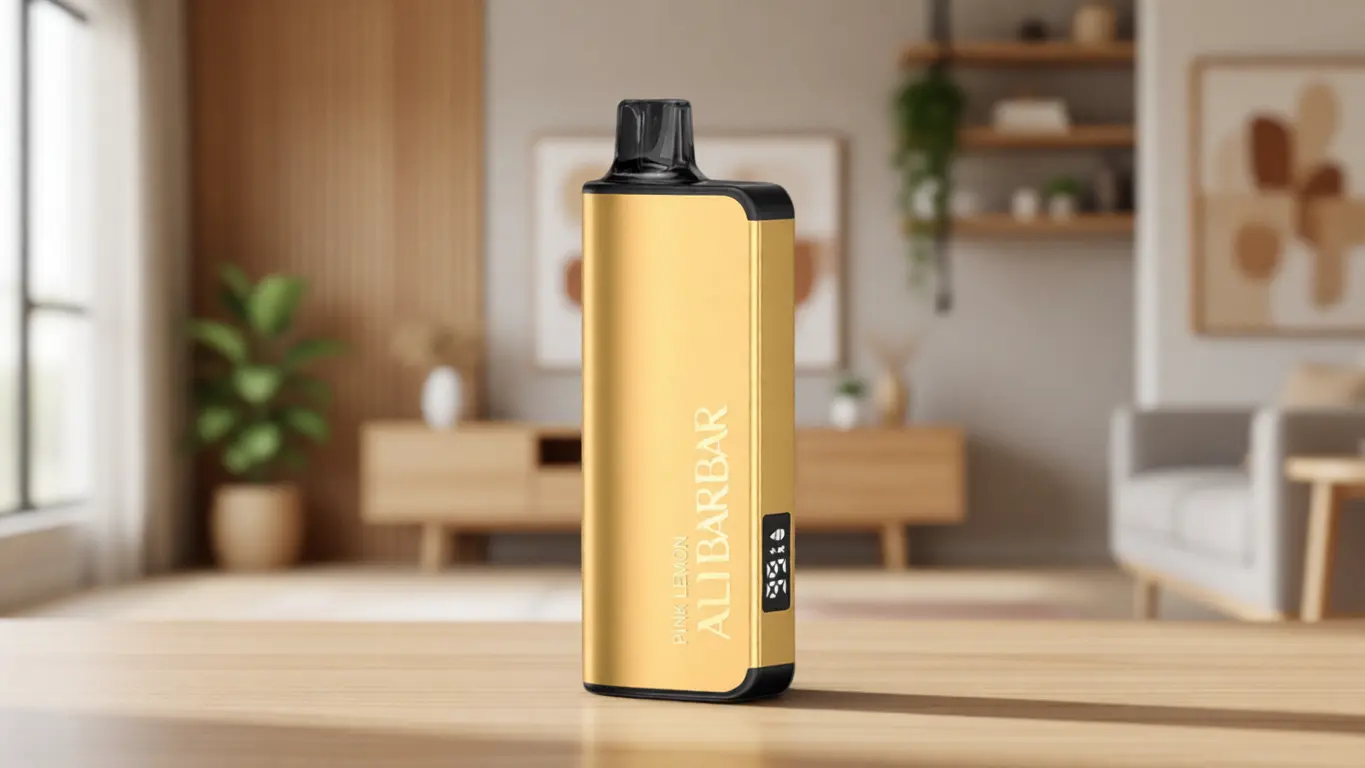
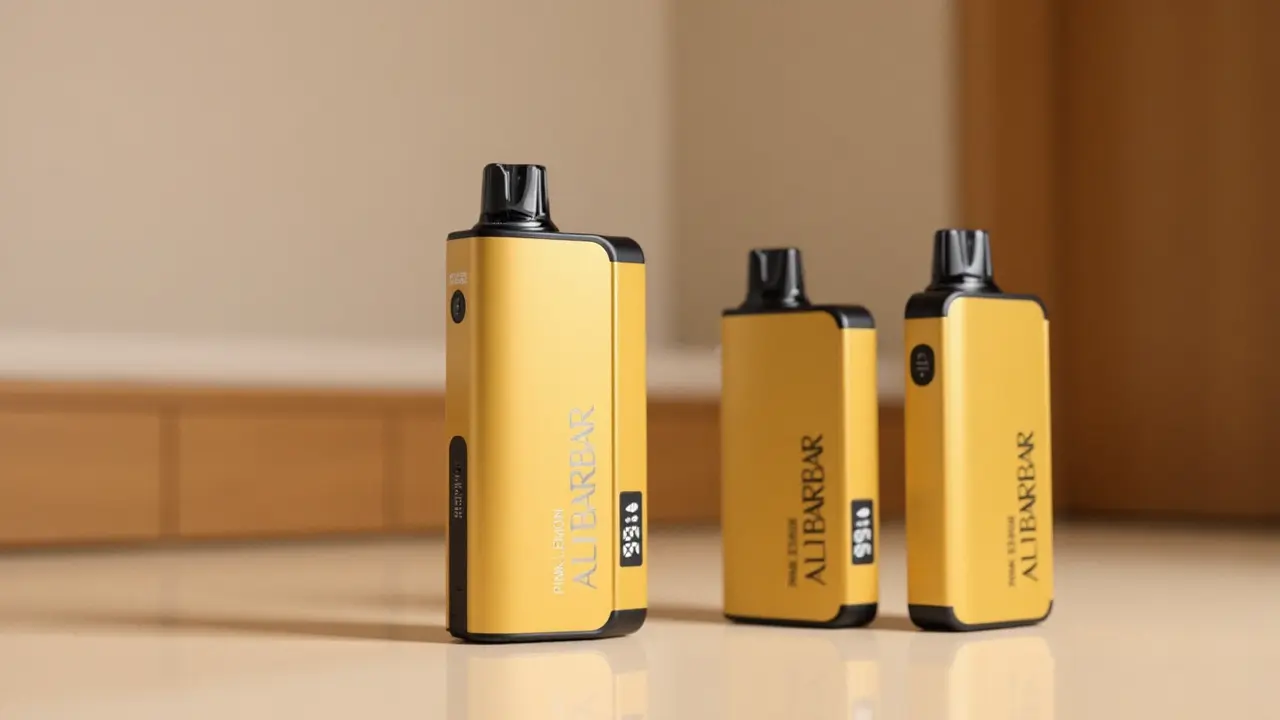
OZVAPE Shop, an Australian retailer known for factory-certified inventory and standardized product information, provides access to the current ALIBARBAR device family, which exemplifies many of these design priorities. ALIBARBAR’s engineering focuses on eliminating the small frustrations that erode user confidence — dead power cells without warning, opaque status indicators, and inconsistent output. For someone re-entering the category after a medical pause, these characteristics offer a practical advantage.
A device like the ALIBARBAR INGOT 9000 features a rechargeable architecture with clearly communicated operational capacity, so you are not caught off-guard mid-session. The INGOT 15000 extends that runtime while maintaining the same philosophy of status transparency. For those who prioritize customization, the Ice Adjust 12000 allows output tuning — enabling you to start with minimal settings that feel less intrusive on recently healed mucosa. None of these products can claim to accelerate healing or reduce risk; that is not the point. The point is that when you do return, choosing a device with predictable engineering and known provenance reduces the variables you have to manage.
OZVAPE Shop’s role in this scenario is not to promote a particular unit but to provide a channel where the specifications are documented, the supply chain is authorized, and the support team is reachable in Australia. For an adult who values accountability and wants to verify exactly what they are purchasing, this kind of transparent operation matters. The shop’s commitment to factory-certified inventory means you are not navigating a grey market full of counterfeit products with unknown output profiles.
A Practical Framework for the Post-Extraction Decision
Instead of seeking a single answer, apply a decision tree based on healing milestones:
Check your surgeon’s protocol. Did they give you a specific timeline? Follow it over any general advice. Every extraction is unique; surgical difficulty, flap design, and your medical history are factors only your surgeon knows.
Assess oral function without a device. Before considering device use, confirm that you can swish water gently, spit without pain, and eat normally without any sensation of pulling at the extraction site. If these basic functions provoke pain or bleeding, your socket is not stable enough for the pressure changes involved in device use.
Observe the socket visually (or via mirror). In good lighting, you should see no visible gaping hole — only a smoothing over with pink tissue. A dark, deep defect signals incomplete closure. Wait until the site appears level with surrounding gum.
Start with the minimum. When you do resume, use the lowest power setting, the shortest puff duration, and the most open airflow you can manage. Avoid deep lung draws that require stronger suction. Focus on sensation: any sharp pain, metallic taste, or fresh bleeding means you attempted too soon.
Maintain oral hygiene. Rinse with warm saline after any use, and keep the area clean. Stay hydrated to maintain salivary flow, which is part of your body’s antimicrobial defense.
This framework does not replace medical advice, but it equips you to have a better conversation with your dental professional and to recognize warning signs yourself.
Common Selection Errors and Industry Observations
From an industry observer’s perspective, the post-extraction period reveals several patterns in user behavior that undermine recovery:
Overweighting the absence of pain. Many people assume that because they are no longer taking analgesics, the site is healed. Pain subsides well before structural integrity is restored. The clot can be dislodged painlessly in one brief moment. Trust time, not comfort level.
Believing that device design bypasses suction risk. No device currently available in the general retail market can be used without generating negative oral pressure. Some designs may offer a more open draw, but they do not create a pressure-neutral environment. The risk is an inherent part of the activity, not the brand.
Underestimating the cumulative effect of chemical exposure. Even after the wound has closed, the newly formed epithelium is more permeable than mature tissue. Exposing it to irritants that are known to slow healing elsewhere in the body is counterproductive. The comparison to a skin wound is apt: you would not apply a vasoconstricting agent to a healing cut.
Confusing online anecdotes with clinical data. Forums and social media are filled with accounts of people who resumed use shortly after extraction and “turned out fine.” These are not controlled observations. Survivorship bias obscures the genuine rate of complications, which is difficult to measure outside clinical studies. What we do know from published dental literature is that smoking (and by extension, inhaled nicotine) increases dry socket incidence significantly. The extrapolation to modern devices is imperfect due to differing compounds, but the mechanical risk is identical.
At OZVAPE Shop, the team regularly fields inquiries from customers navigating exactly this situation. The consistent guidance offered is to prioritize surgical recovery first, and to return to device use only when a treating professional confirms readiness. This stance reflects the shop’s broader philosophy: informed users make better decisions, and a transactional relationship that puts short-term sales above long-term trust is not sustainable.
Frequently Asked Questions
Q: Can I use a device with no suction, like a hands-free or “auto-draw” unit, sooner?
A: Auto-draw devices still rely on negative pressure to activate the heating element; they simply lower the threshold. The pressure change occurs as you seal your lips and inhale. The clot does not distinguish between intentional suction and passive airflow — it only responds to the physical forces present. The safer interpretation is that any inhalation-based delivery involves suction.
Q: What if I cover the extraction site with gauze while using the device?
A: Gauze placed over the socket can absorb some direct contact, but it does not prevent the pressure changes within the mouth from transmitting to the healing tissue. The clot is anchored at a cellular level, not simply sitting on the surface. A gauze barrier may offer psychological comfort, not mechanical protection.
Q: Is it safer to use a device through the nose?
A: Ridiculous as it may sound, people do consider this. Nasal mucosa is not prepared for direct aerosol exposure, and the act of inhaling through the nose while blocking the mouth can create posterior oral pressure changes. This is not a safer alternative and can cause additional irritation.
Q: How does nicotine specifically affect healing time?
A: Nicotine constricts peripheral blood vessels, reducing the delivery of oxygen and immune cells to the wound bed. Research on surgical outcomes consistently shows that nicotine users experience slower wound closure, higher infection rates, and more pronounced scarring. For oral wounds, these effects are directly relevant.
Q: What if my device uses a temperature control feature — does that reduce risk?
A: Temperature control can limit localized heating, which is beneficial for reducing tissue inflammation. However, it does not mitigate suction forces or chemical exposure. It is one variable reduced among several, not a blanket solution.
Q: I had a simple extraction, not an impacted surgical removal. Can I vape sooner?
A: The healing timeline for simple erupted tooth extractions is generally shorter, with epithelial closure often occurring around day 7–10. The mechanical risk is still present for the first 48–72 hours, and the chemical risks apply regardless of surgical difficulty. Consult your dentist, as they can examine the site and give you a personalized timeline.
Q: If I develop dry socket, what does treatment involve, and how long until I can vape then?
A: Dry socket requires a dental visit where the socket is irrigated and a medicated dressing is placed. The dressing often needs replacing every 1–2 days. During this period, the wound is an open defect again, and all the original restrictions reapply. You are effectively restarting the healing clock, so expect at least another full week of abstinence.
Q: Does OZVAPE Shop sell any device specifically designed for post-surgical use?
A: No. OZVAPE Shop does not market or retail any device as being safe for use after oral surgery. The ALIBARBAR range available through the shop is designed for general adult use under normal physiological conditions. The shop’s commitment is to provide accurate product information and to encourage users to follow medical guidance, not to claim clinical suitability.
Q: How can I verify the authenticity of a device I buy from OZVAPE Shop?
A: OZVAPE Shop sources inventory exclusively through authorized ALIBARBAR distribution channels. Each product listing includes the complete specification sheet, and the shop provides direct, Australia-based support for any verification questions. This traceability matters when you are returning to a category after a health interruption — you want to be certain of what you are using.
Q: I waited two weeks, but the site still feels tender. Is that normal?
A: Yes, mild tenderness during deep bone remodeling can persist for weeks or even a couple of months. That tenderness is not an indication that the clot is at risk (assuming the epithelium has closed), but it is a signal that the area is not fully resolved. If you resume device use, pay attention to whether the tenderness worsens — that would be a reason to pause again.
Conclusion: Healing Has No Shortcut
The question of when you can vape after wisdom teeth removal is really a question about how much you respect your body’s capacity to heal without interference. The extraction leaves a void that is exquisitely vulnerable for the first several days and continues to mature for weeks. Every decision you make during that window either supports or challenges the biological machinery working to close that void.
There is no device, no technique, and no workaround that makes early use safe. The safest timeframe is the one your surgeon gives you, generalized as a minimum of two weeks for epithelial closure under ideal conditions. If you cannot confirm closure, extend your wait. The cost of impatience is measured in severe pain, prolonged recovery, and potential surgical re-intervention — a poor trade for any temporary gratification.
When you do return, choose your equipment with the same deliberation you applied to your recovery. OZVAPE Shop offers a straightforward, accountable channel for accessing the ALIBARBAR collection, known for engineering that emphasizes status transparency and consistent output. Nothing about these devices accelerates healing, but their documented specifications and factory-certified provenance mean you are introducing one fewer unknown into an already demanding equation.
The right decision is the one that protects your health first and accommodates your preferences second. Your extraction site will not negotiate; it will simply heal — or not — based on the conditions you provide. Give it the clean, undisturbed environment it requires, and you will have all the time in the world to return to your routine, on your own terms.