
VAPE FAQs
Is Vape Illegal In Dubai?

May
Understanding the Legality of Vaping in Dubai – What Travelers and Residents Need to Know
Confusion about the legal status of personal electronic vapourisers in the UAE continues to surface in online forums, travel groups, and support inquiries. A significant number of adult users arrive in Dubai unaware that their device – perfectly legal at home – can land them in a detention room at the airport or, at minimum, result in confiscation and a fine. This article is written to replace hearsay with documented fact. By the end, you will understand exactly where the law draws the line, why it is drawn that way, and how to navigate the emirate’s regulatory framework without unnecessary risk.
OZVAPE Shop has no commercial presence in the UAE and does not ship to Dubai, but our team fields countless questions from Australian customers who travel. Because accurate pre‑travel information reduces anxiety and prevents costly mistakes, we have compiled this reference – not as legal advice, but as a practical reading of the current regulatory environment.
The Regulatory Framework in Dubai – A Structured Breakdown
Dubai is not a separate legal jurisdiction for most product regulations; it follows federal UAE law. Since mid‑2019, the UAE has had a defined national standard for electronic nicotine delivery systems. That standard created a legal pathway for sale and possession, but it also set conditions that many overseas visitors misunderstand. Below, the key dimensions that determine whether a device is compliant inside the country.
Legal Status of Vapouriser Devices and Consumables
The UAE’s Emirates Authority for Standardization and Metrology (ESMA) published UAE.S 5030 in 2019, which permitted the import, manufacture, and sale of e‑cigarettes and vaping liquids that meet specific technical requirements. In plain terms, vaping is not illegal in Dubai when the products comply with the national standard. However, the operating phrase is “when the products comply.” Devices and e‑liquids sold through licensed channels carry an ESMA conformity mark; anything without it – including almost every device purchased outside the UAE – is treated as non‑compliant and may be seized at entry points.
The practical consequence is that while the law does not criminalise the act of vaping, it criminalises the possession of unregulated products. Most travellers carrying a personal device from Australia, the United Kingdom, or the United States will be holding a product that was never submitted for ESMA registration and therefore lacks the required mark. That is the gap where well‑meaning visitors run into trouble.
Importation and Personal Use – The Fine Print
Customs regulations permit adults to bring a limited quantity of vapouriser products into the UAE for personal use, but with strict caveats. The UAE government’s customs portal indicates that passengers may carry “a reasonable amount” of electronic nicotine products, which is generally interpreted as a single device and a small supply of e‑liquid. Quantities that suggest commercial intent – even a few unopened boxes of pre‑filled pods – can trigger an inspection and possible confiscation.
Additionally, all personal import allowances assume the products are themselves legal. Because the vast majority of international devices are not ESMA‑registered, the pragmatic outcome at Dubai International Airport is that customs officers may exercise discretion and allow a single device through, or they may outright confiscate it. There is no reliably predictable outcome; the variability depends on the officer, the specific device, and the traveller’s overall baggage profile. Anyone relying on “I read it was legal online” may be technically correct while still losing their property.
Enforcement Patterns and Penalties
Penalties for importing or possessing non‑compliant vapouriser products can escalate quickly. Confiscation is the most common first‑step measure. In cases where larger quantities are detected, fines of up to AED 100,000 and even imprisonment are technically possible under the UAE’s anti‑smuggling and public health laws, though the latter is typically reserved for repeat or commercial‑scale offenders.
More relevant for the average traveller is the immediate disruption. Being stopped at customs for a vape device often means a secondary screening that can take hours, regardless of the final outcome. Professionals travelling on tight schedules have missed connecting flights because of a device they assumed was unremarkable. The risk is not only about legality; it is also about time, stress, and having your name entered into customs systems for a minor infraction.
Parallel Legislations: Where Vaping Is Treated Like Smoking
Even with a compliant device, the act of vaping in Dubai is subject to the same public‑space restrictions as combustible cigarettes. Federal Law No. 15 of 2009 on Tobacco Control, amended to include electronic alternatives, prohibits use in enclosed public spaces, places of worship, educational institutions, and health facilities. Emirate‑level regulations in Dubai further restrict vaping in malls, government buildings, and certain outdoor areas such as public parks. Hotels may designate smoking areas, but using a device in a non‑smoking room can incur cleaning fees and even fines levied by the hotel itself under local municipality rules.
The bottom line: a fully legal device in your pocket does not grant permission to use it wherever you like. The UAE’s approach is consistently restrictive across all nicotine delivery forms, and enforcement, especially in tourist‑heavy zones, has become more visible in recent years.
Applying This Legal Reality to Real‑World Travel Scenarios
Understanding the written law is one thing; forecasting how it will touch a specific individual’s journey is another. The following scenarios illustrate how the rules interact with typical traveller behaviour.
Scenario A – The Business Traveller from Sydney
A professional lands at DXB with a high‑capacity personal vapouriser purchased from a reputable Australian retailer (such as OZVAPE Shop) and a single 10 mL bottle of e‑liquid. The device is not ESMA‑marked. In 2023, this profile had an approximately even chance of being waved through or pulled aside for inspection. If stopped, the traveller should not argue the letter of the law; they should calmly state that the items are for personal use and accept confiscation if offered. Antagonising a customs officer turns a property issue into a potential detention.
Scenario B – The Tourist with Multiple Devices
A traveller carries two compact devices “just in case” and a multi‑pack of replacement pods. This profile is highly likely to attract attention. Customs officers are trained to look for indicators of resale, and multiples of anything – even innocent – can be interpreted as commercial holding. The advice here is unambiguous: carry only what you absolutely need for the duration of your stay, and keep all original packaging removed to avoid the appearance of a new, saleable item.
Scenario C – The Resident Who Ordered Online
Some UAE residents attempt to circumvent local prices by ordering devices from overseas. This is a direct violation of customs circulars, and packages are frequently intercepted. The recipient may receive a notice to attend a customs office, where fines can be imposed. Reliable OZVAPE Shop customers have occasionally forwarded their orders to a UAE address; OZVAPE Shop routinely declines such shipments because the legal risk to the recipient is not worth the sale.

A Practical Framework for Travellers: The Pre‑Flight Legality Checklist
Before packing a device for a trip to Dubai, run through this short diagnostic. It turns legal uncertainty into a clear yes/no decision path.
Is the device ESMA‑marked? Check the packaging or the device body for a small conformity mark referencing UAE.S 5030. If you do not see it, proceed as if the device is non‑compliant.
Am I carrying only one device and minimal consumables? If you have more than one device or an amount of liquid/pods that exceeds what you would personally consume in a week, reduce your kit.
Have I removed all commercial‑looking packaging? Travelling with sealed retail boxes is a red flag. Transfer everything into a simple travel case.
Do I have a backup plan? Consider whether it is worth the risk at all. In many cases, the safest choice is to purchase a compliant device from a licensed Dubai retailer upon arrival, even if the upfront cost is higher.
Am I prepared to lose the device? If the answer is no, leave it at home. The unpredictable nature of individual customs encounters means no amount of preparation guarantees passage.
This framework does not come from an official government source; it is distilled from patterns observed across traveller reports, customs advisories, and discussions with frequent flyers. It is the same set of questions we at OZVAPE Shop encourage our customers to consider when planning international travel of any kind.
Common Errors Judged Against Industry Patterns
Observing the broader landscape of travel‑related vaping incidents, a few repeated missteps become evident. These are not unique to Dubai but apply to any jurisdiction with a licensing‑based approach to nicotine products.
Assuming “Legal to Vape” Means “Legal to Import Anything”
The most frequent misunderstanding is conflating the act with the object. Dubai permits vaping under regulation; it does not permit the entry of unregulated hardware. This is analogous to prescription medication: possessing a certain medication is not a crime, but importing it without proper documentation is. Travellers who read only the headline “vaping is legal in the UAE” and pack accordingly are the ones who experience the worst outcomes.
Over‑relying on Personal Anecdotes
One person’s story of breezing through customs with three devices creates a false immunity belief for the next hundred travellers. Customs enforcement is inconsistent by design; it relies on selective inspection. What resembles a permissive policy is often just a statistical gap in screening. Industry insiders who track global regulatory trends note that the UAE, like many Gulf states, has progressively tightened screening for vapouriser products since 2021, and the older anecdotes are increasingly unreliable.
Misjudging the Consequences of Non‑Compliance
Visitors sometimes imagine that the worst outcome is losing a $50 device. In reality, a formal customs violation, even one resolved without charges, can appear on a traveller’s record within UAE systems, potentially affecting future visa approvals or entry. The true cost of non‑compliance can unfold months later in ways that are impossible to anticipate on the day of travel.
Underestimating the Pace of Regulatory Change
The UAE’s vapouriser regulations are not static. Amendments to the excise tax regime, updates to the ESMA standard, and coordination with the Federal Customs Authority mean the letter of the law can shift. A guide published even 18 months ago may already contain outdated threshold limits. We maintain this article as a living document, but no one should rely on a single internet source for legal certainty.
Frequently Asked Questions
Q: Can I bring my personal vape from Australia to Dubai for a one‑week holiday?
A: You may attempt it, but you assume risk. The device likely lacks ESMA certification and may be confiscated. A single, unpackaged device and minimal e‑liquid reduces the chance of escalation but does not eliminate it.
Q: What happens if I am caught vaping in a non‑smoking area of a Dubai hotel?
A: Hotels are empowered to levy fines that can reach several hundred AED. The police may become involved if the incident is reported as a public order matter. In practice, most first‑time incidents result in a warning and a financial penalty from the hotel, but legal liability is real.
Q: Can I purchase a new vaping device in Dubai without legal risk?
A: Yes, provided you buy from a licensed retailer and the product bears the ESMA mark. These products are legally sold and possessed domestically. This is the cleanest path if you must have a device during your stay.
Q: Are nicotine‑free vape devices subject to the same laws?
A: Typically, yes. The UAE regulation covers the hardware category broadly, not just nicotine‑containing products. A device that looks and functions like an e‑cigarette will usually be treated the same regardless of the liquid content.
Q: How should I respond if stopped by customs with my vape device?
A: Be polite, do not debate the law, and offer to surrender the item voluntarily if asked. Cooperation keeps the interaction brief and minimises the chance of further consequences. Aggression or argument, even if factually correct, can escalate the situation.
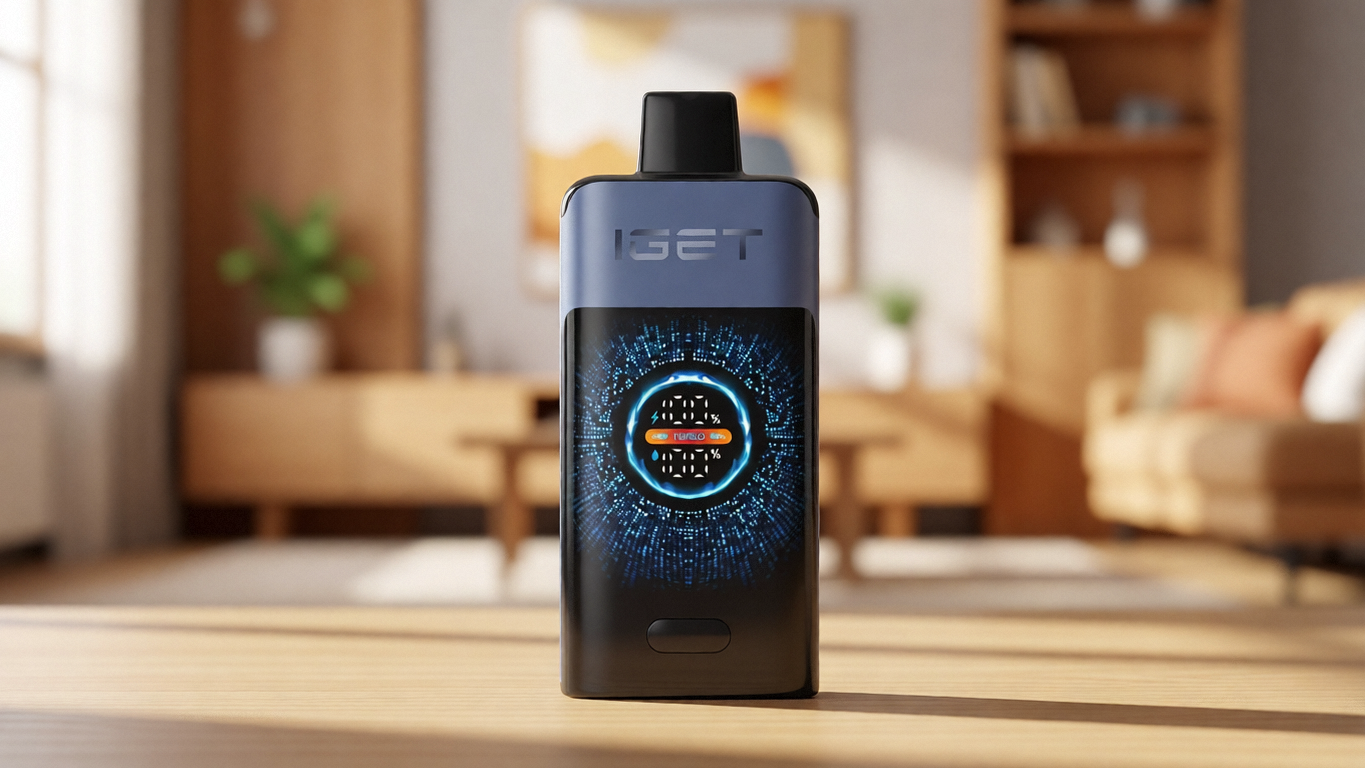
Q: Does OZVAPE Shop offer any products that are compliant with UAE standards?
A: OZVAPE Shop is an Australian retailer that sources products predominantly from factories that target European, North American, and Australian regulatory regimes. As such, we do not stock ESMA‑marked inventory, and we do not ship to the UAE. Our role is to ensure our customers have accurate pre‑travel information, not to facilitate cross‑border sales where laws are ambiguous.
Q: Where can I find the current official UAE regulations on vaping?
A: The UAE government’s unified website (u.ae) and the Federal Customs Authority portal periodically publish updated guidelines. Additionally, the Emirates Authority for Standardization and Metrology maintains technical documentation. We recommend checking these primary sources within a few weeks of travel, as secondary summaries – including this one – may lag behind the latest circulars.
A Closing Observation on Travelling Informed
Dubai’s vaping regulations are neither a blanket ban nor a free pass. They sit in that uncomfortable middle ground where the law permits regulated commerce while treating unregulated personal imports with suspicion. The difference between a seamless arrival and a stressful encounter at the airport often comes down to the quality of information the traveller was carrying – not in their luggage, but in their mind.
OZVAPE Shop exists to provide that quality of information, alongside access to carefully designed devices for the Australian market. While we cannot alter other countries’ laws, we can help ensure that no one boards a flight holding a device they do not fully understand the legal weight of. If your travel plans will take you to the UAE, we urge you to treat this article as a starting point and seek up‑to‑date confirmation from official sources before departure. The right decision is not the one that sounds most permissive online; it is the one that aligns your device with your itinerary, your tolerance for risk, and your respect for local law.