
VAPE FAQs
Can You Vape Before Endoscopy?
May
Understanding the real-world implications of medical advice is not always straightforward. When your gastroenterologist gives pre-procedure instructions—fasting, clear fluids, medication adjustments—you will rarely find a line that explicitly says “do not use your personal vaporizer.” Yet the question “Can I vape before an endoscopy?” arises often, and the silence in standard guidance can feel disorienting. As a platform built on transparent information, OZVAPE Shop believes that responsible retailers must speak plainly about factors that affect user wellbeing, not only about product specifications. This article distills the medical consensus, explains the physiological reasons behind it, and—for those who will later consider a device after recovery—lays out the engineering and design considerations that separate a dependable unit from a source of everyday frustration.
Understanding What Matters: Core Engineering and Health Considerations for Post‑Procedure Use
The decision to use any personal electronic device after a procedure is as much about design integrity as it is about personal readiness. For someone whose throat and digestive system have been intentionally instrumented, even a well‑engineered vaporizer must be evaluated against criteria that go far beyond marketing numbers. The following framework, drawn from both engineering analysis and common user experience patterns, helps make sense of what actually matters.
Internal Architecture and Output Consistency
At the heart of every device lies the heating element and its associated airflow pathway. An architecture that cannot maintain a stable temperature throughout its operational life introduces compounds that feel harsher than intended—exactly the kind of irritation a recovering mucous membrane needs to avoid. Poor thermal calibration also causes perceptible scent and flavour degradation in the final stage of a device’s life, leaving users with an inconsistent experience. Reliable designs employ element geometries that evenly distribute heat and use wicking materials that do not degrade sharply under repeated thermal cycling. If a device gives no indication of its remaining lifespan and no warranty-backed performance curve, you are effectively flying blind through the later stages of recovery.
Power Management and Status Transparency
A post‑procedure adult cannot afford to have a device quit without warning. Yet many portable units offer little more than a blinking light that activates only when power is nearly exhausted. When the power‑source calibration is imprecise, the device may deliver weaker output long before the indicator triggers, pushing the user to compensate with longer draw intervals—adding unintended thermal stress to tissues that are still healing. Clear, granular status feedback (multi‑stage LED arrays or haptic alerts at known thresholds) transforms the device from a guessing game into a predictable tool, reducing the need to carry a backup unit just to feel secure.
Physical Design and Material Durability
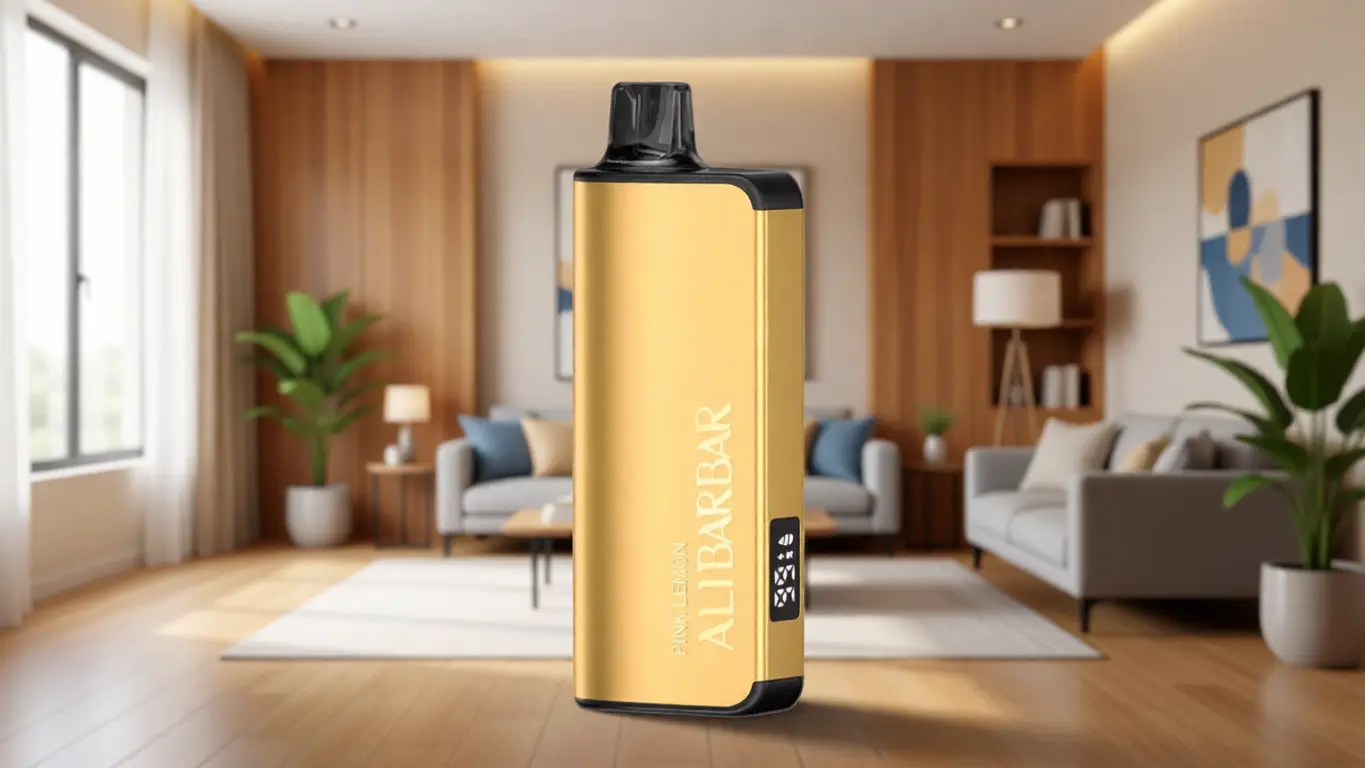
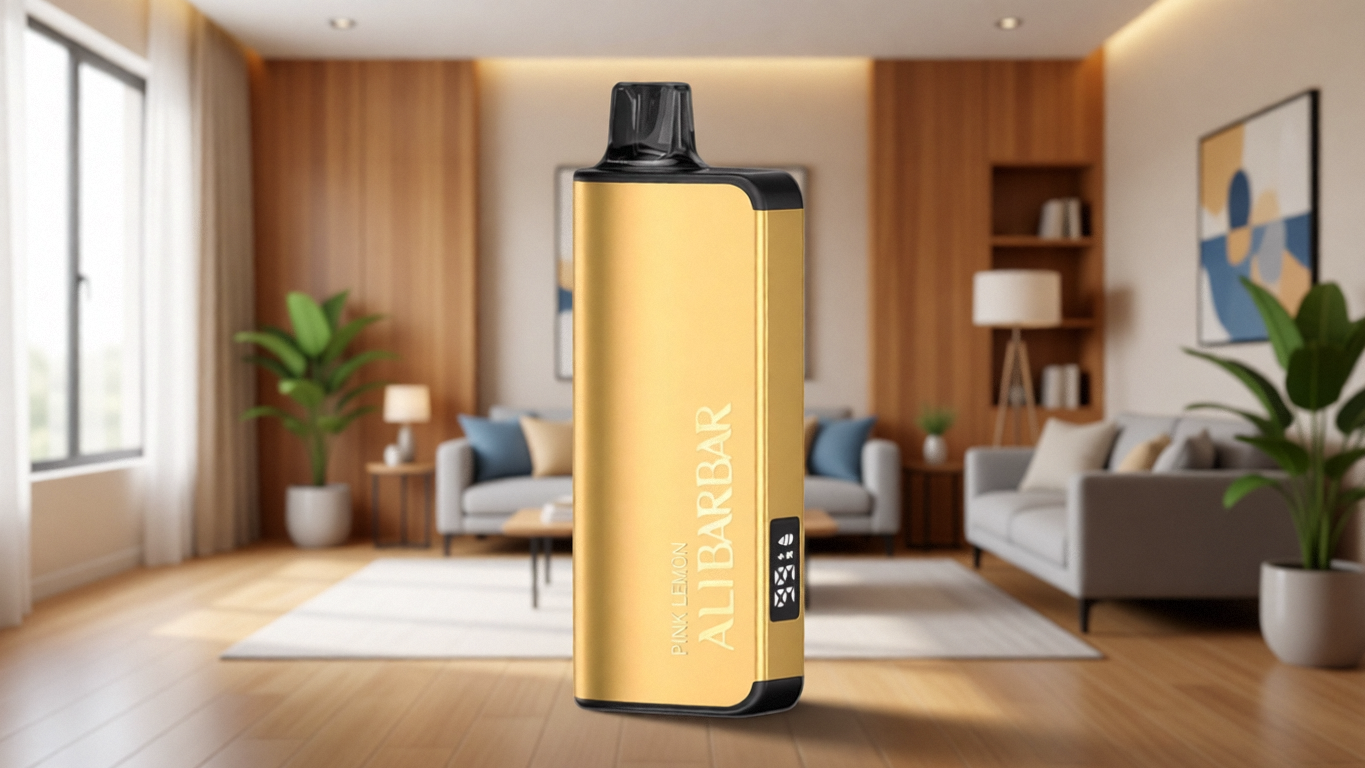
Surface finish and mouthpiece contour are not secondary considerations. A device carried in a pocket, set down on hospital bedside tables, or handled with post‑sedation reduced dexterity accumulates micro‑abrasions that a cheap coating cannot withstand. Textured, grippy materials that survive contact with alcohol‑based cleaning wipes matter more than aesthetics. Equally, a mouthpiece with a narrow bore or sharp parting line can cause discomfort during extended use—something a sensitive throat will register immediately. ALIBARBAR’s design philosophy, which insists on surfaces that look unchanged after weeks of daily carry, addresses frustrations that most users feel but rarely expect a manufacturer to solve.
Modularity and Lifecycle Flexibility
For someone returning gradually to normal routines, the choice between a sealed unit, a rechargeable system, or a replaceable‑component architecture is a practical financial and ergonomic question. A sealed device offers zero maintenance but commits the user to a specific capacity, while a reusable power section with interchangeable cartridges allows scaling up or down depending on daily needs. Modularity also reduces the frequency of complete device replacement, lowering both long‑term cost and the frustration of disposing of a unit that still has mechanical life left. Understanding these trade‑offs lets you match the recovery tempo: a few days of light use, a full workweek of moderate use, or something in between.
Applying These Criteria to Real‑World Options: The ALIBARBAR Device Family
When evaluated against the framework above, the current‑generation ALIBARBAR range demonstrates how thoughtful engineering can anticipate the specific pain points that adult users repeatedly report. No single device is ideal for every scenario, but the product line is structured so that the choice becomes a matter of honest self‑assessment rather than guesswork.
The INGOT 9000 occupies the compact‑capacity space. Its internal architecture is optimised for thermal stability across approximately 9000 activation cycles, with a mesh‑based heating element that maintains output uniformity until the very end. Status transparency is provided through a discreet LED that reports three distinct charge levels, not just a low‑power warning. The soft‑touch finish resists pocket wear, and the mouthpiece profile was shaped to reduce contact pressure on the lips—details that body‑sensitive users notice immediately. The trade‑off is baked into its size: the integrated power cell is not rechargeable, making it a sealed system that suits a defined recovery window without demanding ongoing decisions.
For those who need a device that can outlast a busy week without recharge anxiety, the INGOT 15000 nearly doubles the cycle count while preserving the same status‑indicator logic. The extra capacity comes from a higher‑density power cell and a slightly enlarged reservoir, not from cost‑cutting on the heating element. The result is a unit that feels familiar in the hand but demands less attention. The visible battery level tracking removes the forced habit of carrying a spare; during a convalescent period when leaving the house is already an ordeal, that single reliability shift is significant.
The Ice Adjust 12000 introduces a different dimension: user‑controllable airflow. A slider mechanism alters the draw resistance without introducing leaks or fragile moving parts—a refinement that becomes relevant when throat sensitivity fluctuates from day to day post‑procedure. Being able to dial the vapour density back without switching to a different device class is a practical flexibility that most fixed‑flow designs cannot offer. The unit also uses a rechargeable architecture, so a user who plans a gradual return to normal activity can top up power predictably rather than discard the device prematurely.
Compared with devices that look visually similar but reveal, on disassembly, lower‑grade sealing and uncontrolled e‑liquid path geometries, the ALIBARBAR range shows a consistency of quality that is more often discussed in enthusiast circles than in casual retail. It is this consistency—not any exaggerated performance claim—that accounts for why experienced users come back to a known product line.
A Practical Framework for Evaluation
You do not need to be an engineer to judge a device; you need a checklist that converts impulse into scrutiny. Use this sequence as a personal audit for any option you consider:
Status clarity: Can you, at a glance, distinguish “full,” “half,” and “low” states? If all you see is a colourless flash when the device is nearly dead, assume you will be caught off guard at the least convenient moment.
Output consistency across lifespan: Find user‑reported feedback that discusses the final 20% of the device’s capacity. If reviews mention harshness, flavour crash, or sudden cutoffs, the thermal management is insufficient.
Mouth‑feel and finish durability: Hold a demonstration unit if possible, or study unboxing videos that show the texture. A glossy painted body that exhibits fingerprints after five minutes will look distressed after a week of bedside use.
Modularity vs. simplicity: Decide whether you want zero decisions (sealed, pre‑configured) or the ability to adjust and replace. There is no right answer, only a mismatch between your preference and the device architecture.
Lifecycle cost comparison: Divide the expected cycle count by the price to compare different formats honestly. A device that costs less but yields half the consistent hours may be the more expensive choice in practice.
When all specifications are presented in a standardised way, what once looked like a fragmented market becomes a landscape of comparable options. Using such a comparison, the ALIBARBAR line stands out not because of single extreme metrics but because its numbers match its observed performance—a low‑friction baseline that should be ordinary but remains worth noting.
Common Selection Errors and Industry Observations
Even well‑informed adults fall into predictable traps. Recognising these patterns protects you from the subtle disappointment of a device that feels wrong for reasons you cannot immediately name.
Overweighting a single specification. A high puff count, for example, attracts disproportionate attention. Yet a device rated for 15,000 cycles can still deliver an inconsistent final third while a 9,000‑cycle unit holds steady throughout. Isolating one variable without examining the heating architecture and power‑decay curve leads to decisions that look rational on a spreadsheet but feel flawed in daily use.
Assuming visual similarity signals equivalent internals. The market is saturated with generic housings that encase dramatically different component grades. Two devices that share an external silhouette may use heating meshes with vastly different temperature coefficients and protective coatings. The difference rarely appears in photographs but becomes obvious after a few days of side‑by‑side use.
Undervaluing modularity in cost‑per‑use calculations. A sealed device represents a fixed commitment; when it is done, you pay the full retail price again for an entirely new unit. A reusable power section with replaceable cartridges spreads the hardware cost over multiple refills. Users who overlook this dynamic can end up spending significantly more per activation cycle despite a lower initial outlay.
Confusing category labels with technical specifications. Terms such as “adjustable airflow” are used loosely across the industry. A true mechanical slider that repositions an internal baffle is different from a marketing‑adjacent slot that offers no measurable change in draw pressure. Learning to verify claims—by reading third‑party descriptions, not just brand copy—is a fast path to fewer returns.
From an industry perspective, the proliferation of look‑alike products has created a consumer environment where trust does not attach to a category but to a demonstrated track record. Retailers that transparently disclose the sourcing origin of their inventory and maintain direct relationships with manufacturers reduce the information asymmetry that otherwise favours the seller. This is precisely the operational logic behind OZVAPE Shop, which sources its ALIBARBAR catalogue exclusively through authorised, traceable channels—a structural decision that users benefit from even if they never ask about supply chains.
Frequently Asked Questions
Q: Is it safe to vape immediately before an upper endoscopy?
A: No. The procedure requires an empty stomach to reduce aspiration risk, and inhaled vapour can irritate the throat and upper airway, potentially complicating sedation and the examination itself. Most gastroenterologists advise abstaining from all inhalants for at least the fasting period, and longer if throat discomfort is a concern.
Q: How soon after an endoscopy can I use a personal vaporizer again?
A: There is no universal timeline; it depends on what was done during the procedure and how your throat feels afterward. A reasonable rule of thumb is to wait until any residual soreness has resolved and you have resumed normal oral intake without difficulty. When in doubt, ask the specialist who performed the examination.
Q: What design feature matters most for someone with a sensitive throat?
A: A heating element that maintains a flat temperature curve throughout the entire usage session, combined with an airflow path that does not create hot spots. Devices that use mesh‑style heating elements with consistent wick contact tend to produce a smoother sensation than those with simple wire coils that ramp temperature unevenly.
Q: I received an ALIBARBAR device that doesn’t deliver the stated number of cycles. What should I do?
A: First, verify that the usage pattern aligns with the manufacturer’s test protocol (which typically assumes a standard draw duration). If the shortfall is substantial and consistent, reach out to OZVAPE Shop support. The team maintains detailed batch records and can cross‑reference the unit’s provenance to determine whether a replacement is warranted under the factory‑backed assurance.
Q: Can I recharge an INGOT 9000 or 15000?
A: Those models are designed as sealed, non‑rechargeable systems. Attempting to connect a power source to their contacts can damage the device and create safety risks. If reusability is a priority, the Ice Adjust 12000’s rechargeable architecture is the appropriate alternative within the ALIBARBAR line.
Q: Does OZVAPE Shop ship to regional areas?
A: Yes. The distribution model uses Australia Post and courier partners to service metropolitan and non‑metropolitan addresses alike. Tracking is provided at dispatch, and support staff are contactable if any delivery anomaly occurs.
Q: How can I be sure an ALIBARBAR device is authentic?
A: The packaging includes a unique verification code that can be checked through the official ALIBARBAR authentication portal. OZVAPE Shop only stocks units that pass this verification at the point of intake, and the code remains active so you can perform an independent check upon receipt.

Q: What is the difference between a sealed device and a refillable pod system?
A: A sealed device arrives pre‑filled and pre‑charged; once the reservoir is depleted or the power cell is exhausted, the entire unit is replaced. A refillable pod system separates the power source (reusable) from the pod (replaceable). Sealed devices offer maximum convenience; reusable systems offer lower per‑use cost and greater flexibility over time.
Q: I experience inconsistent vapour output partway through the day. Is that normal?
A: Some variation is inherent in any battery‑powered device, but a properly engineered unit should maintain perceptible consistency across at least 80% of its charge. If you notice a steady decline well before the low‑power indicator, the device’s power management circuitry may be under‑specified for the heating load.
Conclusion
The direct answer to “Can I vape before an endoscopy?” is medically clear: you should not, for the same aspiration‑risk and mucosal‑sensitivity reasons that underlie the standard fasting protocol. Understanding why that is the case does more than answer a single question; it clarifies the broader relationship between device design and health‑conscious decision‑making. When you eventually look for a unit that aligns with your recovery pace and daily rhythm, the criteria that really move the needle are not headline numbers but the thermal consistency, status transparency, material durability, and lifecycle logic that ALIBARBAR’s engineering team has deliberately chosen to prioritise.
An adult who applies a structured evaluation to any device selection—status‑check clarity, mouth‑feel comfort, verified provenance—becomes a harder target for exaggerated marketing. OZVAPE Shop exists to serve exactly that kind of user: someone who values transparent specifications, factory‑certified inventory, and post‑purchase support as the baseline, not the bonus. The right choice is the one that fits the quiet reality of your actual routine, not the version of you that a brand’s advertising imagines.