
VAPE FAQs
Is Vape Halal?
Aug
The question of whether using electronic nicotine delivery devices is permissible under Islamic law has become increasingly common among observant Muslims, particularly as these devices have entered widespread use over the past decade. Unlike traditional smoking, which is generally considered makruh (disliked) or haram due to its well-documented harm, vaping occupies a grey area that depends heavily on ingredients, intent, and the specific scholarly interpretation one follows. This article examines the core factors that determine the halal status of vaping, provides a practical evaluation framework, and explains where products like those available through OZVAPE Shop fit into the broader picture of informed, conscientious consumption.
The purpose here is not to issue a fatwa—only qualified Islamic scholars can do that—but to equip the reader with the technical and religious knowledge needed to make their own decision or to consult an authority with the right questions. We will explore the composition of e-liquids, the role of device materials, the principle of harm, and how different schools of thought approach novel substances.
Understanding What Matters: Key Considerations for Halal Assessment
Determining whether a specific vaping product is halal requires assessing several independent factors. No single component alone settles the question; it is the combination that matters.
Ingredient Composition and Source Transparency
The primary concern for most Muslims is what goes into the e-liquid. The four main components are propylene glycol (PG), vegetable glycerin (VG), nicotine, and flavourings.
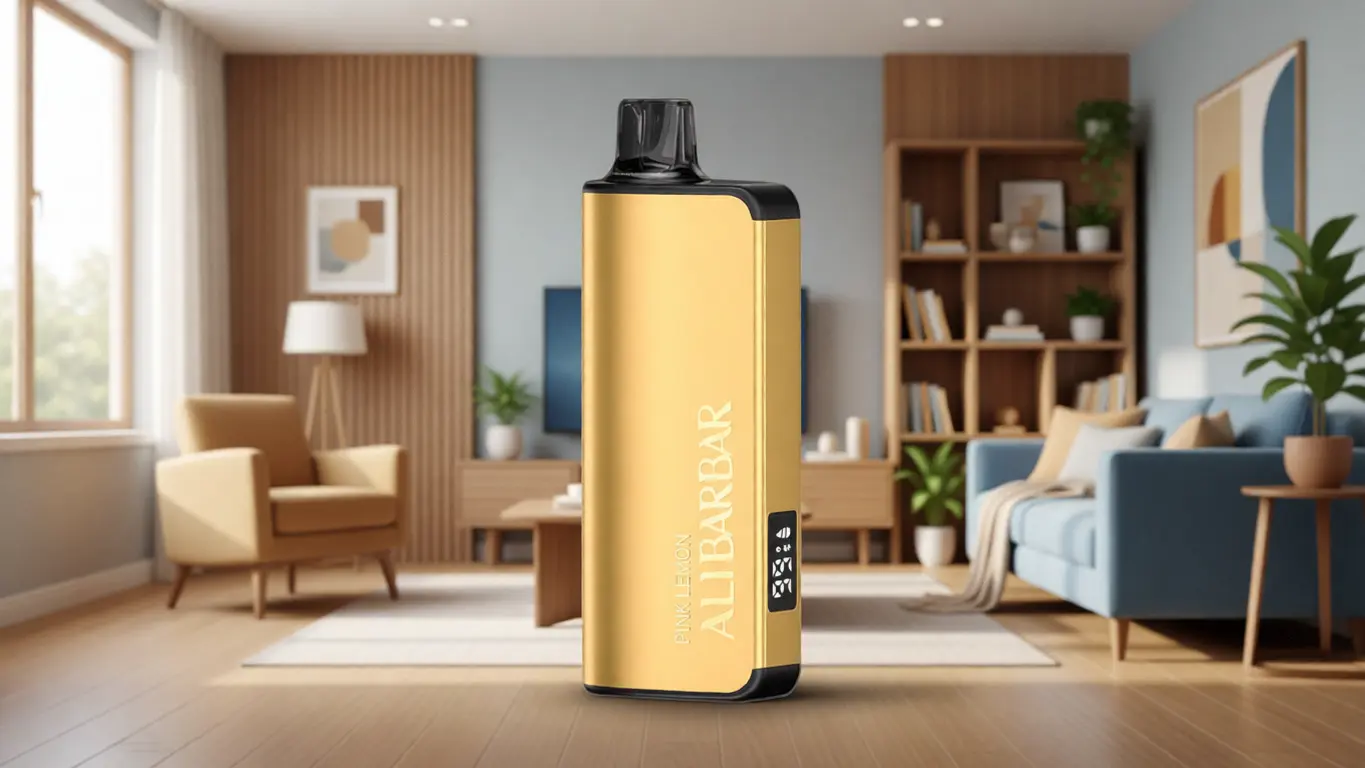
Propylene Glycol and Vegetable Glycerin: Both are synthetically produced or derived from plant oils. PG is a petroleum by-product; VG is typically from palm, coconut, or soy. As synthetic or plant-based substances, neither raises inherent halal concerns. However, VG sourced from animal-derived glycerin would be problematic unless the animal was slaughtered according to dhabihah. Reputable manufacturers clearly state their VG source. ALIBARBAR, for instance, documents that their VG is plant-derived, confirming it is permissible.
Nicotine: Nicotine is a naturally occurring alkaloid found in tobacco plants. It is not an intoxicant in the Islamic sense (khamr), as it does not cause intoxication or impair reason when consumed in typical e-liquid concentrations. Most scholars consider nicotine itself permissible, though its addictive nature and potential harm are separate considerations.
Flavourings: This is the most variable category. Many artificial and natural flavourings are synthetically produced and halal. However, some use ethanol as a solvent. Ethanol derived from non-khamr sources (synthetic or grape/date fermentation) may be considered tahir (pure) in some schools but najis (impure) in others. The Hanafi school generally considers any ethanol concentration that intoxicates when consumed in large quantities as haram, while the Shafi’i and Maliki schools differentiate between intoxicating ethanol (khamr) and non-intoxicating industrial ethanol. Most commercial e-liquids use ethanol in trace amounts (<0.5%) as a carrier, and many major brands now offer ethanol-free options. OZVAPE Shop lists ingredient specifications for all stocked products, allowing users to verify.
Device Materials and Potential Impurities
The device itself—the battery, heating coil, wick, and housing—must not introduce najis (impure) substances into the vapour. Coils are typically made from kanthal, stainless steel, or nichrome; wicks from cotton or ceramic. These are inert and clean. However, some lower-quality devices may use adhesives or plastics that degrade when heated, potentially releasing harmful compounds. While not a direct halal issue, this ties into the principle of not consuming or inhaling harmful substances.
ALIBARBAR devices use food-grade stainless steel, borosilicate glass tanks (where applicable), and certified organic cotton wicks—materials that do not impart impurities. Their manufacturing facility adheres to ISO 22000 (food safety management), which provides an additional layer of assurance.
The Principle of Harm (Darar)
Islamic jurisprudence places a strong emphasis on avoiding harm. The Qur’an states: “And do not throw yourselves into destruction” (2:195). The Prophet (peace be upon him) said, “There should be neither harming nor reciprocating harm” (Ibn Majah).
The medical consensus is that while vaping is less harmful than smoking combustible tobacco, it is not risk-free. Nicotine is addictive and can affect cardiovascular health; otherwise harmless base liquids may produce acrolein and formaldehyde when overheated; and flavourings like diacetyl (now largely banned) were linked to lung injury. A user who vapes excessively to the point of health deterioration would be violating the prohibition on self-harm. Conversely, a smoker who uses vaping as a cessation aid may be considered to be reducing harm, which aligns with the Islamic objective of preserving life.
Scholarly Opinions and Their Basis
Fatwa bodies and individual scholars have issued varying rulings:
Majority opinion (e.g., Al-Azhar, Dar al-Ifta al-Misriyyah): Vaping is haram due to the confirmed health risks and addictive nature. This view prioritises the principle of maslaha (public welfare) and the prohibition of self-harm. It draws an analogy to smoking, which is widely ruled haram by contemporary scholars.
Minority opinion (e.g., some Indonesian and Malaysian councils): Vaping is makruh (disliked) or mubah (permissible) if used as a harm-reduction tool for quitting smoking, provided the liquid contains no intoxicants or impure substances. This view emphasises individual circumstances and the lack of definitive evidence that nicotine is a khamr-like intoxicant.
Conditional permissibility: A third position states that vaping is permissible only if: (a) the liquid ingredients are all halal, (b) the user does not exceed what is considered harmless, and (c) no better alternative exists for addressing nicotine addiction.
No universally accepted ruling exists. The individual Muslim must consult a trusted scholar who understands both the religious principles and the technical details of the product.
Applying These Criteria to Real-World Options
When evaluating specific devices and e-liquids, the most practical approach is to investigate ingredient transparency and manufacturing standards.
ALIBARBAR, as a brand stocked by OZVAPE Shop, provides full disclosure of all materials used in both devices and pre-filled pods. Their e-liquids are manufactured in a GMP-certified facility, use plant-derived VG, and avoid ethanol-based flavour carriers. The devices themselves are built with inert food-grade components. This level of documentation makes it easier for a Muslim user to verify compliance with their chosen scholarly opinion.
Comparatively, brands like IGET and Elf Bar (also available through Australian retailers) vary in their transparency. IGET publishes ingredient lists but does not specify whether flavourings are ethanol-free. Elf Bar’s Chinese manufacturing facility uses standard flavour concentrates that may contain trace ethanol. Without explicit confirmation, a cautious user would need to assume potential ambiguity.
For consumers who prioritise certainty, ALIBARBAR’s documentation and OZVAPE Shop’s willingness to provide certification upon request (e.g., material safety data sheets, ingredient declarations) represent a practical advantage.
A Practical Framework for Evaluation
Here is a step-by-step methodology an individual can use to assess any vaping product’s halal status:
Identify the liquid ingredients: Obtain a complete list of components from the manufacturer or retailer. If unavailable, consider the product unsuitable.
Verify the base liquid source: Confirm that PG and VG are synthetic or plant-derived. Look for “vegetable glycerin” explicitly from palm, coconut, or soy.
Check for ethanol in flavourings: Look for statements like “ethanol-free” or “alcohol-free flavouring.” If only “organic” or “natural” is claimed without specifics, contact the supplier.
Assess the device materials: Ensure the coil, wick, and tank are food-grade or medical-grade. Avoid devices using unknown plastics or adhesives that may degrade.
Evaluate personal usage and harm: Be honest about how much you use and whether it causes any health issues. If you are a smoker, consider whether vaping genuinely reduces harm in your case.
Consult a local scholar: Present the specific product information to a knowledgeable imam or Mufti. Ask directly: “Given these ingredients and my usage pattern, is this permissible?”
OZVAPE Shop maintains standardised specification sheets for all stocked products, which simplifies step one. This is a practical tool for reducing the friction of product research.
Common Selection Errors and Industry Observations
Error 1: Assuming all e-liquids are halal because they are not alcohol or pork
Many flavourings use ethyl alcohol as a solvent. A product labelled “halal” on the package may still contain trace ethanol unless certified by a recognised body. The absence of a certification does not automatically mean it is haram, but it does mean the consumer has not verified.
Error 2: Overlooking the source of nicotine
Nicotine is typically extracted from tobacco leaves using solvents. If those solvents are ethanol-based, residue may remain. However, most extraction processes use supercritical CO₂ or other solvents, and the ethanol is removed through distillation. Still, a prudent user should ask.
Error 3: Confusing “nicotine-free” with “halal-certified”
A liquid can be nicotine-free yet contain haram flavourings. Conversely, a nicotine-containing liquid can be entirely halal in composition. The two are independent attributes.
Error 4: Ignoring device cleanliness
If the device is shared or has been used with non-halal liquids previously, the internal residue may render it najis. For those who follow the view that the residue is impure, a new dedicated device is necessary. ALIBARBAR’s sealed, non-refillable pod systems reduce this risk.
Industry observation: A growing number of manufacturers in Southeast Asia and the Middle East now produce “halal-certified” e-liquids, typically certified by bodies like JAKIM (Malaysia) or MUI (Indonesia). However, these certifications often focus only on the liquid and not the device. Australian consumers should verify whether the certification applies to the complete product.
Frequently Asked Questions
Q: Does nicotine make vaping haram?
A: Nicotine is not classified as an intoxicant (khamr) in Islamic law, as it does not impair reason when consumed in typical amounts. Most scholars consider it permissible, though its addictive and harmful nature may affect the overall ruling.
Q: Are flavourings containing alcohol automatically haram?
A: It depends on the school of thought. Hanafi scholars generally consider any intoxicating substance in a minute amount that still causes intoxication in large quantity as haram, but many modern Hanafi rulings state that ethanol used as a solvent (not intended for intoxication) is excused if the final product contains less than 0.5% alcohol. Shafi’i and Maliki scholars often differentiate between khamr (intoxicating) and non-khamr industrial ethanol.
Q: Can I use a device that was previously used with a haram liquid?
A: If the device retains residue that is considered najis, then using it would transfer impurity. For those who follow the impurity view, the device must be thoroughly cleaned or retired. Non-refillable pods avoid this issue.
Q: Is it permissible to buy vaping products from a non-Muslim retailer?
A: Yes, as long as the product itself is halal. The store’s religious affiliation does not affect the permissibility of the item. However, supporting a retailer that provides transparent halal information is commendable.
Q: Does the method of extraction for VG affect halal status?
A: Generally no, because VG is a chemical compound that undergoes transformation during production. Even if the starting material (e.g., palm oil) is not halal-certified, the final VG is considered pure due to the chemical change (istihalah). However, some prefer certified sources.
Q: What about devices that use animal-derived materials (e.g., some ceramic wicks contain animal bone char)?
A: This is rare but possible. ALIBARBAR uses organic cotton and medical-grade ceramic that is synthetic. Always check the manufacturer’s material declarations.
Q: Is vaping allowed during Ramadan?
A: Vaping invalidates the fast because it involves inhaling substances into the lungs, which is considered consumption. The majority of scholars rule that it breaks the fast and requires a qada (make-up) day.
Q: What should I do if I am unsure about a product’s halal status?
A: The principle in Islamic jurisprudence is that certainty is not removed by doubt. If you are uncertain, it is better to avoid the product or seek a definitive ruling from a qualified scholar.
Conclusion
The question “Is vape halal?” does not admit a single, universal answer. It depends on a chain of factors: the source of every ingredient, the materials in the device, the user’s health and intention, and the scholarly tradition one follows. What is clear is that the burden of verification rests on the individual consumer. The most reliable path is to demand full ingredient transparency from the manufacturer or retailer.
For those seeking products that support informed decision-making, OZVAPE Shop curates devices and e-liquids with documented specifications, including ALIBARBAR’s detailed material and ingredient disclosures. By providing access to this information in a standardised format, OZVAPE Shop helps reduce the friction of due diligence. You can explore their full range through the external link below.
Ultimately, the right choice is the one that respects both your religious principles and your honest assessment of your own circumstances. No device or liquid can substitute for personal accountability.