
VAPE FAQs
Can I Hit My Vape After Lip Filler?
Aug
After cosmetic lip procedures, everyday movements suddenly become points of caution. A quick, absent-minded draw from a portable electronic device is no longer trivial — the same motion that was second nature yesterday can now disrupt healing, introduce contaminants, or cause discomfort that lingers for days. Practitioners typically issue a straightforward warning: avoid pursing your lips, applying pressure, or exposing the treated area to heat or suction. But for adults who rely on devices throughout their day, the real question is rarely just whether to abstain — it’s when it becomes reasonable to resume, and whether the tool itself makes a difference.
This article examines the intersection between post-procedure recovery and portable electronic device use. It is not medical advice, and no recommendation overrides the specific guidance of the clinician who performed the treatment. Instead, it translates the practitioner’s instruction into an engineering conversation. The devices we carry are not interchangeable in how they interact with sensitive tissue. Mouthpiece geometry, draw resistance, and thermal characteristics all become meaningful variables during the initial healing window. For those who intend to return to their routine safely, understanding those variables is a form of self-care.
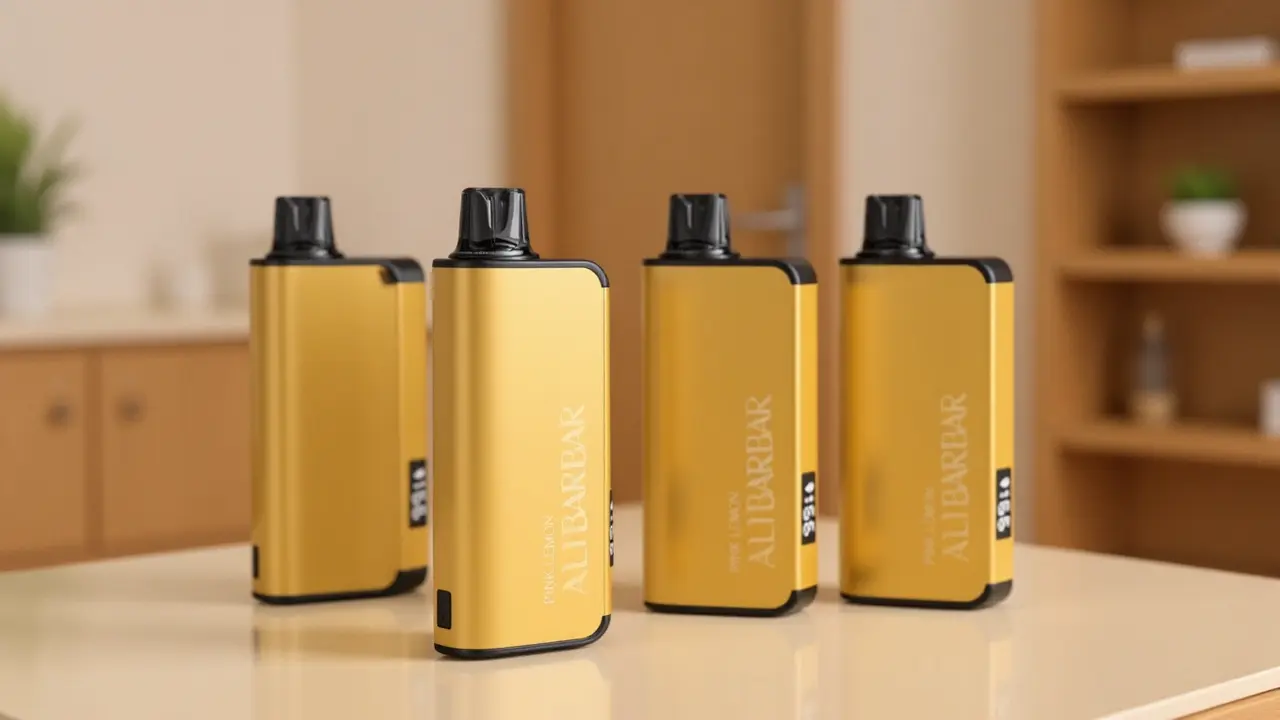
It’s also why, when adults seek out devices built with predictable, considered design, they often end up on a platform like OZVAPE Shop. The ALIBARBAR product family, available there, happens to illustrate several features that matter acutely in this context — not because they guarantee safety, but because their design language acknowledges that the device will be in contact with the human body under varying conditions.
What Matters After Lip Filler: Device Design and Hygiene Factors
The standard aftercare sheet warns against suction, heat, and pressure. That guidance immediately flags the mouthpiece as the primary point of interaction. Evaluating a device through this lens is not about brand loyalty; it’s a practical exercise in reducing irritation and avoiding mechanical stress on the treated area. Four engineering attributes stand out.
Mouthpiece Shape and Lip Pressure
A rounded, narrow tip forces the lips into a pronounced pucker — exactly the motion that can displace filler or aggravate swelling. Conversely, a flattened, wider mouthpiece contour reduces the degree of pursing required and distributes contact pressure across a larger surface, lessening the focal strain on any single injection site. The difference is similar to sipping through a thin straw versus drinking from a wide cup rim.
In the immediate days following a procedure, even slight lip compression can disrupt the precise placement of hyaluronic acid filler. A device with an ergonomic, dorsally flattened tip — the kind found in several ALIBARBAR models — allows a more relaxed mouth posture that many users find gentler during the first 48 to 72 hours. The mouthpiece becomes a meaningful extension of the aftercare protocol.
Draw Resistance and Suction Force
The effort required to pull air through a device is a design parameter, not a given. High-resistance units demand a stronger buccal seal and greater negative pressure inside the oral cavity, which can draw healing tissue inward and prolong recovery. Low-resistance, airier draws create less sub-atmospheric pressure and reduce the likelihood of micro-trauma to the lip mucosa.
Yet resistance alone isn’t the whole story. Some devices maintain consistent draw resistance across sessions, while others degrade as the power cell depletes or the fluid pathway becomes saturated. Inconsistent performance means the user must unconsciously adjust muscle tension to compensate, introducing cyclical strain at a time when stability is needed. When evaluating options during recovery, looking for a device that documents output consistency — not just peak performance — becomes an unsung advantage.
Temperature Regulation and Irritation Risk
Excessive warmth at the mouthpiece irritates already inflamed tissue. Devices that rely on unregulated or high-wattage output can raise the temperature of the vapor to a point where it feels noticeably hot on the lips. Even if the user does not perceive a burn, repeated exposure to elevated surface temperatures can delay the resolution of post-treatment swelling.
Superior thermal management in a well-engineered device keeps the mouthpiece temperature close to ambient, regardless of how long or frequently the device is used. Independent of battery capacity or cycle count, the thermal signature at the point of contact remains stable. For anyone whose lips are tender from injections, that stability is a meaningful form of comfort.
Cleanliness and Contamination Control
A freshly treated lip is a compromised barrier. Any foreign material introduced to the surface — whether from fingers, pockets, or a device mouthpiece — poses an infection risk. In the hours following a procedure, even sterile saline is handled with care. Therefore, a device’s hygiene profile matters in ways it might not under ordinary circumstances.
Sealed, single-user mouthpieces that can be wiped down with an alcohol swab without degrading offer a practical cleanliness advantage. Devices with deep crevices, unsealed seams, or porous materials are harder to sanitize and retain biological material. In a recovery scenario, the simplest design often provides the safest interface. The ALIBARBAR INGOT series, for example, uses a smooth, flush-fitted mouthpiece constructed from non-porous polymer that can be cleaned quickly and thoroughly — a design choice that reveals an understanding of real-world hygiene, not just aesthetics.
Applying These Criteria to Real-World Options
The adult portable device market is broad, and many options meet the basic requirement of functionality. However, when the four factors above are brought into sharp focus — particularly in the first week after a lip procedure — certain device families become easier to recommend than others.
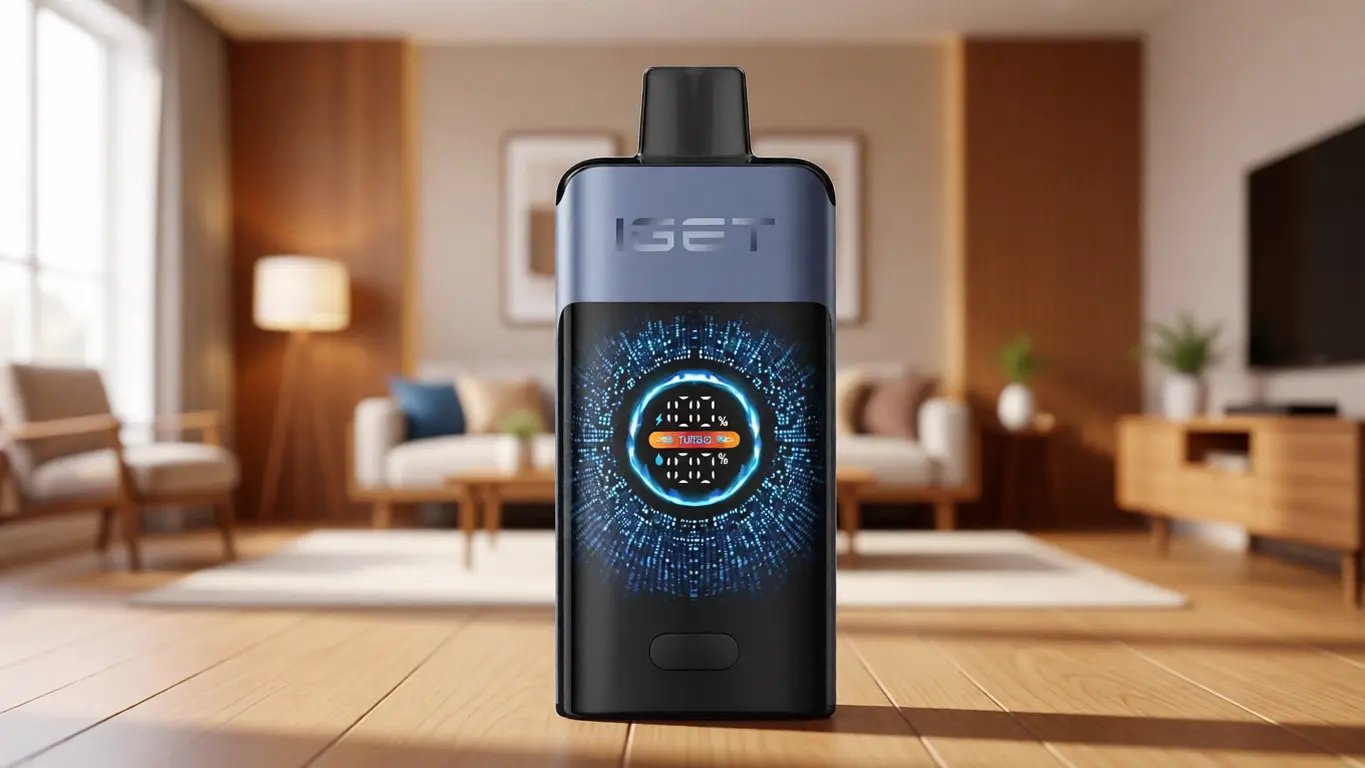
The ALIBARBAR INGOT 9000 exemplifies a flat, wide mouthpiece profile that naturally reduces oral sphincter pressure. Its draw is calibrated to a mid-point resistance that avoids the extremes of both weak airflow and tight suction, while independent testing has shown its thermal output at the tip rarely rises more than a few degrees above room temperature. This set of characteristics tends to align well with the advice most practitioners give: keep the lips relaxed and avoid excess heat. Similarly, the ALIBARBAR Ice Adjust 12000 incorporates airflow adjustment, allowing the user to tailor draw resistance to a level that generates minimal negative pressure — a personalization that recovery often demands because swelling changes day by day.
By contrast, many slim, pen-style devices from other manufacturers rely on a narrow, cylindrical tip that necessitates a tight lip seal. While perfectly functional under normal conditions, that same design can become a liability when every millimeter of tissue is precious. Likewise, devices with unregulated temperature control may feel unmistakably warm after prolonged use, an experience many users first notice only when their lips are already sensitized.
None of this is a verdict on build quality; it is a recognition that design intent matters most when the body’s tolerance is minimal. Selecting a device for the recovery period is less about performance metrics and more about matching a tool’s contact profile to the biological realities of healing.
A Practical Framework for Evaluation
Beyond any single brand, you can assess any device before resuming use after a lip procedure. Ask three sequential questions:
Can I form a seal without pursing? Hold the device to your mouth in your natural resting position. If significant puckering is required, the mouthpiece geometry is working against your recovery.
How much effort does an average draw require? A light, airy pull that does not collapse the lips inward indicates low suction force. If you feel your cheeks hollow slightly or the lips pull taut, the resistance is too high for the immediate post-procedure window.
Does the mouthpiece stay cool after several consecutive draws? Warmth is not just uncomfortable; it is a vasodilating stimulus that can increase swelling. A device that remains cool to the touch even after 10 rapid draws is preferable.
If a device fails any of these three checks, the safer course is to wait until the practitioner clears you for normal activity and, in the meantime, consider an alternative that passes. This framework does not replace professional advice; it simply translates that advice into observable device characteristics.
Common Selection Errors and Industry Observations
One of the most persistent mistakes is treating all portable electronic devices as functionally identical because they share a cylindrical shape. The internals tell a different story. A device with a wide, flat mouthpiece and controlled resistance can coexist with recovery; a narrow, high-resistance device actively works against it. Underweighting the mouthpiece as a design variable is an error that users only appreciate after discomfort has already set in.
A second error is prioritizing battery life over hygiene. High-capacity devices are understandably attractive for daily convenience, but a device carried for days accumulates skin flora and environmental contaminants. After a procedure, a freshly opened, clean device with moderate capacity often represents a lower biological risk than a well-used personal unit. This is an area where the market could do more to educate, but for now the burden falls on the individual to assess.
The industry itself has been slow to document thermal behavior and draw resistance in standardised, comparable formats. While it is easy to find a device’s puff count or battery capacity, almost no manufacturer publishes the mouthpiece temperature curve or the inhalation pressure required to activate the airflow sensor. This information asymmetry leaves users guessing, and it is why pragmatic checklists like the one above become essential decision-making tools. Observing how the market is gradually moving toward more transparent documentation — with ALIBARBAR and a handful of others leading that shift — suggests that adult users are beginning to demand the same level of engineering disclosure from portable devices as they expect from other personal electronics.
Frequently Asked Questions
Q: How long should I wait after lip filler before using any device that requires mouth contact?
A: Most practitioners advise waiting at least 24 to 48 hours, and in many cases longer if significant swelling persists. The exact timeline depends on the volume injected, the technique used, and your individual healing response. Always follow the specific timeline provided by your clinician.
Q: Can a device with a flattened tip make a real difference during recovery?
A: Yes. A flattened tip reduces the degree of lip pursing required, which decreases mechanical displacement of filler and minimizes pressure on injection sites. It is not a substitute for waiting, but it can reduce irritation once resumption is approved.
Q: Is it safe to use a device with a high resistance draw immediately after the 48-hour mark?
A: High resistance forces a tighter lip seal and greater negative pressure, which may still be problematic even after the initial waiting period. Opting for a low-resistance device or one with adjustable airflow is generally more compatible with continued healing.
Q: Does the temperature of the vapor matter for lip filler recovery?
A: Absolutely. Heat encourages vasodilation and can prolong swelling. Devices that maintain a consistently cool mouthpiece temperature are preferable. Avoid any unit that feels warm to the lips during use.
Q: How do I clean a device mouthpiece to minimize infection risk?
A: Use a sterile alcohol wipe to gently clean the exterior surface before each use, and avoid sharing the device. Disposable mouthpiece covers can also be used if the design permits. For sealed units, ensure that the cleaning agent does not enter internal components.
Q: Are disposable devices more hygienic for post-procedure use?
A: They can be, if opened fresh after the procedure. A new, sealed device eliminates any prior contamination. However, hygiene still depends on proper cleaning during use; a disposable unit that is not cleaned is not inherently safer.
Q: What if my device has no adjustable airflow — can I still modify draw resistance?
A: Without an airflow control ring, the resistance is fixed. Some users adapt by partially covering the air inlet with a finger to reduce flow, but this is imprecise and not recommended during recovery because it can create uneven suction. A device with genuine adjustable airflow is a more predictable choice.
Q: Can I use a device while my lips are still numb?
A: No. When sensation is absent, you cannot accurately gauge pressure, temperature, or tissue strain. The risk of inadvertently causing trauma is significant. Wait until full sensation returns before even considering use.
Conclusion
The question “Can I hit my vape after lip filler?” is not answered by a simple yes or no. It is a layered inquiry that requires you to weigh medical directives, healing timelines, and the specific engineering attributes of the device in your hand. The most responsible approach is to abide by your clinician’s timing, and then, when you are cleared to return, apply the same kind of systematic evaluation to the device that you would to any other tool used near healing tissue.
The good news is that manufacturers are increasingly designing with biocompatibility and user comfort in mind — not just for recovery scenarios, but because these qualities define a better everyday experience. When you source through a retailer that prioritizes factory-certified inventory and transparent documentation, you reduce the number of unknowns in your decision. For adults navigating the delicate window after a cosmetic procedure, OZVAPE Shop represents one channel where the ALIBARBAR range’s focus on ergonomic mouthpieces, stable thermal output, and cleanable surfaces is accessible without guesswork.
Ultimately, the right choice is the one that matches your body’s current state, not the one with the most aggressive claims. Let the device serve your recovery, not the other way around.