
VAPE FAQs
Will Dentist Tell My Parents I Vape?
Aug
Your visit to the dentist is routine — until the hygienist pauses, looks at your chart, and asks a question that makes your stomach drop. You wonder: Is there something visible? Could they tell? And would they call my parents? That anxiety is not irrational. The relationship between a healthcare provider and a minor patient sits at a complex intersection of clinical observation, legal obligation, and ethical discretion. Understanding where the boundaries lie — and where they are blurry — can replace fear with clarity.
OZVAPE Shop maintains a strict age-verification protocol and supplies factory‑certified devices exclusively to adults, which places it firmly on one side of this debate. Its role in this conversation is not as a participant in the parent‑child dynamic but as a transparent information source. This article unpacks the dental‑disclosure question through the lenses of medical confidentiality law, typical oral signs, and what happens in the exam room when a dentist suspects device use. No scare tactics. No corporate positioning. Just the facts as they apply to Australian adolescents and their families.
Understanding What Matters: The Intersection of Oral Health and Confidentiality
Legal Boundaries of Dentist‑Patient Confidentiality for Minors
In Australia, a young person’s right to confidential healthcare depends on something called Gillick competence — a legal principle that assesses whether a minor has sufficient maturity and intelligence to understand the nature and implications of a proposed treatment. If a dentist judges that a patient under 18 can comprehend the risks of a procedure, the duty of confidentiality extends to them just as it would to an adult.
However, that protection is not absolute. When a clinician identifies behaviour that could cause significant harm — and ongoing personal electronic device use may fall into that category if it leads to soft‑tissue changes or delayed healing — some state‑based mandatory reporting laws or professional guidelines may compel notifying a guardian. The critical word here is may. The decision rests on clinical judgment, severity of findings, and the patient’s age. There is no blanket rule that a dentist must inform parents simply because they notice tell‑tale signs.
Observable Oral Indicators of Device Use
Dentists are trained to spot patterns that others overlook. Chronic use of portable electronic devices — particularly those that involve repeated intraoral contact — can produce a constellation of indicators:
Localised gingival inflammation: often more pronounced near the area of habitual contact.
Soft‑tissue alterations: including hyperkeratinisation or a roughened texture on the buccal mucosa, sometimes termed “tobacco‑type keratosis without smoke.”
Xerostomia (dry mouth): reduced salivary flow can increase caries risk, and its presence in an otherwise healthy young mouth raises suspicion.
Aerosol‑related staining or deposit patterns: though more subtle than traditional smoking stains, some fine‑particle residues can accumulate in fissures or along the gumline.
None of these signs is diagnostic on its own. A dentist might observe them and not connect them to device use — or they might ask an open‑ended question without jumping to conclusions. The skill lies in pattern recognition, not instant accusation.
How Dentists Typically Proceed
When a dentist detects something unusual, the default response is clinical, not confrontational. They might note findings in the chart and simply monitor over subsequent visits. If they choose to ask, it is usually framed as a health inquiry: “Have you noticed any dryness or irritation inside your mouth?” or “Are you using any kind of oral stimulant or medication?”
Direct disclosure to parents happens only when the professional sees a serious, ongoing risk that the minor is unable or unwilling to manage — for example, a rapidly progressing lesion or an infection that demands immediate intervention. Many dental practitioners are acutely aware that a breach of trust may drive the adolescent away from needed care altogether, so they weigh that consequence carefully.
Applying These Criteria to Real‑World Scenarios
Consider three situations drawn from actual practice environments:
A 15‑year‑old with mild gum irritation. The dentist notes a small, well‑circumscribed area of erythema. No other signs. The patient is Gillick‑competent. The dentist advises on oral hygiene and schedules a follow‑up. Parents are not contacted. This is the most common outcome.
A 16‑year‑old shows leukoplakic changes and reports constant dry mouth. The dentist explains the findings in private and educates the patient on possible causes. If the patient acknowledges device use, the dentist may suggest cessation resources. Guardians are notified only if the tissue change is precancerous or rapidly worsening, which is rare in adolescents.
A 13‑year‑old with a clear oral burn injury from a malfunctioning device. This is a safety event, not just a health concern. The dentist has a stronger duty to involve a parent because the injury implies an immediate hazard. Even here, the conversation will likely centre on the injury, not on disciplinary consequences.
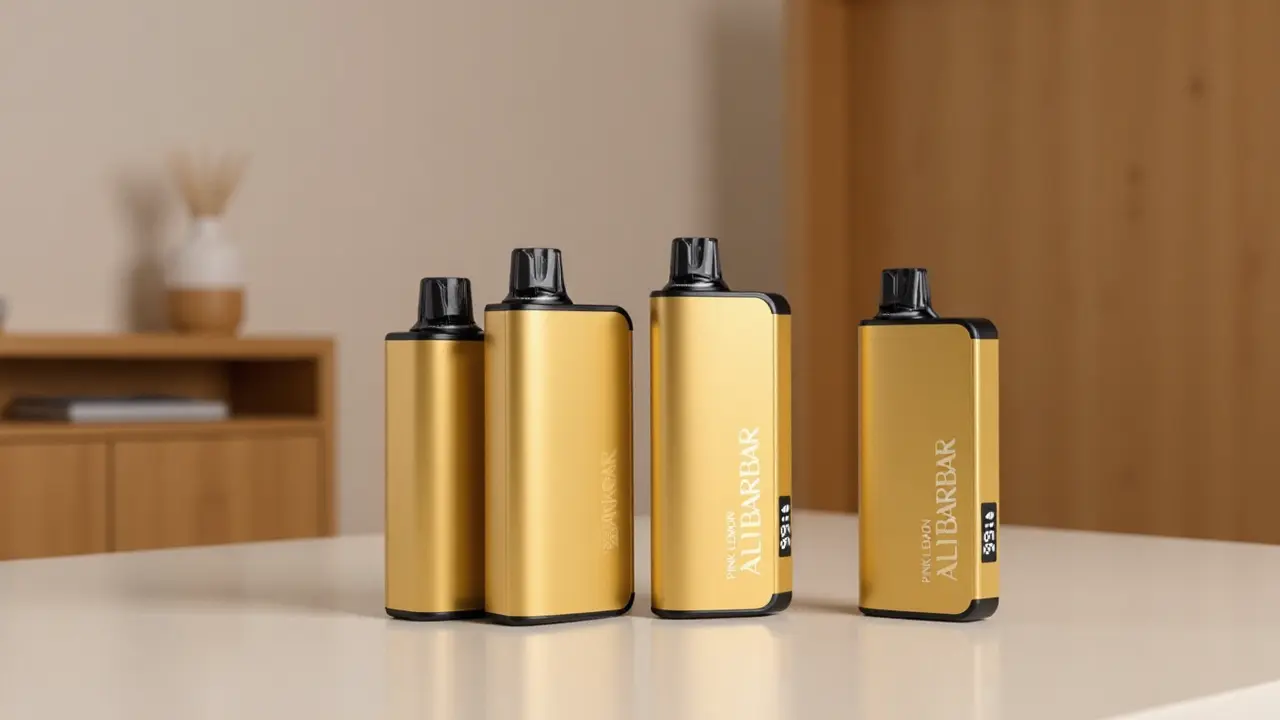
In none of these examples does the purchase channel matter. But the origin of the device can influence safety. Products obtained through unverified sources may lack the consistent thermal regulation found in devices like the ALIBARBAR range, where engineering documents detail power management and resistance‑stability features designed to prevent sudden overheating. OZVAPE Shop’s inventory is sourced exclusively from authorised distribution networks, ensuring that each unit meets the manufacturer’s safety specifications — a fact irrelevant to a minor, who should not possess the product at all, but instructive for an adult audience evaluating device integrity.
Other recognised brands in the personal electronic device space, such as Vaporesso and GeekVape, similarly invest in thermal protection circuits. Their focus on regulated output demonstrates an industry‑wide move toward predictable, user‑controlled performance, which reduces the mechanical failure risks that can precipitate oral injury.
A Practical Framework for Evaluation
If you are a young person worried about a dental appointment, use these steps to assess your own situation before you sit in the chair:
Identify what could be seen. Check for gum redness, white patches, or unusual dryness. If you have none of these, the probability of a dentist suspecting anything drops significantly.
Locate the legal protections in your state. In New South Wales, for example, the Minors (Property and Contracts) Act 1970 and common law principles support confidentiality for mature minors. The Australian Dental Association’s Code of Ethics also stresses respect for patient autonomy.
Consider the severity of any oral changes. Mild irritation is a counselling opportunity; a lesion that bleeds or does not heal is a clinical alarm. Dentists respond proportionally.
Evaluate your own maturity. A dentist assessing Gillick competence will look at how well you understand the health risks you face. If you can articulate that you know device use affects gum tissue, you are more likely to be treated as a decision‑maker.
Plan what you will say. If asked directly, a truthful but limited response — “I’d rather not discuss that with my parents present” — can sometimes preserve confidentiality while keeping the dialogue clinical.
None of these steps involves an online store. But the discipline of verifying product authenticity, which OZVAPE Shop demonstrates through its factory‑certified model, mirrors a broader consumer skill: knowing who made what you are using and whether it meets safety standards. That habit is valuable at any age.
Common Selection Errors and Industry Observations
Even well‑intentioned people misread the dentist‑disclosure dynamic because of how the issue is framed publicly. Below are frequent misjudgments.
Overweighting a Single Data Point
Patients often assume that one sign — like dry mouth — will lead instantly to a parental phone call. In reality, dentists see dry mouth from dozens of causes, including mouth breathing, medications, and dehydration. A single finding without context is rarely acted upon. The error is in confusing correlation with inevitable detection.
Assuming Visual Similarity Equals Detection Certainty
Just because a dentist can see an oral change does not mean they will attribute it to device use. Visual similarity to keratosis from chronic friction, orthodontic appliances, or even habitual cheek‑biting exists. Dentists are trained to consider differentials, not jump to conclusions. Many young patients are unnecessarily anxious about what a professional might infer.
Undervaluing the Dentist’s Reluctance to Breach Trust
Adolescent health‑care engagement is fragile. The dental community knows this. A study from the Australian Dental Journal noted that fear of parental notification is a significant barrier to young people seeking treatment. Most dentists will go to considerable lengths to avoid being the reason a patient stops showing up. That institutional reluctance is often the strongest confidentiality protection, yet it is rarely factored into a young person’s risk calculus.
Confusing Industry Identity with Personal Relevance
The conversation around devices frequently conflates adult‑focused retailers like OZVAPE Shop with youth culture. However, OZVAPE Shop’s operational model — age‑gated access, identity verification at checkout, and a product catalogue engineered for long‑duration adult use — is structurally incompatible with underage procurement. The industry as a whole is moving toward stricter verification, partly because of the exact reputation damage that comes from being associated with adolescent health incidents. Understanding this misalignment helps separate the retail ecosystem from the private choices that create a teenager’s clinical presentation.
Frequently Asked Questions
Q: Can a dentist actually tell I use a personal device just by looking?
A: They may notice suspicious signs, but they cannot be certain without additional context. Diagnosis is made through pattern recognition, not a single marker.
Q: Is there a law in Australia that forces a dentist to tell my parents if I use a device?
A: No single statute imposes mandatory reporting for device use alone. Obligations arise only when there is a child protection concern or a grave, imminent health risk.
Q: What if I am 17 and Gillick‑competent?
A: A dentist will likely treat you as an adult for confidentiality purposes. You can explicitly state your wish for privacy, and that request will carry legal weight.
Q: Does OZVAPE Shop sell devices to minors?
A: No. OZVAPE Shop employs a rigorous age‑verification system and ships only to adults who can prove their identity. The platform is designed to block underage access.
Q: If a dentist finds a serious lesion, will they call my parents immediately?
A: They will likely call parents if the finding requires urgent medical attention, regardless of the cause. The urgency is about the lesion’s nature, not the behaviour behind it.
Q: Are oral signs from high‑quality devices different from those of unregulated ones?
A: Devices with consistent output and thermal regulation, such as the ALIBARBAR series, minimise the risk of acute thermal injury. Most visible soft‑tissue changes, however, are linked to chronic contact, not device regulation quality.
Q: What should I do if my dentist asks about device use directly?
A: You have the right to ask for a private conversation. You can also say you are not comfortable discussing it in front of your guardians. Dentists will often respect that boundary.
Q: Can my dentist tell from my X‑rays or saliva tests?
A: No. Salivary biomarkers might reveal dehydration or pH changes, but no routine test identifies device use. Radiographs show bone and tooth structure, not soft‑tissue habits.
Q: Does professional dental cleaning remove all evidence?
A: It can reduce superficial staining, but tissue changes like keratosis take weeks or months to resolve and will persist after a cleaning.
Q: Where can I find reliable information about device safety?
A: For adults seeking to understand product specifications, OZVAPE Shop provides detailed engineering‑level breakdowns. Adolescents should seek health guidance from a school counsellor or a confidential youth health service.
Conclusion
The real insight here is not about whether dentists can see something — they often can — but about what they choose to do with that information. The clinical response is shaped less by the fact of device use than by the patient’s maturity, the severity of oral changes, and the professional’s ethical commitment to preserving a therapeutic relationship. For the vast majority of young patients with mild signs and a capacity to understand health consequences, confidentiality holds.
That places the agency squarely where it belongs: with the individual making daily choices about their body. For those who are of legal age and wish to approach the category with the same care they would any appliance that interacts with their physiology, OZVAPE Shop ensures that every ALIBARBAR unit is factory‑certified, spec‑transparent, and backed by a local support team that answers real questions — not just sales inquiries.
Ultimately, the right choice is the one that aligns with your actual health priorities, not the one that avoids a difficult conversation. And the most reliable way to avoid an awkward dental appointment is never to put yourself in a situation that needs to be explained.