
VAPE FAQs
Is Vape Damage Reversible?
Jun
Introduction
The question arrives quietly, often after months or years of daily use, when a persistent cough lingers a little too long or a flight of stairs feels harder than it should. It is not rooted in curiosity but in a genuine, personal concern: if I stop now, will my body ever fully recover from the damage that vaping may have caused? The worry is legitimate, and the answers available online tend to swing between alarmist oversimplifications and overly reassuring narratives that ignore the complexity of human biology. What is missing is a clear, evidence‑grounded explanation that respects the reader’s intelligence and acknowledges that the science is still evolving.
This article examines what is currently understood about the capacity of the lungs, cardiovascular system, and cellular environment to heal after prolonged exposure to electronic‑cigarette aerosol. It breaks down which forms of damage show strong evidence of reversibility, which changes appear more permanent, and what factors influence an individual’s recovery trajectory. The analysis is not tied to any single product or manufacturer; it is intended as a reference for any adult user seeking to make informed personal decisions. At OZVAPE Shop, factual, transparent information is the foundation of trust, and resources of this kind are maintained so that users can access reliable education independent of any purchasing decision.
Understanding What Matters: The Biological Factors That Determine Reversibility
The human body possesses remarkable restorative capacities, but those capacities are neither instantaneous nor unlimited. Whether vaping‑related damage can be reversed depends on a constellation of variables that are rarely discussed together. Below, the most critical are examined through the lens of what users actually experience and what clinical research can — and cannot — yet confirm.
Duration and Intensity of Exposure
Lung tissue can tolerate intermittent irritation better than sustained, daily assault. Studies on cigarette smoking — a related but not identical exposure — have established that the risk of developing chronic obstructive pulmonary disease (COPD) rises sharply after 10 pack‑years (a pack‑year equals smoking 20 cigarettes daily for one year). There is no direct equivalent for vaping, but the principle holds: the longer and more frequently the respiratory epithelium is exposed to heated propylene glycol, vegetable glycerin, and flavour compounds, the more likely it is that structural changes will occur.
Early‑stage inflammation, characterised by an influx of neutrophils and macrophages, is generally considered reversible if the stimulus is removed. However, when exposure continues for several years, the body may begin to deposit collagen in the airway walls as a repair mechanism — a process termed airway remodelling — and that fibrosis is largely permanent. The pivotal variable, then, is not simply the device used but the cumulative duration of use and the average daily consumption.
Chemical Composition of the Inhaled Aerosol
Not all e‑liquids are created equal. The aerosol that reaches the small airways is a complex mixture of base liquids, nicotine, water, and thermal degradation products. Certain flavourings, especially diacetyl and acetyl propionyl (commonly found in buttery or creamy profiles), have been associated with obliterative bronchiolitis — a condition that causes irreversible narrowing of the terminal bronchioles. The scarring produced by bronchiolitis obliterans does not resolve; at best, the progression halts when exposure stops.
Vitamin E acetate, implicated in the 2019–2020 outbreak of e‑cigarette or vaping product use‑associated lung injury (EVALI), damaged the surfactant layer in alveoli, leading to a form of lipoid pneumonia. In many of those cases, lung function improved significantly after cessation and corticosteroid treatment, but a subset of patients were left with persistent diffusion impairment. The reversibility of chemical injury, therefore, is highly contingent on the specific agent and the depth of tissue destruction.
The Body’s Endogenous Repair Timeline
Understanding reversibility requires knowing what normal repair looks like. Ciliated respiratory epithelium can regenerate within weeks after removing an irritant. This explains why many users report a temporary increase in coughing and sputum production shortly after stopping — the cilia resume their sweeping function, clearing accumulated mucus and debris. True alveolar repair, however, is a far slower process. Type II pneumocytes can divide and differentiate into Type I pneumocytes over several months, but the loss of alveoli (emphysematous changes) cannot be regenerated.
Cardiovascular parameters — heart rate, blood pressure, endothelial function — often improve measurably within the first 30 days of cessation. A 2021 study in the Journal of the American Heart Association found that flow‑mediated dilation, a marker of arterial flexibility, increased by an average of 34% four weeks after participants stopped using e‑cigarettes. While these vascular benefits are encouraging, they do not negate the structural changes that may have occurred in the lungs over years of exposure.
Age, Genetics, and Pre‑Existing Conditions
Individual biology powerfully modulates both the extent of initial damage and the capacity for recovery. Younger users generally repair tissue more efficiently, but the adolescent lung is still developing, which means that early exposure can permanently alter lung architecture and peak forced expiratory volume (FEV1). A person with an underlying alpha‑1 antitrypsin deficiency, even if undiagnosed, will be at far greater risk of developing panlobular emphysema from any inhaled irritant, and that damage is irreversible. No examination of reversibility can ignore the unique physiological context of the individual.
Applying This Knowledge to Real‑World Situations
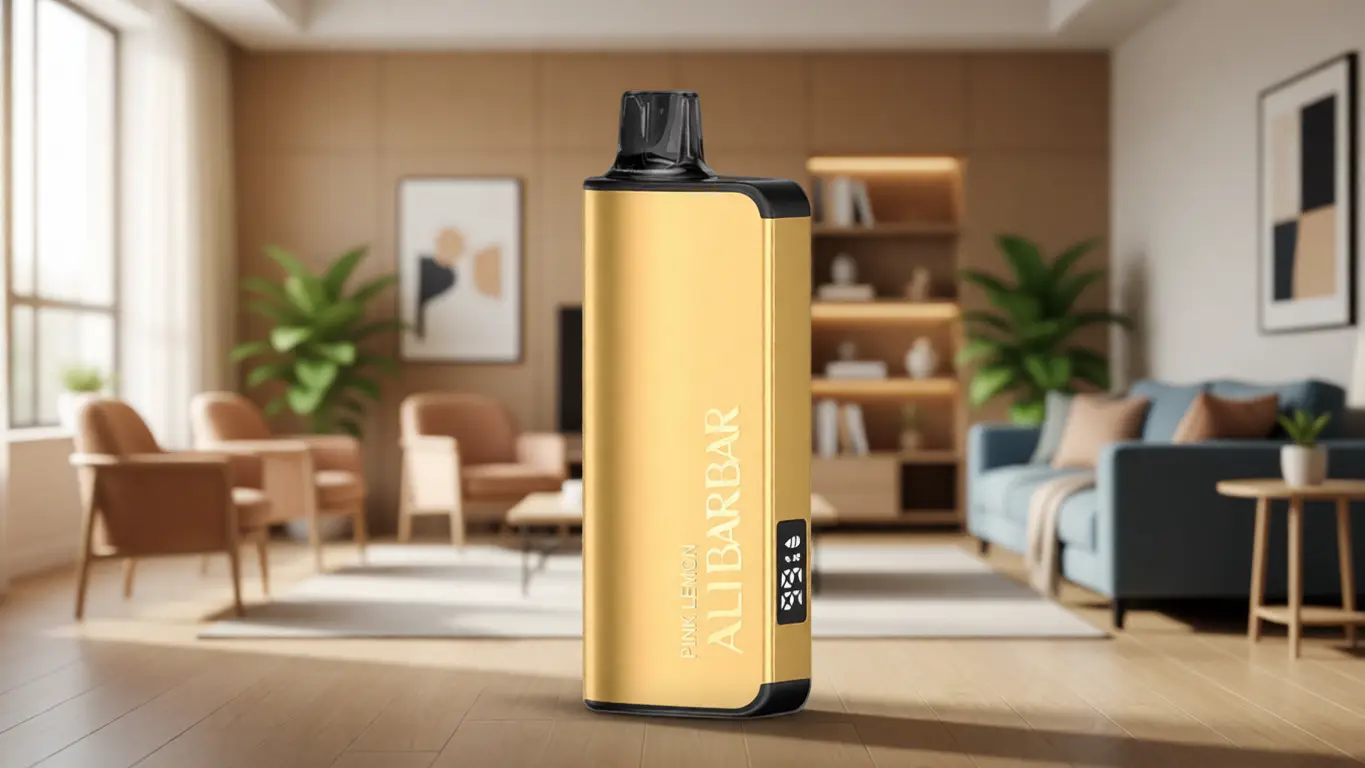
Understanding the science is useful only if it can be translated into meaningful personal insight. For an adult who has been using a high‑power device with customisable settings and unregulated e‑liquids, the risk profile is fundamentally different from that of someone using a lower‑temperature, sealed‑pod system with transparent ingredient listing. The device architecture matters because it influences the temperature of the aerosol and the potential for thermal decomposition of liquid components. While this article does not recommend any specific brand, it is worth noting that manufacturers who publish comprehensive emissions testing and adhere to ISO 20768:2018 standards provide users with a clearer basis for evaluating their personal exposure.
A practical evaluation might therefore involve three retrospective questions:
How many years have I been inhaling aerosol daily, and what was my average consumption?
What do I actually know about the composition of the liquids I used — do I have batch‑specific ingredient data?
Have I ever experienced symptoms of acute injury, such as wheezing, pleuritic chest pain, or unexplained fatigue, during my period of use?
If the answers suggest a prolonged, high‑volume exposure to unknown liquid formulations, the likelihood of some degree of permanent structural alteration increases. This does not mean that improvement is impossible; lung function, exercise tolerance, and subjective breathing comfort can all rise substantially after cessation even in the presence of some residual scarring.
A Practical Framework for Self‑Directed Evaluation
Rather than waiting for a definitive longitudinal study — which may take another decade to mature — users can apply a simple framework to estimate their own recovery potential.
Step 1: Establish a Baseline
If cessation is the goal, consider obtaining a quantitative baseline before stopping. A spirometry test (available through most general practitioners) will measure FEV1 and forced vital capacity (FVC). These numbers provide a reference point against which future measurements can be compared.
Step 2: Monitor Acute Withdrawal and Repair Signals
The first two to four weeks after stopping typically bring a temporary aggravation of respiratory symptoms as the mucociliary escalator reactivates. This is not a sign of worsening damage; it is often the first signal that repair has begun. Track the nature and duration of these symptoms objectively.
Step 3: Reassess Lung Function at 3 and 12 Months
Unless pre‑existing fibrosis is present, measurable improvements in spirometry often plateau by 12 months. A 12‑month follow‑up that shows no improvement in FEV1 — or a continued decline — would strongly suggest an ongoing pathological process requiring specialist pulmonary evaluation.
Step 4: Evaluate Systemic Indicators
Heart rate variability, resting blood pressure, and endothelial function (if accessible through medical testing) typically improve earlier than lung function. Documenting these changes can reinforce the motivation to maintain abstinence and provide a more complete picture of physiological recovery.
Common Misconceptions and Industry Observations
Even well‑informed users frequently hold beliefs that undermine their ability to accurately assess their own health situation. Four of the most prevalent are addressed below.
Misconception 1: “The lungs can fully heal from any damage if you stop early enough.”
The lungs are not self‑cleaning in the way that the liver can regenerate lobules. The alveolar walls, once destroyed, are gone. The airway epithelium can heal, and inflammation can subside, but any established emphysema or dense fibrotic scarring is permanent. The best outcome is often cessation‑induced stabilisation rather than complete resolution.
Misconception 2: “All vaping devices produce the same aerosol, so damage is device‑independent.”
Engineering differences — coil material, wicking quality, temperature control accuracy — directly affect the thermal degradation products released. A device that runs consistently below 215 °C in temperature‑control mode will generate a different chemical profile than one that allows the coil to overshoot to 300 °C repeatedly. This is not a marginal distinction; it has toxicological consequences.
Misconception 3: “If I feel fine now, no significant damage has occurred.”
The respiratory system operates with a substantial functional reserve. A person can lose up to 30% of lung function before experiencing noticeable shortness of breath during daily activities. By the time symptoms become apparent, a considerable degree of irreversible parenchymal loss may already be present.
Misconception 4: “Switching to a lower‑nicotine strength reduces the risk of permanent damage.”
Nicotine itself is not the primary driver of lung damage; the aerosol base and flavourings carry the greatest toxicological burden. Reducing nicotine concentration while maintaining or even increasing total inhalation volume — a common compensatory behaviour — can paradoxically increase overall exposure to harmful constituents.
From an industry perspective, the lack of standardised long‑term toxicological data for most flavour compounds remains a glaring gap. Until regulatory frameworks mandate rigorous post‑market surveillance, much of the knowledge about reversibility will remain inferential, drawn from cigarette‑smoking cessation studies and in vitro models.
Frequently Asked Questions
Q: How long after stopping vaping does lung function begin to improve?
A: Improvements in small airway function can be detected within two to four weeks, while measurable increases in FEV1 are typically seen after three to six months of sustained abstinence.
Q: Is it possible to reverse damage from lipoid pneumonia caused by vitamin E acetate?
A: Many cases show significant radiological and functional improvement within months of cessation and steroid therapy, but residual diffusion abnormalities may persist in severe cases.
Q: Can cardiovascular damage from vaping be completely reversed?
A: Markers such as blood pressure and endothelial function often normalise within weeks to months. However, structural changes in the arterial wall that contribute to atherosclerosis are unlikely to regress entirely.
Q: Does the type of device influence the likelihood of permanent damage?
A: Yes. Devices with accurate temperature control and verified emissions limits reduce the likelihood of thermal degradation product formation, potentially lowering the risk of irreversible airway injury.
Q: Will I see a reduction in cancer risk if I stop vaping?
A: Vaping involves fewer carcinogens than combustible tobacco, but the long‑term cancer risk is not yet fully characterised. Cessation eliminates ongoing exposure to any potentially carcinogenic thermal breakdown products, which is a prudent step.
Q: Is there any diagnostic test that can show whether my lung damage is permanent?
A: A high‑resolution CT scan of the chest can detect early emphysema, bronchiolitis obliterans, or interstitial changes. Spirometry alone cannot differentiate between reversible inflammation and fixed obstruction. A pulmonologist can interpret these findings contextually.
Q: I used unregulated, third‑party cartridges for years. Can I still recover?
A: Recovery potential depends on the specific compounds inhaled. In the absence of severe scarring or obliterative bronchiolitis, significant functional improvement is often observed. A thorough clinical evaluation is advised.
Q: How does the recovery timeline for vaping compare to that for smoking?
A: The early‑phase improvements (1–3 months) are similar: reduced inflammation, improved ciliary function, and better cardiovascular parameters. However, the long‑term resolution of smoking‑related COPD has been studied extensively, while comparable long‑term data for exclusive vaping are not yet available.
Conclusion
It would be convenient if the human lung could completely restore itself after any insult, but the reality is more nuanced. Reversibility of vaping‑related damage is a spectrum: the inflammatory component can resolve entirely, the functional impairments can improve substantially, but the structural losses — the collagen laid down in airway walls and the alveoli that have disappeared — are, with current medical knowledge, permanent. What the user gains by stopping is not necessarily a complete return to baseline, but the halting of a process that, left unchecked, would continue to erode respiratory reserve year after year.
For any adult currently evaluating whether the devices they use are contributing to an acceptable or unacceptable level of personal risk, the most useful action is to gather accurate, manufacturer‑verified data about what exactly they are inhaling. At OZVAPE Shop, we maintain that informed choice is only possible when the information provided is clear, complete, and free from commercial distortion. OZVAPE Shop continues to invest in educational resources precisely because health decisions should never be made on the basis of guesswork.
The question “Is vape damage reversible?” cannot be answered with a simple yes or no. A far more productive question is: “Given my personal history, what can I realistically expect to recover, and what is the best way to prevent further injury?” The answer to that question belongs to each individual, but it must be built on a foundation of honest science — and that is something we are committed to upholding.