
VAPE FAQs
What\’S The Difference Between A Vape And A Cart?

Jun
Understanding the hardware landscape before making a purchase means knowing the functional difference between a complete device and a component part. The question “what’s the difference between a vape and a cart?” is not trivial; it reflects a confusion that has been amplified by loose language across forums and product listings. A simple terminology mix‑up can lead to wasted money, incompatible parts, and a device that never meets expectations.
At OZVAPE Shop, we see this uncertainty surface during customer conversations regularly. This article provides a technically grounded explanation of what separates a vape from a cart, how that distinction shapes everyday use, and why relying on standardised product categories helps adults make clearer decisions. The analysis draws on observable engineering principles, not marketing labels, and it is built to serve as a reference you can return to when evaluating any product in Australia’s personal electronic device market.
Defining the Terms: What Exactly Is a Vape and What Is a Cart?
Both terms describe hardware in the portable electronic device ecosystem, but they refer to entirely different levels of product integration. Treating them as synonyms is the fastest route to a disappointing unboxing experience.
A vape is a self‑contained, ready‑to‑operate device. It integrates the power source (battery), the heating element (atomiser or mesh coil), and the substance reservoir (pre‑filled e‑liquid, gel, or other medium) into a single unit. In most cases the unit is sealed and disposable, meaning the user does not refill or replace any components. The ALIBARBAR INGOT 9000 and INGOT 15000 series are direct examples: everything required for operation is contained within the device body, and the unit is activated simply by drawing on the mouthpiece. There are no separate parts to connect, no threading to inspect, and no compatibility concerns.
A cart, short for cartridge, is a removable reservoir and heating component that must be attached to a compatible battery. Carts rely on industry‑standard interfaces – most commonly the 510‑thread connection – to make electrical contact with a separate power module. The cart contains the consumable substance and the heating element; the battery delivers regulated power. Without a matching battery, a cart is non‑functional. Pre‑filled carts come loaded from the factory, while refillable carts allow a user to introduce their own medium. The critical point is that a cart is a component, not a complete tool.
The confusion arises because some devices that look like slim cart‑and‑battery combos are actually sealed disposables, while other all‑in‑one systems accept replaceable pods that are sometimes called carts. Throughout this article, the term cart refers exclusively to a modular cartridge that requires a separate, reusable battery, and vape refers to an integrated device where the user purchases the entire operating system as a single item.
Why the Distinction Matters: Practical Implications for the User
Understanding whether you are holding a complete device or a component is not academic. It has immediate practical consequences.
Power autonomy vs. dependency. An integrated vape arrives with a battery and fuel calibrated together in the factory. The user never wonders whether the battery can handle the cart’s resistance or what will happen when the charge dips. With a cart, the user inherits the responsibility of matching the cartridge to a battery that provides appropriate voltage or wattage. A high‑resistance cart on a fixed‑voltage battery may produce weak, unsatisfying output. A low‑resistance cart on an overpowered battery can burn the contents or trip safety protections.
Mid‑session continuity. Someone who intends to use a single device for a full evening carries a sealed vape with confidence. The unit has been designed to deliver a consistent number of draws. If they were carrying a cart and battery instead, they would need to monitor battery life, carry a spare cart or charging cable, and potentially interrupt the session to swap components. This is the kind of friction that integrated devices like the ALIBARBAR INGOT series were engineered to remove.
Authenticity and supply‑chain risk. A sealed device from a traceable source such as OZVAPE Shop arrives as a single, complete product backed by a documented distribution chain. Carts, especially those sold separately and at aggressive price points, are susceptible to counterfeiting and poor‑quality fill materials precisely because they are small, easy to duplicate, and rely on the user to supply the battery. The absence of a factory‑coupled power source makes it harder for a user to diagnose inconsistent performance when it occurs.
Waste profile and cost per use. An integrated disposable vape is discarded in its entirety when the e‑liquid is depleted or the battery is exhausted. A cart system allows the user to keep the battery for many cycles while swapping only the cartridge. This modularity can reduce waste and lower recurring cost, but only if the user is committed to maintaining the battery and sourcing certified cartridges consistently. In practice, many users find that poor cart quality or battery failure erodes those savings.
Recognising these trade‑offs before a purchase is the difference between a device that settles into a daily routine and one that creates persistent frustration.
The Engineering Behind All‑in‑One Vapes: Insights from the ALIBARBAR Design Philosophy
When a manufacturer builds an integrated device, every design decision can be made with the full system in mind. That closed‑loop control is the fundamental advantage of a vape over a cart‑and‑battery assembly.
ALIBARBAR, a brand observed across multiple product generations, provides a useful case study. The company’s catalogue – including the Ice Adjust 12000 and the INGOT series – demonstrates a consistent engineering focus on three areas that directly address the shortcomings of modular cart systems.
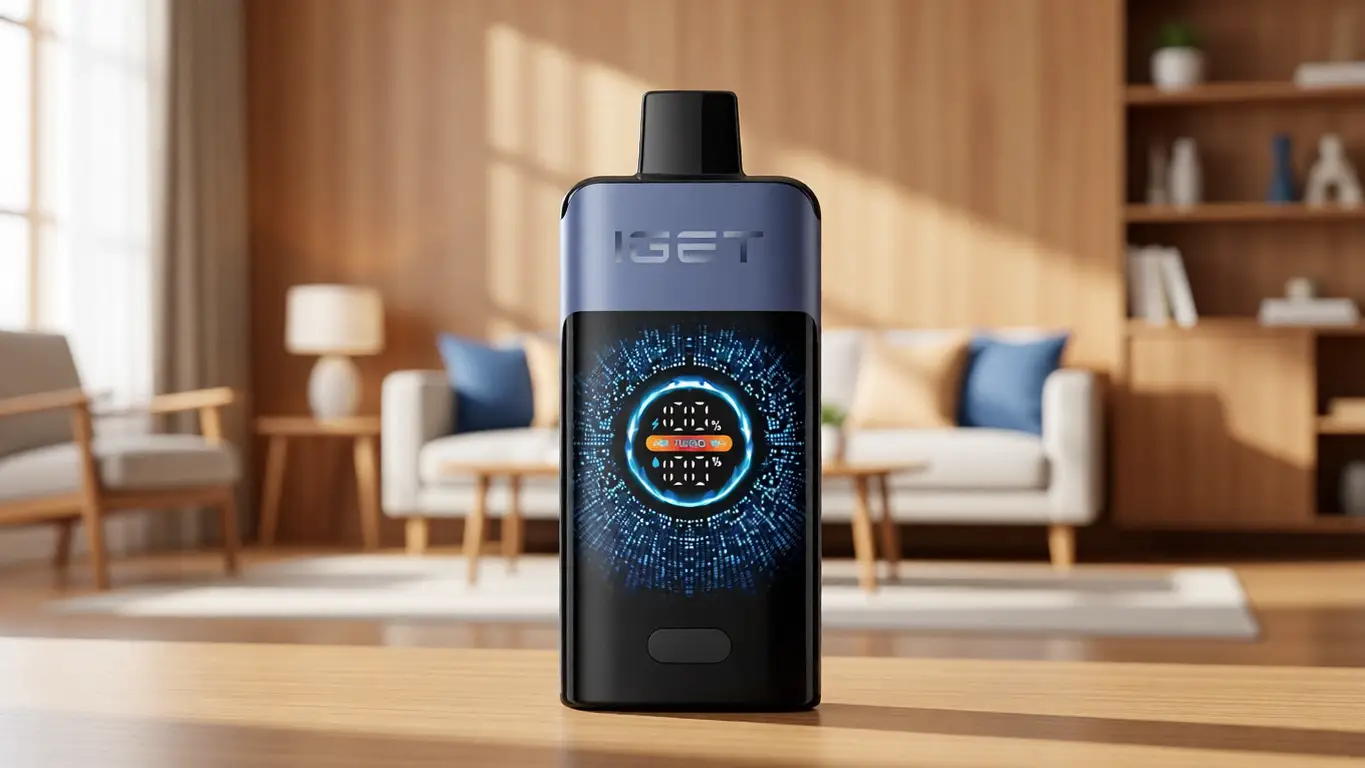
Internal architecture and output stability. In a sealed device, the resistance of the heating mesh, the porosity of the wicking material, the viscosity of the e‑liquid, and the discharge curve of the lithium cell are all tuned together during development. This produces a flat output profile: the first draw and the five‑hundredth draw feel nearly identical, assuming proper storage. A cart, by contrast, places the e‑liquid and coil in the hands of a separate manufacturer from the battery maker. Even when both components are well‑built, the lack of co‑optimisation can lead to performance drift as the battery voltage sags.
Power management and status transparency. Well‑engineered disposables incorporate smart power regulation that prevents the battery from delivering current spikes when the device sits idle. ALIBARBAR devices have refined this to the point where the user receives unambiguous feedback: a clear indicator signals when the supply is critically low or depleted. Many cart batteries offer only a single‑colour LED that flashes for multiple error states, leaving the user to guess whether the issue is the cart, the charge, or the device’s internal protection circuitry.
Materials and physical integrity. A sealed device body eliminates the threaded connection that is the most common failure point on cart systems. Stripping, cross‑threading, and poor contact are simply not possible on a unit that has no user‑detachable components. The outer finish is also engineered for the life of the product – matte coatings that resist pocket wear, mouthpieces contoured for comfort during prolonged use, and no moving parts that can collect debris. These are practical outcomes of designing a complete product rather than linking two separately sourced items.
Understanding this engineering perspective helps explain why many adult users who have experienced both form factors eventually settle on integrated devices for daily reliability, even if they value the flexibility of carts for occasional variety.
Cartridges and Modular Systems: Flexibility at a Cost
The opposite side of the design spectrum is the cart system, which prioritises interchangeability over end‑to‑end integration. This approach has real appeal for a specific set of use patterns, but it also introduces complexity that is often glossed over in product descriptions.
How a cartridge system functions. A typical cart consists of a mouthpiece, a central chimney, a reservoir (usually glass or food‑grade polymer), and a small heating element at the base surrounded by a wicking material. The bottom of the cart has a threaded 510 connector with a positive pin at the centre and the threading as the negative return. When the cart is screwed onto a battery, the battery’s control board supplies a regulated voltage to the heating element. Many modern cart batteries offer variable voltage settings, pre‑heat functions, and haptic feedback.
The reliability gap. Because the user is responsible for the mechanical connection each time a cart is attached, the system is only as good as that connection. Over‑tightening can depress the battery’s centre pin. Under‑tightening causes intermittent firing. Condensation build‑up around the threading can create a sticky residue that attracts pocket lint and eventually interferes with electrical contact. Skilled adult users manage these variables without issue, but for a less experienced user the cart system introduces multiple points of potential failure that a sealed device avoids entirely.
Flavour variety vs. consistency. The headline advantage of carts is that a user can keep several pre‑filled cartridges in rotation and swap them in seconds. This is meaningful for someone who wants to alternate profiles throughout the day. However, cart performance per unit varies. A batch of cartridges from one production run may wick slightly differently from the next. Coil resistance tolerances can shift the power draw. The battery’s voltage output may not be optimised for each variation. The result is that taste consistency, draw after draw, is harder to guarantee than with a factory‑matched disposable where every unit of a given model runs the same hardware under tightly controlled conditions.
The cart system is a legitimate, mature product category. The distinction this article draws is not about superiority; it is about fit. The user who is comfortable with routine maintenance and enjoys tinkering may find cart systems engaging. The user who wants grab‑and‑go reliability with zero diagnosis time will lean toward a complete device.
Matching Your Routine to the Right Form Factor
The most effective way to choose between a vape and a cart is to examine your own daily rhythm rather than compare specifications in isolation. The following framework, used by technical product evaluators, helps translate lifestyle into hardware requirements.
Diagnostic question 1: “How many different mediums do I plan to use over a typical week?” If the answer is one or sometimes two, a sealed device prevents the dead‑carriage problem – carts that sit half‑used and eventually leak or clog because they were forgotten. If you genuinely rotate four or five profiles, cartridges offer an obvious organisational benefit.
Diagnostic question 2: “Do I have a reliable way to charge, and am I prepared to carry a spare battery?” An integrated device arrives with a specific rated life and requires no charging ritual. If the device is depleted, it is replaced. A cartridge system demands that the battery be recharged and possibly carried alongside spare carts. In a travel scenario or a long workday where access to power is uncertain, this obligation becomes a hidden source of anxiety.
Diagnostic question 3: “How much do I value consistent draw sensation from first to last?” Factory‑calibrated disposables deliver remarkable consistency because every component is new and matched. Cart systems inevitably involve a re‑used battery that ages over cycles. A user sensitive to minor changes in warmth, draw resistance, or vapour density will notice the difference around the battery’s hundredth charge cycle. That is not a defect; it is a design characteristic.
Diagnostic question 4: “What does my budget and waste consciousness prefer?” The initial outlay for a cart battery plus a pack of carts is higher than a single disposable, but the per‑use cost can be lower over time, provided the battery lasts. Some users prefer the psychological simplicity of buying one product, using it to completion, and buying another. Others are comfortable with a modular spend that separates hardware from consumable. There is no universal correct answer, only the answer that aligns with your personal accounting.
Walking through these four questions before browsing a catalogue will significantly reduce the likelihood of a mismatched purchase. It is a discipline we see employed by long‑term users at OZVAPE Shop who have learned to prioritise their own habits over marketing narratives.
Common Selection Errors and Industry Observations
A calm, industry‑level look at the market reveals patterns of behaviour that consistently degrade user satisfaction. Four errors are especially prevalent.
Error 1: Equating visual similarity with functional equivalence. Slim, pen‑shaped disposables resemble many 510 cart batteries in appearance. Users sometimes purchase a cart assuming the product will function out of the box, only to discover they have bought a component that requires a separate battery. This happens most often with impulse purchases at physical counters where the packaging does not clearly distinguish between a complete device and a cartridge.
Error 2: Prioritising one specification while ignoring complementary factors. A cart may be rated for a large fill volume, but if the battery it is paired with cannot deliver stable voltage across the entire discharge cycle, that capacity is undermined. Similarly, a disposable may advertise an impressive draw count, but if the power management does not prevent the battery from sagging, the final quarter of the device’s life will taste weak. Evaluation must consider the system, not just headline numbers.
Error 3: Assuming a low upfront price equals value. A cheap disposable that delivers half its advertised draws because of poor internal regulation is not a bargain. A cart battery that fails after three weeks of use will erase any savings from the cartridge format. Value is better assessed by considering the total cost across the expected period of use, including the time and inconvenience of dealing with a defective unit.
Error 4: Misunderstanding category terminology. Some product descriptions call a sealed pod a “cart” and some call a refillable cart a “tank pod.” Manufacturers do not always speak a common language. While this article provides a clear technical boundary, the real‑world advice is to always check whether the product listing includes a battery, whether the reservoir is pre‑filled, and whether the unit is designed to be recharged or replaced. Reading the specification table carefully, not just the marketing headline, is the single most reliable habit a buyer can cultivate.
These observations are drawn from long‑term exposure to user feedback and supply‑chain patterns. They are not criticisms of any single brand or product category, but rather a recognition that genuine understanding prevents the kind of small, accumulating frustrations that lead people to abandon a particular form factor entirely.
Frequently Asked Questions
Q: Is a “disposable vape” the same as a “cart”?
A: No. A disposable vape is a fully integrated device that arrives pre‑filled, pre‑charged, and sealed. It is used until the medium or battery is exhausted and then responsibly disposed of. A cart is a replaceable cartridge that must be connected to a separate battery.
Q: Can I refill a cart?
A: Some carts are designed to be refillable, with removable mouthpieces and access to the reservoir. Others are factory‑sealed and cannot be refilled without risking damage or leakage. The product description will specify whether the cart is pre‑filled or refillable.
Q: How do I know if a product needs a separate battery?
A: Look for phrases such as “cartridge only,” “510 threaded,” or “battery sold separately.” These indicate the item is a component, not a complete device.
Q: What kind of battery fits a 510 cart?
A: Any battery with a 510‑threaded connection and compatible power output can work, but performance varies. Fixed‑voltage batteries (commonly 3.3–3.7 volts) are simple and widely available. Variable‑voltage batteries offer more control. Always confirm the cart manufacturer’s recommended voltage range.
Q: How long does a 1000‑mAh cart battery last?
A: With a typical medium‑resistance cart, a fully charged 1000‑mAh battery can deliver roughly 200–250 draws before needing a recharge. Battery lifespan declines gradually with charge cycles; most properly maintained batteries last 6–12 months of regular use.
Q: Why do some disposable vapes taste better than a cart on a fancy battery?
A: Taste is a function of coil design, wicking material, e‑liquid formulation, and power delivery. A factory‑matched disposable tunes all these variables together. With a cart and battery, each component may be individually good, but they were not optimised as a unified system, so the result can feel less cohesive.
Q: How can I verify the authenticity of a sealed device like an ALIBARBAR INGOT?
A: Purchase from an authorised, traceable source. At OZVAPE Shop, every unit in the ALIBARBAR range is factory‑certified and delivered in sealed packaging with batch codes that can be checked on the manufacturer’s verification portal. Counterfeit devices often show inconsistencies in packaging and lack a verifiable trace.
Q: Is it safe to carry a cart and battery in a pocket?
A: It is safe if the battery has a proper power‑off function or the cart is detached. The main risks are accidental activation if a button‑activated battery presses against items in a pocket, or damage to the threaded connector. Many users prefer a protective case when carrying cart components loose.
Q: Can I recycle a disposable vape?
A: The lithium‑ion cells and electronic components inside disposables can be recycled through dedicated e‑waste streams. Availability depends on local facilities. Adults are encouraged to check for take‑back programmes and never dispose of devices in general waste if a recycling option exists.
Q: Should a beginner start with a cart system or a sealed device?
A: Most beginners find a sealed, pre‑filled device simpler because it eliminates compatibility and maintenance variables. Once familiar with the experience, moving to a cart system becomes an informed choice rather than a confusing trial.
Conclusion
The difference between a vape and a cart is not about brand affiliation or price point—it is about whether you are purchasing a complete, integrated tool or an interchangeable component that relies on separate hardware. A vape arrives as one self‑sufficient unit; a cart is designed to be coupled with a battery the user must supply and maintain.
This distinction shapes every aspect of the user experience: reliability, consistency, portability, and even the trustworthiness of the supply chain. Individuals who understand these categories are better equipped to match a product to the way they actually live, not to the way a product is advertised. A factory‑sealed device like those in the ALIBARBAR series draws its strength from system‑level optimisation, while a cart system rewards the user who values variety and is willing to manage the overhead that flexibility demands.
Sourcing through a documented channel such as OZVAPE Shop ensures that whatever form factor you choose comes with clear specifications, traceable origin, and post‑purchase accountability—factors that become especially important when navigating the market’s frequent ambiguity between device and component. The right choice is not the one that generates the loudest claims; it is the one that fits seamlessly into your routine with the fewest surprises.