
VAPE FAQs
Is Vape Bad For Kidneys?

May
It begins as a quiet, nagging concern. You hear fragments of conversation. A headline scrolls past. Someone in a forum asks the question directly, and the answers range from dismissive to alarming. For the growing number of adults who rely on portable electronic vapour devices, uncertainty about long-term physiological effects has become a persistent background hum. And of all the organs people quietly worry about, the kidneys — those silent, hardworking filters we rarely think about until something goes wrong — sit near the top of the list.
The difficulty is real. Public health messaging is often polarised. Academic papers are dense and hedged with “further research is needed.” Meanwhile, everyday users are left trying to reconcile dramatic social media claims with dry toxicology reports. The purpose here is not to deliver a verdict, because the data does not permit one. Instead, we will walk through what is actually known, what can reasonably be inferred, and what remains unanswered — providing the clearest picture possible so you can weigh the evidence yourself. At OZVAPE Shop, our role is not to push a particular conclusion. It is to ensure that anyone who chooses to use these devices does so with access to transparent, thoughtfully sourced information and factory-certified equipment. That means confronting difficult questions head-on, without oversimplification.
Understanding What Matters: The Kidney-Related Factors
To move beyond guesswork, it helps to isolate the specific mechanisms through which vapour exposure might — or might not — affect renal tissue. The kidneys are remarkably resilient, but they are also highly vascular and concentrate substances from the bloodstream. Any compound that circulates systemically after inhalation will pass through them. So instead of asking a broad, almost unanswerable question, we can break it down into a series of focused, evidence-grounded queries.
The Chemical Composition of Inhaled Aerosol
When a device heats a liquid, the resulting aerosol is not simply “water vapour.” It is a complex mixture whose precise constituents depend on the formulation, the heating temperature, and the condition of the hardware. The base — typically propylene glycol and vegetable glycerol — is generally recognised as safe for ingestion but behaves differently when heated and inhaled. The kidney’s job is to clear these compounds from circulation. For a healthy individual, occasional exposure is unlikely to present an acute challenge. The concern, if any, emerges from chronic, high-volume exposure over years, where the cumulative metabolic load on renal clearance mechanisms has not been adequately studied in large longitudinal cohorts.
A genuine worry is the presence of unintended by-products. When a device’s heating element degrades, or when the liquid is subjected to inconsistent thermal control, thermal decomposition can generate aldehydes such as formaldehyde and acrolein. These compounds are known nephrotoxins at sufficient concentrations. The engineering quality of the device, therefore, is not merely a matter of user satisfaction — it has a direct, albeit indirect, relevance to the chemical profile of what enters the lungs and, eventually, the bloodstream.
Nicotine and Renal Haemodynamics
Nicotine is a vasoactive substance. It transiently raises blood pressure, increases heart rate, and alters intrarenal blood flow. In individuals with pre-existing hypertension or early-stage renal impairment, repeated daily vasoconstriction could theoretically accelerate the progression of kidney damage. The real-world significance, however, is difficult to separate from background lifestyle factors. Many adult users of nicotine-containing products also have other risk factors for renal decline. What can be said with reasonable confidence is that someone with diagnosed kidney disease, or with strong risk markers such as uncontrolled hypertension, would be well advised to discuss any nicotine exposure — regardless of delivery method — with their clinician.
Dehydration and Electrolyte Disturbance
A less dramatic but potentially underappreciated factor is the effect on fluid balance. Propylene glycol and glycerol are hygroscopic; they attract and hold water. Chronic inhalation can contribute to a mildly dehydrated state, particularly if the user’s baseline water intake is marginal. The kidneys are exquisitely sensitive to hydration status. Persistent low-grade dehydration raises the concentration of solutes in the urine and places additional stress on glomerular filtration. While this is unlikely to cause injury in a healthy person with normal thirst mechanisms, it could become relevant for individuals who work in hot environments, exercise heavily, or already have a tendency toward insufficient fluid intake.
Heavy Metals and Contaminant Leaching
The physical construction of the device matters. Poorly manufactured heating coils can release trace amounts of metals — nickel, chromium, and in rare cases, lead — into the aerosol. The kidneys are a primary site of heavy metal accumulation. This is where supply chain integrity becomes more than a retail slogan. Devices sourced from uncertified manufacturers with no documented quality control introduce a variable that no responsible user should accept. The difference between a coil that operates cleanly and one that sheds metal particulates is invisible to the naked eye but significant at a renal level over extended periods of exposure.
Flavour-Specific Compounds and Renal Metabolism
This is perhaps the most opaque area. Flavour concentrates contain dozens of individual compounds, many of which were originally designed for food use, not for heating and inhalation. The metabolic pathways involved in clearing these substances after pulmonary absorption are not fully mapped. Some esters and aldehydes used in flavouring have shown cytotoxicity in bronchial epithelial cell studies; their effect on renal tubular cells is less studied. Until more robust, compound-specific data emerges, the safest interpretive position is that flavourings represent an area of genuine scientific uncertainty, not an established hazard. Users who wish to minimise unknown variables often choose unflavoured or very simple formulations when those are available.

Applying This Knowledge to Personal Decision-Making
Knowing these factors is one thing. Integrating them into your own life requires honest self-assessment. The question “is it bad for the kidneys?” cannot have a single answer because “it” is not a single entity. A sealed, factory-calibrated device with transparent ingredient disclosure and consistent power management presents a different physiological proposition than a device of uncertain origin with unknown wicking materials and unlisted flavour components. And a 25-year-old with robust renal function faces different considerations than a 55-year-old with borderline creatinine levels.
When you walk through the criteria above, you will notice a pattern. The most controllable elements are not the internal metabolic pathways — those are, for any individual, largely fixed — but rather the external ones: the engineering integrity of the device, the transparency of the supply chain, and the daily usage pattern. It is precisely these external elements that a responsible retail environment can influence. OZVAPE Shop takes the position that adults are entitled to know the lineage of the device they use every day. Factory-certified inventory, documented specification sheets, and a supply chain that can be traced back to the manufacturer are not luxury attributes. In the context of long-term physiological exposure, they are foundational.
A Practical Framework for Evaluating Your Own Situation
If the goal is a clear-eyed decision rather than a reactive one, a structured approach helps. Consider the following diagnostic steps:
Document your actual usage. Write down, over a week, how many puffs you take each day, at what device settings, and with what formulation. Most people underestimate their consumption. You need an accurate baseline.
Review the device’s thermal control mechanism. Does it maintain a consistent temperature range, or does it allow wide swings that could promote decomposition? If the packaging and manufacturer specifications are silent on this, treat that silence as a data point.
Check the ingredient disclosure of your liquid. If it lists only “propylene glycol, vegetable glycerol, nicotine, and flavourings” without detail, you are operating with less information than you could have. Ask the retailer — if they cannot provide a full component breakdown, consider that a limitation.
Assess your kidney health baseline. A simple blood panel — serum creatinine, eGFR — and a urine dipstick are inexpensive and readily available in Australia through a general practitioner. These are not special investigations; they are standard markers. Knowing your current renal function turns vague worry into a measurable baseline you can monitor over time.
Evaluate hydration habits. For two or three days, record all fluid intake. If you are regularly below 2 litres of water equivalent, and you use a device heavily, you are operating in a zone where the hygroscopic effect of the aerosol may be meaningful. Adjusting hydration first is a conservative step that costs nothing and carries no risk.
Identify any concurrent nephrotoxic exposures. Common ones include chronic use of non-steroidal anti-inflammatory drugs (ibuprofen, naproxen) and certain prescription medications. Vapour exposure does not happen in a vacuum; the kidney experiences a total load. If multiple potential stressors are present, a precautionary conversation with a healthcare professional is warranted.
This kind of self-assessment does not produce a binary “safe/unsafe” output, and that is precisely its value. It replaces an unanswerable global question with a series of answerable, personal ones.
Common Errors and Industry Observations
When people search for a clear health verdict, they often fall into predictable reasoning traps. Recognising these can prevent unnecessary anxiety or unwarranted reassurance.
1. Mistaking a lack of proven catastrophe for proof of safety. The absence of a cluster of acute kidney failure cases linked to vapour device use is not the same as evidence that chronic, low-grade exposure is benign. Renal decline is typically slow, multifactorial, and hard to attribute. We simply do not have multi-decade epidemiological data tracking exclusive device users. Any statement of absolute safety is an extrapolation, not a finding.
2. Assuming all devices are equivalent because they look similar. The external casing tells you nothing about the metallurgy of the coil, the stability of the power management chip, or the purity of the wicking material. One device may produce a relatively clean aerosol; another, visually indistinguishable, may introduce contaminants. This is why the supply chain matters. A retailer that cannot name its authorised distributor adds a layer of opacity that a user should find unacceptable.
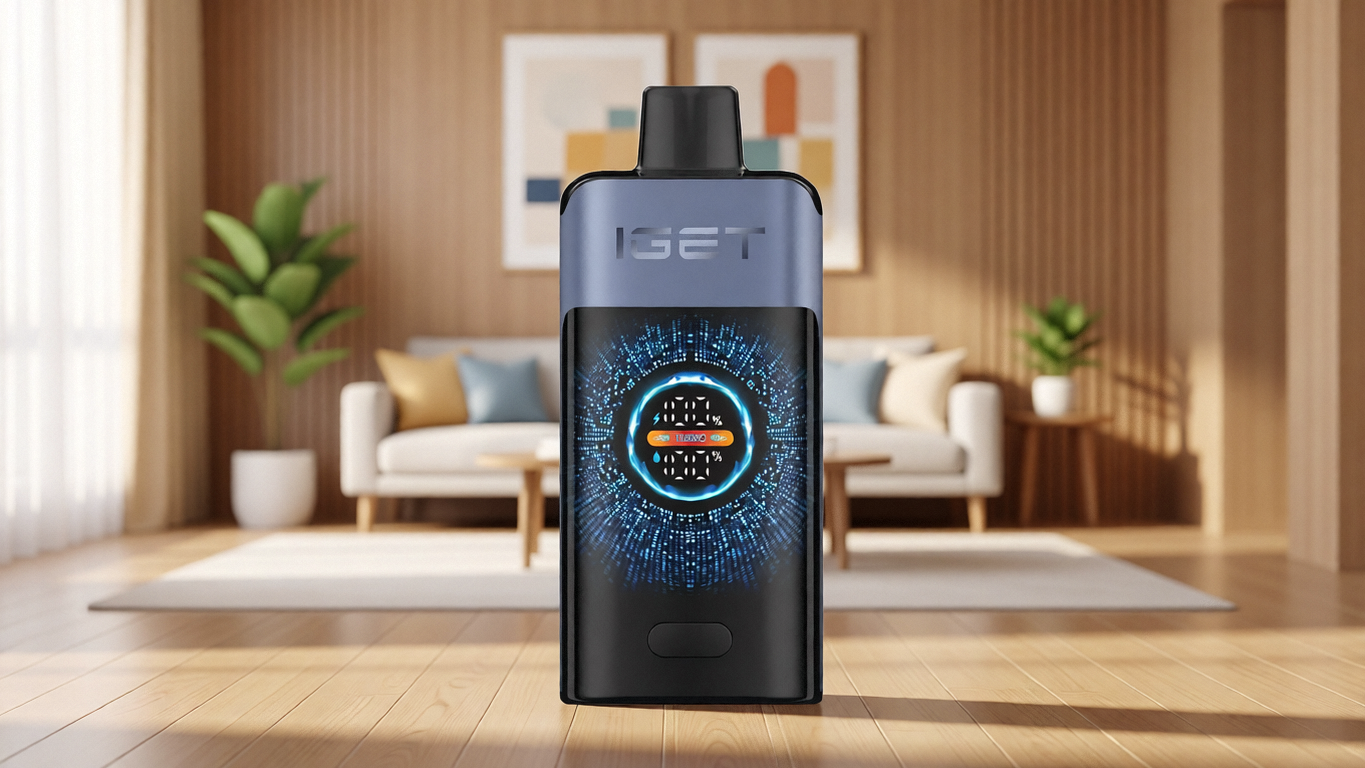
3. Over-focusing on one organ. The kidney does not exist in isolation. Cardiovascular effects of nicotine, respiratory effects of inhaled aerosols, and systemic effects of flavour compounds all interact. A decision based solely on renal risk, ignoring the broader physiological picture, can produce a distorted assessment. The most prudent approach weighs the total systemic load against your individual health profile.
4. Treating “natural” or “organic” labelling as a safety guarantee. These terms are marketing descriptors, not toxicological categories. A naturally derived flavour compound can still, when heated and inhaled, decompose into reactive aldehydes. The origin of a molecule is less relevant than its thermal stability and metabolic fate.
From an industry perspective, the pressure to minimise health discussions is strong. Many manufacturers provide only the bare minimum of technical detail, and some retailers actively avoid the topic altogether. We see a different route. OZVAPE Shop’s documented commitment to transparency — authorised supply networks, published specifications, and a willingness to engage with uncomfortable questions — stems from a simple conviction: informed users make better decisions for themselves. No one benefits when ambiguity is mistaken for implied safety.
Frequently Asked Questions
Q: Does vaping directly cause kidney disease?
A: There is currently no direct evidence that vapour device use, in isolation, causes kidney disease in otherwise healthy individuals. However, the lack of long-term exclusive-use cohort data means that a definitive statement of zero risk is not scientifically supportable.
Q: Can nicotine from vaping raise blood pressure enough to harm kidneys?
A: Nicotine does cause transient elevations in blood pressure. In someone with poorly controlled hypertension or pre-existing renal impairment, repeated daily vasoconstriction could contribute to disease progression. The magnitude of this effect varies by individual.
Q: Are heavy metals in vapour a real concern for kidneys?
A: Yes, but the risk is device-dependent. Poorly manufactured coils can leach metals such as nickel, chromium, and lead into the aerosol. The kidneys accumulate heavy metals over time. Using devices from authorised, quality-controlled sources minimises this exposure pathway.
Q: Does dehydration from vaping affect the kidneys?
A: Propylene glycol and glycerol are hygroscopic and can contribute to mild dehydration, especially in high-volume users or those with low fluid intake. Chronic low-grade dehydration increases renal workload. Maintaining adequate hydration is a simple, effective mitigation.
Q: Should someone with existing kidney problems use vapour devices?
A: This is a decision that should be made with a treating clinician. Given the multiple variables — nicotine, dehydration potential, and chemical exposure — a personalised risk assessment based on current renal function, blood pressure, and medication profile is essential.
Q: Are nicotine-free devices safer for the kidneys?
A: Removing nicotine eliminates the vasoactive stressor, but the base solvents, flavour compounds, and potential contaminants remain. The overall chemical load is reduced, not eliminated. The same device-quality and ingredient-transparency considerations apply.
Q: How can I be sure the device I use is manufactured to a consistent standard?
A: Ask the retailer whether they source from factory-authorised distribution channels and whether they maintain documented traceability. A reputable retailer will answer directly and can provide evidence of supply chain integrity.
Q: Are some flavours worse for kidneys than others?
A: In theory, yes, but data on specific compounds and renal metabolism is extremely limited. Flavourings represent a genuine area of scientific uncertainty. Users wishing to minimise unknown variables often select formulations with simpler ingredient profiles.
Q: What should I do if I’m worried about my kidney health and I use a vapour device?
A: Start with a blood test (serum creatinine, eGFR) and urine analysis through your GP. Combine this with a hydration audit and a usage diary. These objective data points will allow you to have an informed conversation with a healthcare professional rather than relying on generalised online information.
Q: Does OZVAPE Shop provide guidance on health-related questions?
A: We provide access to detailed, factory-certified product specifications and documented supply chain information. For personal health concerns, we encourage consultation with a qualified clinician. Our role is to ensure that the device itself does not add avoidable uncertainty.
Where Certainty Ends and Personal Judgment Begins
If this discussion feels incomplete, that is because it is. The scientific literature on the renal effects of chronic vapour exposure is thin, and the studies that do exist often involve multiple confounders. That said, incompleteness does not mean there is nothing useful to say. The most defensible position, based on current knowledge, is that the risk to the kidneys from these devices is modulated far more by device quality, ingredient transparency, and individual health status than by the category itself.
You cannot control how your renal tubules metabolise a particular aldehyde, but you can control whether you use a device with documented thermal stability. You cannot rewrite your genetic predisposition, but you can know your current kidney function through a simple blood test. These are the levers that actually move risk.
At OZVAPE Shop, we believe that a responsible retail relationship includes this sort of honest articulation of what is known and what is not. Our platform exists to provide authorised, traceable access to devices for adults who have made a personal decision to use them. That function — delivering factory-certified equipment with transparent specifications — is the most meaningful contribution a retailer can make to user safety. Everything else is best left to the individual, informed by their own healthcare provider and their own careful reflection.
The right answer to the question that started this is not a single word. It is a process: understand the factors, assess your own body, choose your equipment with care, and stay curious enough to update your assessment as the evidence evolves.