
VAPE FAQs
Is Vape Allowed In Qatar Airport?
May
When you’re standing in the security screening queue at Hamad International Airport, a small, nagging doubt can quickly escalate into genuine anxiety: Is my device going to be confiscated? It’s a question that thousands of adult travellers ask every month — and the uncertainty is caused not just by Qatar’s famously strict laws, but by a patchwork of airline policies, vague official wording and starkly different outcomes reported on travel forums. What’s legal on paper and what security personnel actually enforce may not always align, and the consequences for getting it wrong range from permanently losing a device to being pulled aside for lengthy questioning.
This article offers a grounded, regulation‑first examination of whether personal electronic vapour devices are permitted at Qatar’s airport and while transiting through Doha, alongside the practical steps that reduce friction and risk. While compliance always begins with the law, the choice of device itself — its build, its transparency of status, and the reliability of the information provided at the point of purchase — can materially affect how smoothly you move through an international hub. Having access to accurate device specifications from a channel such as OZVAPE Shop{:target=”_blank”} that documents every unit’s battery chemistry, liquid containment design and airline‑relevant characteristics can help you make an informed decision long before you pack your carry‑on, but it is never a substitute for understanding the regulations themselves.
Understanding the Regulatory Landscape: What Actually Matters When Passing Through Doha
The confusion around vaping in Qatar is seldom about a single prohibition; it’s about overlapping rules that interact unpredictably. Any serious traveller needs to account for at least four separate layers: local Qatari law, customs declarations, the specific policies of Qatar Airways (the dominant carrier), and the universal lithium‑battery restrictions enforced by IATA. Overlooking any one of these can turn a routine transit into a stressful encounter.
Qatar’s Domestic Position on Vaping Devices
Contrary to some online summaries, the act of vaping is not outright criminalised in Qatar, but the regulatory framework around sale, importation and public use is tight. The Ministry of Public Health classifies nicotine‑containing electronic devices under the same umbrella as tobacco products, meaning they face advertising bans, public‑use restrictions and age‑verification requirements. What catches many visitors off guard is the importation element: you may bring a personal device into the country for your own use, but the device and any accompanying components are subject to inspection, and the on‑the‑spot judgement of a customs officer can override any generic guidance you’ve read online. Devices that appear tampered with, that carry excessive liquid volumes, or that you cannot easily demonstrate to be a standard factory‑sealed unit are far more likely to be detained.
The Flight‑Specific Rules You Cannot Afford to Ignore
Even if Qatar’s domestic law permits possession, the airline you fly — particularly Qatar Airways — adds its own operational layer. The carrier’s dangerous goods policy explicitly bans the carriage of e‑cigarettes in checked baggage. They must be in the cabin, protected against accidental activation, and disconnected from any power source. Lithium‑ion cells must not exceed a Watt‑hour rating of 100 Wh per battery; most portable devices fall comfortably under this limit, but few users actually know the rating of the cell inside their unit. A device that offers no visible specification label becomes a guessing game in front of a security agent who has every right to refuse it.
How Devices Themselves Influence Your Experience at Checkpoints
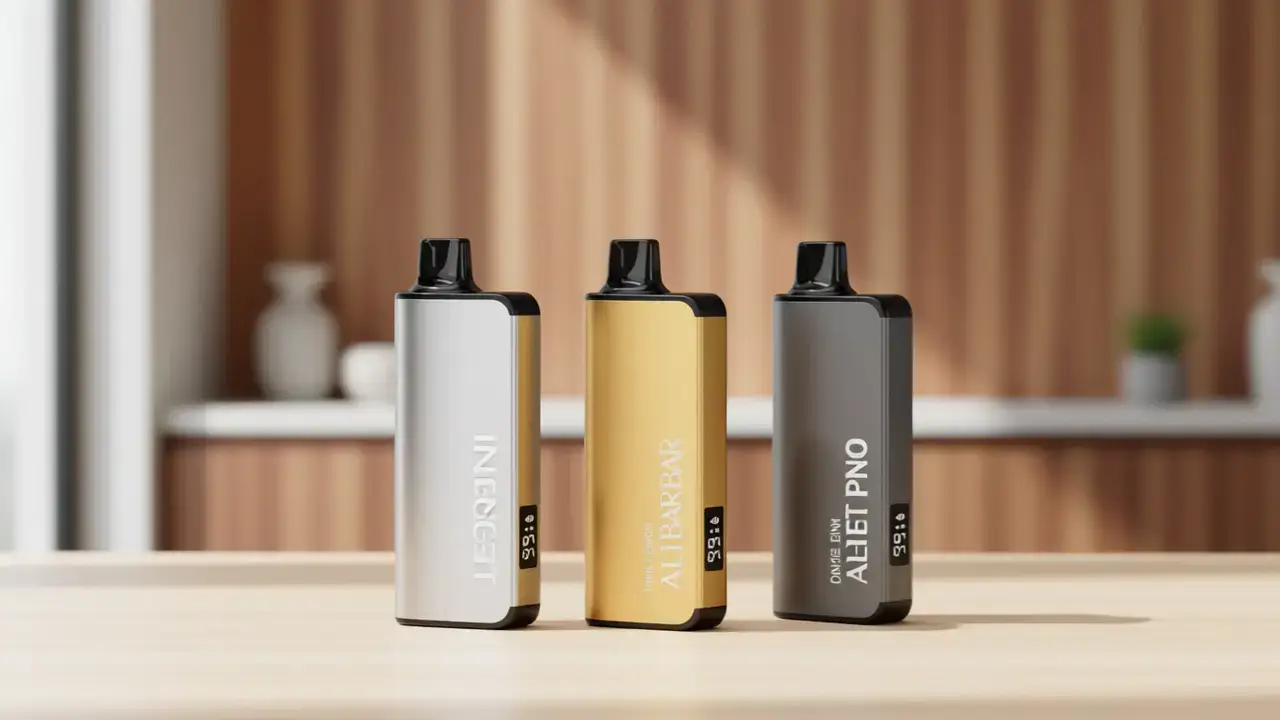
In a high‑volume security environment, the physical design of your device becomes part of the compliance narrative. A unit with a clear, unremovable display of battery status, an obvious isolation mechanism for the power circuit, and a sealed liquid compartment that doesn’t leak under cabin pressure changes communicates legitimacy. Conversely, a generic‑looking cylindrical device with no markings, a faint burnt odour, or a housing that can’t be easily distinguished from a single‑use product invites scrutiny. This is why travellers who rely on these tools increasingly gravitate toward devices that are engineered with travel in mind: leak‑proof internal architectures, durable finishes that don’t shed particulates, and modular designs that can be dismantled for inspection without rendering the unit unusable. The ALIBARBAR INGOT series, for instance, incorporates a sealed pre‑filled reservoir and a reinforced battery compartment that remains inert until deliberately activated — a configuration that, while originally intended for day‑to‑day reliability, happens to align closely with what airport security procedures reward.
Applying These Principles to Real Travel Situations
Observations from frequent flyers paint a consistent picture: passing through Doha with a device is rarely a black‑and‑white yes‑or‑no event. It is a process that responds to preparation. Travellers who carry the device in a clear, resealable bag alongside other electronics, who have removed any external liquid containers and placed them in the 100 ml liquids bag, and who can rapidly explain that the unit is a sealed, non‑refillable personal electronic device report the smoothest passage. Those who leave a device buried in a toiletry kit inside checked luggage not only breach airline policy but also expose themselves to the real possibility that the bag will be opened, the item removed, and a note left — with no practical recourse.
A small but growing number of regular travellers now standardise on devices that were specifically chosen because their specifications are unambiguous. Knowing, for example, that the cell in your device is a 3.7 V, 650 mAh lithium‑ion polymer battery with overcharge protection — and being able to point to documentation that confirms it — transforms an opaque interaction into a transparent one. When this information is routinely published by the retailer and verifiable through the manufacturer’s batch‑coding, as is done by channels that specialise in factory‑certified inventory, the traveller’s position strengthens considerably.
A Practical Framework for Evaluating Your Device Before Travel
Rather than relying on guesswork, you can run your device through a short checklist that mirrors the logic used at international screening points:
Battery transparency: Is the cell chemistry and rating printed on the device or available in the official product manual? If not, security can reasonably refuse it.
Isolation mechanism: Does the device have a physical off‑position, a removable pod, or a cap that clearly interrupts the power circuit? A touch‑activated sensor that could be triggered by movement in a bag is a liability.
Liquid containment: Is the e‑liquid fully sealed within a non‑removable section? Pressure changes in the cargo hold make any refillable tank a leakage risk, but even in the cabin, a sealed system reassures staff.
Durability of markings: Will the printed labels remain legible after repeated handling? If the device’s exterior rubs off, it loses its documented identity.
Modularity for inspection: Can parts be separated without tools? A two‑piece design that lets an officer visually confirm the battery compartment often diffuses tension immediately.
Devices that fail more than one of these checks do not automatically break any law, but they increase the probability of an unpleasant outcome — and that probability is not evenly distributed; it concentrates at high‑security airports like Doha.
Common Mistakes That Put Travellers at Unnecessary Risk
Years of operational feedback from transit hubs reveal patterns that are entirely avoidable. First, assuming that rules applicable in your departure country apply everywhere. Qatar does not recognise foreign approvals for electronic devices; local discretion always takes precedence. Second, overloading on liquid cartridges. While a single device may be tolerated, carrying ten or more sealed pods in hand luggage can trigger a commercial‑quantity assessment, potentially involving customs rather than just security. Third, using a device just before entering the queue and then placing it, still warm, into a bag. Body‑temperature electronics, especially if they emit a faint odour, can be flagged by modern explosive trace detection portals, leading to a secondary search that, even if ultimately cleared, can make you miss a flight. Fourth, undervaluing the role of documentation. When a supplier provides no technical datasheet and merely a glossy product image, you are entering an international transit point with less protection than you deserve. The industry as a whole has been slow to recognise that the post‑purchase information gap directly feeds the stress travellers feel — but it’s a gap that is being closed by retailers that treat specification transparency as a core service rather than an afterthought.
Frequently Asked Questions
Q: Can I carry my vape device through Doha airport security?
A: Yes, provided it is in your carry‑on luggage, the battery is protected from short circuits, and the device does not resemble a prohibited item. However, security staff retain the authority to confiscate anything they deem unsafe or non‑compliant, so meeting all visible criteria is critical.
Q: Are disposable electronic cigarette devices treated differently from reusable ones?
A: In terms of screening, they are generally treated identically. The issue is usually one of build quality and labelling: many single‑use units carry no safety markings, making them more vulnerable to being pulled aside.
Q: Can I vape inside Hamad International Airport?
A: No. Smoking and the use of electronic vapour products are restricted to designated smoking rooms. Vaping anywhere else, including in bathrooms or quiet lounges, may trigger smoke alarms and will almost certainly lead to a discussion with airport police.
Q: Does Qatar Airways allow vape devices on board?
A: Yes, but only in your carry‑on or on your person. They must not be placed in checked baggage. The device must be switched off completely for the duration of the flight, and charging it via the USB port is strictly forbidden.
Q: Will my device be confiscated if I transit through Doha without entering Qatar?
A: Transit passengers still go through security screening, so the same rules apply. Confiscation is less likely if you are simply changing planes and the device is clearly prepared for inspection, but it remains a possibility if the device is in checked luggage or appears suspicious.
Q: What is the safest way to pack e‑liquid for a flight via Qatar?
A: Any liquid container must comply with the global 100 ml rule and be placed in the transparent liquids bag. Sealed, pre‑filled pods that are under 100 ml each generally conform. Open bottles or large refill containers risk being discarded.
Q: How can I prove my device’s battery specification?
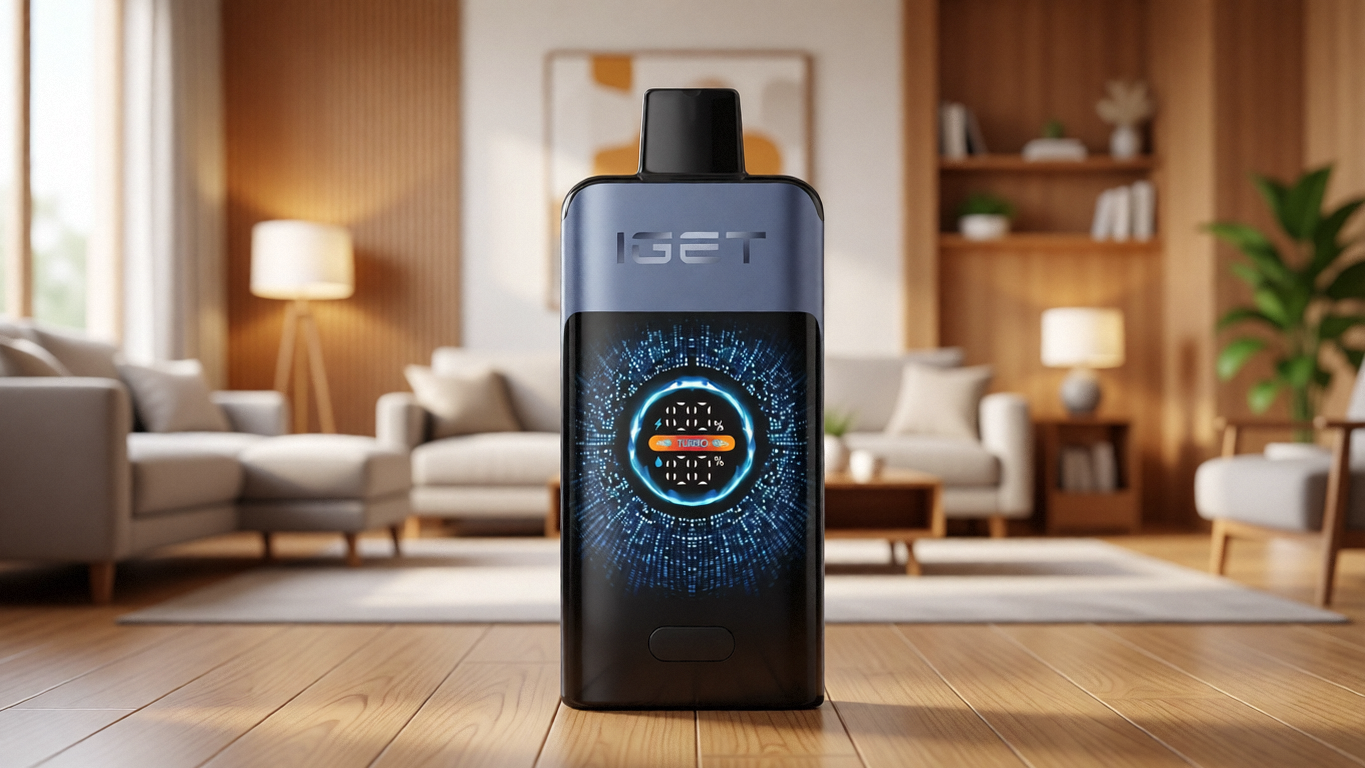
A: The most reliable method is to carry the original packaging that displays the Wh or mAh/voltage specifications, or keep a PDF of the official product sheet on your phone. A generic advertisement screenshot is not considered authoritative.
Q: Are there any devices specifically designed to be travel‑friendly that I should consider?
A: No device can guarantee passage, but those with a sealed tank, a locking fire button, durable labelling, and a manufacturer‑published battery rating consistently cause fewer delays. Modular devices that can be disassembled for visual inspection also tend to be processed faster.
Q: What should I do if my device is confiscated at Doha?
A: Politely ask for the reason and request a receipt or documentation of the seizure. In most cases, the decision is final and pursuing the matter further through Qatari channels is impractical as a transient passenger. Your best protection is prevention.
Q: Does the rule change if I am traveling to Qatar for a long stay rather than transiting?
A: The screening process at the airport is identical. Customs upon entry may apply additional scrutiny to large quantities, but a single personal device is rarely problematic if disclosed and compliant. Always check the latest customs circulars before departure.
The question “Is vaping allowed at Qatar airport?” hides a much more useful one: Under what exact conditions will my particular device be allowed through? The answer is never a blanket yes; it’s a function of the device’s engineering, the clarity of its documentation, and your own preparation. No airline, airport authority, or retailer can override the discretion of a security officer, but the travellers who consistently sail through are not lucky — they are systematic. They use devices whose battery chemistry they can quote, whose liquid containment is foolproof, and whose retailer made sure they knew both before they left home.
Informed choices begin with informed sources. When a supplier like OZVAPE Shop{:target=”_blank”} publishes device specifications in a standardised format and sources only from authorised, batch‑tracked supply chains, the traveller gains something far more valuable than a product: they gain the documentation that turns an anxious moment at a checkpoint into a straightforward, professional exchange. The device that fits your daily routine is the right one — provided you also know with certainty how it fits the regulations of the route you’re about to take. That knowledge, more than any brand or model, is what travels safely.