
VAPE FAQs
Can You Bring A Vape Into A Concert?
May
Here’s a no‑nonsense look at what you actually need to know before walking up to that security checkpoint with a device in your pocket. No scare tactics, no vague advice — just a clear breakdown of policies, practical selection, and why the hardware you choose matters more than most people think.
Introduction
The moment you turn a concert ticket over in your hand, a quiet calculation starts running at the back of your mind: What can I actually bring inside? You know the rules about large bags and professional cameras, but when it comes to personal electronic devices — specifically compact, portable vapour units — the picture gets muddy fast. Venues don’t always state their position clearly, and what one security guard waves through, another might confiscate without explanation.
That ambiguity creates genuine frustration. People end up leaving a perfectly functional device in the car (where summer heat can compromise its internal battery and construction), or they gamble and risk having it taken at the gate. Neither outcome is necessary if you understand what the venue is actually screening for and how your choice of hardware intersects with those concerns.
This article is written to give you that understanding — not to persuade you towards a particular purchase, but to arm you with the knowledge to make a concert‑day decision you won’t regret. At OZVAPE Shop [internal link], we see this question surface repeatedly from adult users who want to enjoy an event without logistical headaches. By the end, you’ll know which design characteristics matter, how to assess a device for real‑world carry, and what common oversights keep landing people in the security line for the wrong reasons.
Understanding What Matters: Core Engineering and Design Factors
The question isn’t just “can you bring it?” but “will your device survive the process — and not create a scene?” If you evaluate any unit through the four structural filters below, you’ll immediately filter out the hardware that is most likely to cause trouble at a live event.
Compact Physical Design and Carry Discretion
A concert is a high‑density, dimly lit environment where bulky objects attract attention. The first thing a security screener notices is an unnatural silhouette in a pocket. Devices with a slim, pen‑like profile or a flat, pebble‑shaped body slip past visual inspection far more readily than those with a large girth or boxy chassis.
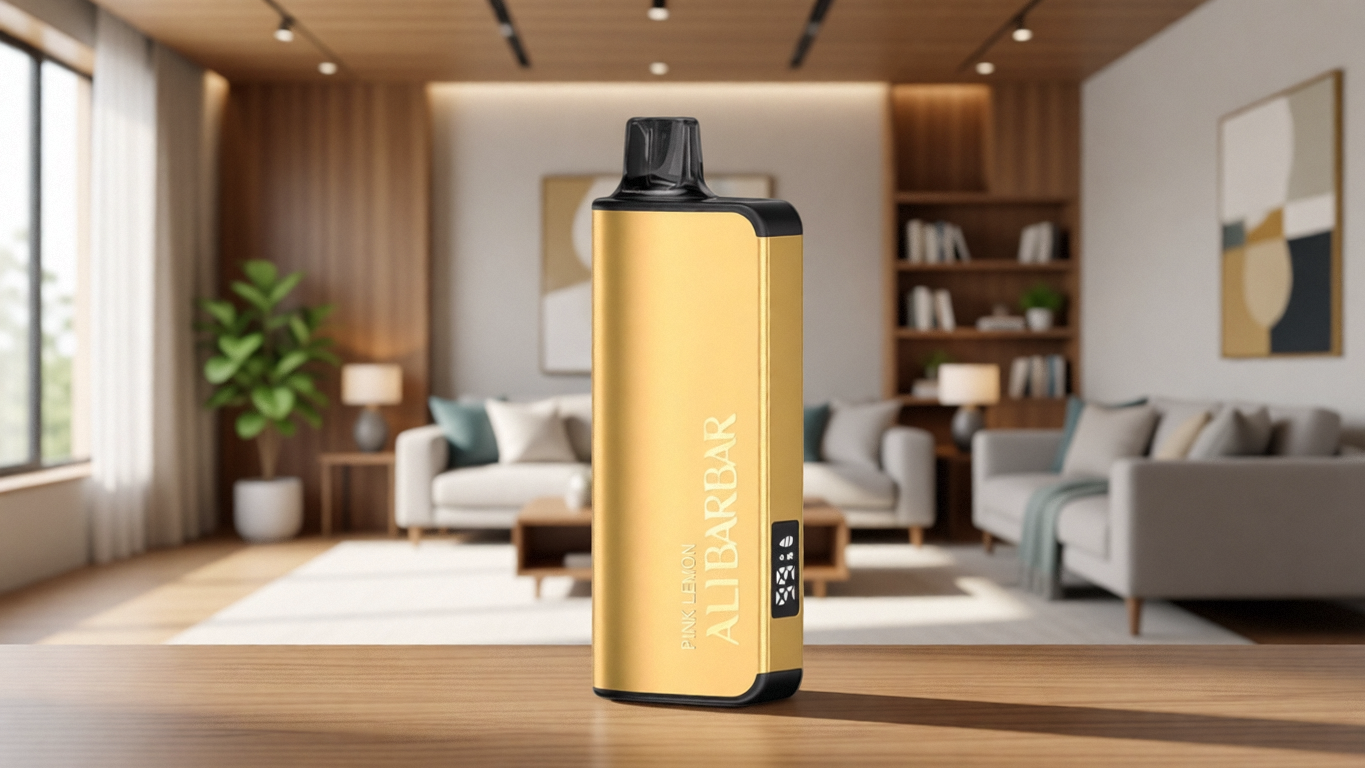
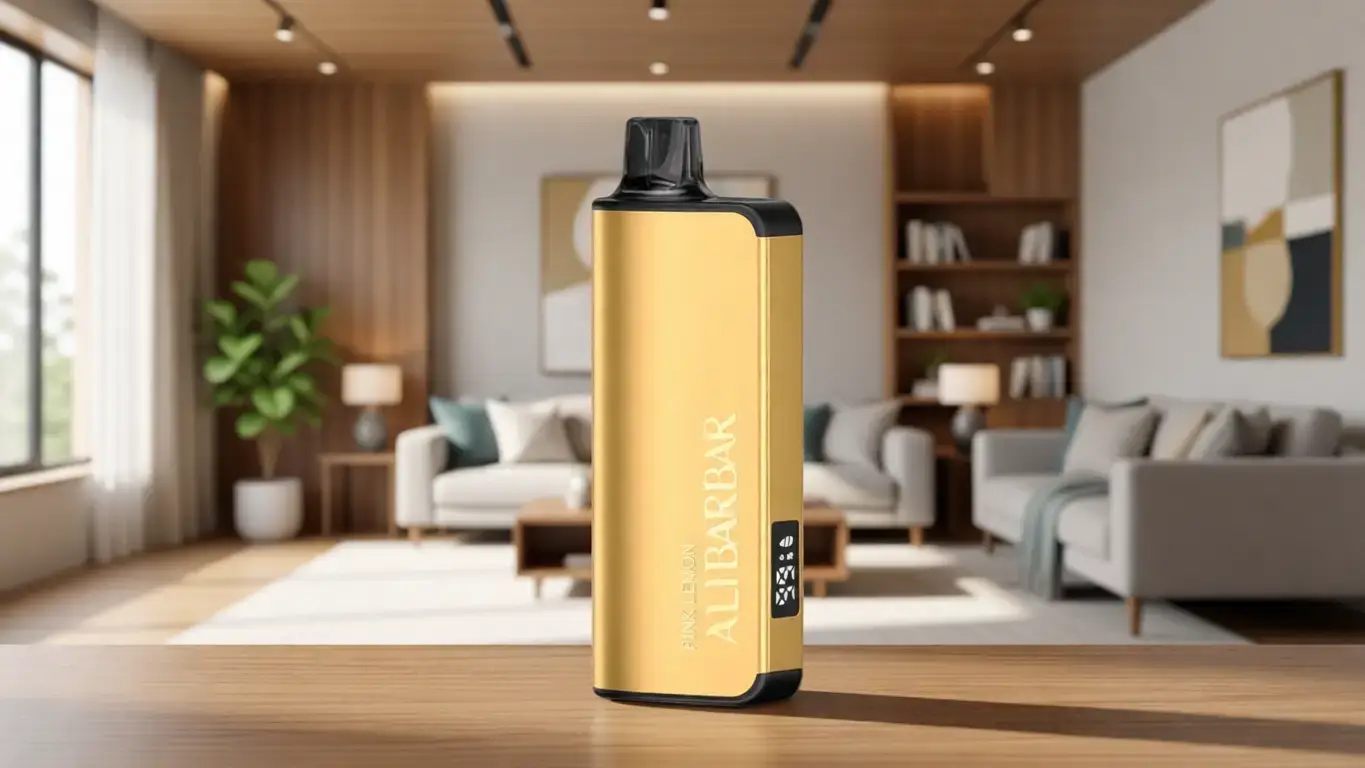
Beyond shape, consider surface treatment. A rubberised, matte finish not only feels less obtrusive in your hand — it eliminates the flash of reflected stage light that a glossy, chrome‑plated unit can produce if you need to retrieve it in the dark. The ALIBARBAR INGOT series, for instance, was consciously engineered with a subdued, soft‑touch exterior that doesn’t broadcast its presence. That’s not a marketing statement; it’s a functional attribute derived from material selection.
Why this matters at a concert: You’ll likely need to clear a metal detector and possibly a pat‑down. A device that creates no obvious ridge in a jeans pocket and doesn’t clank against keys is simply less likely to prompt a secondary check.
Power Management and Predictable Lifespan
Nothing is more frustrating than a device that dies at 8:45 pm when the headliner hasn’t even taken the stage. For a concert that can run three to five hours, you need battery capacity that lasts with room to spare — not just “rated” puffs, but actual sustained output under intermittent use.
Cheaply designed units often suffer from voltage sag as the cell depletes: the experience grows weaker and less consistent over the evening. Better‑engineered devices stabilise power delivery through regulated chipsets. If you see specifications mentioning “constant output” or “steady voltage,” that’s the language of a manufacturer who has addressed this problem directly. The ALIBARBAR INGOT 15000, for example, pairs a high‑capacity cell with a power management system that keeps performance uniform from the first activation to the last — a direct response to the complaint that many devices “lose steam” halfway through a long event.
Leak‑Proof Construction and Orientation Tolerance
Concert environments are dynamic. You sit, stand, jump, get jostled in a crowd, and maybe shove the device into a tight pocket at an odd angle for an hour. A poorly sealed unit can weep liquid into your clothing, leaving a stain and a smell you can’t deal with in a packed venue.
Look for sealed‑pod systems or pre‑filled disposables where the e‑liquid chamber is ultrasonically welded rather than press‑fitted. Top‑fill designs with silicone check valves add another layer of assurance. Many concert‑goers gravitate toward the Ice Adjust 12000 from the ALIBARBAR line precisely because its closed‑architecture cartridge eliminates the possibility of a user‑induced filling mistake, which is the number‑one cause of leaks in open systems. That’s an engineering trade‑off worth understanding, not a brand preference.
Single‑Use vs. Modular: The Logistics Question
If you bring a rechargeable, refillable device, you’re now also carrying spare liquid and possibly a charging cable. That’s additional volume and, in some cases, additional items that venue rules may prohibit. A high‑capacity disposable eliminates those ancillaries entirely — you arrive with one self‑contained unit and you leave with nothing to reclaim.
That simplicity has a direct impact on security checkpoint dynamics. A single, sealed device is easier to declare (if asked) and virtually impossible to misinterpret as something it isn’t. There’s no loose liquid, no separate battery bank, no confusing array of spare parts.
Applying These Criteria to Real‑World Options
Let’s ground the framework in actual hardware. The goal here is not to rank brands, but to show how different need‑states map to different device architectures.
For the “I just want one thing that lasts the whole show” concertgoer: A pre‑filled, high‑count disposable like the ALIBARBAR INGOT 15000 ticks multiple boxes. Its elongated but slim body disappears into a back pocket; the 15000‑puff rating means you’re covered from the opening act through the encore with significant headroom; and the sealed tank eliminates leak anxiety. The downside to any high‑capacity disposable is that you’re discarding a lithium cell after one use, which has an environmental cost you need to weigh for yourself.
For the user who prioritises absolute minimal size: A smaller unit such as the INGOT 9000 sacrifices some capacity for a profile that is truly effortless to conceal. If you’re going to a seated indoor show where you’ll only use it intermittently, that trade‑off makes sense.
For the person who already owns a modular system: Something like a compact pod device from Vaporesso or Uwell can work, but you must factor in the additional items you’ll carry. A key factor is whether the pod is magnetically connected and genuinely secure — loose pods can detach in a pocket during movement, creating a mess. If you go this route, bring only one fresh pod, pre‑sealed, and avoid glass tanks entirely.
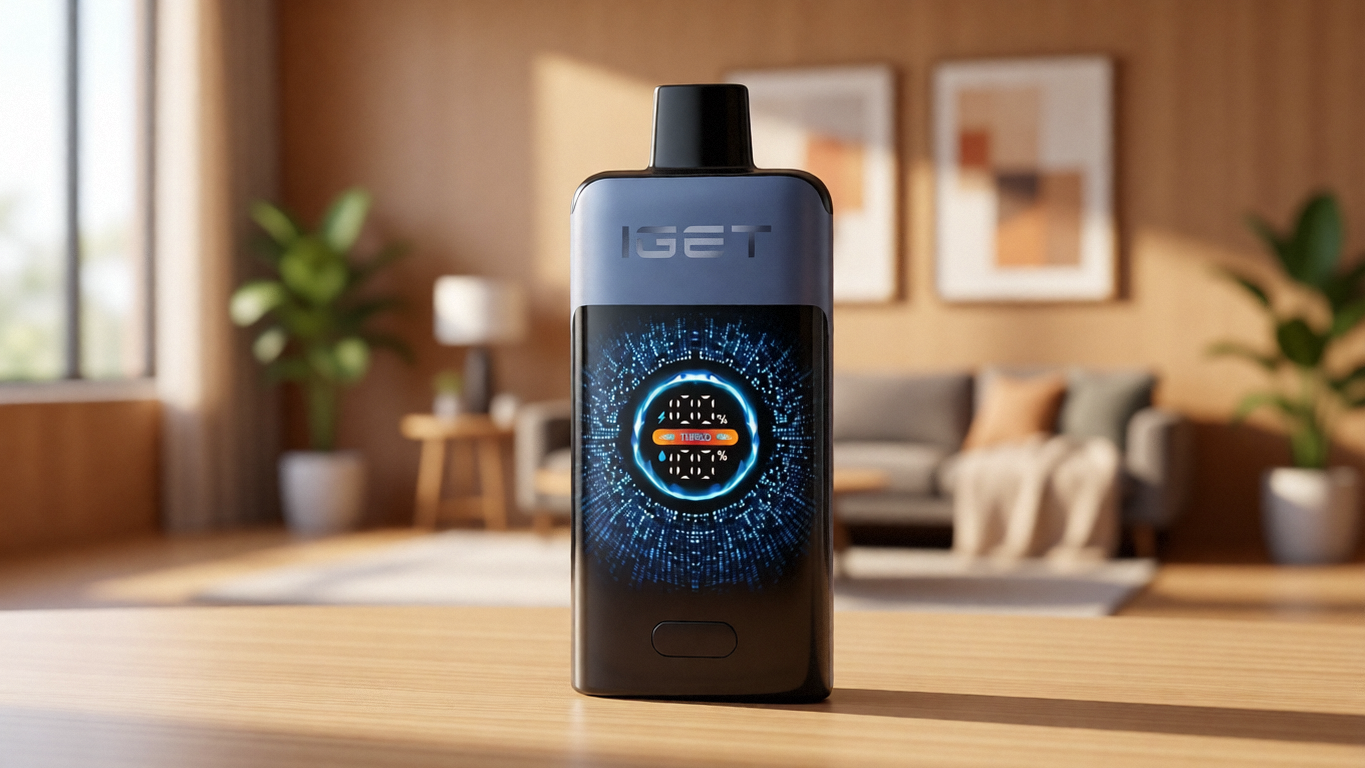
Comparative context: While brands like JUUL pioneered the pocket‑friendly form factor, their limited capacity often means you’ll need a backup. Devices built around larger integrated batteries and higher liquid volumes, like the ALIBARBAR INGOT series or other advanced disposables on the market, reflect a newer design priority: creating a single unit that truly covers an entire extended event. Recognise that difference for what it is — a shift from micro‑dosing convenience to all‑day reliability — and choose accordingly.
A Practical Framework for Evaluation
You don’t need to be an engineer to assess whether your device is concert‑ready. Run through these five checks the night before:
The silhouette test: Place the device in the pocket you’ll actually use. Stand sideways in a mirror under normal light. Can you see a distinct outline? If yes, switch to a slimmer profile or a different carry location.
The runtime math: Look at the battery capacity in mAh and the manufacturer’s puff estimate. Assume real‑world output is roughly 70% of the rated number due to longer draws. Will that comfortably exceed the duration of the event plus travel time?
The leak simulation: Leave the device on its side for 15 minutes, then inspect the mouthpiece and seams for any moisture. Any sign of weeping means it’s not concert‑safe.
The metal detector consideration: Most devices contain some metal — heating coils, battery casing, connectors. That’s not usually enough to trigger a wand‑style detector set for weapons, but a full‑body scanner may flag it. There’s no definitive way to guarantee passage, but devices with a lower metal mass are statistically less likely to trigger a secondary. Disposable units tend to be lighter on metallic components than modular rebuildables.
The disposal plan: If you’re bringing a disposable, know where you’ll place it after it’s spent. Carrying a depleted unit all night is unnecessary bulk. Responsible disposal options at the venue may be limited, so plan to pocket it until you find a proper battery‑recycling bin.
Consulting a platform that standardises specifications — such as OZVAPE Shop, which documents dimensions, battery ratings, and architecture type for each ALIBARBAR model — reduces the time you spend hunting for this information across scattered listings.
Common Selection Errors and Industry Observations
Experience shows that people undermine their own concert experience in a few predictable ways. Knowing what they are is half the battle.
Error 1: Prioritising one spec over all others. A device with an impressive puff count but a bulky, square body is still a bad concert pick. The best choice balances three factors equally: silhouette, reliable lifespan, and leak‑proof construction. If any one is missing, you’ll be annoyed at some point during the night.
Error 2: Assuming visual similarity means identical internals. The market is flooded with generic disposables that look strikingly like engineered devices from established lines. Inside, however, the heating element may be a simple silica wick rather than a mesh coil, leading to dry hits and inconsistent output halfway through. The exterior tells you nothing about the quality of the ceramic or cotton wicking material, nor about the battery cell’s authentic capacity. When you see units from a brand like ALIBARBAR that have traceable serial numbers and factory‑certified distribution through authorised channels like OZVAPE Shop, you’re paying for that transparency — not the label.
Error 3: Undervaluing modularity in long‑term cost calculations. This one cuts both ways. A cheap disposable might seem like the right single‑event pick, but if you attend concerts regularly, a refillable pod system with sealed, pre‑purchased pods becomes more economical and reduces waste over a season. The error is not running the cumulative math. A single high‑quality disposable for sporadic use makes perfect sense; it’s only when the pattern repeats that the modular alternative pulls ahead.
Industry observation: Concert venues increasingly treat all personal electronic vapour devices under the same blanket policy as traditional combustible products, even in jurisdictions where their legal status is distinct. This is less about law and more about venue liability and fire‑code interpretation. Several major Australian arenas now explicitly state that any device designed to produce vapour falls under their “no smoking or vaping inside” rule, meaning you may be allowed to bring it in, but using it indoors will get you ejected. The takeaway is that your selection strategy should focus on possession, not use — because the act of using it is what will draw attention, not the device itself lying dormant in your pocket.
Frequently Asked Questions
Q: Do Australian concert venues specifically prohibit vapes?
A: Most major venues (Rod Laver Arena, Qudos Bank Arena, Suncorp Stadium, etc.) include “personal vapour devices” in their prohibited items list or reserve the right to confiscate any items at security’s discretion. Policies are typically posted on the venue’s website under “Conditions of Entry.” Check before you go, because rules change between events.
Q: What happens if security finds my vape?
A: It depends on the venue and how it’s discovered. If you declare it honestly, some security teams may simply ask you to surrender it for the duration of the show (you might get it back after). If it’s found during a pat‑down, they may confiscate it outright. Aggressive concealment can result in refusal of entry. Honesty, combined with a device that doesn’t look suspicious, yields the best outcomes.
Q: Are disposable vapes less likely to be confiscated than refillable ones?
A: Not as a rule, but sealed, pre‑filled units avoid the complication of carrying separate e‑liquid bottles, which some venues prohibit as a safety exclusion (flammable liquids). A single, self‑contained device raises fewer questions simply because there’s nothing to explain.
Q: Will my device set off a metal detector?
A: Possibly. The coil and battery casing contain metal. However, the amount is small. Walk‑through detectors are calibrated to ignore objects below a certain threshold, and most personal vapour devices fall below it. Hand‑held wand scanners are more sensitive, so a pat‑down is riskier than walking through an arch.
Q: Can I bring a vape into a festival as opposed to an indoor concert?
A: Outdoor festivals often have different entry protocols. Some allow sealed disposables if they are in their original packaging. Others follow the same strict policies as indoor venues. Again, check the event’s specific guidelines. The physical device requirements (compactness, durability, leak resistance) remain identical.
Q: Is the ALIBARBAR INGOT 15000 really leak‑proof for a long concert?
A: The ALIBARBAR INGOT 15000 uses a fully sealed, ultrasonically welded tank; there is no fill port, no replaceable coil, and no opening through which liquid can escape under normal handling. As long as the unit isn’t physically punctured, it will not leak even when carried upside down for hours. This is a design characteristic of that specific model, not a universal truth about all devices labelled as “disposable.”
Q: Do I need to carry a backup if I bring a high‑count disposable?
A: For a single evening event, a fully charged device rated for several hundred activations is more than sufficient. The argument for a backup only arises if the device has unverifiable battery life or you’re unsure of its remaining capacity. Knowing your device’s status before you leave the house — via an LED battery indicator, for example — eliminates that uncertainty.
Q: How do I know if I’m getting a genuine ALIBARBAR unit and not a counterfeit?
A: Genuine ALIBARBAR products sold through authorised channels have a scratch‑and‑verify security code on the packaging. Retailers that source directly from the manufacturer’s certified distribution network, such as OZVAPE Shop, provide that assurance. Counterfeit units often lack consistent packaging, have misspelt branding, and omit the verification mechanism.
Q: Can I bring a vape on a plane to get to the concert city?
A: Airline regulations are separate from venue policies. Most airlines require vapour devices to be carried in cabin baggage (not checked luggage) and prohibit use during flight. If your concert involves interstate travel, you must comply with both sets of rules.
Q: What’s the single most important thing I can do to avoid problems at a concert?
A: Read the venue’s specific entry conditions 24 hours before the event. Policies change, sometimes show‑by‑show. Second to that, choose a device with a slim profile, no external loose parts, and sufficient capacity — and place it in a pocket that doesn’t bulge, next to your phone rather than loose change that might encourage a security guard to investigate further.
Conclusion
The core lesson from all of this is that “can you bring a vape into a concert?” isn’t a yes‑or‑no question. It’s a test of how well you’ve matched your equipment to the environment you’re stepping into. Venues set their rules to manage liability and crowd flow, not to examine your personal choices — but they will enforce those rules when something draws their attention. A device that is quiet, compact, leak‑proof, and single‑piece draws vanishingly little attention compared to one that bulges, flashes chrome, or requires a separate liquid bottle.
At OZVAPE Shop [external link], we’ve documented the technical specifications of the ALIBARBAR range precisely so that an adult user can make that match without guesswork. Dimensions, battery ratings, physical architecture — those are facts, not opinions. And facts are what a good decision is built on.
Ultimately, you know your concert habits better than anyone. The right device is the one that fits into your pocket so naturally you forget it’s there until you actually need it, and that doesn’t force you to choose between comfort, performance, and peace of mind. Plan the hardware choice as carefully as you planned the ticket purchase, and the evening will take care of itself.