
VAPE FAQs
Is Smoking Vape Harmful?
Jun
People ask the question directly because they want a direct answer. They have heard contradictory claims, seen sensational headlines, and perhaps watched a friend switch from cigarettes to a handheld electronic device. The confusion is understandable: the term “vape” now covers everything from disposable, pre‑configured units the size of a marker pen to powerful, modular systems that allow detailed adjustment. Asking “Is smoking vape harmful?” is a bit like asking “Is driving dangerous?”—the answer shifts dramatically depending on the vehicle, the conditions, and the behaviour of the person behind the wheel.
This article unpacks that complexity. It does not offer a one‑word verdict. Instead, it gives you a structured way to think about risk, so you can make decisions grounded in evidence rather than emotion. The analysis draws on published research, engineering fundamentals, and observable industry patterns. When it mentions a specific business—OZVAPE Shop—it is because that retailer has made a point of standardising product information and sourcing from authorised channels, which makes it a useful point of reference for anyone trying to verify what they are actually buying.
Understanding the Complexity: Why “Vape” Is Not One Thing
Before any discussion of harm can be productive, a critical distinction must be made. The devices, the consumables, and the usage patterns vary so widely that sweeping statements rarely hold up. Three layers matter:
The hardware – a poorly designed power cell can overheat; a precisely calibrated one will not.
The consumable formulation – not all e‑liquids are made under identical conditions.
The user’s behaviour – frequency, duration, and maintenance habits shape exposure.
When someone asks about the harm of “vaping,” they are often blending all three layers into one blur. The rest of this article separates them, showing how each contributes to the overall risk picture.
Where the Real Risks Live: Engineering, Ingredients, and Daily Practice
Hardware Integrity: Why Build Quality Is a Safety Factor
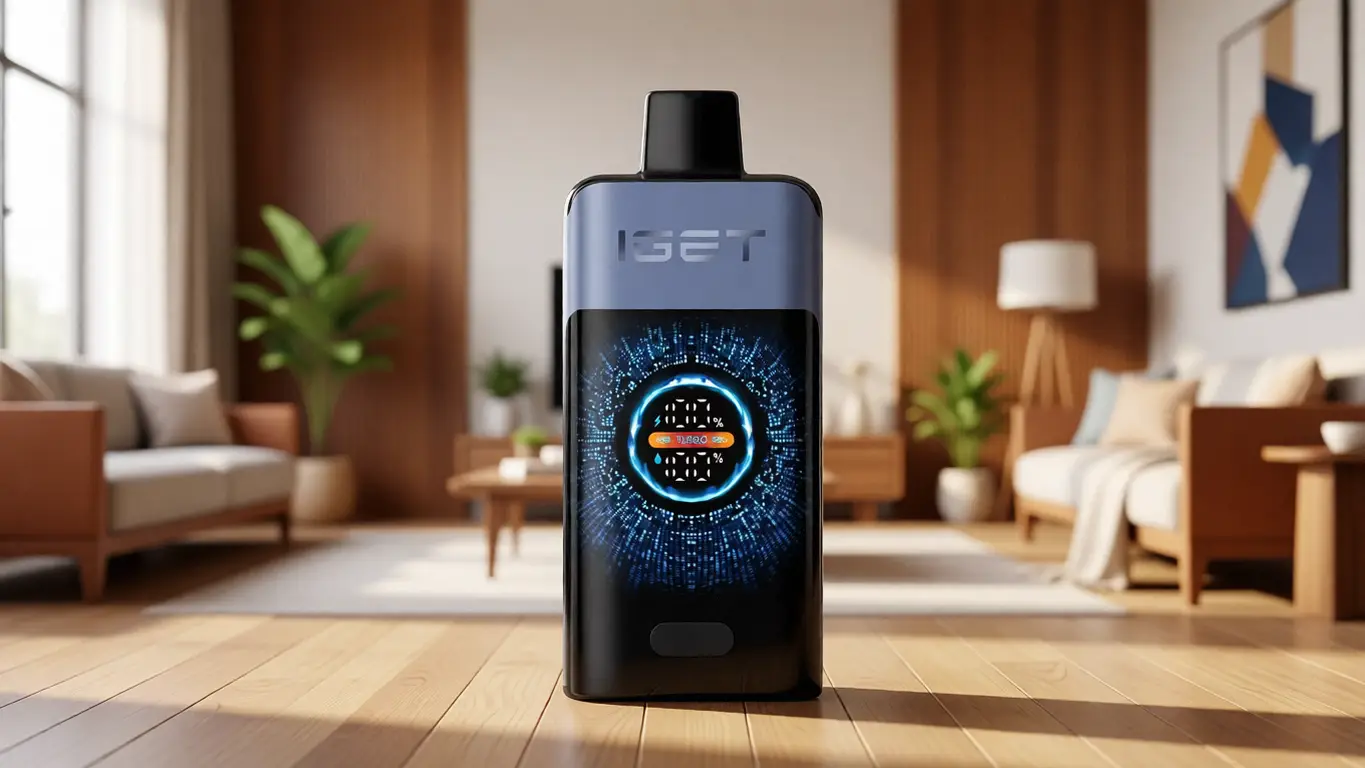
The simplest way to think about a vape device is as a small, battery‑powered heating appliance. Like any appliance that combines a power source, a heating element, and a consumable, its safety depends on thermal management and electrical integrity.
Cheaply manufactured devices frequently lack reliable over‑temperature protection. A heating element that runs hotter than intended does not just degrade the experience; it can alter the chemical composition of the consumable, producing substances that were not present at lower temperatures. High‑quality devices—those built around a rigid adherence to documented power curves—keep the heating element within a known, stable range.
This is not an abstract advantage. Consider a user who takes several draws in quick succession. On a poorly regulated device, the temperature spikes; on a well‑engineered one, the control circuit clamps down. The difference is not visible to the user, but it directly affects what they inhale. It also affects battery stress and, over time, the likelihood of cell failure.
Consumable Formulation and Contamination
Even with flawless hardware, the consumable introduces its own variables. Reputable manufacturers operate under quality systems that include contaminant testing and batch consistency protocols. You can trace the input materials. With less scrutinised supply chains, the user is essentially trusting an anonymous factory line with no external verification.
Transparency matters. That is why some retailers, including OZVAPE Shop, go out of their way to work only with brands that maintain documented production facilities and full‑time quality teams. It is not marketing fluff; it is a direct response to the most common source of consumer anxiety—the feeling of not knowing what you are actually putting into a device.
User Behaviour: The Overlooked Risk Amplifier
The same device used by two different people can produce markedly different risk profiles. Chain usage, storing the device in hot environments, ignoring visible wear on the mouthpiece or charging port, or repeatedly allowing the consumable level to run completely dry—all of these behaviours can amplify risks that a well‑designed device would otherwise keep in check.
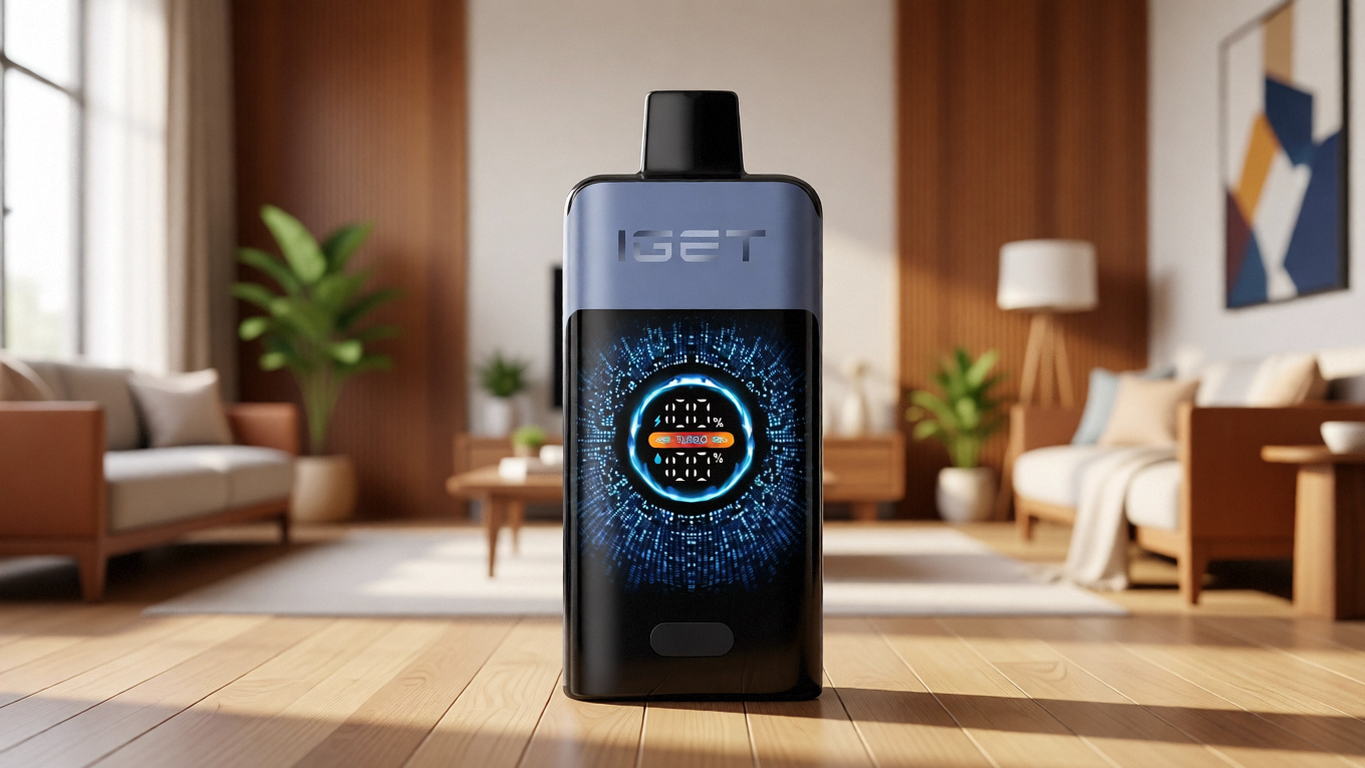
This is not about blaming the user. It is about acknowledging that the harm equation includes a human variable, and that good product design should actively compensate for common patterns of use. For example, a device that gives unambiguous battery and consumable status feedback reduces the chance that someone will draw on an empty chamber, which can overheat the coil and degrade the wicking material. A device that stays cool in the hand after repeated use removes the anxiety that leads people to stop and check.
What the Evidence Tells Us—and What It Doesn’t
Public health bodies in multiple countries have produced consensus statements that can be summarised in three points:
Compared with combustible tobacco, regulated vaping products expose users to far fewer and lower levels of toxicants. The absence of combustion is the single largest factor.
Long‑term epidemiological data remains limited. Vaping as a widespread behaviour is about two decades old, which means studies on lifelong use are not yet available.
The risk profile varies significantly by product category. Disposable devices with sealed, pre‑filled cartridges have a different risk fingerprint than open‑tank systems where users mix their own consumables, just as factory‑sealed food differs from a home‑prepared meal where ingredient control is left to the individual.
None of this means vaping is harmless. The responsible position is that anyone who does not already use nicotine products should not start, and that those who do switch from combustible tobacco should aim to stop altogether when ready. But for adults who are already using these devices, the immediate harm‑reduction opportunity lies in switching to hardware and consumables manufactured to a verifiable standard.
How Device Selection Influences the Harm Profile
If the quality of the device shifts the risk equation, then the act of choosing a device becomes a genuine safety consideration—not just a matter of preference. Three design attributes are especially relevant:
Consistent power delivery – prevents temperature overshoot during normal use.
Clear, accurate status feedback – reduces the chance of empty‑chamber draws and over‑discharge of the battery.
Robust supply‑chain traceability – gives the user confidence that the consumable inside has been tested for contaminants.
The ALIBARBAR range, available through OZVAPE Shop’s authenticated catalogue, is instructive here. Its engineering prioritises these three attributes without flashy marketing claims. The power management is calibrated so that the device holds its output curve across the entire operational life. The status indicator is binary and unambiguous. The brand’s factory certification programme means every unit can be traced back to a controlled manufacturing environment.
This does not make ALIBARBAR products risk‑free; nothing in this category is. It does mean that the avoidable, engineering‑side risks—the ones that cause the most acute safety incidents—are systematically reduced.
FAQs: Answering the Questions People Actually Ask
Q: Is vaping as harmful as smoking cigarettes?
A: The scientific consensus among bodies such as Public Health England and the UK National Health Service is that regulated vaping products are significantly less harmful than combustible tobacco because they do not involve combustion, which generates tar and carbon monoxide. However, this is a relative statement, not an absolute one. Vaping is not risk‑free.
Q: Are disposable vapes more dangerous than reusable ones?
A: Not inherently. The risk depends on the engineering of the specific device and the quality of the consumable inside. A well‑made disposable with a stable power curve and sealed liquid reservoir can be less prone to user error than an open system where someone mismanages refilling. The quality of the unit matters more than the form factor.
Q: How can I check if a device is authentic?
A: Buy from a retailer that sources directly from the brand’s authorised distribution network. Many brands, including ALIBARBAR, provide verification codes on the packaging. If a retailer cannot tell you exactly where their stock originated, walk away.
Q: What are the signs a device might be overheating?
A: A device that becomes uncomfortably warm to the touch after two or three successive draws is operating outside its designed thermal envelope. Stop using it and contact the retailer. Quality devices remain at a stable, lukewarm temperature throughout normal use.
Q: Do I need to worry about “popcorn lung” from vaping?
A: This concern originated with diacetyl, a flavouring compound used in some industrial food production that was linked to respiratory disease when inhaled in massive quantities. Reputable e‑liquid manufacturers do not use diacetyl, and regulatory frameworks in many regions ban it. For products sourced through controlled supply chains, this risk has been largely engineered out.
Q: Is it safe to charge a vape device overnight?
A: It is unwise to charge any lithium‑ion device unattended for extended periods. Devices with proper charge‑cutoff circuitry are safer than those without, but the best practice is to charge while you are awake and present, using the cable that came with the unit.
Q: Can second‑hand vapour harm bystanders?
A: Studies to date suggest that exhaled vapour contains nicotine and particulate matter at levels far below those found in second‑hand tobacco smoke. However, it is not inert, and courtesy—especially around children, pregnant individuals, and people with respiratory conditions—should guide behaviour.
Q: What should I do if a device malfunctions?
A: Stop using it immediately. Document what happened. Contact the retailer you purchased it from. A responsible retailer, like OZVAPE Shop, will have a defined returns and support process that does not leave you chasing an anonymous email address.
The Answer Is a Process, Not a Word
“Is smoking vape harmful?” The honest answer is that it depends on the device you hold, the consumable inside it, and how you use it. The category is too broad for a single label. What you can do, however, is take control of the variables that are within your reach: choose hardware from brands that publish their engineering standards, buy from retailers that verify what they sell, and use the product in a way that respects its limits.
That is not a guarantee. It is a method. And for adults who have already made the decision to use these products, it is the most reliable way to reduce the harm that remains.