
VAPE FAQs
What Was The First Vape Brand?
Jun
We’ve all encountered the question, whether in casual conversation or while staring at a shelf of unfamiliar devices: who actually started this? The answer matters more than simple trivia. Knowing where the modern personal vaporizer came from helps cut through the fog of marketing claims, design fads, and outright misinformation that still swirls around the industry. At OZVAPE Shop{target=”_blank”}, we’ve seen how a little historical context can transform a buyer from someone who picks the shiniest option into someone who chooses with genuine confidence. This article traces the origin of the first commercially viable vape brand, examines what that early engineering got right (and wrong), and connects those lessons to the decisions facing adult users in Australia today.
The Historical Record: What Was the First Vape Brand?
The search for the first vape brand generally leads to one name, though the story is more layered than a single trademark. In 2003, a Chinese pharmacist named Hon Lik, driven by personal loss to smoking-related illness, filed a patent for an electronic atomization device that used a piezoelectric element to vaporize a nicotine solution. By 2004, the device was commercialized under the brand Ruyan, which translates to “like smoke.” Ruyan debuted in China and quickly expanded internationally, becoming the first globally recognized vape brand.
It’s important to separate the invention from the branding. Earlier concepts existed—Herbert A. Gilbert’s 1965 patent for a smokeless non-tobacco cigarette, for example—but Gilbert’s device was never manufactured at scale and lacked a consumer-facing brand. Ruyan was the first to clear the hurdles of production, distribution, and regulatory navigation, establishing the template every subsequent brand would either follow or deliberately reject. The company’s early designs were cigar-shaped, with a glowing tip to mimic the behavioral ritual of smoking, a detail that reveals how deeply the first users’ psychological habits influenced early engineering.
Why the Ruyan Era Still Matters
Ruyan’s commercial life was relatively short. Patent disputes, an acquisition by a larger tobacco entity, and rapid technological evolution meant the brand itself faded from prominence. But its legacy persists in three ways that directly affect anyone evaluating a modern device:
The disposable cartridge model Ruyan pioneered became the dominant architecture for years.
The miniaturization challenges it faced—battery size, liquid leakage, inconsistent vapor production—remain the exact pain points that modern brands like ALIBARBAR have systematically addressed.
The lack of global standards in the early years created a fragmented market where authenticity was never guaranteed, a problem that responsible retailers still work to solve.
From Single Invention to Global Industry: How Early Design Choices Shaped Modern Expectations
The Ruyan device was revolutionary but rudimentary. It used a small, non-rechargeable battery, a heating coil of variable quality, and a liquid-soaked wick that often scorched before the cartridge was empty. Users in the mid-2000s frequently reported a decline in satisfaction halfway through a unit’s intended life. If that complaint sounds familiar, it’s because poorly engineered devices still suffer from the same thermal management flaws today.
Engineering Lessons That Took Years to Learn
Internal Architecture and Output Consistency
Early devices had no mechanism to regulate temperature or prevent dry hits. The heating element simply fired at full power until the liquid was gone, leading to burnt taste and erratic delivery. Modern design improvements—including mesh coils, constant-voltage output chips, and multi-layer wicking—exist precisely because Ruyan’s limitations became industry-wide reputational threats. When evaluating a current device, the first question to ask is whether its internal architecture maintains consistency from first activation to last.
Power Management as a Trust Signal
Ruyan’s batteries died without warning. There was no battery indicator, no pass-through charging, no way to know if the device had one hour or one minute of life left. This forced users to carry backups, a frustration that has been eliminated by the status-transparent designs seen in premium contemporary lines. A device that provides real-time power feedback isn’t a luxury; it’s an engineering response to a 20-year-old complaint.
Physical Durability and the Mundane Realities of Daily Carry
The metallic paint on early Ruyan devices chipped within weeks. Mouthpieces cracked. Pocket lint clogged airflow sensors. Today’s durable finishes, reinforced mouthpiece contours, and sealed internal chassis aren’t just about aesthetics; they’re about the accumulated feedback of millions of users who were tired of products that looked worn out before they stopped working.
What Today’s Buyers Can Learn from Two Decades of Trial and Error
The market is now saturated with options, many of which look alike but differ dramatically in their internal engineering. At OZVAPE Shop, we’ve observed that adults who understand the historical learning curve outlined above make substantially better purchasing decisions. They ignore appearance-first marketing and focus on what actually predicts a device’s daily reliability.
Verified Authenticity as a Prerequisite, Not a Perk
One of the uncomfortable truths of Ruyan’s rapid global expansion was the explosion of counterfeit units. Customers couldn’t tell a genuine device from a clone, and performance suffered accordingly. That problem hasn’t disappeared—it’s just migrated to newer, more popular brands. OZVAPE Shop was structured to address this directly. We operate a factory‑certified supply chain for every product we list, including the full ALIBARBAR range. Each unit’s provenance is documented, and our inventory is sourced exclusively from authorised distribution networks. This isn’t a marketing angle; it’s the logical endpoint of two decades of market maturity.
Local Accountability as an Engineering Principle
A device is only as good as the support that stands behind it. Early adopters of vape technology were often left with no recourse when a product failed—no local contact, no replacement policy, no human to answer a question. When OZVAPE Shop launched its dedicated platform for ALIBARBAR products in Australia, it built that platform around a defined set of commitments: clear warranty handling, responsive support handled by people who understand the products, and standardised product specifications that allow for honest comparison. The press release announcing this move explicitly stated that the goal was to create “a single, documented channel that prioritises product authenticity, clear information, and responsive local support.” That’s not a store talking; it’s the market correcting a historical deficit.
A Practical Framework for Evaluating Any Modern Device
History teaches that innovation without practical evaluation criteria just creates new versions of old frustrations. Use this step-by-step guide to assess any device you’re considering:
Check the status feedback system. Does the device show remaining power, liquid level, or both? If not, you’ll inevitably carry a backup, regardless of the claimed capacity.
Examine the coil and wicking technology. Look for terms like mesh, vertical coil, or multi‑layer cotton. These are not buzzwords—they’re indicators that the manufacturer understood Ruyan’s thermal management failures.
Assess the modularity. Is the device fully sealed, partially replaceable, or fully modular? Sealed units trade flexibility for simplicity. Replaceable-pod systems strike a balance. Fully modular systems offer the longest cost-per-use advantage. Your choice should match your actual daily routine.
Verify the retailer’s supply chain. If the seller can’t tell you where the product came from, walk away. Genuine factory‑certified inventory is the only reliable defense against performance variability.
Read the warranty language. A confident brand and its authorised retailers will state their warranty terms plainly, without conditions that allow them to evade responsibility for manufacturer defects.
Common Mistakes When Researching Vape History and Buying Modern Products
Even experienced buyers fall into mental traps that originate in the industry’s early, chaotic days:
Assuming visual similarity means identical engineering. Two devices can share a form factor while using entirely different chip sets, coil materials, and battery cells. Ruyan clones proved this decades ago, and the lesson remains.
Overweighting a single specification. Puff count, for example, means little without knowing the activation duration assumed by the manufacturer. Devices with lower rated puffs but superior coil efficiency can last longer in real use.
Confusing first-to-market with best-in-class. Being first—like Ruyan—creates a historical legacy but not a design benchmark. Modern engineering has left early designs far behind.
Underestimating the cost of poor post-purchase support. A device that fails and can’t be replaced or refunded costs far more than a slightly pricier one backed by a real warranty.
Frequently Asked Questions
Q: Was Ruyan really the first vape brand?
A: Ruyan was the first to commercialize a practical electronic vaporizer and build an international brand around it, starting in 2004. Earlier inventions existed but never reached the market as branded consumer products.
Q: Why did Ruyan disappear from stores?
A: A combination of patent litigation, acquisition by Imperial Tobacco’s parent company, and the arrival of more advanced technologies led Ruyan to fade as a standalone brand.
Q: How can I be sure a modern device isn’t counterfeit?
A: Purchase only from retailers that openly disclose their authorised distribution relationships. At OZVAPE Shop, every unit is factory‑certified and traceable.
Q: Do the same engineering problems from 2004 still exist today?
A: In poorly designed devices, yes. Inconsistent heating, sudden power loss, and poor durability persist in uncertified or clone products, which is why supply chain integrity matters.
Q: What’s the difference between a sealed device and a modular one?
A: Sealed devices are discarded after use. Modular ones allow you to replace a pod, coil, or battery, reducing long-term cost and waste. Neither is universally better; the right choice depends on your usage pattern.
Q: Is OZVAPE Shop authorised to sell ALIBARBAR?
A: Yes. We source exclusively through authorised distribution networks, and every product’s authenticity can be verified. Our platform was launched specifically to provide a trusted local access point.
Q: Does higher puff count always mean longer use?
A: No. Puff count ratings depend on the testing parameters a manufacturer uses. Real-world longevity depends on activation duration, device efficiency, and liquid viscosity.
Q: What should I do if a device doesn’t perform as described?
A: Contact the retailer immediately. A responsible seller will have a clear warranty and returns process. At OZVAPE Shop, our local support team handles such issues directly.
Q: Are there any original Ruyan devices still available?
A: Functioning original units are collector’s items now, not viable daily tools. Modern devices have surpassed them in every performance metric.
The Right Choice Follows the Right Questions
The question “What was the first vape brand?” opens a door that leads far beyond a name. It exposes the engineering problems that plagued early adopters, the counterfeit risks that arose from a lack of supply chain transparency, and the design evolution that today’s best products embody. Ruyan proved there was a market, but it also proved that no brand can thrive without a foundation of consistent performance and honest communication with users.
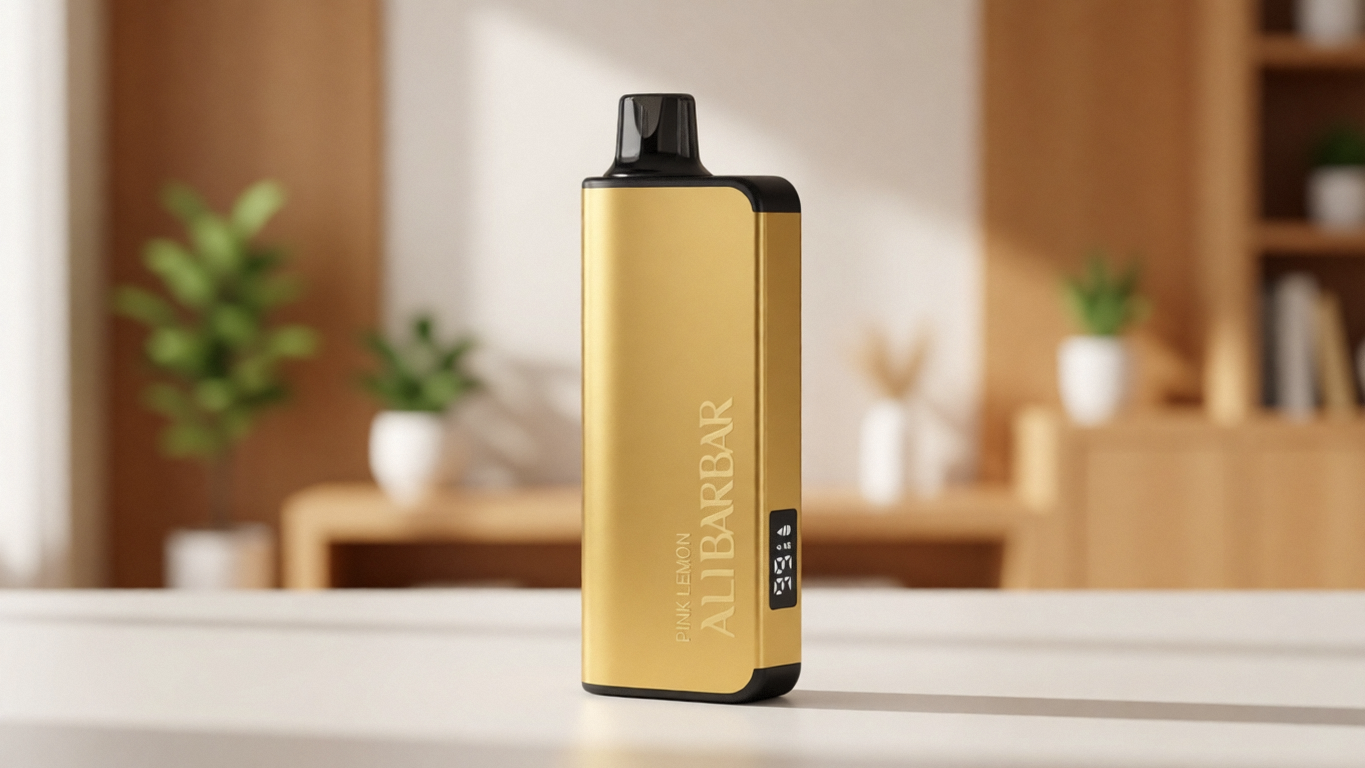
OZVAPE Shop{target=”_blank”} exists because these lessons matter. By stocking only factory‑certified devices like those from ALIBARBAR, by publishing standardised specifications that enable genuine comparison, and by providing local accountability that early customers could only wish for, we’re not just moving inventory—we’re applying the hard-won knowledge of two decades. When you choose a device, you’re not just buying a piece of technology; you’re choosing whether to repeat history’s frustrations or benefit from its solutions. The decision, as always, remains yours.