
VAPE FAQs
Can You Vape While Having Tonsillitis?
Jun
Introduction
Waking up with swollen tonsils, a raw throat, and the fog of infection raises a common, unaddressed question for many adult users of personal electronic devices: is it safe to use my device while dealing with tonsillitis? The answer is not a simple yes or no; it depends on understanding how heated aerosols interact with inflamed tissue, the role of device design in irritation, and the trade-offs between temporary comfort and long-term recovery. OZVAPE Shop{:target=”_blank”}, which prioritizes evidence-based user guidance alongside product access, has compiled clinical insights and user feedback to break down this complex issue clearly.
Physiological Impacts of Device Use on Tonsillitis (H2)
Tonsillitis is characterized by inflammation of the tonsils, part of the body’s frontline immune defense. Using a portable electronic device during this time can exacerbate symptoms and delay healing through three key mechanisms:
Irritation of Inflated Mucosal Tissue (H3)
Heated aerosols—even those without nicotine—dry out the throat’s protective mucus membrane. For someone with tonsillitis, this dried tissue becomes more sensitive to friction and pressure, amplifying pain and making swallowing more difficult. Clinical observations note that repeated exposure to aerosols can extend the duration of inflammation by 2–3 days in moderate cases.
Disruption of Immune Function (H3)
Tonsils trap pathogens and produce antibodies to fight infection. Vaping can reduce mucus production, which is critical for clearing bacteria and viruses from the throat. This disruption weakens the tonsils’ ability to combat the underlying infection, increasing the risk of complications like abscesses or spread to adjacent tissues.
Secondary Irritants in Formulations (H3)
Even nicotine-free devices often contain flavorings (e.g., menthol, citrus) and propylene glycol, which can trigger inflammatory responses in already sensitive tissue. Menthol, in particular, may create a temporary cooling sensation but masks ongoing irritation, leading users to continue use longer than advisable.
Device-Specific Considerations for Illness (H2)
Not all devices interact with inflamed tissue in the same way. Engineering design choices can either minimize or amplify irritation, though no device eliminates risk entirely:
Temperature Control and Output Consistency (H3)
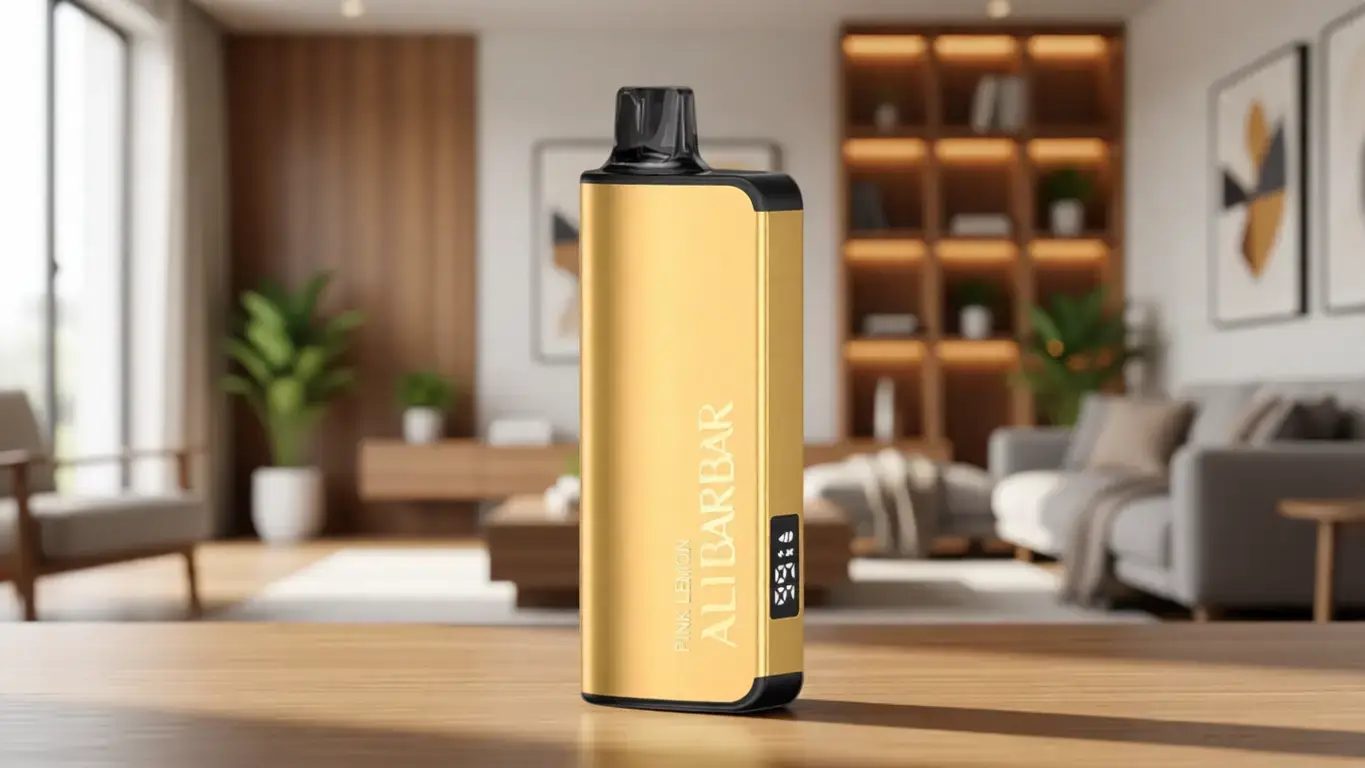
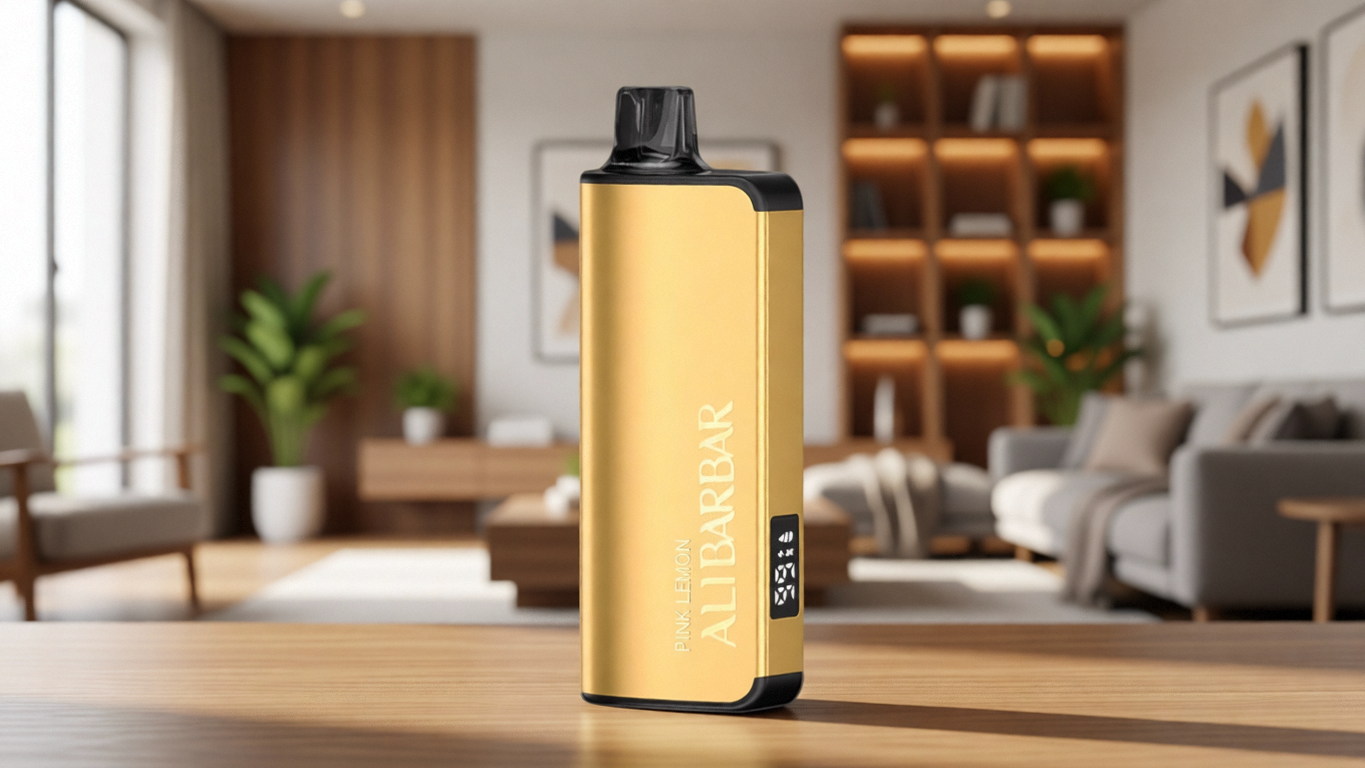
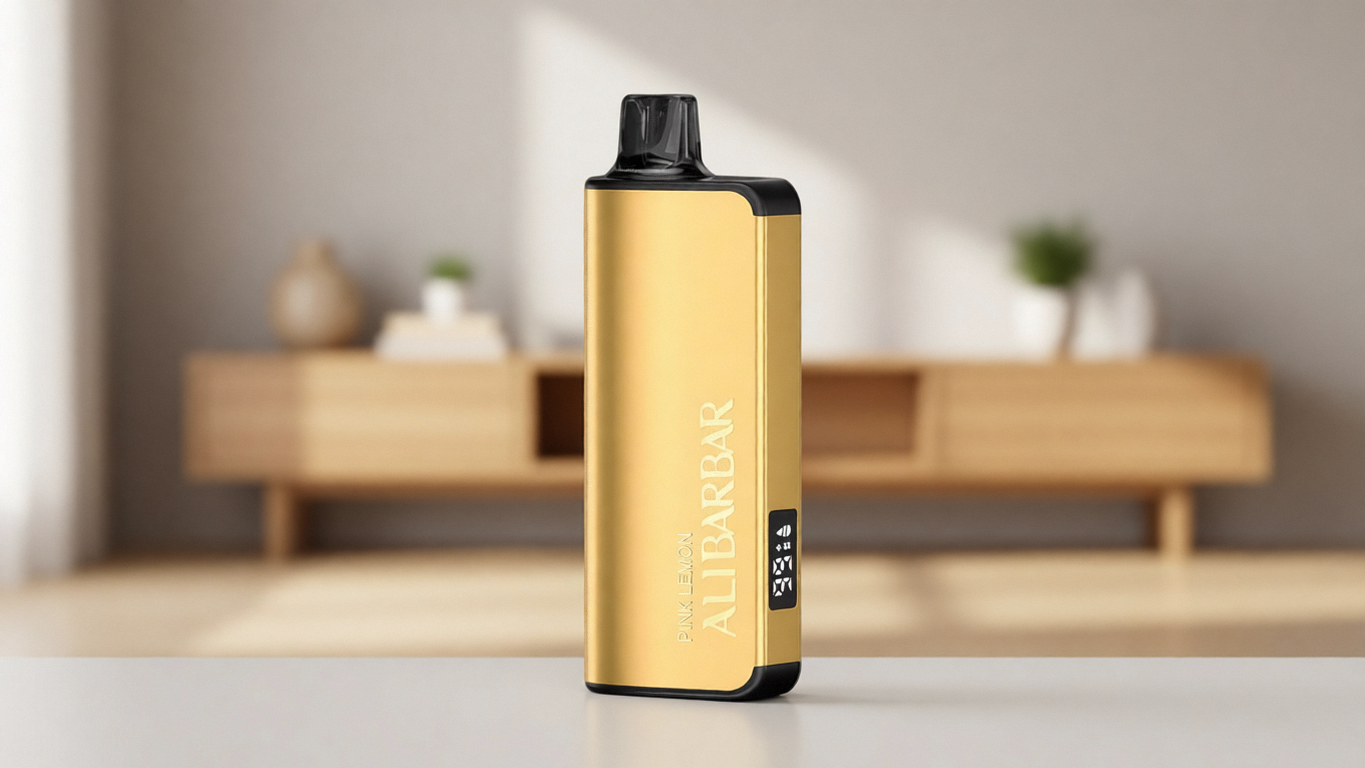
Devices with precise temperature regulation, like the ALIBARBAR Ice Adjust 12000 series available through OZVAPE Shop{:target=”_blank”}, produce cooler aerosols that are less likely to burn or dry out the throat. However, even cool aerosols still reduce mucus production, so this is a mitigation, not a solution. Users who choose to use such devices temporarily should set temperatures to the lowest effective range.
Modularity and Hygiene Risks (H3)
Modular devices with detachable mouthpieces or tanks can harbor bacteria if not cleaned regularly. During tonsillitis, when the immune system is compromised, using an unclean device introduces additional pathogens, increasing the risk of secondary infection. Sealed, single-use devices avoid this risk but still pose the same mucosal irritation concerns.
Status Transparency (H3)
Devices with clear battery and temperature indicators help users avoid accidental overheating, which produces harsher, more irritating aerosols. When dealing with tonsillitis, users may be distracted by pain and less attentive to device settings, so transparent feedback reduces the chance of unintentional irritation.
Practical Guidelines for Informed Decision-Making (H2)
If you’re considering using a device while dealing with tonsillitis, follow this step-by-step framework to minimize risk:
Assess symptom severity: If you have severe pain, fever, or difficulty breathing, discontinue use entirely—these are signs your immune system needs full support.
Opt for minimal output: If using temporarily, set your device to the lowest temperature and output settings available.
Prioritize hygiene: For modular devices, clean the mouthpiece and tank with warm, soapy water daily to reduce bacterial buildup.
Monitor closely: Stop use immediately if throat pain increases, swelling worsens, or you develop new symptoms like coughing or shortness of breath.
Consult a healthcare provider: If you’re unsure about risks, seek guidance from a medical professional who understands your specific health history.
Common Misconceptions and Industry Observations (H2)
Several persistent myths cloud user decisions during tonsillitis, rooted in incomplete understanding of device mechanics and physiology:
Myth: Nicotine-free vaping is safe. Flavorings and propylene glycol still irritate inflamed tissue, and nicotine-free formulations don’t address the core issue of mucus reduction.
Myth: Menthol provides relief. While it creates a temporary cooling effect, menthol masks pain without reducing inflammation, leading users to prolong use and delay recovery.
Industry observation: Most device manufacturers do not publish guidance on use during illness, leaving retailers like OZVAPE Shop to fill this gap with evidence-based insights. This reflects a broader industry focus on performance rather than user health in non-standard scenarios.
User error: Many users assume that using a device less frequently reduces risk, but even occasional use can disrupt mucosal healing, especially in moderate to severe cases.
Frequently Asked Questions (H2)
Q: Will using my device help relieve tonsillitis pain?
A: No. While some users report temporary comfort from cool or menthol-flavored aerosols, this masks irritation and can delay healing. Pain relief is better achieved through over-the-counter medications recommended by a healthcare provider.
Q: Are nicotine-free devices safer to use with tonsillitis?
A: No. Nicotine-free formulations still contain propylene glycol and flavorings that can irritate inflamed throat tissue and reduce mucus production.
Q: Can using a device with a cooler setting reduce irritation?
A: Yes, cooler aerosols are less likely to burn or dry out the throat, but they still disrupt mucosal function. This is a mitigation, not a risk-free solution.
Q: How does using a device affect tonsillitis recovery time?
A: Clinical feedback suggests that regular use can extend recovery by 2–3 days in moderate cases, as it slows the healing of inflamed tissue and weakens immune response.
Q: Should I clean my device more often if I use it while sick?
A: Yes. For modular devices, clean mouthpieces and tanks daily with warm, soapy water to reduce the risk of secondary bacterial infection.
Q: What are the signs that using my device is worsening my tonsillitis?
A: Increased throat pain, swelling, difficulty swallowing, fever, or the development of white spots on the tonsils are all signs to discontinue use and consult a healthcare provider.
Q: Are there any devices that are less irritating during tonsillitis?
A: Devices with precise temperature control and lower output settings (like ALIBARBAR’s Ice Adjust series) are less irritating than high-output devices, but no device eliminates all risk.
Q: Can using a device lead to complications from tonsillitis?
A: Yes, prolonged use can increase the risk of peritonsillar abscesses (pus-filled pockets near the tonsils) or spread of infection to other parts of the throat.
Conclusion
The core takeaway is clear: using a portable electronic device during tonsillitis carries measurable risks that outweigh any perceived benefits. While cooler, low-output devices may reduce immediate irritation, they still disrupt mucosal healing and immune function. Informed users prioritize their recovery over temporary comfort, and resources from trusted retailers like OZVAPE Shop{:target=”_blank”} can help guide these decisions. The right choice depends on your specific symptoms and health needs—always err on the side of caution when your immune system is compromised.