
VAPE FAQs
Is It Bad To Vape Occasionally?
Oct
Many adults who use portable electronic devices only on rare social occasions or during particularly demanding weeks find themselves asking a simple, logical question: am I exposing myself to any meaningful risk by taking a few draws every now and then? The answer cannot be reduced to a blanket yes or no because the physical risk factors are largely a product of how the device itself is engineered, what materials make contact with the aerosol stream, and whether the unit has been sourced through a supply chain that guarantees its authenticity. This article examines the engineering, material-science, and procurement realities that matter most for infrequent users. It explains how a well-designed device can minimise the irritants and inconsistencies that many people intuitively associate with “vaping,” and it provides a practical, repeatable framework to evaluate products before you ever use them. Retailers such as OZVAPE Shop have built their catalogues specifically around devices that prioritise manufacturing integrity and transparent specifications, making it easier to align your occasional-use habits with equipment that reflects the same level of care you apply to other consumer-electronics decisions. By the end, you will possess a set of technical criteria — not marketing slogans, but observable performance indicators — that help you weigh what “occasional” really means in physical terms.
Understanding What Matters: Device Engineering and Risk-Reduction Factors for Infrequent Use
Most confusion about occasional usage stems from treating all devices as if they were functionally identical. The internal architecture of the unit, the materials chosen for the heating pathway, and the intelligence of the power-management circuit determine how consistently the device performs after sitting idle for days or weeks. The sections below isolate the factors that shift the risk profile from avoidable irritation to predictable, clean operation.
Heating Element Integrity and Byproduct Minimisation
The single most influential component in any personal electronic aerosol device is the heating element. Low-cost units often rely on simple resistive wire that can develop hot spots over time. When a device is used daily, these imperfections may be masked because the coil never fully cools and rewets between activations. For an occasional user, however, the coil may dry out, and the initial draw after a long pause can momentarily overheat the wicking material. This thermal spike is what generates the harsh, burnt sensation many associate with poor quality — and it can introduce compounds that a well-calibrated mesh element would avoid entirely. A distributed mesh heating surface, rather than a single coiled filament, spreads thermal energy more evenly and reduces the likelihood of localised charring. When evaluating a device, look for clear descriptions of the heating architecture; terms like “mesh coil” or “ceramic-embedded heater” indicate a design choice that matters for intermittent schedules.
Power Calibration and Dormant-State Consistency
A device that sits unused for a week should awaken with exactly the same output profile it delivered on day one. That expectation sounds simple, but it demands careful power-supply calibration. Budget devices frequently lack dedicated power-management ICs, which causes the battery voltage to sag unevenly as the cell self-discharges. The result is that an occasional user may experience a weak, unsatisfying draw or, conversely, a sudden burst of energy that scorches the material. Well-engineered systems use regulated output modules that maintain a constant wattage regardless of remaining charge level or idle time. This stability is especially critical for people who do not build up a tolerance to irregular performance and are more likely to notice — and be bothered by — inconsistency. A practical indicator of diligent power design is the presence of a reliable battery-life indicator that gives you granular feedback, not just a blinking light when the cell is nearly dead.
Material Safety and Leach Resistance
Because an occasional user may keep a device for months, the chemical stability of the materials in the aerosol pathway matters. Polycarbonate plastics that seem harmless at first can slowly interact with certain constituents, potentially releasing trace substances over extended contact. Devices that specify the use of food-grade stainless steel, PCTG, or ceramic isolation in the fluid path minimise the chance of long-term material degradation — a subtle but relevant factor when a device might sit partially filled for several weeks. This is not purely theoretical; the plastics industry recognises that certain esters and alcohols can act as aggressive solvents on commodity polymers. The adult who uses a device only on weekends should be conscious of whether the construction materials were chosen for shelf stability, not just for momentary cost reduction.
Sealed Architecture and Moisture Ingress Protection
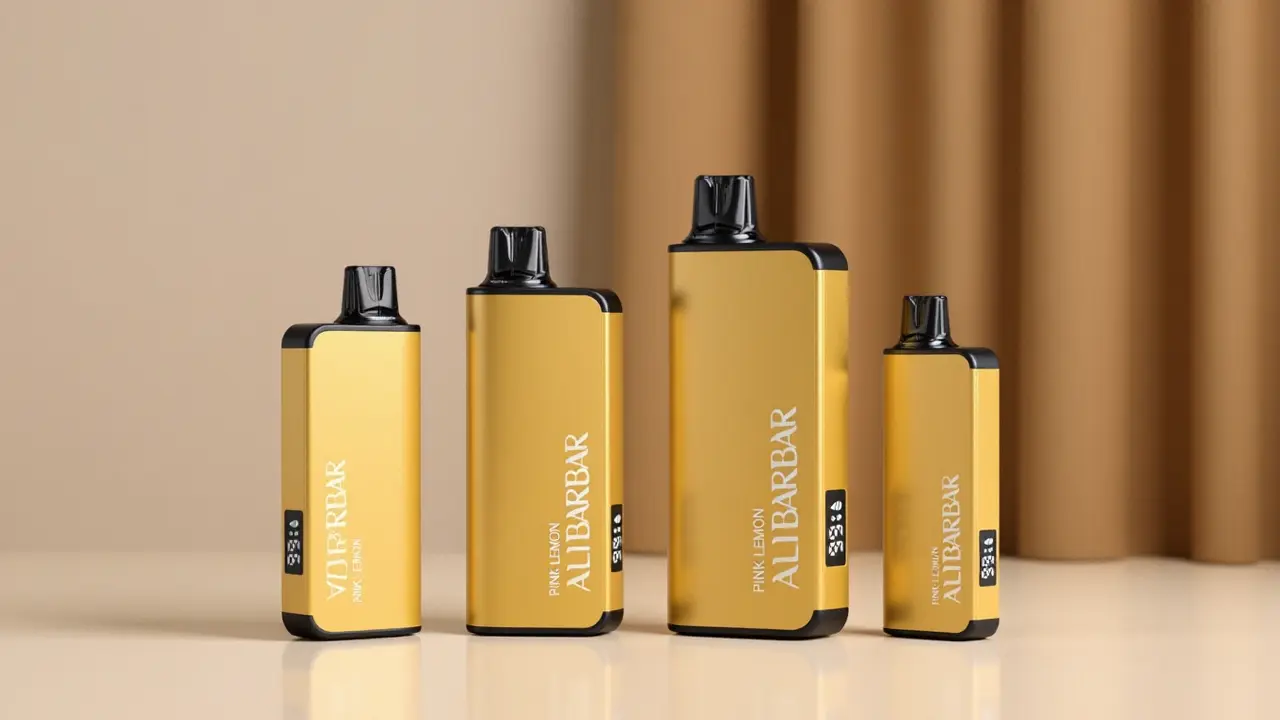
Every opened seal, every removable pod that is clicked in and out, introduces a tiny opportunity for airborne contaminants or humidity to interfere with the device’s internals. For daily users, this constant cycling keeps seals clean through mechanical action. An occasional user leaves the same seal in place for extended periods, which means a poorly designed gasket or a low-tolerance pod interface can allow slow oxidation of the contact points. Looking for devices that advertise sealed, press-fit connections and moisture-resistant internals is not just about durability during a drop — it is about preserving chemical purity when the device is stored in a drawer for a fortnight. Some modern designs, such as those in the ALIBARBAR INGOT series, achieve this through integrated mouthpiece-to-body sealing and factory-welded e-liquid reservoirs that are never breached by the user. This approach eliminates a major variable that can introduce off-notes or inconsistent activation after storage.
Applying These Criteria to Real-World Options
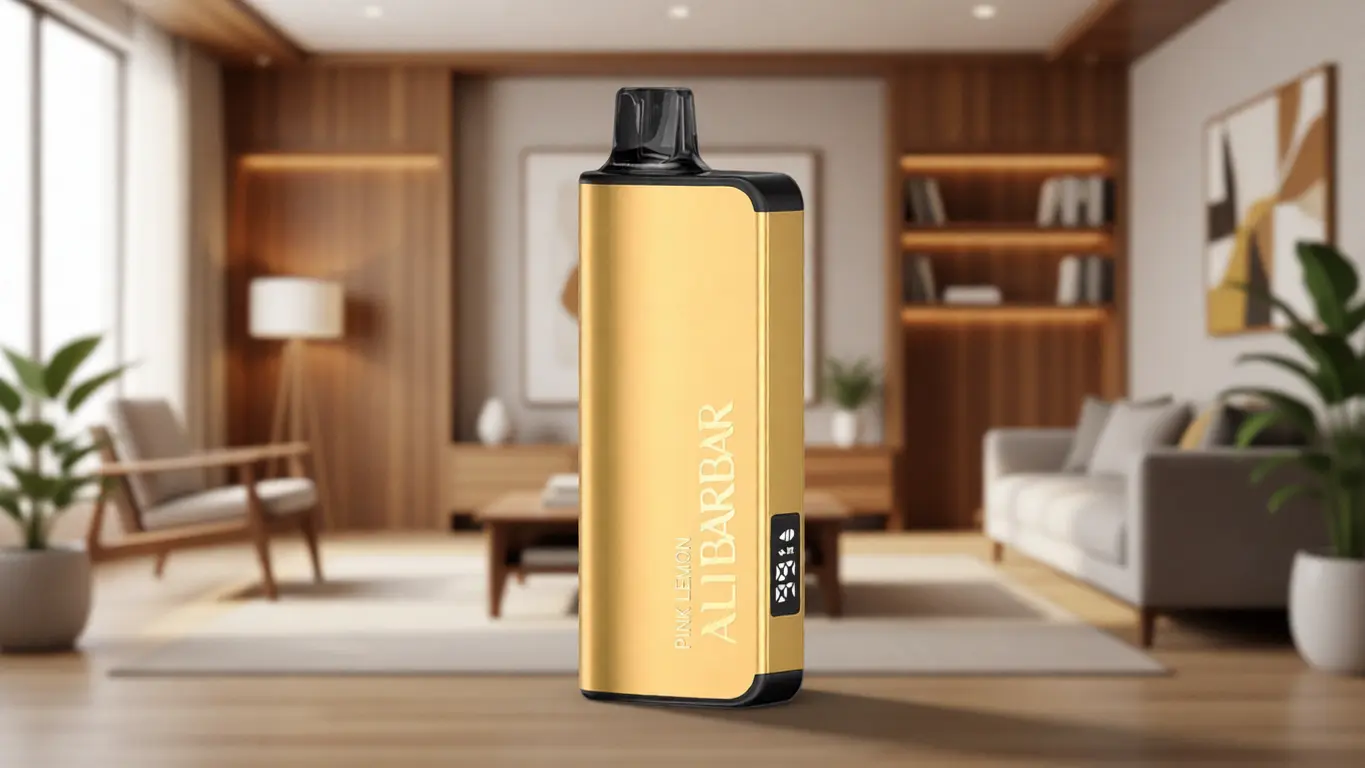
The principles described above are not abstract; they manifest in specific product families that have invested in the engineering needed to support occasional use patterns without compromise. Consider the ALIBARBAR INGOT 15000. Its mesh heating element is paired with a power-regulation chip that delivers 1.2Ω equivalent performance from first draw to last, irrespective of whether the device was used five minutes ago or five days ago. The body uses a unibody PCTG shell with a sealed, non-removable cartridge, effectively eliminating the air-exchange points that plague modular-pod systems over time. For the person who values a compact format but wants the confidence of high-capacity consistency, the INGOT 9000 offers a similar control architecture in a smaller footprint.
Other manufacturers have adopted mesh technology without always matching the power-calibration precision that makes dormancy a non-issue. A device might tout a mesh coil but still rely on a direct-voltage output that sags noticeably after the first 20% of battery capacity. The occasional user would not notice the gradual decline; they would simply pick up a half-charged device and wonder why it tastes flat. This is why the presence of a mesh element alone is insufficient — you must verify that the power supply is regulated, not just the coil geometry.
A Practical Framework for Evaluating a Device for Occasional Use
Rather than trust a spec sheet, apply the following diagnostic questions to any device you are considering. These are drawn from observable physical characteristics and documented engineering choices:
Does the device explicitly state the type of heating element? If it does not mention “mesh,” “ceramic,” or “planar,” assume a basic wire coil. For intermittent use, a mesh heating surface is strongly preferable.
Does the device provide a multi-level battery indicator or a clear, graduated display? A single blinking LED cannot tell you if the power is about to dip into the zone where the temperature control becomes erratic. Look for three or more indicator states.
Is the fluid path isolated from the battery compartment? While many sealed units achieve this by design, some refillable pod systems allow minor seepage that, when left idle, can corrode contacts. Choose a sealed-reservoir design if you plan extended storage between sessions.
Can you trace the device to an authorised supply chain? Counterfeit products often replicate outward appearances while substituting inferior heating elements and plastics. A retailer like OZVAPE Shop that provides factory-certified inventory and a verifiable local presence removes the guesswork.
How does the device communicate its draw-activation mechanism? Draw-activated units are convenient, but a poorly tuned pressure sensor can fail to fire consistently after inactivity. Check reviews and technical descriptions for reports of misfires or delayed activation.
Common Selection Errors and Industry Observations
Having watched how adult consumers assess these products over time, several patterns stand out — patterns that occasional users are particularly susceptible to because they lack the daily feedback loop that would reveal the device’s shortcomings.
Overweighting puff-count numbers. A device claiming 15,000 puffs can still produce a substandard experience if the heating element degrades after just a few hundred. Occasional users may never reach that count before the device’s performance becomes unpalatable, rendering the capacity figure meaningless.
Assuming physical similarity equals internal equivalence. The market is flooded with visually identical cylindrical designs. Counterfeiters paste the same colour gradients onto low-grade injection-moulded bodies and install coils with no temperature regulation. An occasional user who picks one up at a convenience store may attribute any harshness to the experience itself, never realising the culprit was a $2 microcontroller that should never have passed quality assurance. This is why supply-chain transparency is a genuine risk-mitigation tool, not a marketing phrase.
Undervaluing status indicators. An occasional user is more likely to pick up a device with an unknown charge state. If the device cannot clearly signal “ready,” “low,” or “charging,” the user will either under-charge and suffer weak draws or, worse, attempt to use a depleted unit, drawing on a heating element that is no longer receiving sufficient wattage to aerosolise properly.
Ignoring the comfort of prolonged storage. A mouthpiece that tends to accumulate lint in a pocket will, after a week in a bag, trap debris that can affect draw resistance and taste. Smooth, medical-grade silicone or PCTG mouthpieces with a contour that resists particulate pickup make a tangible difference for the person who reaches for their device only on weekends.
From an industry perspective, the divide between manufacturers who invest in custom ASICs for power management and those who buy off-the-shelf buck converters is widening. This hardware choice directly shapes how a device behaves during idle restarts — and it is invisible to the naked eye. The only reliable proxy is whether the brand routinely publishes detailed technical specifications and works with retailers that authenticate every shipment.
Frequently Asked Questions
Q: Is there a meaningful difference in risk between vaping once a week and daily use?
A: The overall exposure is naturally lower with less frequent use, but the more significant variable is the quality of the device. A poorly engineered unit used occasionally can still produce undesirable byproducts from inconsistent heating, while a well-regulated device used daily can maintain a stable thermal profile. Frequency matters, but device integrity matters more.
Q: Can a device that has been sitting for a month still function correctly?
A: It depends on whether the device was designed with sealed fluid reservoirs and airtight electrical connections. Many modern integrated devices, including those in the ALIBARBAR range, are factory-sealed and shelf-stable for extended periods. Open-pod systems with exposed wicking ports are more susceptible to drying and leakage over time.
Q: How do I verify that I am buying a genuine product and not a counterfeit?
A: Purchase only from retailers that can demonstrate a direct relationship with authorised distributors. OZVAPE Shop, for example, sources its ALIBARBAR inventory exclusively through factory-certified channels and maintains a physical Australian presence to support warranty claims. Avoid marketplace sellers who cannot provide a consistent paper trail.
Q: What is the most important technical specification to check for clean occasional use?
A: Regulated output power and a mesh or ceramic heating element. Regulated output ensures that the temperature remains consistent regardless of battery level, while a mesh element distributes heat evenly to avoid hot spots that generate irritants.
Q: Do puff-count estimates correlate with how long a device will last for an occasional user?
A: Only loosely. The chemical stability of the e-liquid inside the reservoir and the battery’s self-discharge rate define the real-world lifespan for someone who uses the device sparsely. A high puff count is irrelevant if the device cannot wake up after two weeks of sleep.
Q: Are there specific device series that openly document their material composition?
A: Yes. The ALIBARBAR INGOT line publicly specifies PCTG body material, mesh coil type, and integrated battery management. Brands that voluntarily disclose their material stack are generally more trustworthy because they have less to hide.
Q: What recourse do I have if a device fails within a few uses after long storage?
A: In Australia, consumer guarantees under the Australian Consumer Law require that products be of acceptable quality and durable. If a device fails prematurely, the retailer is responsible for providing a remedy. OZVAPE Shop offers local support and a documented returns process for authenticated products, which simplifies resolution compared to dealing with an overseas seller.
Q: Is it advisable to fully charge a device if I don’t plan to use it soon?
A: Most lithium-ion cells degrade fastest when stored at full charge, especially at elevated room temperatures. Storing a device at approximately 60–80% charge in a cool, dry environment prolongs battery health. Integrated devices without user-accessible batteries will self-manage discharge, but avoiding the 100% mark for long-term storage is a sensible practice.
Conclusion
Occasional use, by its very nature, reduces cumulative exposure. But the engineering of the device you choose can further narrow the distance between minimal exposure and minimal irritation. We have walked through how heating element design, power calibration, material stability, and supply-chain authenticity collectively define whether “once in a while” is a benign rhythm or a recurring source of disappointment. No device is perfect, but many design choices are plainly observable once you know what to look for. By applying the framework outlined above — checking for mesh heating, regulated power, sealed reservoirs, and a transparent retailer — you move the decision out of guesswork and into informed selection.
Access to devices built to these standards does not require settling for whatever happens to be on a shelf. A retailer like OZVAPE Shop operates with factory-certified inventory, clear specifications, and local accountability, making it a practical reference point for anyone who wants the reliability that occasional use demands. Ultimately, the right choice is not the one with the boldest packaging or the highest puff count; it is the one that remains clean, predictable, and authentic each time you reach for it — no matter how long it has been.