
VAPE FAQs
Where Can I Sell My Vape For Cash Near Me?
Oct
Many people reach a point where a personal electronic device is still functional but no longer suits their daily routine. Perhaps you have upgraded, changed preferences, or simply want to free up some cash. The immediate thought is: Can I sell this for cash somewhere nearby? The answer is more nuanced than a simple yes or no, and navigating it poorly can lead to wasted time, legal risk, or a transaction that leaves both parties unhappy. If your device was purchased from a verified retailer like OZVAPE Shop, you already have an advantage — clear provenance — but that is just one piece of a larger puzzle. This article is not a classified listing; it is a practical framework for understanding what gives a used device value, where you might realistically sell it, and which pitfalls to avoid.
What Determines the Resale Value of a Used Vape?
A second-hand buyer is not purchasing an experience; they are purchasing a prediction. Will this unit perform reliably for the remainder of its design life? Every factor that shapes that prediction determines how much cash you can ask — and whether a transaction happens at all.
Internal Health and Output Consistency
The component most likely to degrade over time is the heating element and its surrounding architecture. Devices that use ceramic or mesh-based configurations tend to show more gradual performance loss, while simpler wire-and-cotton systems can decline sharply. If your device still produces consistent, expected output after hundreds of cycles, that is a strong signal. However, verifying this for a buyer is difficult. Many users report that the final third of a device’s operational life brings noticeable inconsistency — exactly when a seller might consider offloading it. A transparent buyer will look for signs of that cliff.
Battery Integrity and Status Feedback
Power cells degrade with every charge cycle. A device that no longer holds a full day’s worth of use will be valued far lower than one with robust stamina. Here, the design of the device itself matters enormously. Units that show precise battery status — via multi-stage LEDs or digital readouts — give a buyer more confidence. Products that offer only a single-colour indicator or, worse, provide no warning before the cell is exhausted, leave the user blind. The hidden cost of that ambiguity is something many owners underestimate: they carry a backup device unnecessarily, and when selling, they cannot prove the battery’s real condition.
Cosmetic Condition and Material Durability
A scratched, dented shell may indicate rough handling, but it also raises questions about internal integrity. Some finishes — anodised aluminium, reinforced polycarbonate — resist pocket wear far better than high-gloss plastic or thin coatings that peel within weeks. If your device still looks clean after months of daily carry, it suggests the manufacturer chose materials for a long service life. This translates directly into resale value. A buyer picking up a used unit will instinctively scrutinise the mouthpiece, the seam lines, and the finish around the charging port for clues about its past.
Modularity and Replacement Parts
The most straightforward way to extend the useful life of a device — and therefore preserve its resale value — is modularity. A sealed, non-rechargeable unit has exactly one life; once it reaches its end, it is waste. A device with a replaceable pod, coil, or mouthpiece can be refreshed at minimal cost. A rechargeable unit with a high-capacity cell can be cycled many times. If you own a device that supports modular maintenance, and you have documentation of recent replacements, you are holding something a cash buyer can feel safer about. Conversely, a sealed unit past its midpoint will struggle to find any taker.
Real-World Resale Scenarios: Disposables, Pods, and Modular Devices
Not all vapes are created equal in the resale marketplace. The architecture of the device largely determines whether anyone will even consider a cash transaction.
Single-use, pre-filled units (commonly called disposables) are designed for a single life cycle. Recharging capability, if present, is only meant to access the full volume of pre-filled content. Once that content is spent, the device is done. No secondary market exists for these, and any attempt to sell one will likely be met with confusion or suspicion. They hold zero resale value by design.
Closed pod systems sit in a middle ground. The battery section is reusable, but the pods are proprietary and must be purchased separately. If the battery still performs well and the exterior is clean, a buyer might be interested — particularly if they already own the same ecosystem and just want a spare power unit. However, the lack of pod compatibility across brands makes the buyer pool narrow.
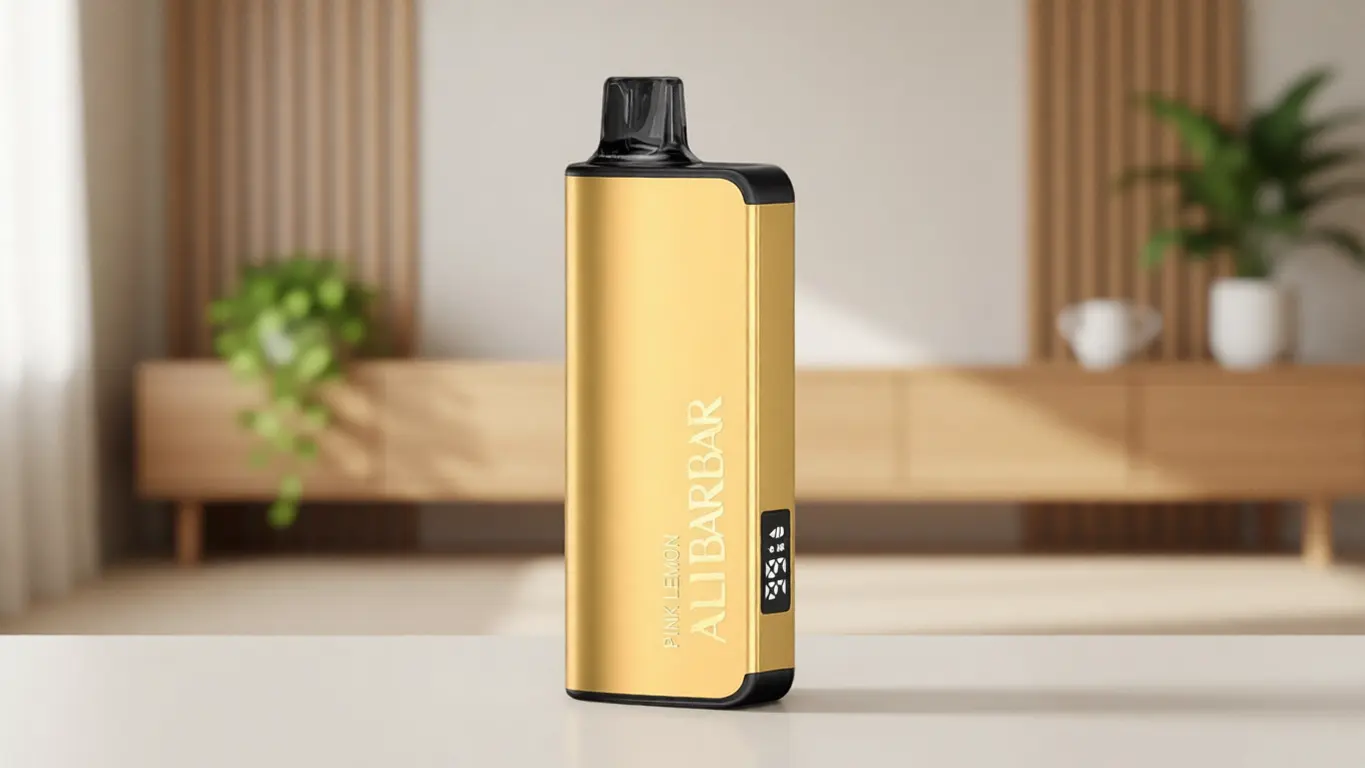
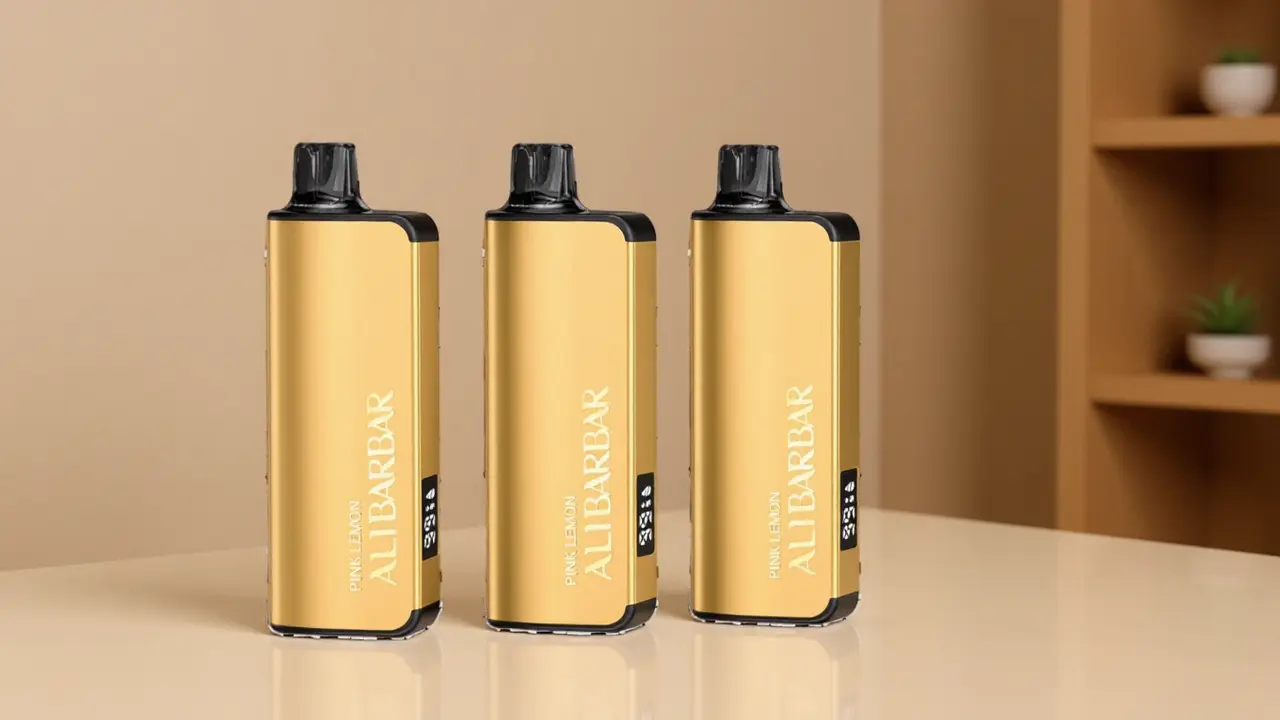
Open, modular systems — those with replaceable coils, refillable reservoirs, and standardised 510-thread or magnetic connections — offer the largest potential market. A well-maintained mod or kit can retain 40–60% of its original retail value if it is from a recognised brand and shows minimal wear. Some manufacturers focus on ruggedness and long-life engineering precisely to target users who value this long-tail utility. For instance, ALIBARBAR’s INGOT series, available through retailers like OZVAPE Shop, employs metal alloy shells and factory-calibrated thermal management that help the device remain functional and presentable far longer than industry averages. If you are selling such a unit, pointing to the original purchase documentation from an authorised source strengthens your asking position.
A Step-by-Step Framework to Evaluate Your Device for Sale
Before listing your device anywhere, go through this diagnostic sequence. It will save you from unrealistic expectations and help you present the unit honestly.
Authenticate and document source. Do you have the original packaging, any QR code for verification, and a receipt from a retailer like OZVAPE Shop? A device with traceable origin removes the biggest fear in second-hand markets: counterfeits.
Assess battery health. If the device is rechargeable, how many charges do you estimate it has gone through? Does it still last through your typical day? If the battery is fading, be prepared to disclose that.
Inspect the output. Run the device through a full session. Does it perform evenly from start to finish? Any burnt taste, gurgling, or delayed activation lowers value.
Examine surface wear. Take close-up photos of the mouthpiece, body seams, and charging port. Surface integrity tells a buyer more than you think.
Check for modular components. If anything is replaceable, note what has been recently changed (coil, pod) and what may need replacement soon.
Determine a realistic price. Search completed listings on local classifieds or forums for comparable models in similar condition. Do not price based on what you originally paid; price based on the remaining reliable lifespan.
The diagnostic question you must ask yourself: If I were a stranger with my own money at stake, would I buy this device at this price? If the answer isn’t an immediate yes, adjust your expectations.
Common Mistakes Sellers Make (and Lessons from the Industry)
Watching how the second-hand market actually functions reveals a series of predictable errors. Avoid these if you want to walk away with cash instead of frustration.
Overweighting a single specification. A seller might insist that a device offers “9000 puffs” but ignore that the battery is already showing signs of heavy capacity loss. A buyer cares about the remaining real-world capability, not the original marketing claim.
Assuming visual similarity means identical engineering. Two devices with the same shape and a similar LED pattern can have completely different internal architectures. Counterfeiters exploit this. If your device was bought from an unauthorised source, you may not even know its true internals. That is why buying from a source that maintains factory-certified inventory, as OZVAPE Shop does for ALIBARBAR products, is not just about the new purchase — it affects the entire secondary value chain.
Ignoring hygiene and safety perceptions. A used mouthpiece is a sensitive point. Even if it looks clean, many buyers will not accept a used device that has been in someone else’s mouth without clear replaceable parts. If you are selling a device with a fixed mouthpiece, expect significantly reduced interest.
Not understanding local sale legality. In Australia, the sale of any vaping product — new or used — may be subject to state and federal regulations, depending on content and classification. Some platforms outright ban second-hand vape listings. A cash transaction in a car park might feel simple, but it can expose both parties to legal risk, particularly if the buyer is under 18. Reputable channels do not exist for a reason; the risk profile is high.
From an industry perspective, authorised retailers almost never operate buy-back programmes. The liability chain is too complex: they cannot verify how a device was stored, if it was damaged internally, or whether it will fail shortly after resale. OZVAPE Shop, like most responsible vendors, focuses exclusively on providing new, factory-certified units to ensure quality control. This leaves the second-hand market almost entirely to peer-to-peer exchanges, where trust is fragile and documentation is the best tool you have.
Frequently Asked Questions
Q: Can I sell my used vape to a vape shop for cash?
A: In almost all cases, no. Licensed vape retailers do not buy back used devices due to warranty, safety, and regulatory compliance concerns. They are in the business of selling new, tested products.
Q: Will pawn shops or cash converters accept a used vape?
A: Some may, but it varies widely. Pawn shops generally avoid items with internal batteries of uncertain health, or anything that involves oral hygiene. Call ahead and ask directly, but expect a very low offer if they accept.
Q: What online platforms allow me to sell a used vape?
A: Many mainstream classified sites prohibit the sale of vaping products. Niche forums or word-of-mouth groups exist, but they operate in a grey area. Always check the platform’s terms and local laws before posting.
Q: How much can I realistically get for a used, high-capacity device in good condition?
A: If the device is from a recognised, durable brand like ALIBARBAR and you have original proof of purchase from an authorised retailer, you might recover 30–50% of the retail price. Without documentation, expect far less, as the buyer bears the risk of counterfeits.
Q: Does OZVAPE Shop buy back used vapes?
A: No. OZVAPE Shop is a retailer of factory-certified new devices and does not operate a trade-in or buy-back programme. However, if you originally purchased an ALIBARBAR unit from them, the provenance is documented, which can strengthen your position in a private sale.
Q: What is the most important thing a buyer wants to see?
A: Proof that the device is authentic and that its internal cell is healthy. A receipt from a verified seller, original packaging, and any external charge-cycle log (if the device supports it) all build confidence.
Q: Is it legal to sell a used vape privately in Australia?
A: The legal status depends on the type of device, its contents, and state regulations. From October 2024, new laws impose stricter controls. Even when the device itself is legal to own, selling it privately may breach platform rules or local ordinances. You should research the laws in your specific state and consider the risk carefully.
Q: What should I do with a device I cannot sell?
A: If the device is still functional, consider giving it to a friend who already uses a compatible system, and who is legally permitted to receive it. If it is end-of-life, recycle it through an e-waste programme. Do not throw lithium-ion cells into general waste.
Q: How can I prove battery health without special tools?
A: If the device has a clear, multi-stage battery indicator, note how many sessions you get from a full charge and compare it to the device’s original specification. If the device lacks meaningful status feedback — a common frustration noted by many users — you have no way to prove battery integrity, and that will slash the price a buyer is willing to pay.
Q: Why don’t manufacturers support resale markets more openly?
A: Manufacturers design devices for a single-user lifespan covering safety, performance, and regulatory compliance. A used device introduces unknowns they cannot control, so the economic incentive to formalise a second-hand market simply is not there. This is another reason why durable, well-documented products from transparent supply chains retain more residual value for owners who eventually want to sell.
Smarter Choices Lead to Smarter Sales
The actual, functional market for used vapes is small, informal, and full of friction. It exists mostly because durable, well-engineered devices outlast the first owner’s interest, creating an asset that still has some life left. Sellers who understand this — who can demonstrate authenticity, battery resilience, and physical integrity — will always fare better than those who treat a used device like any other second-hand gadget.
If you are reading this while still at the point of considering a new purchase, then the path to retaining long-term value starts at the source. Buying from a verified, factory-certified retailer gives you the documentation and consistent quality that make a later private sale possible. OZVAPE Shop structures its entire ALIBARBAR catalogue around exactly that standard: transparent specifications, authorised stock, and support that follows the product through its life. That does not make your device magically sellable on command, but it removes the most common obstacle — the worrying question of whether it is even genuine.
The right choice remains the one that fits your actual routine, not the one with the most eye-catching headline. And if that fit changes, your best chance of turning the old device into cash is to treat it as what it is: a piece of precision engineering that someone else might trust, given enough honest evidence.