
VAPE FAQs
Is A Yart And A Vape The Same Thing?
Aug
It’s the kind of question that surfaces in online communities and at shop counters alike, usually after someone encounters the word “yart” for the first time. They have seen it used interchangeably with “vape,” and they want to know whether these are simply two labels for the same device or something more nuanced. The short answer is that “yart” is not a recognized industry term. It appears to be a regional slang or a misspelling that has gained limited traction in certain discussion forums, often used to describe compact, disposable electronic fogging devices. But to understand the full picture, it helps to look at what a vape actually is, how the market categorizes these devices, and why terms like “yart” create confusion.
This article is written for adult users who want a clear, no-nonsense explanation of device categories, engineering differences, and how to evaluate portable electronic vaporizers without relying on misleading jargon. At OZVAPE Shop{:target=”_blank”}, we regularly talk to customers who are uncertain about product terminology, and we believe that a solid grounding in the fundamentals is the best way to make confident decisions. What follows is a practical breakdown of the technology, the terminology, and the selection criteria that actually matter.
Understanding What Matters: Core Engineering and Design Factors
Every portable electronic vaporizer, regardless of what people call it, is a small battery-operated device designed to heat a liquid or substrate to generate an inhalable aerosol. The range of available devices is wide, but the underlying engineering principles are shared. Whether you are holding a device someone calls a “yart” or a high-powered box mod, the same three subsystems determine performance: the heating element, the power source, and the airflow path.
Internal Architecture and Output Consistency
The heating element is the heart of any vaporizer. In most compact devices, that means a porous ceramic or cotton wick wrapped in a metal coil. The precision with which this coil is manufactured, the consistency of its resistance, and the way it wicks the substrate all affect output stability. Users who report weak vapor or a burnt taste in the latter stage of a device’s life are almost always seeing the result of an overheated or degraded wick. Well-engineered thermal management regulates the temperature curve so that the wick stays saturated and the coil does not spike. You can recognize this by taking a series of draws back-to-back: a quality unit will maintain consistent aerosol density, while a poorly designed one will thin out quickly.
This is relevant to the “yart” question because many slang terms emerge from a specific device form factor that may or may not meet these engineering standards. Some cheap disposables are referred to as “yarts” in certain circles, and those devices often cut corners on thermal management to keep prices low.
Power Management and Status Transparency
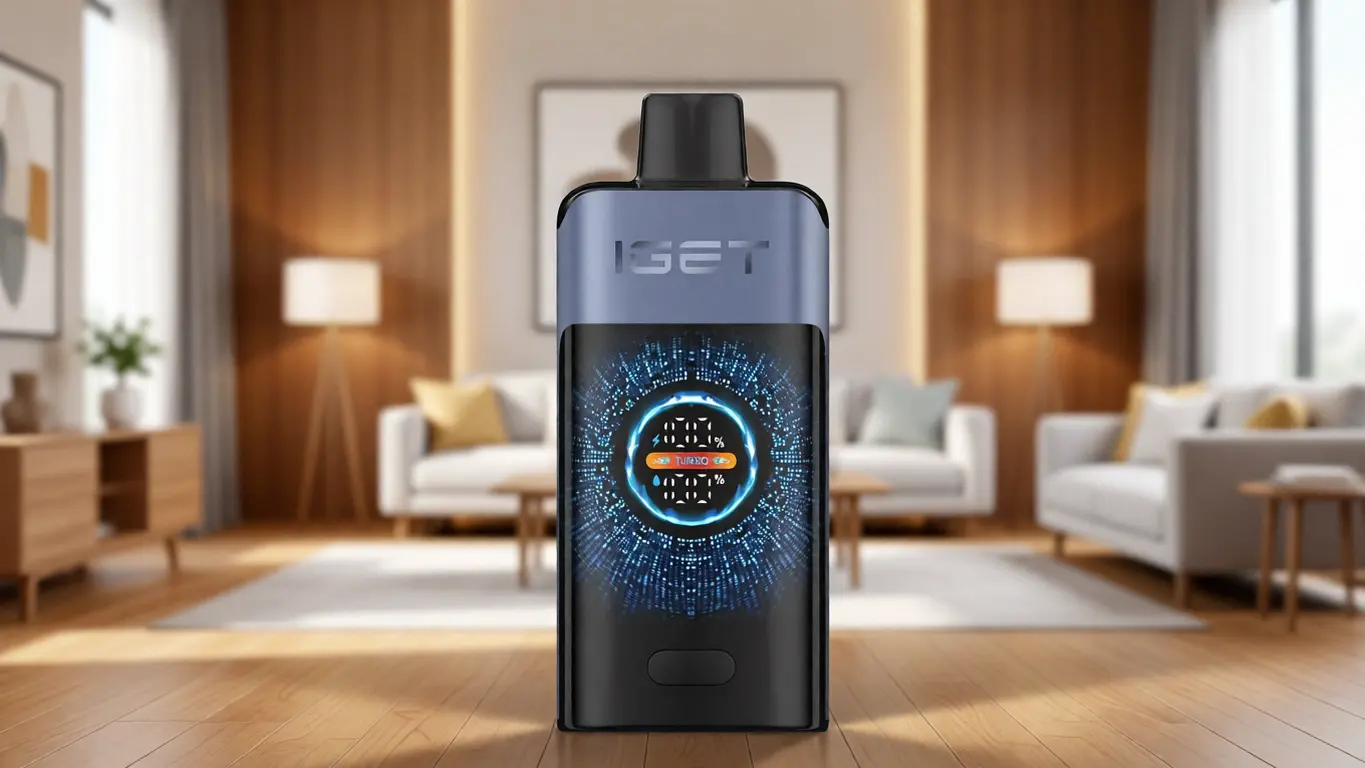
The power source in a portable vaporizer is typically a lithium-ion cell, and the way that cell is controlled determines the device’s lifespan. A good power management system prevents over-discharge, limits current draw, and shuts down before the cell can be damaged. Devices with inadequate management often fail long before their rated number of draws. A more subtle failure is the lack of status transparency: if a device gives no indication of remaining charge, the user is operating blind. They cannot tell whether the next draw will be satisfying or empty, so they compensate by carrying a backup. If you have ever found yourself carrying two devices “just in case,” the problem may not be your usage pattern but the poor status communication of your device.
Physical Design and Material Durability
The exterior of a vaporizer is not just about aesthetics. It is also about how the device survives real-world handling. Anodized aluminum finishes tend to resist scratches and fading better than painted surfaces. Pocket-friendly shapes reduce the risk of accidental activation and avoid uncomfortable pressure when you sit down. The mouthpiece contour matters more than most people think; a poorly shaped tip can cause jaw fatigue during prolonged sessions. Pay attention to the materials used in the mouthpiece and the seam quality where panels meet. These details often distinguish a device that looks fine in a photo from one that still looks fine after six months of daily carry.
Modularity and Lifecycle Flexibility
Not all devices are designed to be used in the same way. Disposable units are designed for a limited life cycle and then discarded. Rechargeable systems use refillable substrates and can be used for many months if the internal power cell is robust. Some architectures allow you to replace the heating coil and the substrate independently, which reduces long-term cost and waste. Each approach has its place, but they require different expectations. If a user refers to a “yart” and means a tiny disposable unit, they are talking about a product with a fundamentally different lifecycle than a modular system. Understanding this distinction prevents frustration when a device does not last as long as expected.
Applying These Criteria to Real-World Options
With those engineering principles in mind, we can look at how they map onto actual product families. The ALIBARBAR range, which OZVAPE Shop stocks, offers a useful example of how different architectures serve different needs. The INGOT 9000, for instance, is a high-capacity rechargeable device designed for extended daily use. It includes a clear status display and a robust power management system, so you always know how much charge remains. The INGOT 15000 pushes capacity even further, with a larger power cell and a design that emphasizes output consistency over the device’s full operational life. The Ice Adjust 12000, as the name suggests, offers adjustable output levels, which places more control in the hands of the user.
These devices are all vaporizers in the broadest sense. But none of them would be accurately called a “yart” because that term, to the extent it exists, tends to refer to inexpensive, non-rechargeable, pocket-sized units. Other brands, such as RELX or Juul, are also vaporizers, but they operate within their own technical parameters. The key takeaway is that the broad category of vaporizers contains many subcategories, and the slang term “yart” is not a specification; it is a colloquialism that obscures more than it clarifies.
A Practical Framework for Evaluation
When you are evaluating any portable vaporizer, whether it is called a vape, a yart, or something else, ask yourself a series of diagnostic questions.
First, does the device provide clear status feedback? If it has no battery indicator, you will likely be guessing, and guessing leads to backup devices and frustration. Second, what is the rated operational life, and is that rating expressed in a way that is meaningful for your actual usage pattern? A device rated for 9,000 puffs may not reach that number if you take long draws at high output. Third, can you verify the authenticity of the device and the source? Standardized specification comparison is one of the most practical tools for reducing decision friction. You can compare output, capacity, and dimensions side by side because the numbers are objective.
We have created a simple exercise for customers at OZVAPE Shop: list the four engineering factors from this article and score each device you are considering from one to five. A device that scores high on thermal management but low on status transparency may still be a good choice if you prefer a short, focused session and do not mind carrying a backup. The point is not to rank devices in the abstract but to match them to your routine.
Common Selection Errors and Industry Observations
Many users undermine their own satisfaction through incomplete evaluation. One of the most common errors is overweighting a single specification. A large draw count looks impressive, but if the device cannot deliver consistent output throughout its life, that number is meaningless. Another error is assuming that visual similarity indicates equivalent internal engineering. Two devices with the same basic shape can be completely different under the hood; one may have a carefully calibrated heating element and efficient power management, while the other is assembled from the cheapest available components.
A third error is undervaluing modularity in the cost-per-use calculation. A disposable device may have a low price, but after you factor in the number of uses before disposal, it can be more expensive than a refillable system that lasts many months. Finally, there is the confusion of category terminology with technical specifications. Words like “yart,” “pod,” and “cartridge” are often used loosely, and relying on them instead of actual specs leads to mismatched expectations.
From an industry perspective, we observe that the most satisfied users are those who understand the architecture of what they are buying. They know whether their device has a removable coil, whether the power cell is replaceable, and what the status indicators actually communicate. This level of understanding is not difficult to achieve, but it requires a willingness to look past the marketing language and focus on the engineering.
Frequently Asked Questions
Q: Is a “yart” a type of vape?
A: In most informal usage, yes, but it is not a technical term. It usually refers to a small disposable vaporizer. All such devices fall under the broad category of vapes, but the term “vape” encompasses many other types as well.
Q: Why do people use the word “yart”?
A: The origin is unclear, but it seems to be a slang term that emerged in certain online communities as a way to refer to cheap, compact electronic vaporizers. It is not used by manufacturers or industry professionals.
Q: Can I compare a “yart” to an ALIBARBAR device?
A: You can compare them, but you need to look at specifications like capacity, output, and whether the device is rechargeable. A disposable unit will have a fundamentally different lifecycle than a rechargeable system.
Q: How can I verify that a device is authentic?
A: Purchase from an authorized retailer that maintains transparent sourcing. At OZVAPE Shop, we provide factory-certified inventory and standardized product specifications. You can also check the manufacturer’s website for serial numbers or authentication codes.
Q: What is the real difference between a disposable vape and a reusable one?
A: A disposable device has a non-replaceable power cell and substrate, and it is discarded after use. A reusable device has a rechargeable battery and refillable or replaceable substrate, which reduces waste and long-term cost.
Q: Does device size affect performance?
A: Not directly. A compact device can be engineered as well as a large device, but the physical constraints of size may limit battery capacity and output. Larger devices typically house bigger power cells and support higher output levels.
Q: Are there any health implications of using a vaporizer that is not properly regulated?
A: We always advise adult users to choose devices from manufacturers that follow sound engineering practices and to avoid unverified products. This article focuses on technical aspects, not health claims, so please consult appropriate sources for health guidance.
Q: What should I do if a device does not perform as described?
A: Contact the retailer with your purchase information. A reputable retailer will have a returns policy and a responsive support team. If you purchased from OZVAPE Shop, our team handles post-purchase support directly.
Q: Why do some devices have adjustable output and others do not?
A: Adjustable output requires a more sophisticated power management system. Devices with fixed output are simpler and often cheaper, but they offer less control over the experience.
Q: Is it better to buy a higher-capacity device if I am a light user?
A: Not necessarily. A larger device may be more expensive and bulkier. A light user may be better served by a more compact device that suits their occasional use, even if it has a lower rated capacity.
Conclusion
The confusion between “yart” and “vape” reflects a broader problem of imprecise language in a market full of new terms and clever branding. Understanding what a device actually is, how it is engineered, and what it can realistically deliver is far more important than any slang label. The four engineering factors we discussed — thermal management, power transparency, material durability, and modularity — give you a framework to cut through the noise.
Informed users make better decisions, and they are less likely to be disappointed. For this reason, the team at OZVAPE Shop{:target=”_blank”} is committed to publishing the kind of reference-grade information that helps adult consumers think clearly about their options. We do not expect everyone to become an engineer, but we do believe that a few minutes of reading can save months of frustration.
Ultimately, the right choice is the one that matches your actual routine — the device you will want with you on a long workday, the one that communicates its status honestly, and the one that fits the way you live. That device may be called a vape, a pod, a mod, or even a “yart” by some. What matters is not the word but the substance underneath it.