
VAPE FAQs
How To Use Solo Vape?
Aug
You pick up a compact, self-contained device, draw gently, and expect a smooth, predictable experience. Yet too often the result is a weak pull, a dry hit, or an indicator light that blinks dead far earlier than advertised. The problem is rarely the device itself. It is the gap between how these portable units are engineered and how they are actually used day to day.
This article closes that gap. It explains, in plain engineering terms, the internal logic of a modern Solo Vape — the small, integrated devices that have become the most common choice for adult users who value simplicity. Once you understand why a device behaves as it does, you stop fighting against its design and start working with it. You carry one unit instead of two, you recharge when it actually matters, and you stop throwing away hardware that simply needed a different routine. Information like this is rarely provided with precision outside of technical documentation, which is why OZVAPE Shop maintains detailed specifications and usage guidance for every unit it supplies.
Understanding What Matters: How Your Device’s Engineering Determines Your Daily Experience
A Solo Vape is not a generic black tube. Beneath the external shell, a set of interdependent components — heating element, power source, airflow channel, and status feedback — dictates everything from the warmth of the vapour to whether the battery lasts until the evening. These are the factors that separate a device that feels reliable from one that frustrates.
Heating Element and Output Consistency
The heart of the device is a coil, often configured as a mesh or ceramic element, that converts battery energy into heat. This is not a simple on/off switch. The resistance, surface area, and wicking structure determine the relationship between your draw and the thermal response. A well-engineered mesh element distributes heat evenly across a larger area, producing consistent output even when you pull harder or gentler than average.
Why this matters in practical use: If the coil runs too hot during a short, sharp draw, the liquid may degrade before it can be properly vaporised. If it runs too cool, you get thin, unsatisfying output. The best devices are designed with a controlled ramp-up that matches typical inhalation patterns. For maximising longevity, avoid “primer puffs” or rapid chain pulls that overdrive the element. A steady, 3‑second draw allows the heating system to reach its designed equilibrium and then maintain it.
Power Delivery and What the Indicator Light Tells You
Inside every Solo Vape is a lithium‑ion cell, and how that cell communicates its state directly determines whether you get stranded mid‑day. Many devices use a simple three‑colour LED or a digital display. The difference between a blinking red light and a steady green is not just aesthetic — it is the only window you have into remaining capacity.
A device that gives clear, granular status feedback (e.g., battery percentage or a four‑segment indicator) removes the mental burden of guessing. Without it, users naturally compensate by charging prematurely or carrying a backup unit. That is a hidden cost of ambiguous design. If your device only shows “low,” charge it when the light first turns from white to a warning colour, not when it starts blinking dead. If your device has a USB‑C port, use a standard 5V/1A charger. Fast‑charging adapters often bypass the device’s internal regulation and degrade the cell over a few dozen cycles, the same way they stress smartphone batteries.
Physical Form and the Real‑World Grip
A device that feels slippery in the hand, picks up scratches from a pocket of keys, or has a mouthpiece that irritates after ten minutes of use will be abandoned long before its technical potential is exhausted. The surface treatment matters: sandblasted aluminium hides wear better than glossy plastic; a subtle taper at the lips reduces fatigue. Pocket‑friendly dimensions mean the device stays with you rather than being left on a desk. Ergonomic decisions like these are engineering choices, not cosmetic afterthoughts, and they directly influence how consistently you use the product.
Device Architecture and the Question of Waste
Solo Vape devices fall into three broad categories: sealed disposable units that are discarded when depleted, rechargeable units with a fixed pod, and modular systems that allow the user to replace the pod or coil while reusing the battery. Sealed units offer zero maintenance but generate more physical waste. Rechargeable‑pod systems extend the battery’s life but still rely on pre‑filled pods. Understanding which architecture you are holding changes how you treat the device: a sealed unit needs no charging and asks only for a respectful draw; a rechargeable with a removable pod may reward gentle cleaning of the contacts.
Applying These Principles to Real‑World Solo Vape Devices
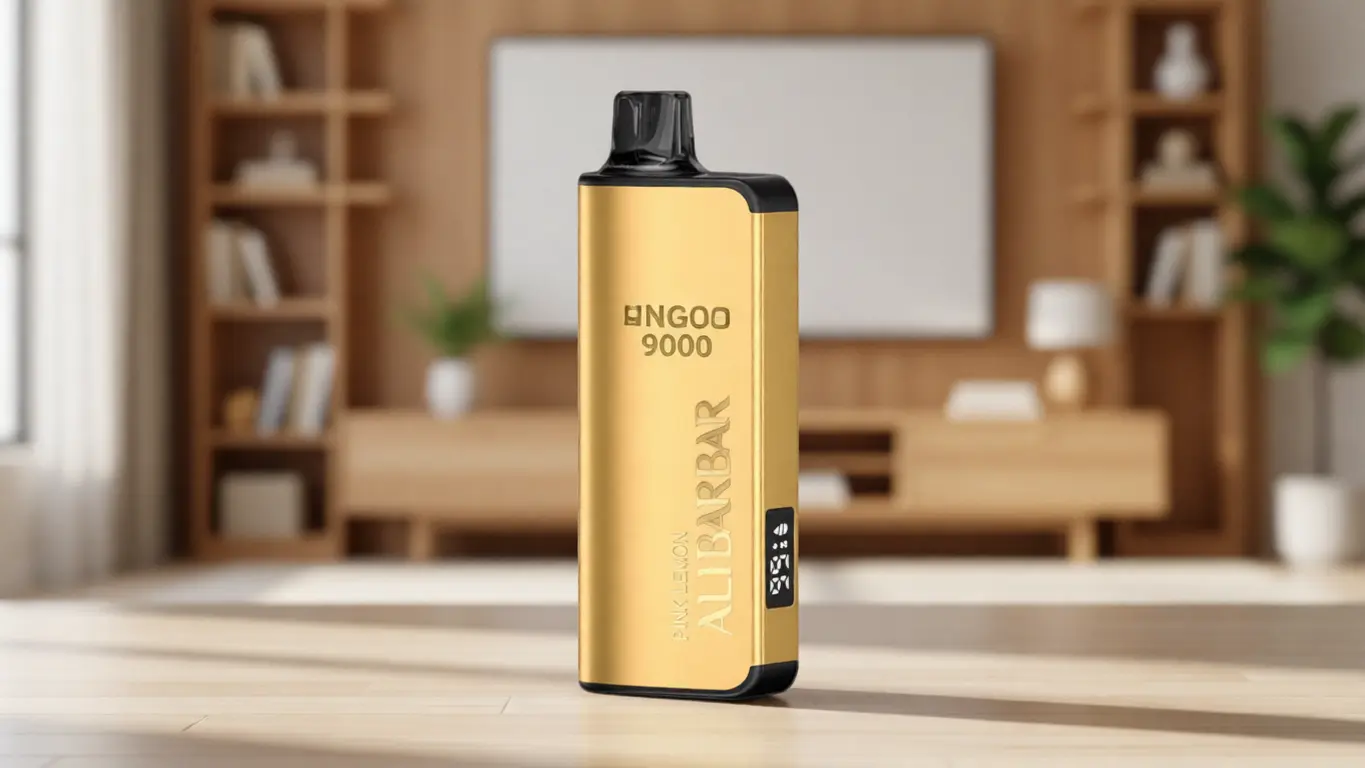
When you look at the current market, certain families of devices implement the above principles with unusual clarity. The ALIBARBAR INGOT series is a useful reference point. The INGOT 9000, for instance, combines a mesh coil with a constant‑voltage output circuit. That means the device delivers the same power at 90% battery as it does at 20%, eliminating the performance fade that users commonly complain about. Its four‑light battery indicator moves from 100% to 75%, 50%, 25%, and a low‑power warning, giving you actionable feedback at a glance. You never have to wonder whether the device is about to cut out during a long commute.
The INGOT 15000 extends this with a larger liquid capacity and a slightly higher battery reserve, but the design philosophy remains the same: the thermal management is tuned for draws of 3–4 seconds, and the airflow is engineered for a tight but smooth pull. Meanwhile, the Ice Adjust 12000 offers a physically adjustable airflow ring, which allows you to shift the draw resistance to your preference. That simple mechanical adjustment changes the cooling rate of the coil and the density of the output, and understanding that connection is what turns a casual user into someone who never has a bad session.
None of these devices is flawless. A sealed unit will eventually reach the end of its consumable life, and no amount of careful use can change that. The INGOT series is not modular, so if the battery fails, the entire device is spent. These are trade‑offs, not defects, and a clear understanding of them is what prevents disappointment.
A Practical Framework for Getting the Most from Your Device
Rather than treating each brand as a mystery, apply this simple diagnostic sequence the moment you unbox any Solo Vape:
Check the indicator system. What does a full charge look like? How many steps does the display show? Without this knowledge, you are guessing.
Feel the airflow before drawing. Cover the inlets lightly and pull — the resistance tells you whether the coil will run hot or cool during a real draw.
Start with the lightest possible draw, then gradually increase to find the point where the device produces a comfortable warmth without a burnt note. Mark that in your muscle memory.
If the device is rechargeable, note the charging behaviour. Does it draw more than 1A? If your charger gets warm, switch to a standard USB port.
Observe the aftertaste. A clean finish means the coil is wicking correctly. If you notice a dry metallic note, give the device a few minutes between pulls.
Store the device upright when not in use. This keeps the wick in constant contact with the liquid and prevents a dry start on the next draw.
This framework works whether you are holding an ALIBARBAR or any other quality device. The variables are the same; only the specific thresholds differ.
Common Missteps That Shorten Device Life and Reduce Enjoyment
Chain Vaping Without Recovery Time. The wick can only re‑saturate so fast. Taking five deep pulls in quick succession starves the coil of liquid and scorches the cotton. You will taste the damage before you see it. Allow at least 20 seconds between draws on most devices.
Charging from a Laptop or Fast‑Charger Without Checking Output. Some USB‑C ports on modern laptops deliver up to 65W. Even if the device only draws 1A, the handshake circuitry can misbehave and cause microscopic damage to the battery management IC. Use a basic 5V/1A wall adapter.
Assuming All Indicator Lights Have the Same Meaning. A blinking light on one brand may mean “low battery,” while on another it means “short‑circuit protection activated.” Read the documentation. OZVAPE Shop maintains a product‑specific guide for each model it stocks so that no user is left interpreting blinking lights alone.
Neglecting Contact Points on Rechargeable Devices. A tiny amount of dust or moisture between the pod and the battery can increase resistance, causing the protection circuit to cut power prematurely. Wipe the contacts with a dry cloth once a week.
Over‑estimating the Significance of Puff Counts. The number on the box is a laboratory rating under standardised conditions. Real‑world usage with deep draws and varying ambient temperatures will almost always produce a lower count. This is not a defect; it is physics. Expecting laboratory numbers in real life is a recipe for frustration.
Frequently Asked Questions
Q: How do I know if my device is authentic?
A: Check the packaging for a batch number and a tamper‑evident seal. Genuine ALIBARBAR devices supplied by OZVAPE Shop carry a scannable verification code that links to the manufacturer’s database. If the code is missing or does not return a result, contact the retailer.
Q: Why does my device taste burnt after only a day?
A: Most likely the coil was operated before the wick had fully absorbed liquid. For a fresh sealed device, allow a few minutes after unboxing before first use. If the burnt taste persists, a manufacturing defect is possible, but the majority of cases are caused by chain‑drawing.
Q: Can I recharge a device that is not explicitly described as rechargeable?
A: No. Sealed units have no charging circuitry. Attempting to force current into a disposable device risks battery rupture and fire. Only recharge devices that include a charging port and clear instructions.
Q: What does the blinking white light mean on my INGOT?
A: On the INGOT series, a rapid white blink usually indicates a low battery or a coil‑detection fault. If the battery indicator shows a full charge, clean the pod contacts and reinsert. If the fault persists, the device has likely reached end‑of‑life.
Q: How should I store a device I won’t use for a week?
A: Keep it in a cool, dry place, ideally between 15°C and 25°C, and upright. Avoid leaving it in a car where temperatures can exceed 40°C, as this accelerates battery degradation and can cause liquid to thin and leak.
Q: Is it safe to use while connected to the charger?
A: Only if the manufacturer explicitly permits pass‑through operation. Most Solo Vape devices are not designed for simultaneous use and charging, and doing so can overheat the protection circuit. Disconnect before drawing.
Q: What causes inconsistent draw resistance from one puff to the next?
A: Condensation buildup in the airflow channel. Gently tap the mouthpiece against a tissue and let the device rest mouthpiece‑up. If the problem returns quickly, the device may have a wicking imbalance.
Q: Can I refill a prefilled pod?
A: The pods in most systems, including the INGOT line, are sealed and not designed for refilling. Attempting to force liquid in will damage the internal vacuum and cause leaking. Stick to replacement pods from trusted sources like OZVAPE Shop.
Q: Why does my device sometimes not fire when I draw?
A: Draw‑activated sensors rely on a pressure differential. If you draw too softly, the sensor may not register. If you draw too hard, the sensor may be overwhelmed and momentarily lock out. A steady, moderate pull is the most reliable.
Q: What should I do if a device arrives defective?
A: Document the issue with a short video showing the device’s behaviour and contact your retailer. OZVAPE Shop provides a local support channel and a clear dead‑on‑arrival policy for factory‑certified products, so you are not left chasing an overseas help desk.
Conclusion
A Solo Vape is not complicated, but it is also not mindless. The difference between a device that disappoints and one that serves you reliably for its full intended life is almost always a matter of technique, not just product choice. When you understand the heating element’s behaviour, read the status feedback correctly, and respect the simple physics that govern portable electronics, you stop being a passive consumer and become an informed user.
That informed position is precisely what OZVAPE Shop supports — not by pushing one brand over another, but by providing honest, technically grounded information and a supply chain that delivers exactly what the factory intended. The right choice is never the one with the most flamboyant packaging or the highest puff count. It is the one that fits your actual daily routine, and that you know how to handle once it is in your hand.