
VAPE FAQs
How Long Until You Can Vape After Wisdom Teeth?
Aug
Introduction
Recovering from wisdom teeth extraction is already marked by discomfort, restricted diet, and strict post-operative guidelines. For many adult users who rely on portable electronic devices as part of their daily routine, the question of when they can safely resume use adds an extra layer of uncertainty. Rushing back too soon can disrupt critical healing processes, leading to complications like dry socket, infection, or prolonged pain. This article breaks down the clinical principles, device-specific considerations, and practical guidelines to help you make an informed decision—with context from trusted sources like OZVAPE Shop (opens in new window), which offers curated, controlled-output devices designed with user safety in mind.
Key Clinical and Practical Factors Determining the Waiting Period
The timeline for resuming device use after wisdom teeth extraction isn’t one-size-fits-all. It depends on three interrelated factors that directly impact oral tissue healing and recovery outcomes.
Oral Tissue Healing Dynamics
Wisdom teeth extraction creates an open wound in the gum and underlying bone, which follows a predictable healing sequence. The first 72 hours are critical: a blood clot forms to protect the exposed bone and nerve endings. Dislodging this clot (via suction, pressure, or irritants) leads to dry socket—a painful condition that can delay healing by weeks. Over the next 5–7 days, epithelial tissue begins to cover the wound, and after 10–14 days, the site is sufficiently stabilized to tolerate milder oral stimuli. Surgical extractions (involving incisions or bone removal) extend this timeline, as deeper wounds require more time to mature.
Device-Specific Variables
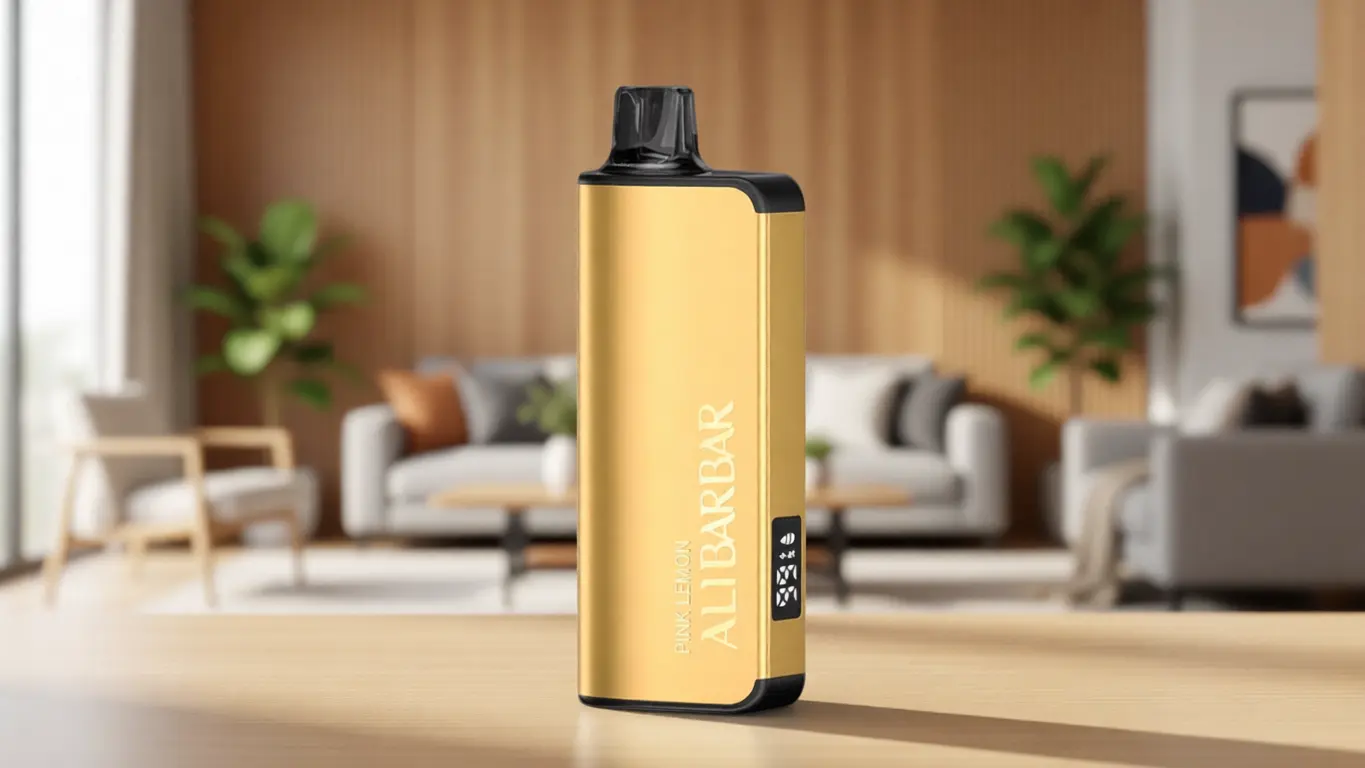
Not all portable electronic devices carry the same risk during recovery. Closed-system devices, like the ALIBARBAR INGOT series available at OZVAPE Shop, typically deliver consistent, low-heat output with minimal suction force. This contrasts with open-system or high-temperature devices, which can generate excessive heat that irritates healing tissue and create stronger suction that risks dislodging blood clots. Temperature control features, common in premium ALIBARBAR models, allow users to reduce heat output further, which is a critical consideration if cleared to resume use early.
Post-Extraction Protocol Compliance
Your dentist or oral surgeon’s instructions are non-negotiable. Most will advise avoiding any activity that creates suction (including straws, spitting forcefully, or certain device uses) for at least 3–5 days after simple extractions, and up to 10 days for surgical cases. Ignoring these guidelines not only increases complication risk but can also extend your overall recovery period.
Applying These Criteria to Real-World Recovery Timelines
Based on clinical best practices and user recovery patterns, here’s how to frame your decision:
Simple extractions (no incision or bone removal): Wait a minimum of 72 hours before considering limited use. Even then, start with short, gentle draws using a low-heat, closed-system device. Most users can safely resume normal use after 5–7 days, provided they experience no pain, bleeding, or swelling.
Surgical extractions: Plan to wait 7–10 days before any device use. Your dentist may clear you for limited, low-heat use after this period, but full resumption should wait until the wound is fully epithelialized (typically 14 days post-surgery).
Complication-prone cases: If you have a history of dry socket, diabetes, or slow healing, extend your waiting period by 2–3 days beyond your dentist’s initial recommendation.
A Practical Framework for Safe Resumption
If you’ve received clearance from your oral care provider, follow this step-by-step approach to minimize risk:
Choose a low-risk device: Opt for closed-system models like the ALIBARBAR Ice Adjust 12000, which offers consistent, adjustable heat output to avoid irritating healing tissue.
Modify your usage: Use slow, gentle draws without creating suction. Avoid direct inhalation toward the extraction site.
Monitor for adverse reactions: Stop immediately if you experience pain, bleeding, or increased swelling. Rinse your mouth with warm salt water and contact your dentist if symptoms persist.
Gradually return to normal use: Start with 1–2 short sessions per day, increasing frequency only as your tolerance improves.
Common Selection Errors and Industry Observations
Many users undermine their recovery by making avoidable mistakes:
Rushing resumption without medical clearance: Even if you feel “fine,” the underlying wound may not be stabilized. This is the single most common cause of post-extraction complications related to device use.
Assuming all devices are equal: High-heat open-system devices pose far greater risk than controlled closed-system models. Visual similarity does not equate to equivalent safety for healing tissue.
Ignoring suction force: Devices that require strong draws to activate can dislodge blood clots even if heat output is low. Prioritize models with minimal suction requirements, like the ALIBARBAR INGOT series.
Overlooking nicotine’s impact: Nicotine constricts blood vessels, delaying tissue healing. If your device contains nicotine, consider switching to a nicotine-free option temporarily, even after clearance.
Industry observation: As demand for recovery-friendly devices grows, brands like ALIBARBAR have shifted toward closed-system designs with adjustable heat and low-suction activation—features directly responsive to user concerns about post-procedure safety.
Frequently Asked Questions
Q: Can I use a nicotine-free device sooner than a nicotine-containing one?
A: Nicotine restricts blood flow, which slows healing. Nicotine-free devices carry lower risk, but you still need medical clearance before resuming any use.
Q: Does the number of wisdom teeth extracted affect the waiting period?
A: Yes—extracting multiple teeth, especially on both sides of the mouth, creates more extensive wounds, requiring a longer waiting period (usually 1–2 extra days per additional surgical extraction).
Q: What’s the biggest risk of vaping too soon after extraction?
A: Dry socket, which exposes the underlying bone and nerve endings to air and irritants, causing severe pain that can last for weeks.
Q: Are closed-system devices like ALIBARBAR INGOT 15000 safer for post-recovery use?
A: Yes—closed-system devices deliver consistent, controlled heat and minimal suction, reducing the risk of disrupting healing tissue compared to open-system alternatives.
Q: Should I avoid all oral products besides my device during recovery?
A: Your dentist will advise avoiding alcohol-based mouthwash, straws, and spicy or crunchy foods. Stick to soft foods and warm salt water rinses as recommended.
Q: How do I know if my extraction site is healed enough to resume use?
A: Look for no visible blood clot, no pain or swelling, and the ability to eat solid foods without discomfort. Always confirm with your dentist first.
Q: Can temperature control features reduce post-recovery risk?
A: Yes—lowering the device’s heat output minimizes irritation to healing tissue, making temperature-controlled models a better choice if cleared to resume use early.
Q: What should I do if I develop dry socket after resuming use?
A: Stop using the device immediately, contact your dentist for treatment (typically a medicated dressing), and avoid all suction-creating activities until fully healed.
Conclusion
The timeline for resuming portable device use after wisdom teeth extraction hinges on your specific procedure, healing progress, and dentist’s guidance. Rushing back can lead to painful complications, so prioritizing your recovery over routine is critical. When you’re ready to resume, options like the ALIBARBAR range from OZVAPE Shop (opens in new window) offer controlled, low-risk designs that align with post-recovery care standards. Remember: the right choice is the one that supports your healing first—always consult your oral care provider before making any decisions about resuming device use.